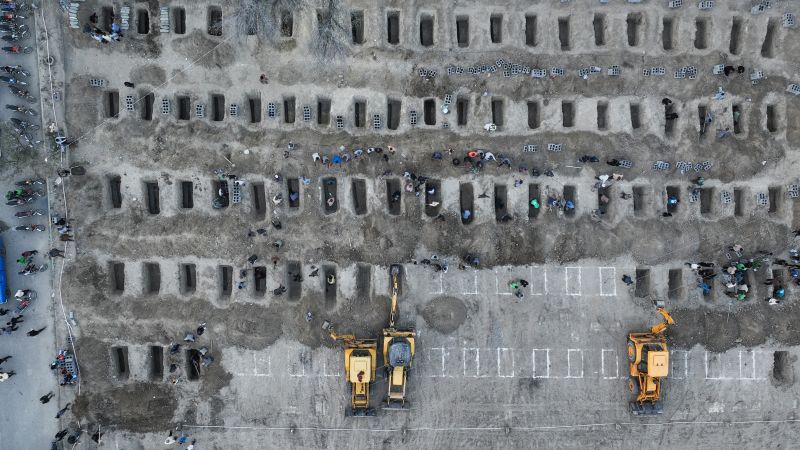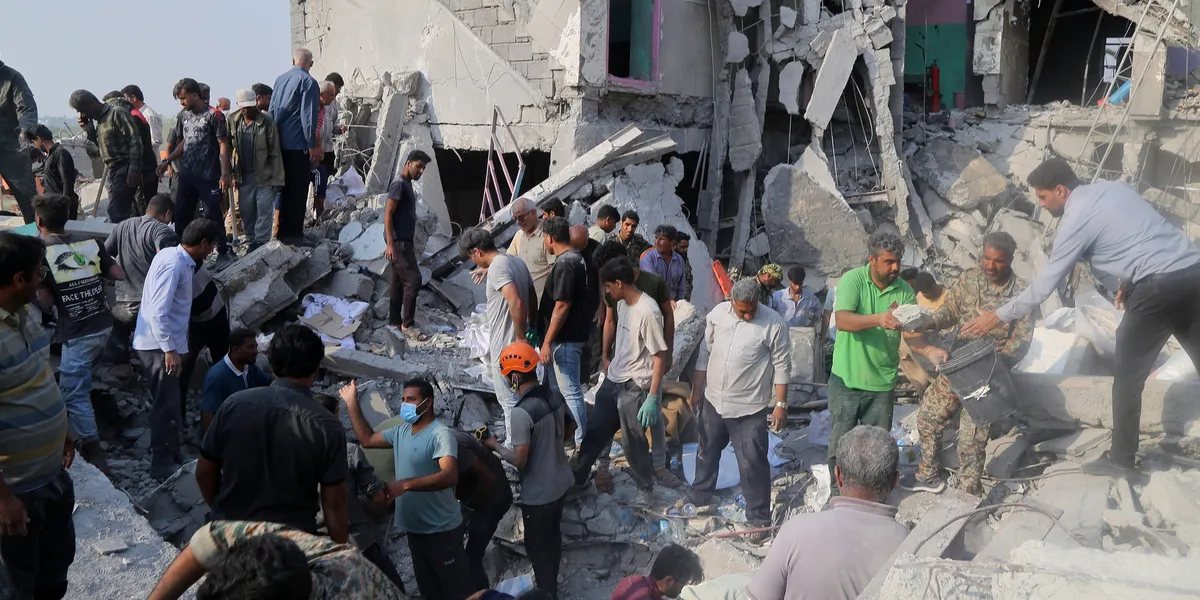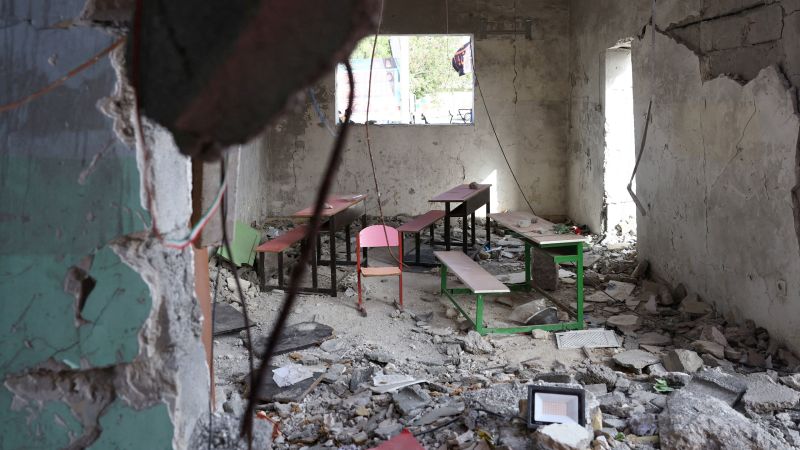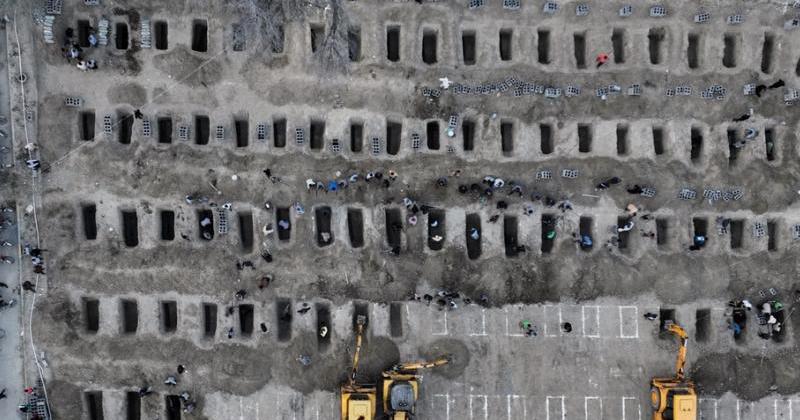
US military used outdated intelligence before deadly strike on Minab school in IranSenior US military commanders approved strikes on targets in Iran despite warnings in critical intelligence databases that information on several sites was outdated, according to three sources familiar with the decision-making process. One of the approved strikes reportedly hit a school, killing nearly 200 children and adults.The strike on the Shajareh Tayyiba school in Minab occurred as the US military targeted a neighbouring IRGC facility, according to CNN's reporting on the findings of an initial military investigation.Satellite imagery from 2013 showed that the school and the IRGC base were once part of the same compound. However, images from 2016 indicated that a fence had been erected to separate the school from the military facility and that a dedicated entrance to the school had been constructed. Imagery from December 2025 also showed dozens of people apparently gathered in the school's courtyard.The sources said the targeting system contained alerts indicating that some intelligence was based on years-old assessments requiring fresh verification. Despite the warnings, senior officers cleared certain sites for attack as US forces launched operations against Iran, while military officials and intelligence analysts were still racing to update targeting information.According to the sources, intelligence used for several targets added to the strike list was more than a decade old, including information related to an IRGC facility located next to the elementary school that was struck.With the operation moving on an accelerated timeline, military officials and intelligence analysts prioritised updating records for what they classified as "upper-tier" targets, two of the sources told CNN. Two of the sources said senior commanders chose to disregard the warnings for the sake of "expediency" as they rushed to finalise target lists at the outset of the conflict. The decision, they added, directly contributed to the mistaken strike on the school.These primarily included mobile targets and sites considered to pose the greatest threat to US forces. The sources said officials were able to refresh intelligence for most of these high-priority targets before the first strikes were carried out.“It was how (military officials) were re-validating targets rapidly by prioritizing what we thought was the most dangerous to US forces and the mission — like missile sites and aircraft,” a source was quoted as saying by CNN. The sources said fixed sites, including the location that was later identified as a school, were generally classified as lower-priority targets because they were stationary. As a result, analysts were unable to update intelligence for many of these sites before military operations began.Two of the sources said the Pentagon's targeting databases, the Modernized Integrated Database (MIDB) and the Machine-Assisted Analytic Rapid-Repository System (MARS), contained clear warnings that intelligence on several Iranian targets required updated verification before being used.The Modernized Integrated Database (MIDB) is the Pentagon's legacy targeting system, developed in the 1980s and largely dependent on manual inputs from intelligence analysts.The Machine-Assisted Analytic Rapid-Repository System (MARS), by contrast, is the Defence Department's newer artificial intelligence-powered targeting platform. Brought into operational use earlier this year, it is intended to eventually replace MIDB.According to Iranian state media, the strike killed at least 168 children and 14 teachers, making it one of the deadliest incidents involving civilian casualties in recent US military history if those figures are confirmed. The US military launched an investigation into the strike within days of the incident.In the immediate aftermath of the strike, US President Donald Trump suggested that Iran could have been responsible for the incident. He later said it might never be possible to determine who was ultimately to blame.
US military ignored warnings, relied on outdated intelligence before Minab school strike: Report
Senior US military commanders approved strikes on targets in Iran despite warnings in critical intelligence databases that information on several sites was outdated, according to three sources familiar with the decision-making process.
595 words~3 min read