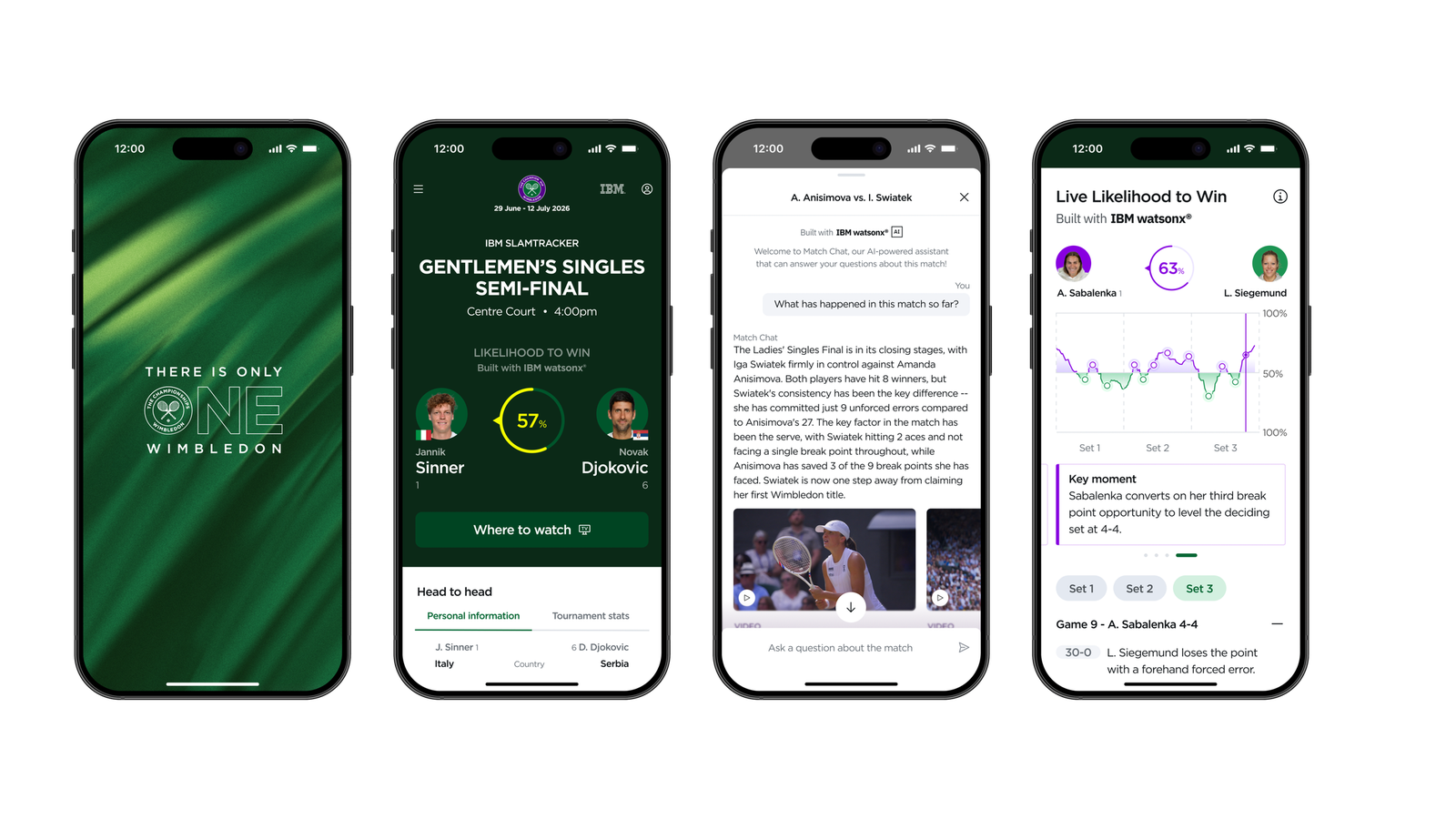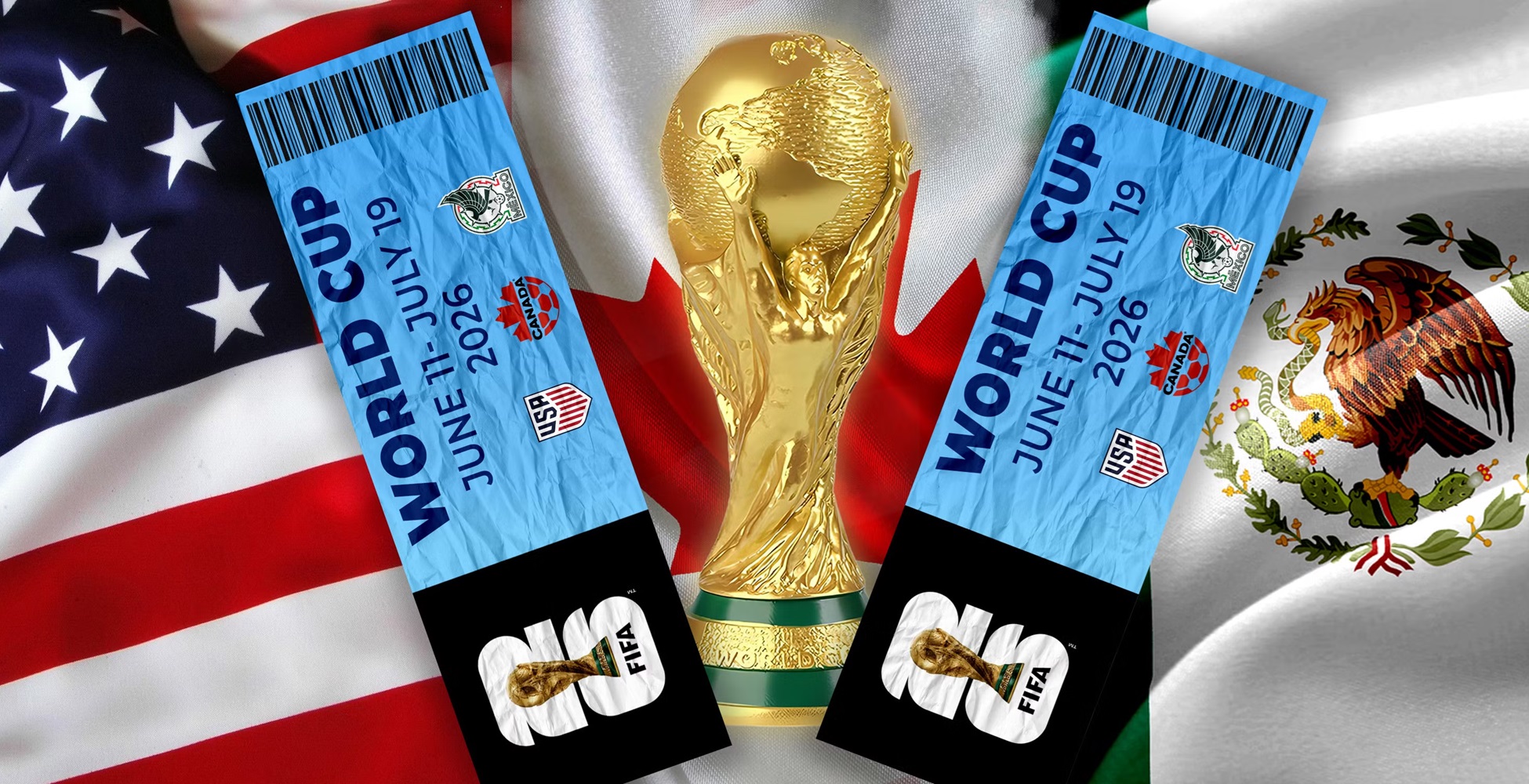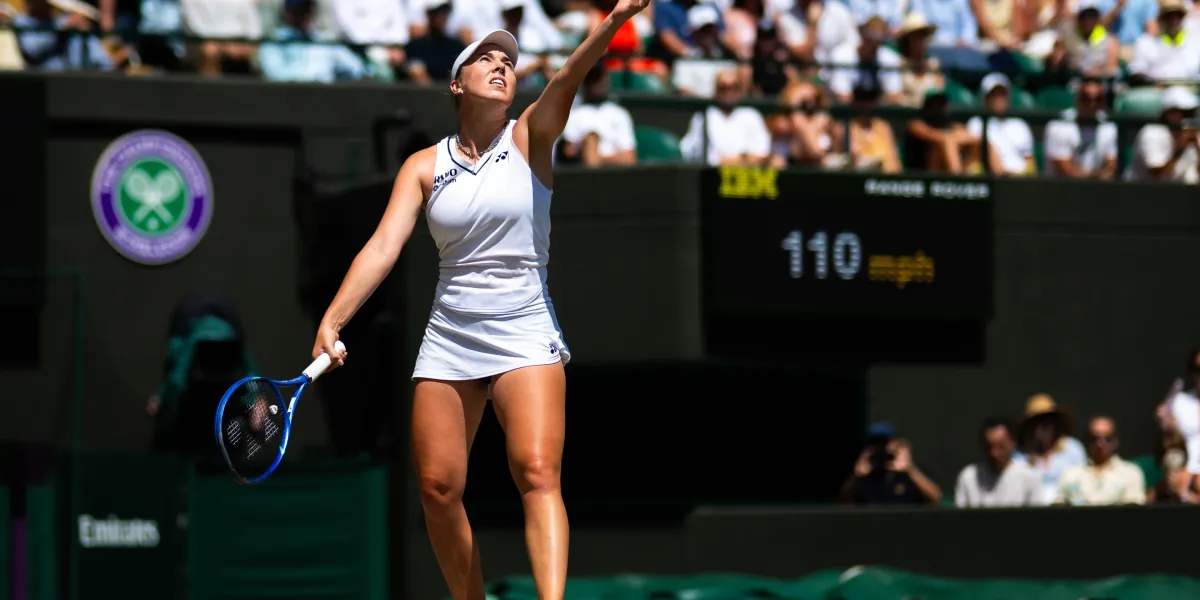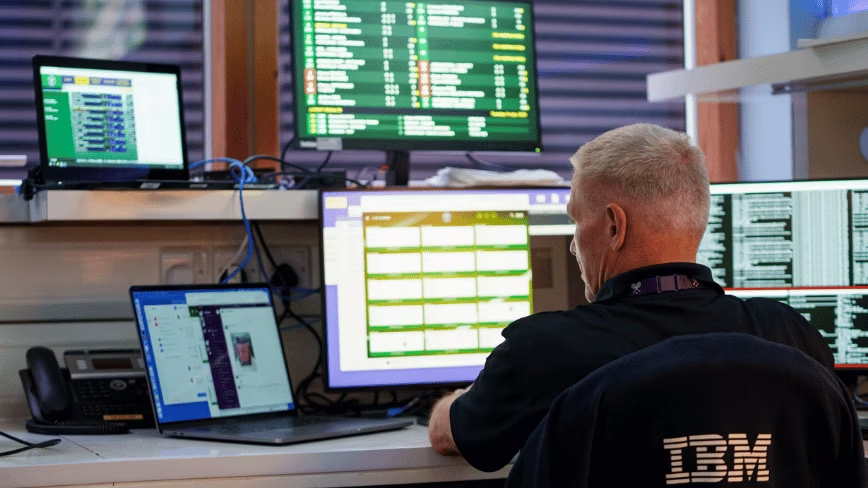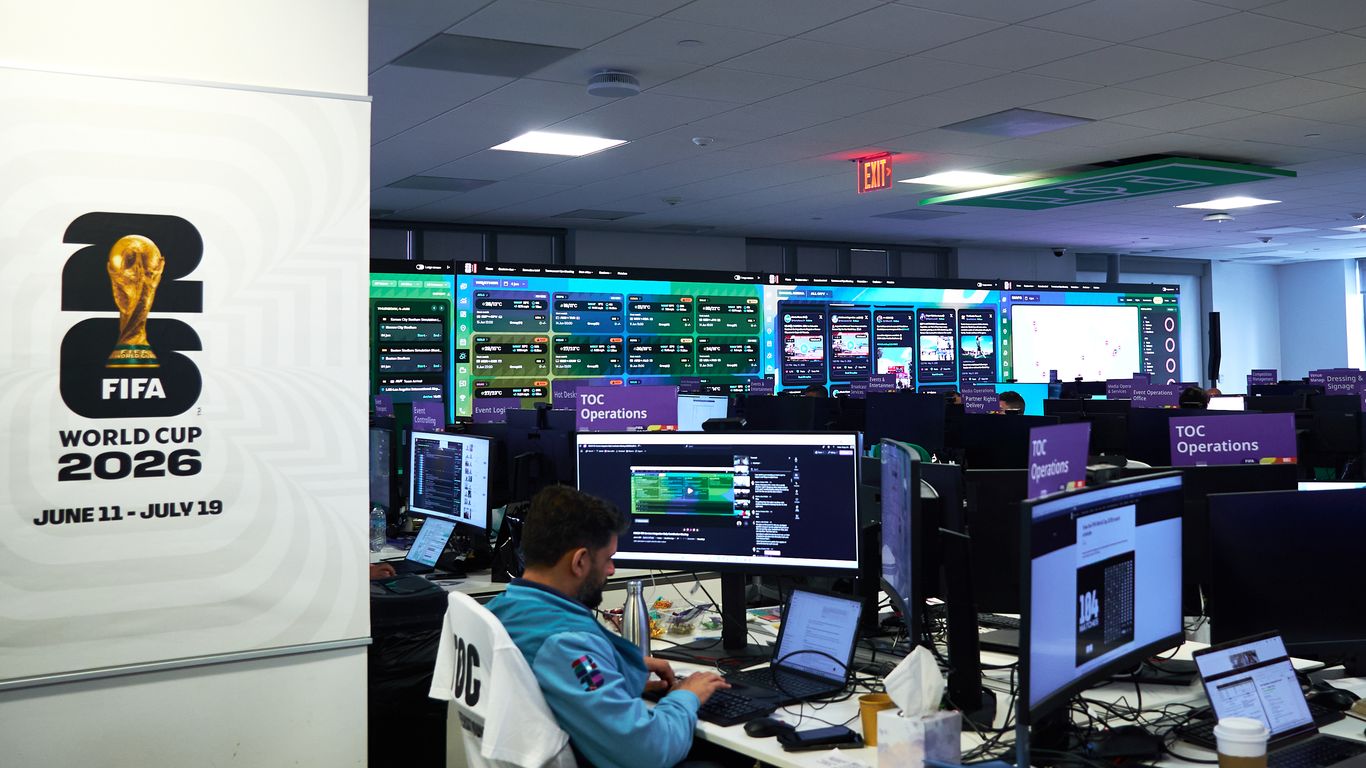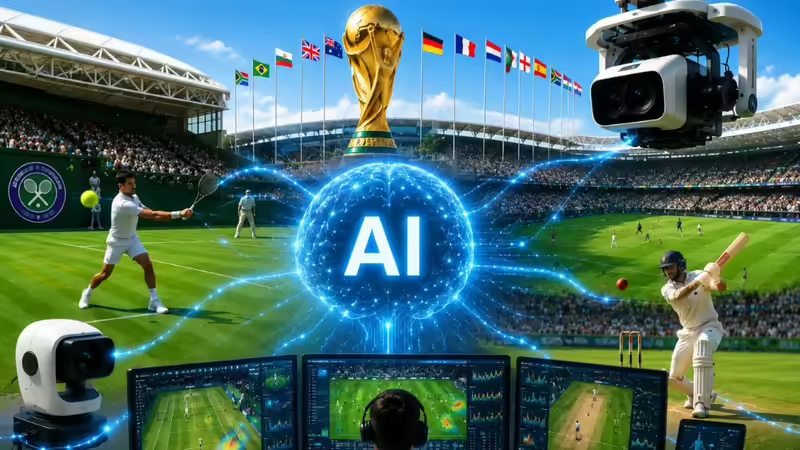
The All England Lawn Tennis Club switched on a fresh set of IBM-built AI features across the Wimbledon app and website as the 2026 Championships began on 29 June, led by an upgraded Match Chat assistant and a new Key Moments tool that explains the points that swing a match. Read the announcement and it scans as a tennis story. Step back and it reads as something larger: one move in a worldwide contest where technology giants use the most-watched sport on earth as a two-week advertisement for their AI.The same week Wimbledon went live, the FIFA World Cup was running the identical playbook across North America with Lenovo, and Indian cricket had spent its whole season as a battleground between Google and OpenAI. Three sports, three sets of vendors, one strategy. Each ships a conversational match assistant, an AI explainer for the moments that decide a match, and AI-accelerated highlights. Each leans on a human reviewer to cover the gaps. And each treats the match as a shop window for software it would rather sell to enterprises and consumers far from the stadium. The tennis is the draw. The product is the AI.What Wimbledon actually launchedStart with the features themselves. Match Chat lets a fan ask, in plain language, what has happened in a match and receive a conversational answer drawn from live data, historical performance and analysis, with some replies now carrying photos and video. It runs on IBM's watsonx Orchestrate, using AI agents and models trained on Wimbledon's editorial style and the language of tennis. The new Key Moments feature is the sharper addition: it identifies the points and passages that move a match and explains the momentum shifts, building on Wimbledon's existing Live Likelihood to Win win-probability engine, across every gentlemen's and ladies' singles match.Underneath sits a year of platform work. IBM rebuilt Wimbledon's content archive of more than 15,000 digital assets, using a development accelerator called IBM Bob to map how articles, photos and videos connect. The efficiency claims are eye-catching, and worth attributing to IBM rather than treating as independently checked: work that traditionally needs four or five specialists for months, done by one engineer in four weeks, and roughly ten years of development compressed into nine. Governance runs through human review, explainability and confidence scoring meant to keep inaccurate answers off fans' screens during live play.Why Wimbledon and IBM really do thisHere is the part the press release leaves implicit. Wimbledon is IBM's flagship showcase for watsonx, and IBM says so in its own materials: the capabilities powering the fan experience are the same ones it sells to clients, and it names Dynamiq running AI legal agents, EY automating tax compliance, and UFC adding fighter insights. The fortnight at SW19 is a live demo aimed at corporate buyers watching the tennis.The numbers explain the appeal on both sides. Usama Al-Qassab, AELTC's marketing and commercial director, has said Wimbledon's mission is to stay "at the pinnacle of sport," which now means reaching fans in more places more often — about 730 million people engaged last year, generating 18 billion impressions. That audience is the largest stage IBM could ask for. The timing helps too: a recent JPMorgan upgrade leaned on IBM's software growth, the division that supplies close to half its revenue and two-thirds of its profit. Match Chat sells tennis insight to fans and watsonx Orchestrate to everyone else at once.The same playbook at the World CupSwitch sports and the structure barely changes. The 2026 FIFA World Cup, the first staged across three nations with 48 teams and an estimated six billion viewers, has a single Official Technology Partner in Lenovo — its IBM equivalent, using the tournament to showcase a full AI stack.Lenovo's answer to Match Chat is Football AI Pro. It is a generative-AI knowledge assistant built on FIFA's Football Language Model, trained on hundreds of millions of data points and reading more than 2,000 performance metrics, delivering insight in text, video, graphs and 3D visuals across multiple languages. It lets analysts interrogate footage and data through natural-language queries, the same conversational layer Wimbledon offers, aimed first at teams. Every one of the 48 squads gets equal access, and FIFA president Gianni Infantino frames the goal as democratising data "soon to fans as well" — almost word for word the framing IBM uses.The Key Moments parallel is the machinery that explains a decision. Every one of the 1,248 players has an AI-built 3D avatar made from a one-second body scan, feeding a semi-automated offside system that now flags margins as fine as 10 centimetres, with those avatars rendered into clean 3D recreations of close calls on stadium screens and broadcasts. The Adidas Trionda match ball carries a sensor reporting 500 times a second, and the FIFA+ app lets fans in the stadium point a phone at the pitch for an augmented-reality overlay of names and speeds. One detail matters for the wider argument: humans still make every final officiating call, with the AI handling only the objective measurement. The machine assists; a person signs off.And the fiercest version is in Indian cricketThe most intense version of all sits in India, where the fan-engagement playbook has turned into a multi-billion-rupee war between AI vendors. Google and the International Cricket Council unveiled an alliance built on the Gemini 3 Pro model, demonstrated in January 2026. The demo collapses Match Chat and Key Moments into one: engineers fed Gemini a 45-second clip of a women's T20 match and, with no manual tagging, it identified the batters, bowler and field placement in under five seconds, explained why a googly deceived the batter, summarised the momentum from scoreboard data and crowd noise, and answered a natural-language question about who might bowl the next over. Treat the timing as a vendor demo rather than a tested benchmark, yet the direction is unmistakable.The commercial layer is where India outpaces everyone. Google's Gemini took a reported Rs 270 crore, three-year deal with the BCCI from IPL 2026, putting AI Mode in Search at the centre of the fan experience: conversational queries during a live match for tactical breakdowns, player comparisons and AI-generated explanations of a situation, a second screen that deepens the broadcast rather than replacing it. Across the season, Gemini served as the Official AI Fan Companion at the ICC Men's T20 World Cup, OpenAI's ChatGPT came aboard as a co-presenting sponsor, and JioHotstar built a ChatGPT-powered voice-and-text interface on OpenAI's APIs. The money behind it is the tell: an estimated Rs 1,400 crore in commitments to JioStar across the T20 World Cup and IPL, as AI platforms moved in to replace the gaming and edtech advertisers that once dominated cricket. India already counts as ChatGPT's second-largest market, past 100 million weekly users, which makes its cricket the richest demo floor on the planet.Beneath the fan features sits a serious analytics stack. The IPL's partners — Hawk-Eye, JioStar, AWS and Google Cloud among them — process roughly 120,000 data points a match, with Hawk-Eye's cameras tracking the ball at up to 340 frames a second and win-probability models running live.The shift underneath is its own story. As regulated real-money gaming and edtech pulled back their cricket spending, AI platforms stepped in as the successor category, moving from visibility-led marketing to what industry executives call utility-led demonstration — sponsoring the broadcast and embedding a genuinely useful tool inside it. Google has bound Gemini, Search, Pixel and Android to the JioStar cricket ecosystem; OpenAI has answered with ChatGPT sponsorships and a two-way JioHotstar integration that pushes recommendations back into ChatGPT. The cricket is the battlefield. The prize is the habit of more than 800 million Indian internet users reaching for one assistant by reflex.The pattern, decodedLay the three side by side and the shared blueprint stands out. Every marquee event now ships the same trio: a natural-language match assistant, an AI explainer for the moments that matter, and AI that speeds up highlights and broadcast. Wimbledon is one node in it, far from an outlier.EventTech vendorMatch assistantAI explainer for key momentsWimbledon 2026IBM watsonxMatch ChatKey Moments and Live Likelihood to WinFIFA World Cup 2026Lenovo "Football AI"Football AI Pro3D avatars and semi-automated offsideIPL and ICC cricket 2026Google Gemini, OpenAI ChatGPTGemini AI Mode, JioHotstar ChatGPTGemini match analysis, Hawk-Eye and DRSTwo threads bind them. The first is the showcase logic: the sport is the shop window, and the buyer stands well outside the stadium. IBM points fans toward watsonx, Lenovo toward its full enterprise stack, Google and OpenAI toward the consumer AI they want billions of people reaching for by reflex. The second is the language. "Democratising data" recurs across all three — FIFA for its teams, IBM and Google for their fans — even as the same vendors compete fiercely to own the audience that data describes.Sport suits the purpose better than any boardroom demo could. It runs live, so the AI performs with the safety net removed; it runs hot, so a clever insight lands harder on an audience that already cares; and it gathers tens of millions of people at the same instant, which turns a working feature into proof at planetary scale. A tool that survives a Wimbledon final or a World Cup knockout earns a credential that advertising money struggles to buy. That is why the vendors accept the risk of stumbling in public — the upside of succeeding there is a reference the entire enterprise market witnesses at once, in real time.Where it keeps going wrongA 360-degree view has to sit with the failures, and they recur as reliably as the features. Generative AI guesses at the next word, and in live sport a wrong guess shows up fast. Wimbledon learned this in public: its 2024 Catch Me Up feature was mocked for unforced errors, calling established players "up and coming" and listing win totals that diverged from the official record. Bill Jinks, Wimbledon's technology director, has been candid about the risk, noting that a hallucinated game score would hardly slip past unnoticed, which is exactly why a review process sits over the system.The same caution echoes across the other sports. In cricket, broadcasters working with Gemini have insisted on human validation because generative systems sometimes invent events, and Google's own demo surfaced occasional misclassification of similar bowling actions. In football, FIFA's repeated line that humans make the final call is the same safeguard worn as a feature. Across all three, the human in the loop is load-bearing rather than decorative.One distinction deserves care, because it is easy to get wrong. The officiating systems — Hawk-Eye line-calling at Wimbledon, semi-automated offside at the World Cup, DRS in cricket — are computer-vision tools, separate from the generative-AI assistants. Wimbledon's 2025 switch to fully electronic line calling drew loud complaints from players including Emma Raducanu and Jack Draper over wrong calls, and the system was once accidentally shut off mid-match. That backlash belongs to a different technology, even as it feeds the same public worry that AI at the big events moves faster than its accuracy can justify.What it means, and what to watchSo the Wimbledon launch is best read as a single frame of a much wider picture. Sport has become the world's premier proving ground for AI, the place where IBM, Lenovo, Google and OpenAI test their systems in front of billions and sell the results to everyone watching. The fan gets a richer second screen and clearer replays. The vendor gets a global advertisement. The governing body gets engagement it can bank — Wimbledon reported a 16 per cent rise across platforms last year, and the World Cup and IPL chase the same curve.The open question is what happens to the humans these systems edge toward. AI-written match narratives and AI-generated commentary point at the commentator's chair and the sports desk, and the shelved Wimbledon commentary experiment of 2023 shows the technology arriving before the craft is ready. Watch three things from here: whether the 2026 features hold up under live scrutiny rather than a launch demo, whether the accuracy stumbles stay rare enough to keep fans trusting the output, and whether India — already the most commercially intense front, where cricket has turned into a Google-versus-OpenAI contest — becomes the template the rest of sport copies. The match on the screen looks the same as ever. Almost everything around it has quietly been rebuilt.For the fan, the bargain is quietly lopsided and mostly comfortable. The second screen genuinely helps — a clearer offside, a sharper read on who holds the momentum, an answer to a mid-match question without leaving the app. In return, the fan becomes the live audience for a product pitch, and the attention they spend feeds the next version of the model. Most will take that trade gladly, which is exactly why the showcase works so well. A useful tool and an advertisement now arrive as the same object, and sport is the place they fuse most smoothly off.end of article
How AI Quietly Took Over Wimbledon, the World Cup and Cricket
Wimbledon's new IBM tools look like a tennis story. They are really one front in a global contest where AI vendors turn marquee sport into their biggest showroom — and the same playbook is running at the World Cup and across Indian cricket.
2,158 words~10 min read