Concerns over planned cuts to programmes that support German university partnerships with the Global South are growing as higher education leaders warn that the move could “diminish” Germany’s role as a leader in science.
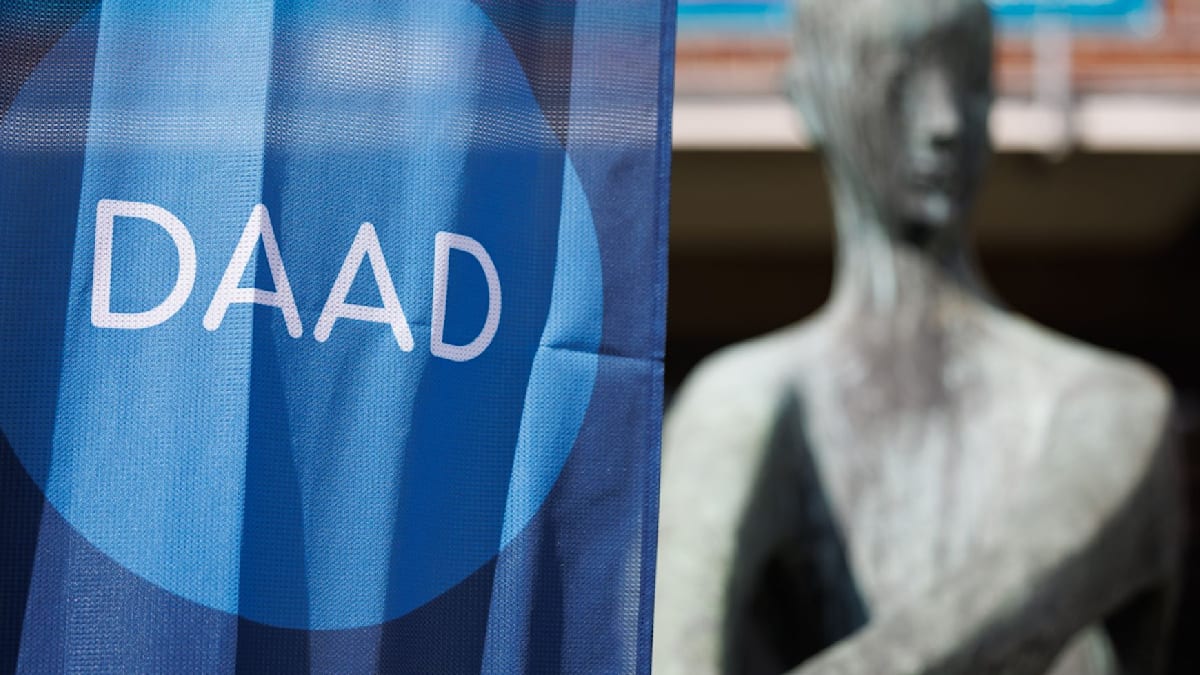
The German Academic Exchange Service (Daad) says the planned phase-out of several cooperation schemes risks cutting into what it describes as a “deeply connected network of partnerships” built over decades between German universities and those in Africa, Asia, Latin America and the Middle East.
“It will hamper our voice within the academic communities in countries in the Global South, and diminish the role Germany is playing as a science leader, as an academic actor worldwide,” Daad spokesperson Michael Flacke told Times Higher Education.
“As we look at the international system nowadays, it becomes clear that other countries are standing guard to fill in these gaps.”
Under the plans put forward by Germany’s Federal Ministry for Economic Cooperation and Development (BMZ), funding for all but one of Daad’s six cooperation programmes will be phased out by 2031. Programmes previously funded through special BMZ initiatives are also set to come to an end.