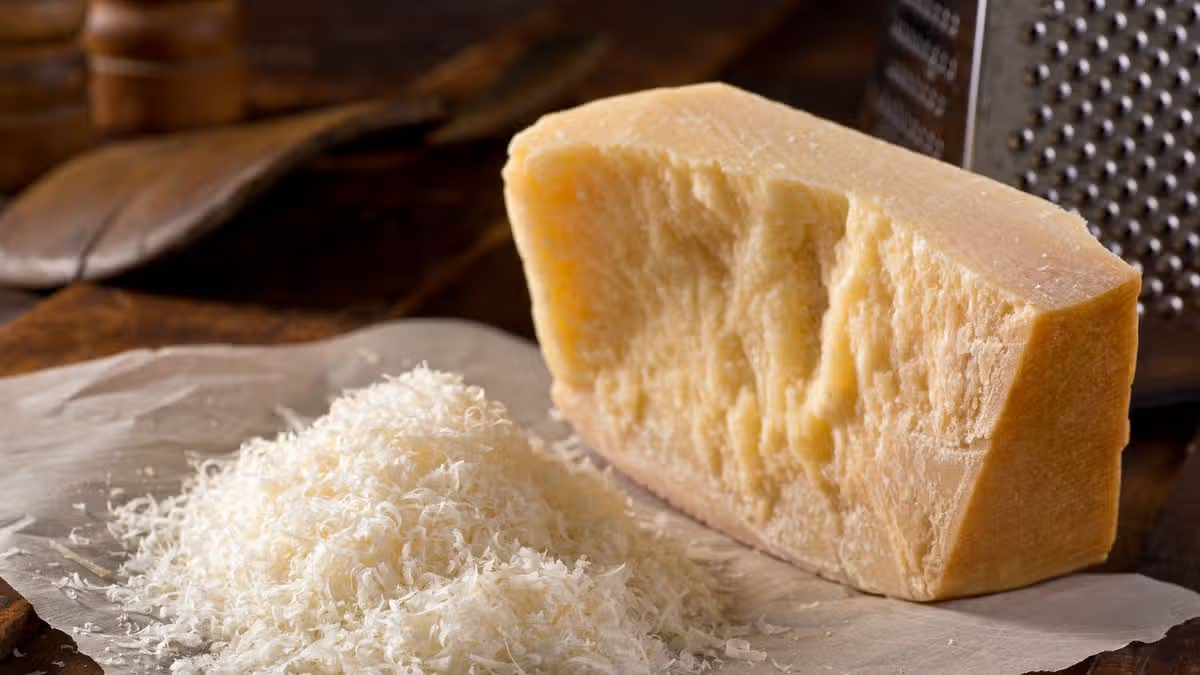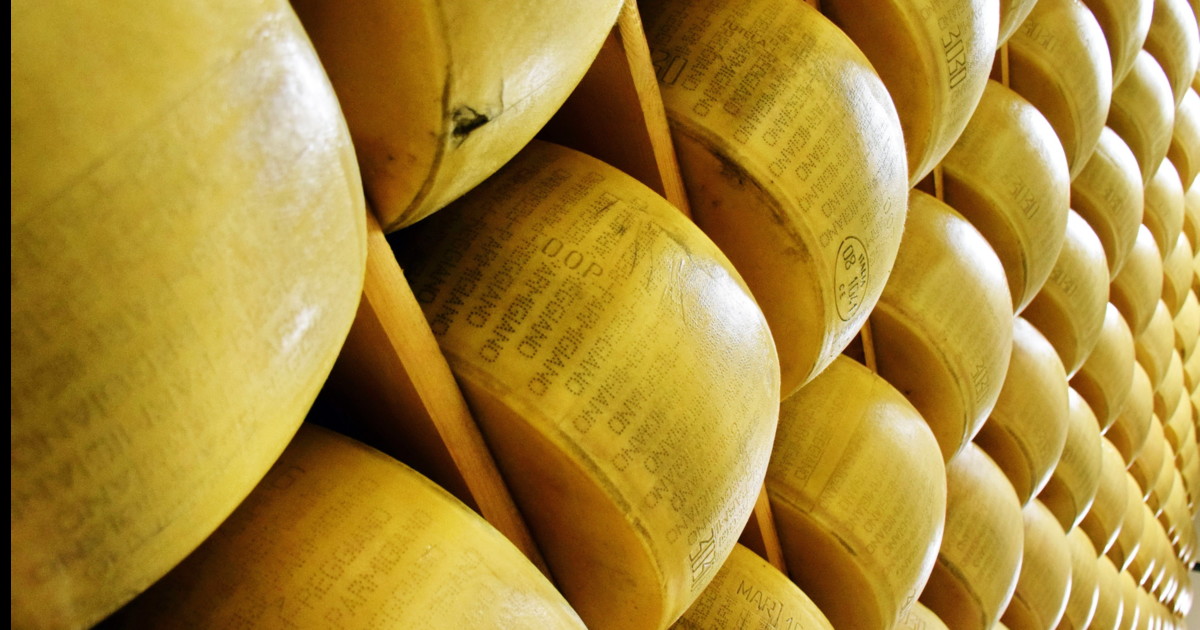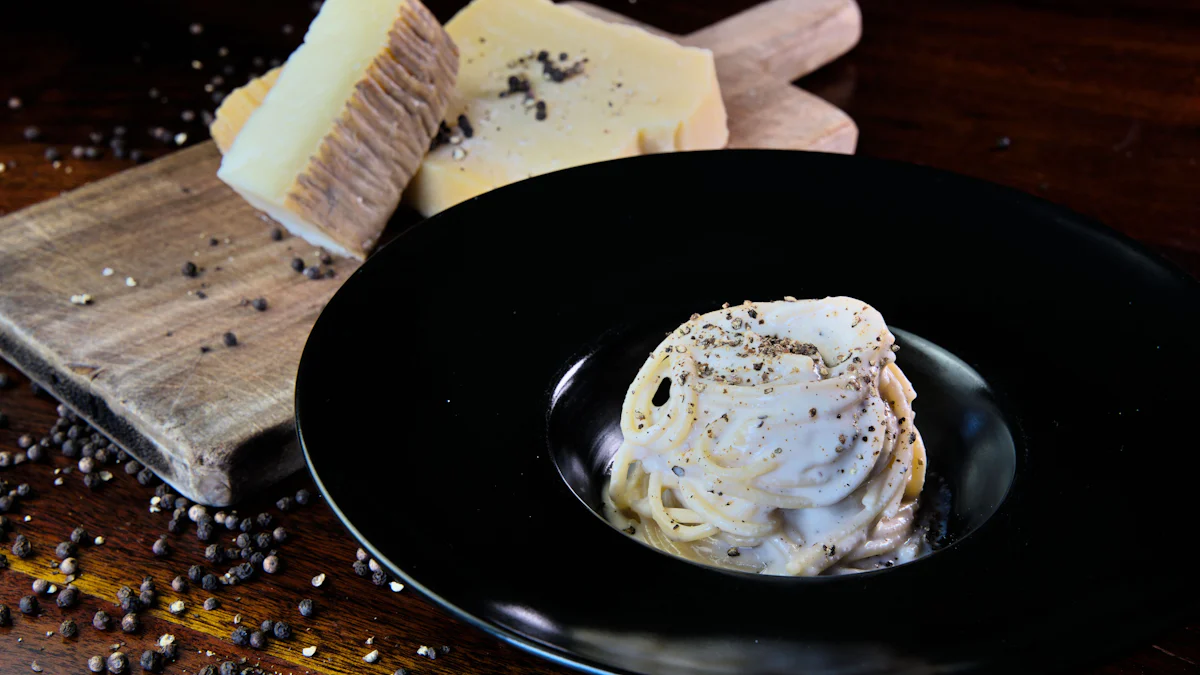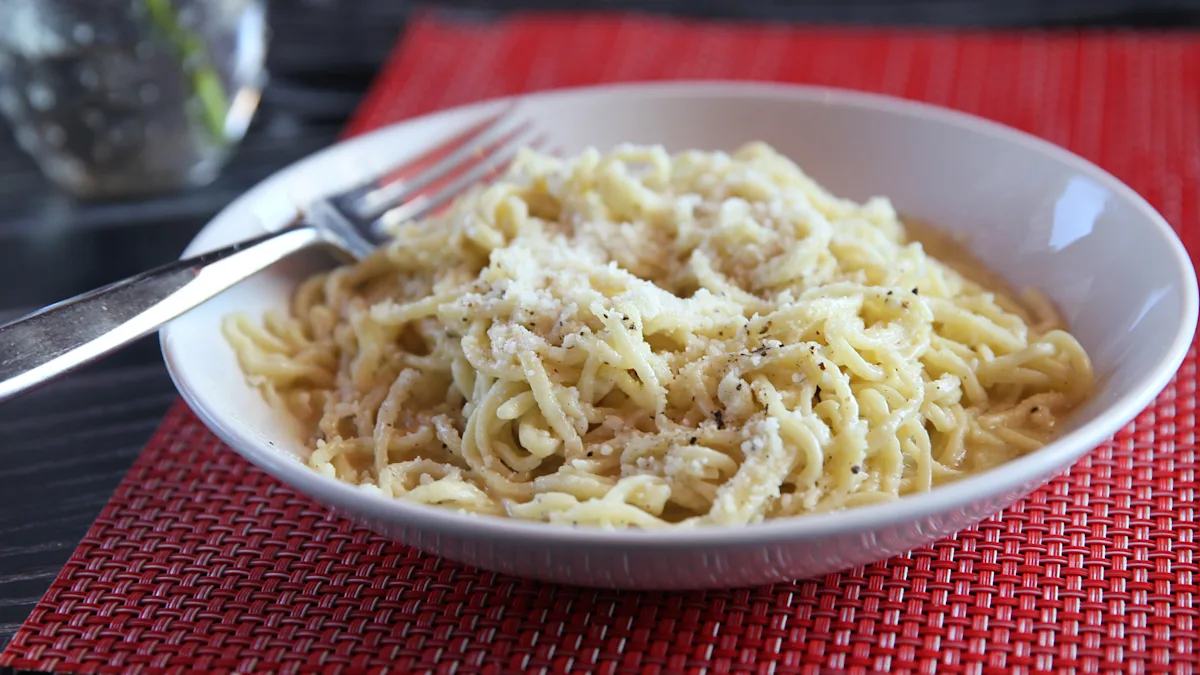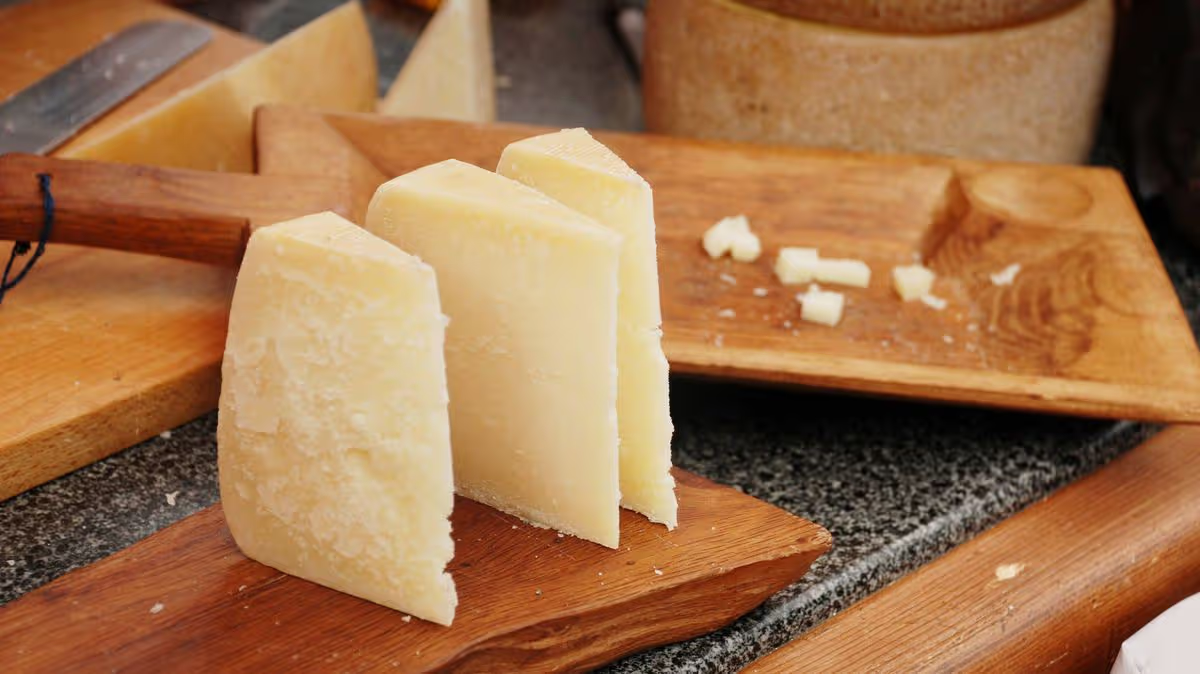
Parmesan and Pecorino are two popular Italian hard cheeses used in cooking – but what's the difference between them and when should you use each one?12:21, 29 Jun 2026Cheeses are available in countless shapes, sizes and flavours. While some are designed to be melted between two slices of bread for mouthwatering cheese toasties, others are at their finest with a fresh bowl of pasta, such as Parmesan and Pecorino. Parmesan and Pecorino feature in all manner of Italian dishes, especially pasta.Some recipes require Parmesan, others Pecorino, and numerous classic Roman dishes demand a combination of both.To those unfamiliar with them, they may appear to be two virtually identical cheeses, but Parmesan and Pecorino are in fact remarkably different - in the milk employed, in the seasoning, and particularly in the taste.These two varieties of cheese carry centuries of tradition, transform entire recipes with merely a sprinkling, and capture the essence of Italian cooking in ways that frequently go unrecognised.What is the primary distinction between Parmesan and Pecorino cheese?The fundamental distinction lies in the milk. Parmesan is produced from cow's milk, lending it a nutty, sweet, savoury profile.Pecorino Romano is crafted from sheep's milk, bestowing it with a sharper, tangier, saltier, more robust character.This variation in milk forms the foundation of their distinctive flavours. So Parmesan is the cow's-milk cheese (nuttier, sweeter), and Pecorino Romano is the sheep's-milk cheese (sharper, saltier).The milk determines everything else about how they taste and perform.How do the flavours contrast?The flavours are markedly distinct. Parmesan is nutty, fruity, savoury and relatively sweet, boasting a deep umami quality and a complex, well-balanced taste that is bold yet never overpowering.Pecorino is considerably sharper, saltier and tangier, with a pungent bite derived from sheep's milk. Pecorino Romano is therefore the saltier, sharper and more assertive of the two, while Parmesan is the nuttier, sweeter and more rounded option.In a dish, Pecorino delivers a powerful salty punch, whereas Parmesan contributes a rich savoury depth. Despite both being hard-grating cheeses, they taste remarkably different.How to use Parmesan and Pecorino in cookingBoth cheeses are grated over pasta and various dishes, but the choice is significant in Italian cooking. Parmesan's nutty, savoury and less salty character lends itself to an enormous range of dishes, from risotto recipes to creamy sauces to finishing off almost anything — it truly is the versatile, all-purpose grating cheese.Pecorino Romano's saltiness and sharpness are absolutely integral to certain classic Roman pasta dishes — cacio e pepe, creamy carbonara and amatriciana — where its distinctive salty bite is crucial.For these Roman staples, Pecorino is the traditional choice; for general use and milder dishes, Parmesan takes precedence. Some cooks combine the two to strike the perfect balance between saltiness and depth.Can you swap one for the other?Given that they serve comparable roles, people occasionally substitute one for the other. Substitution is possible, but the outcome will differ: using Parmesan in place of Pecorino produces a milder, less salty and nuttier result, and may require additional seasoning.Pecorino rather than Parmesan delivers a saltier, sharper outcome, so reduce salt elsewhere.Article continues belowA mixture is a frequent compromise. Replace if necessary, but anticipate a different flavour balance.
Parmesan vs Pecorino: here's the key difference between these Italian cheeses
Parmesan and Pecorino are two popular Italian hard cheeses used in cooking – but what's the difference between them and when should you use each one?
524 words~2 min read