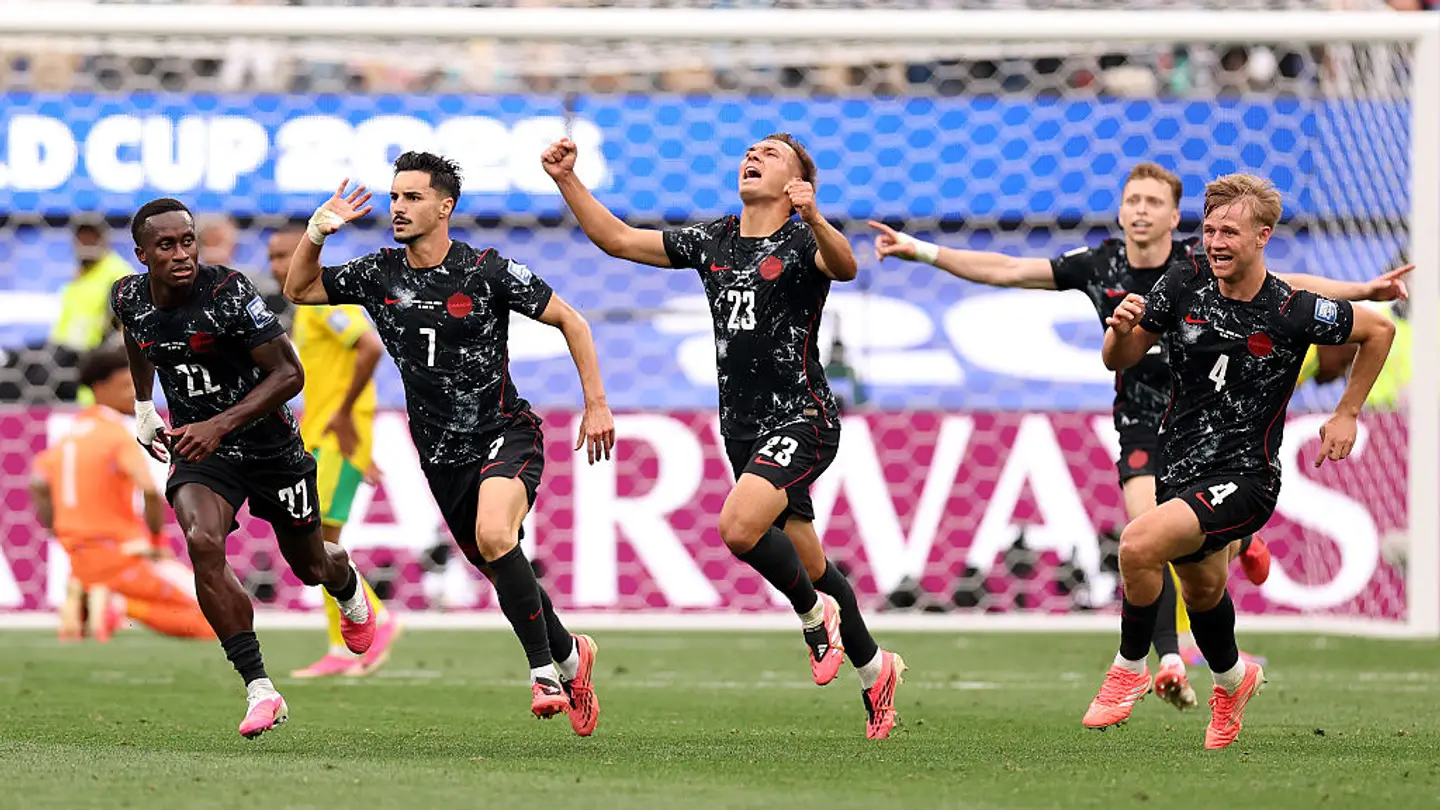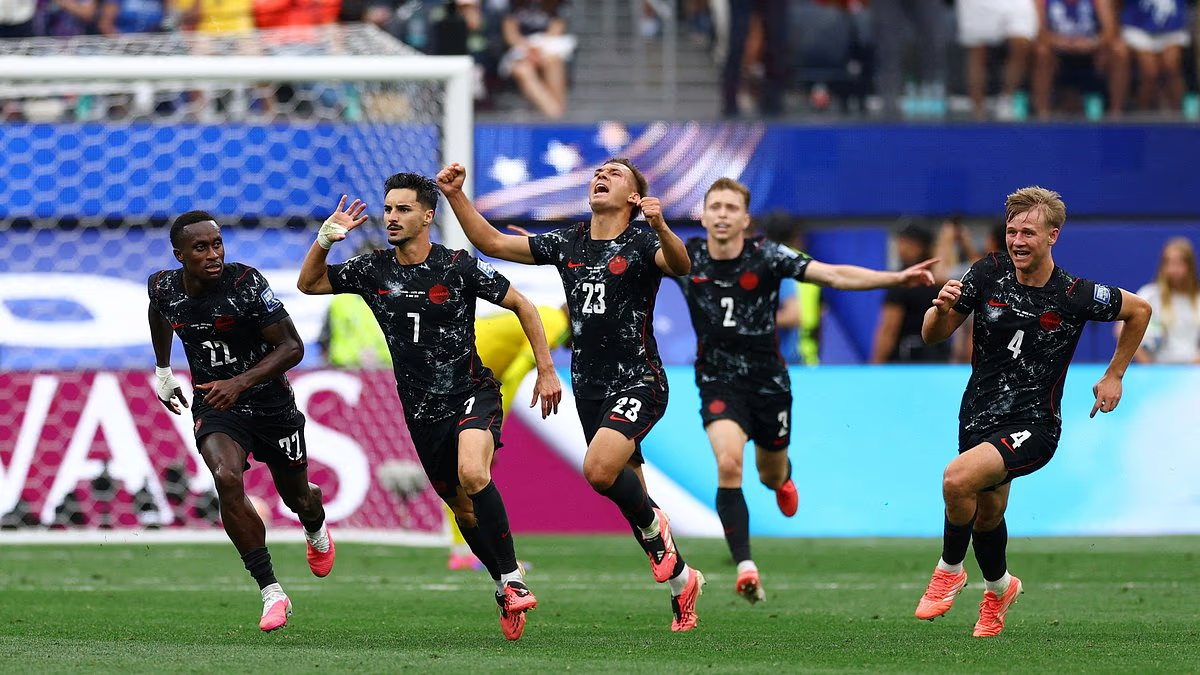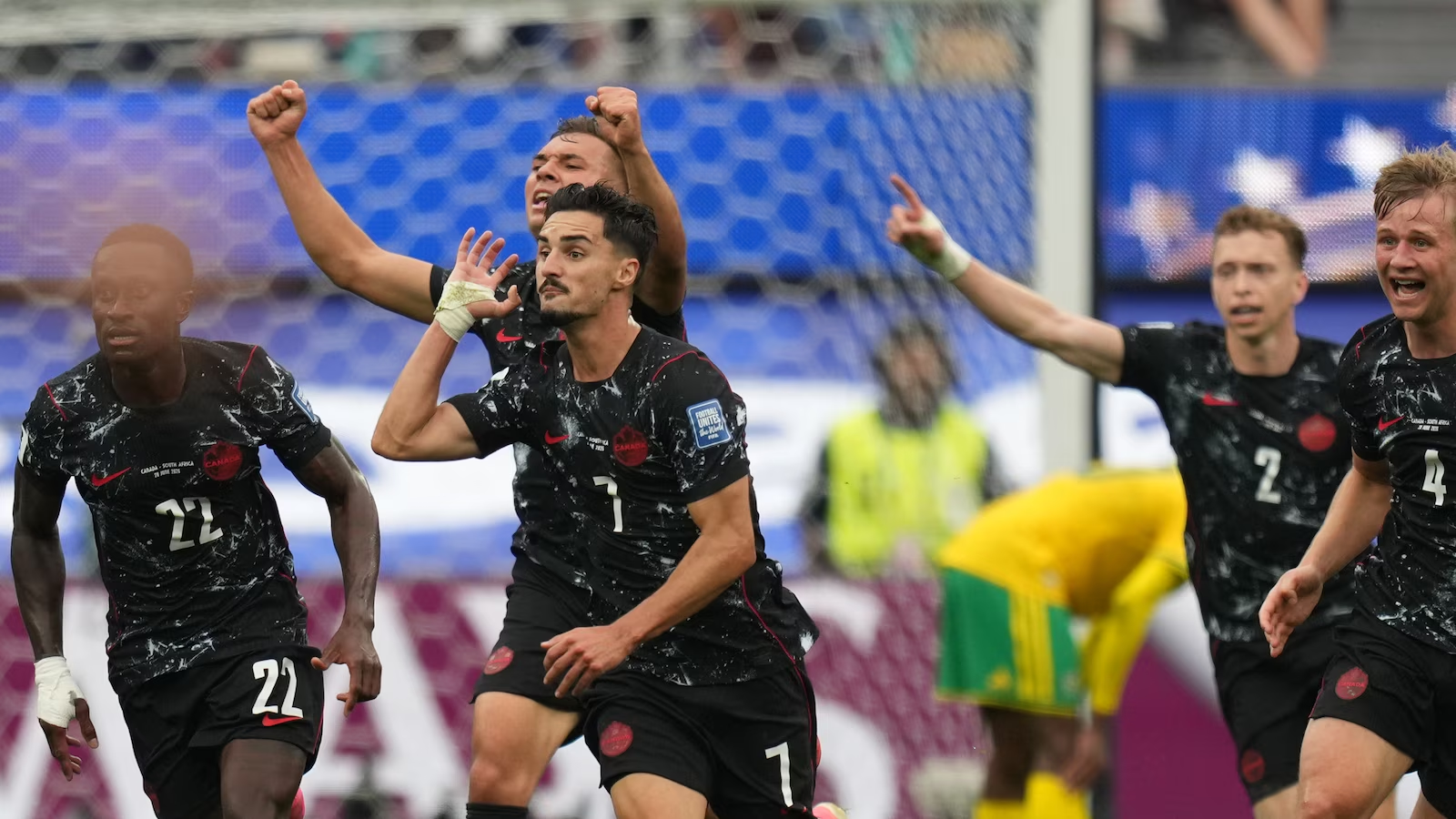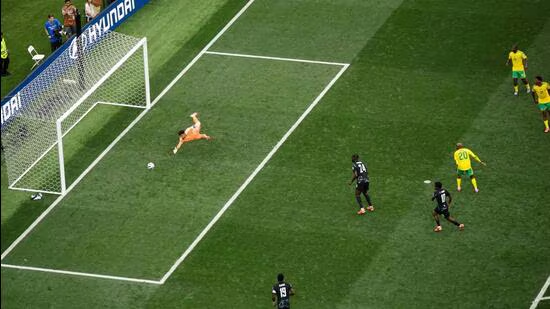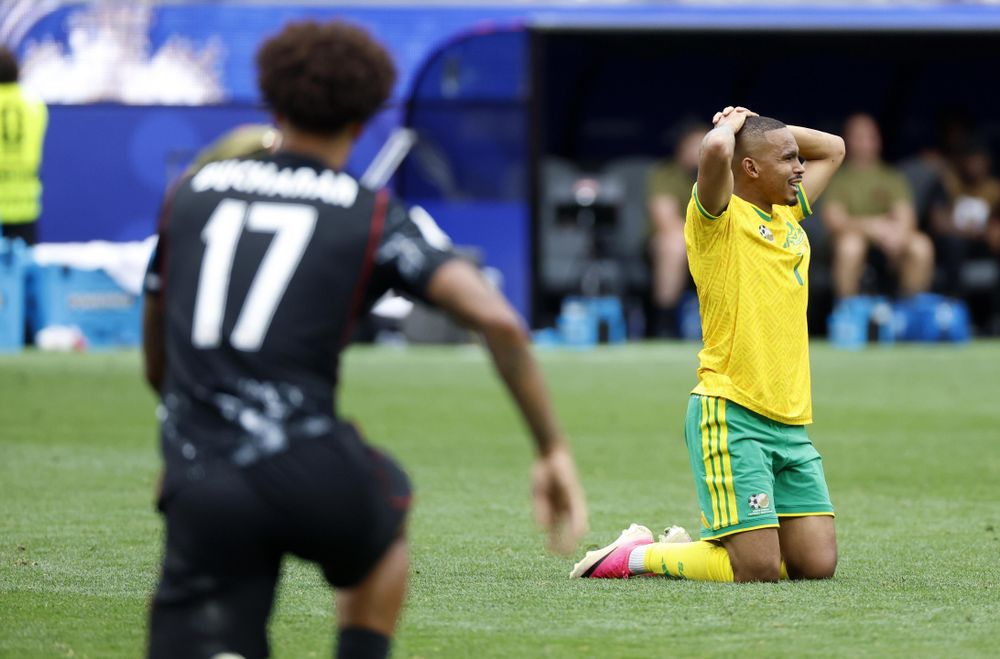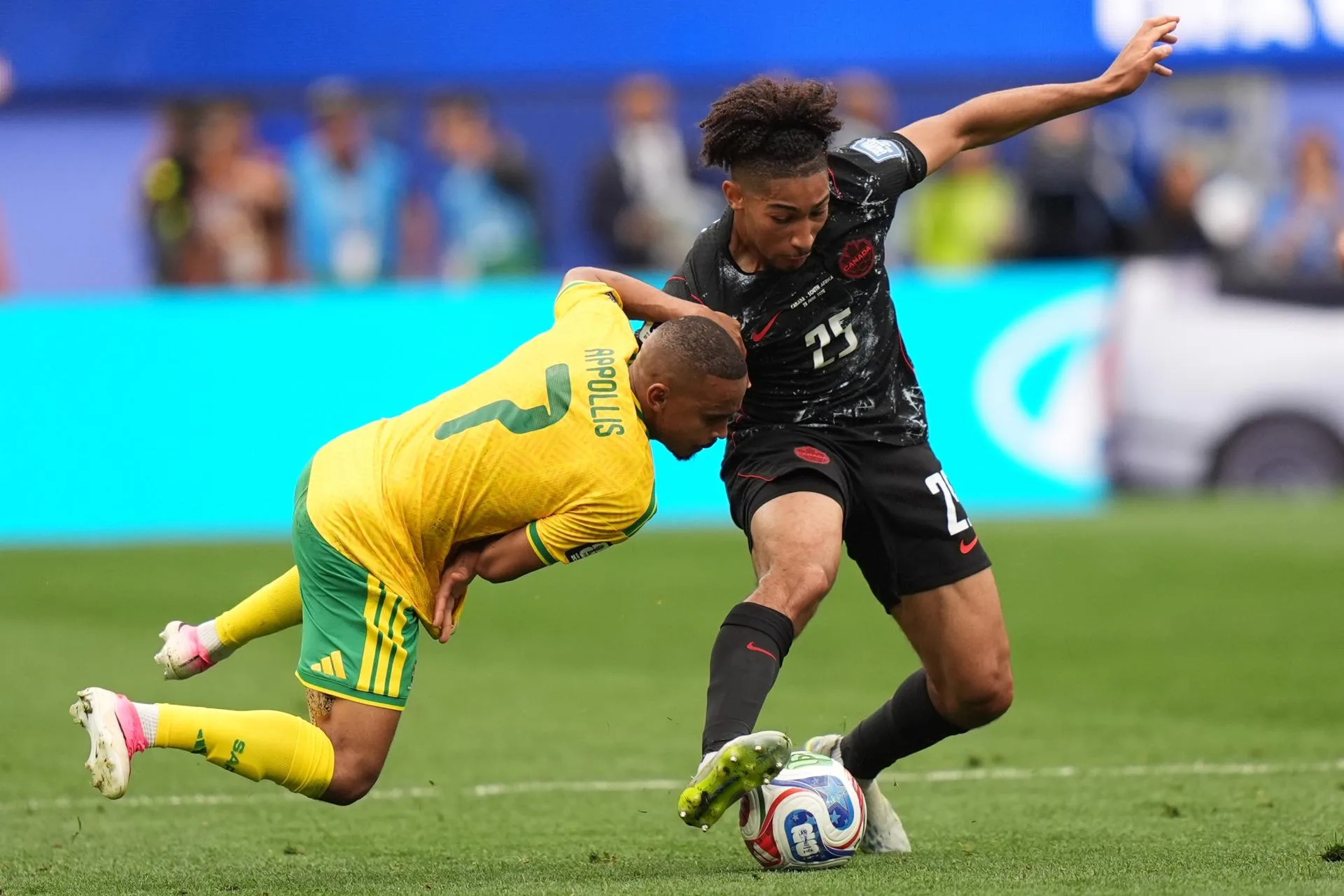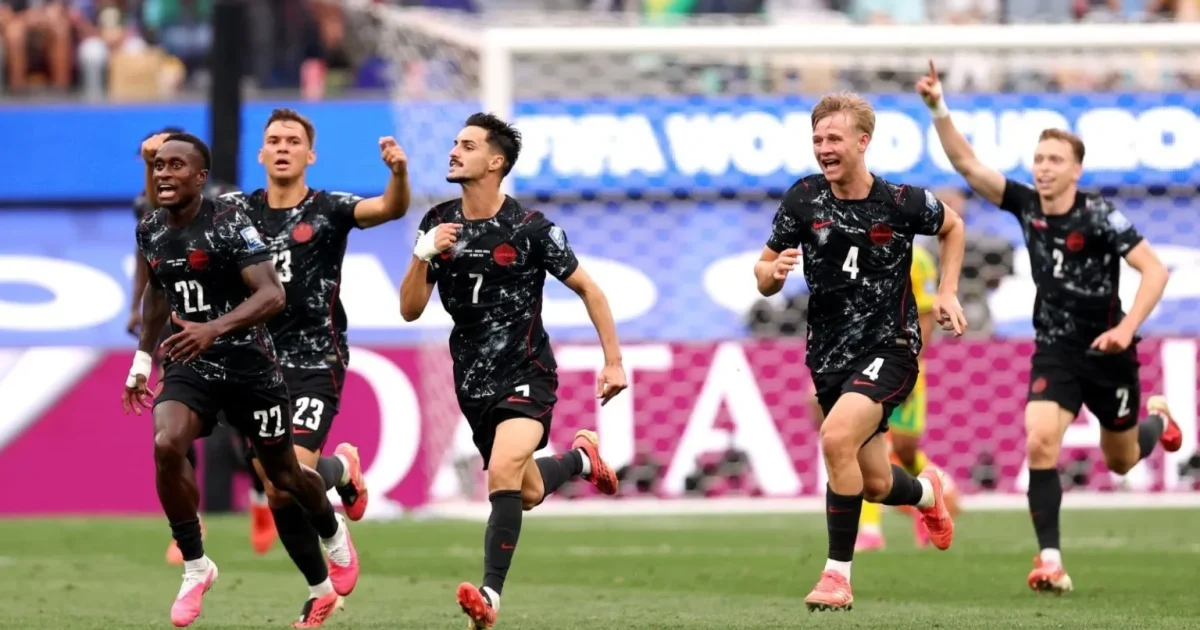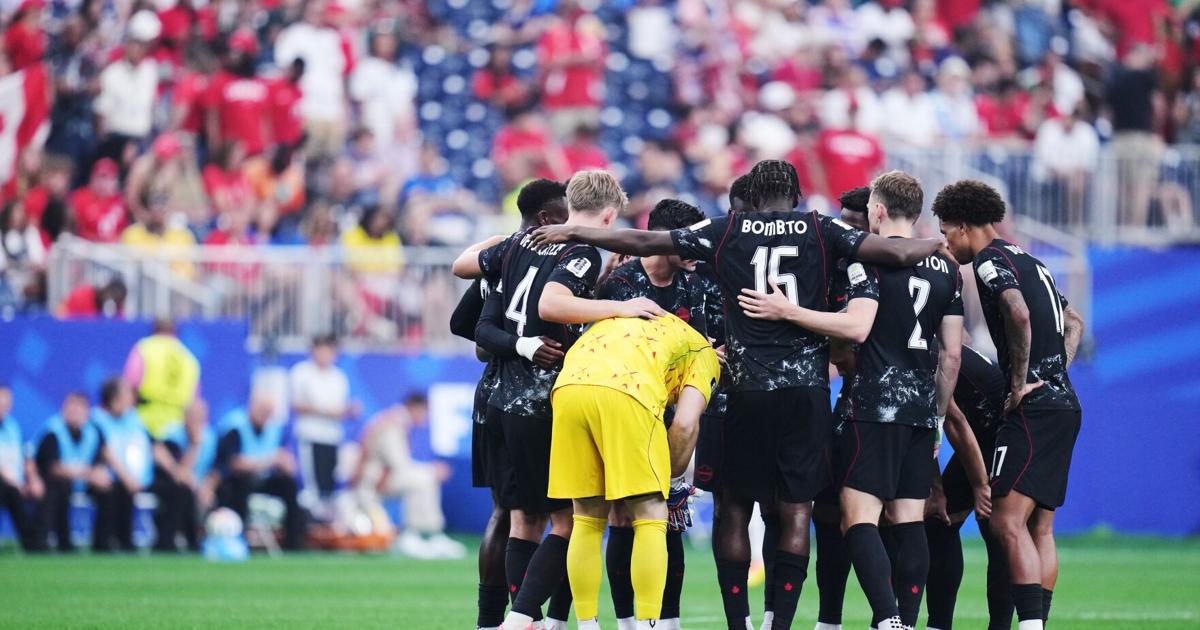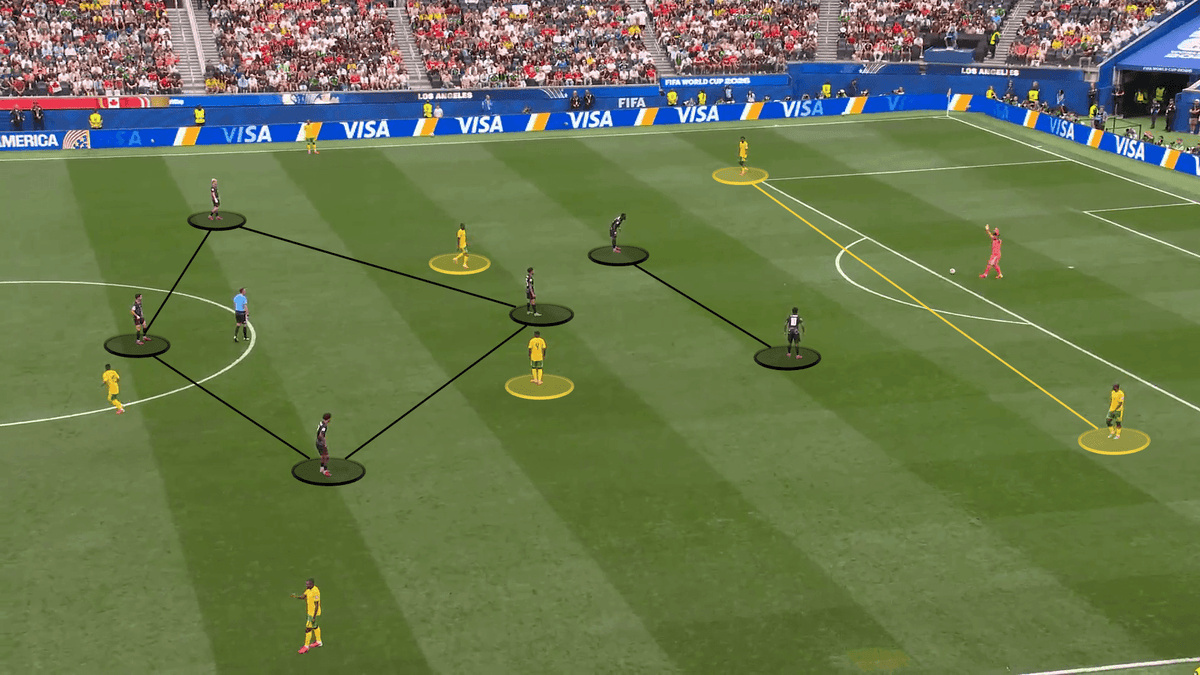
This whole World Cup for Canada and Jesse Marsch was about breaking records: earning their first point on the global stage, then a debut win, and making it out of the groups.Now, with a 1-0 win over South Africa in the round of 32, they are into uncharted territory and have a knockout win at a men’s World Cup.What do they owe it to? The 92 touches and 85 passes by South Africa’s Ronwen Williams, the most by a goalkeeper in a World Cup match since 1966 (as far back as Opta’s data goes).Fans at SoFi Stadium spent quite a bit of the match booing. Whenever Williams got the ball, he kept it, wanting to bait Canada into a press from their 4-4-2. Normally, they do not need baiting, and fans were impatient. Canada outran their three group opponents (with the caveat that Qatar had two players sent off) and won more second balls, according to FIFA’s data.“It should feel like hell to play against us,” assistant coach Ewan Sharp told The Athletic in a pre-tournament podcast. They spent more time pressing high than sitting deep in those group matches, which had the benefit of being on home soil — their win against South Africa was the first time a team has played abroad in a World Cup they have hosted.“Trying to tilt things in our favour” was something Marsch stressed as important in the pre-match press conference. “We’re going to be very aggressive, in the beginning of the Switzerland game (final group-stage match), we weren’t aggressive enough, with the ball and without it,” he said.Just like with how Marsch had talked up Alphonso Davies’ availability for the Switzerland defeat, he was bluffing. It was a high block, not a high press. Setting traps was preferred to a full-court smother. South Africa played 550 passes, and almost one-fifth were between Williams and his two centre-backs, Ime Okon and Mbekezeli Mbokazi.Here’s how Canada looked most of the time. Strike partners Jonathan David and Tani Oluwaseyi stayed deep, and the midfield four became a diamond with Nathan Saliba at the top.The Canada back four dropped off quickly, deeper than the halfway line, enticing long balls from Williams and the centre-backs. Many of these were poorly executed, and Canada won 22 of 32 aerial duels (just over two-thirds), preventing South Africa from creating chances through flick-ons — centre-back Derek Cornelius won five of eight aerial duels.Marsch had his side defend with coordinated jumps up the pitch. When a striker or wide midfielder stepped towards a South Africa defender, another Canadian was following up behind to cover who the pressing player had just been marking.There was a great steal from Saliba in the first half that showed their focus. He read the pass from Teboho Mokoena, as the midfielder dropped to receive the ball off Williams and immediately hit a forward pass, hoping to catch Canada out. When Saliba nipped in, Jonathan David and Tajon Buchanan immediately became runners beyond the ball, a trademark of this team under Marsch. The move ended with an Oluwaseyi shot from a tight angle.Canada made it a turgid game and frustrated their opponents. There were a couple of instances where Williams and his centre-backs used the time and space available to pick passes over the press and into midfield, finding a spare midfielder — because Canada were in that diamond shape and Stephen Eustaquio, the man who scored the winner in second-half stoppage time, was one-v-two against South Africa’s central midfielders.By the end of the first half, Williams had pushed most of his outfielders up and onto the last line and had resorted to long balls.This continued throughout the second half, including right from kick-off when South Africa played back to their goalkeeper.
How Canada claimed historic win – by letting South Africa’s goalkeeper have the ball
Canada pressed high and aggressively during the group stage, but sitting back was what helped them win in Los Angeles
1,003 words~5 min read