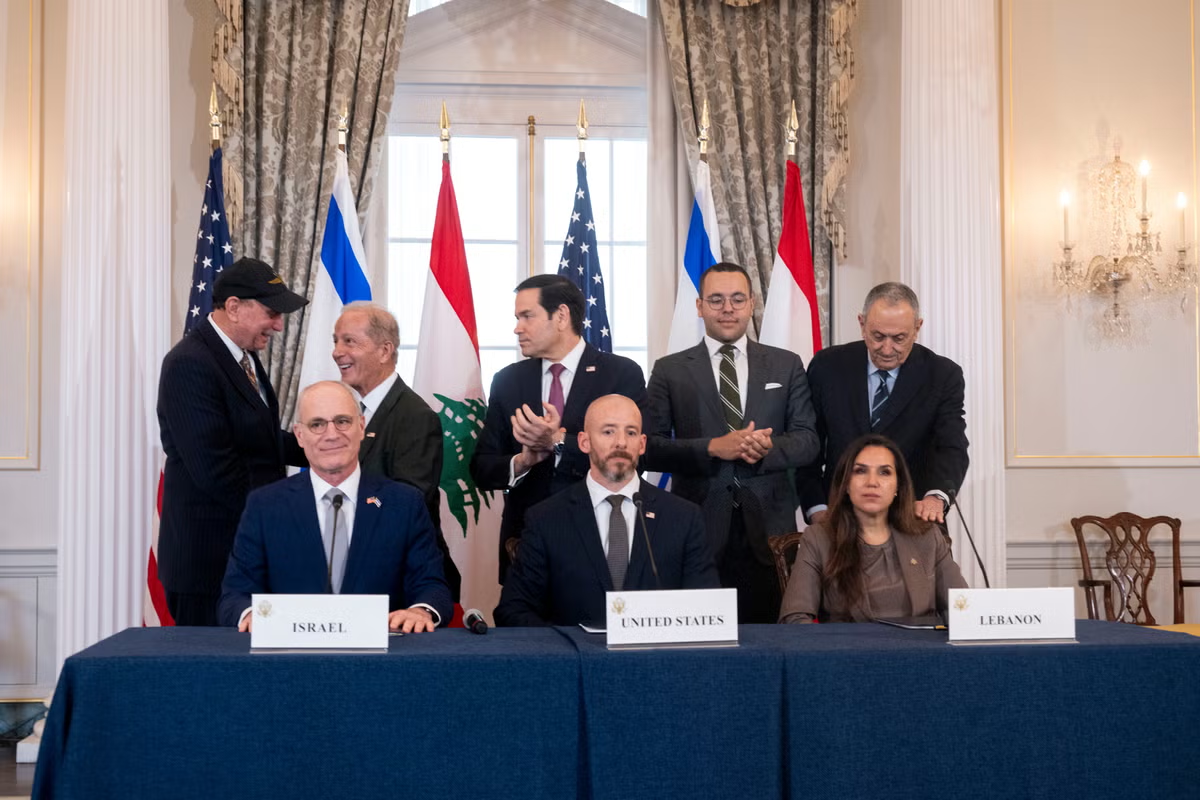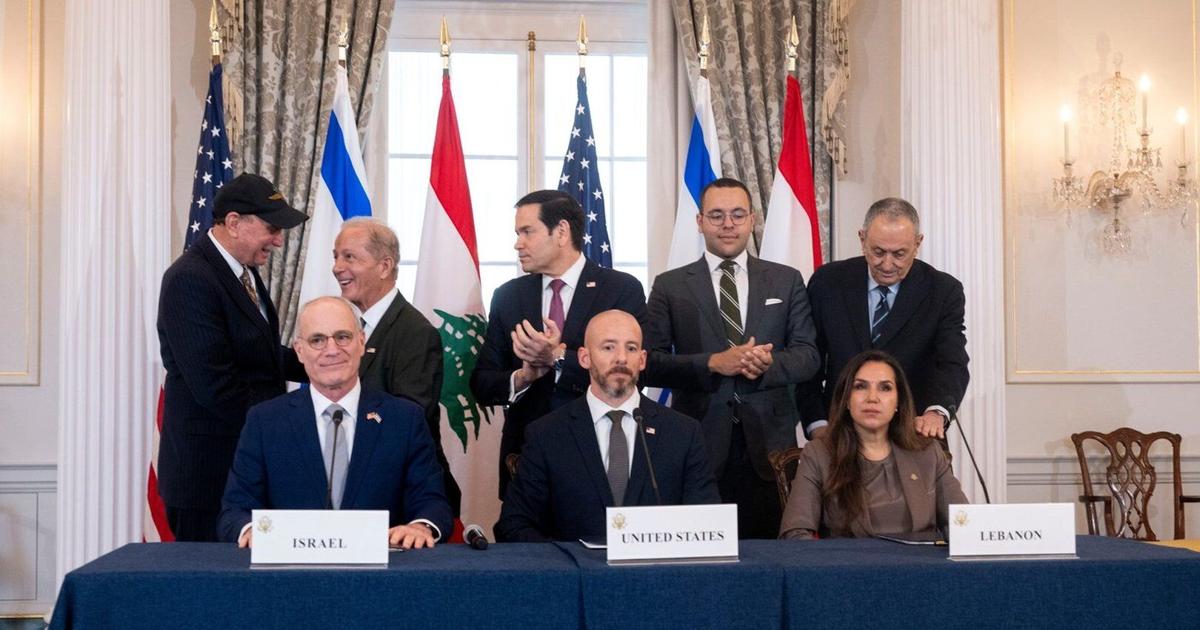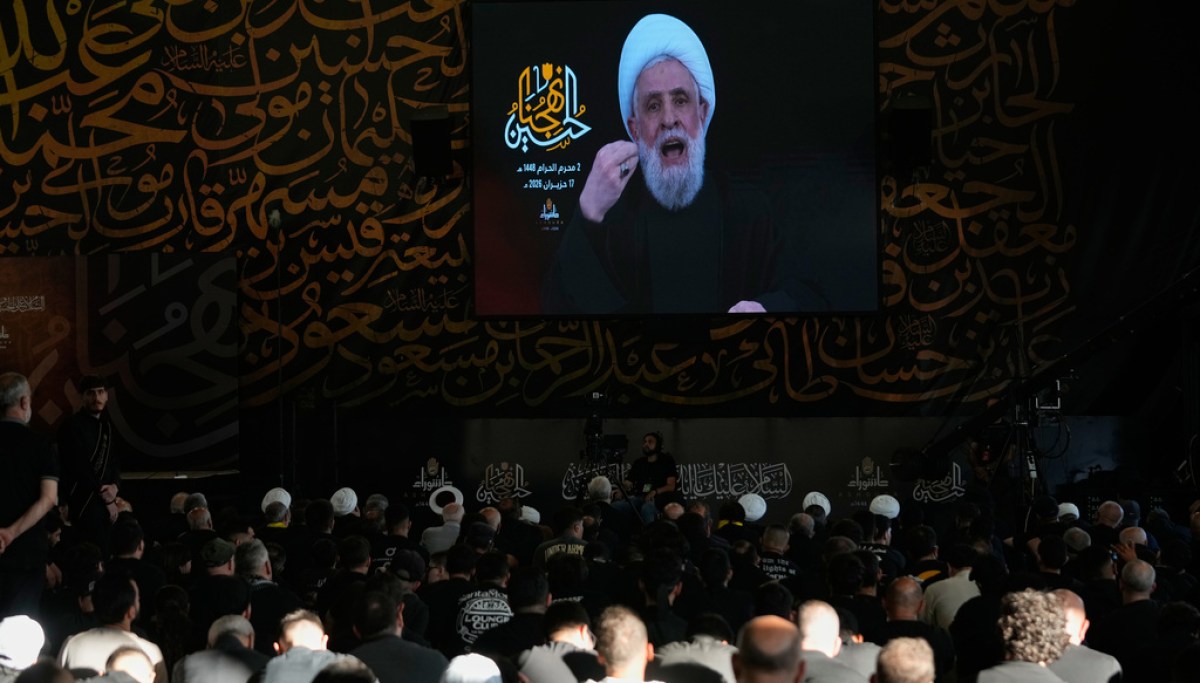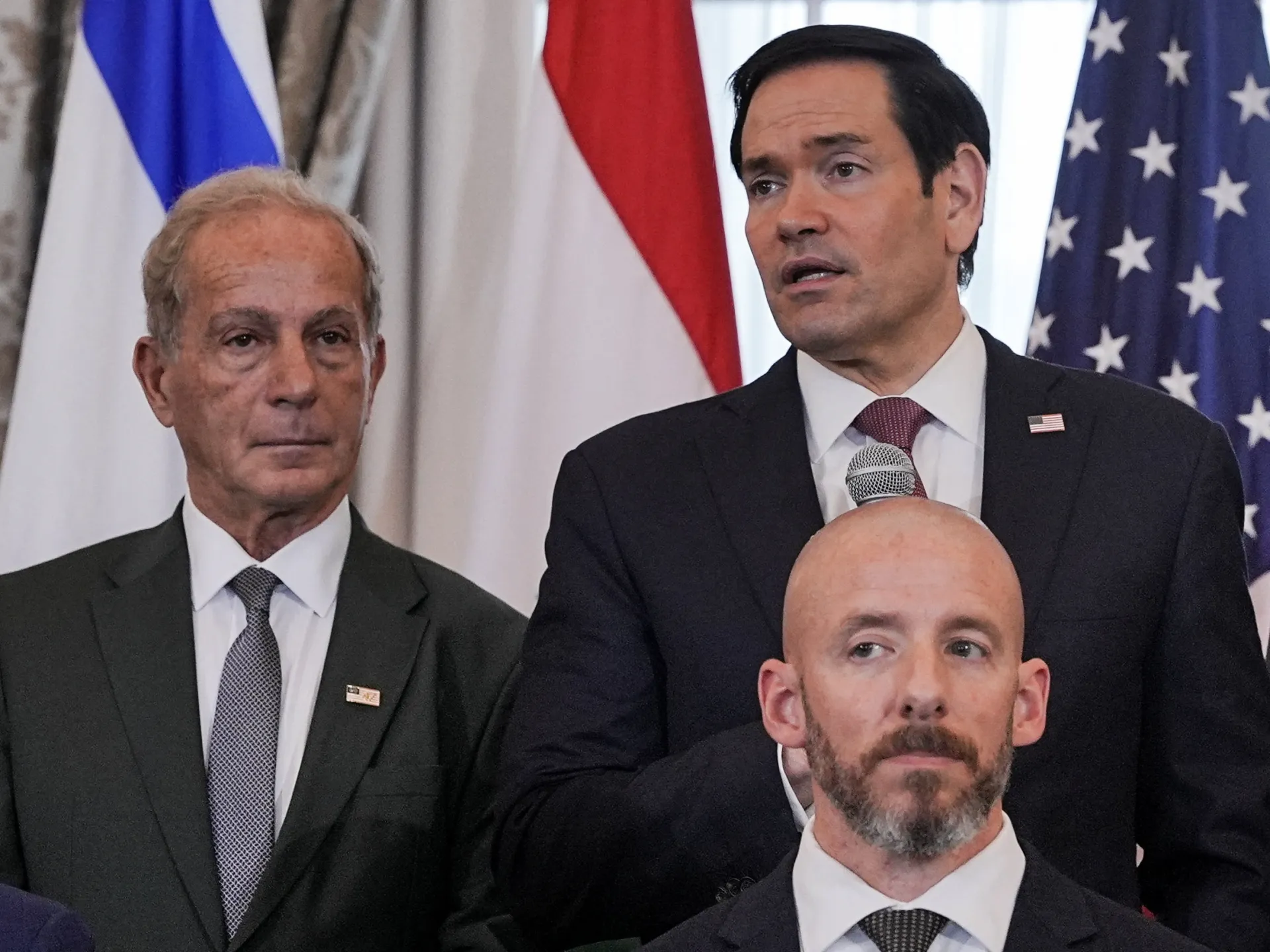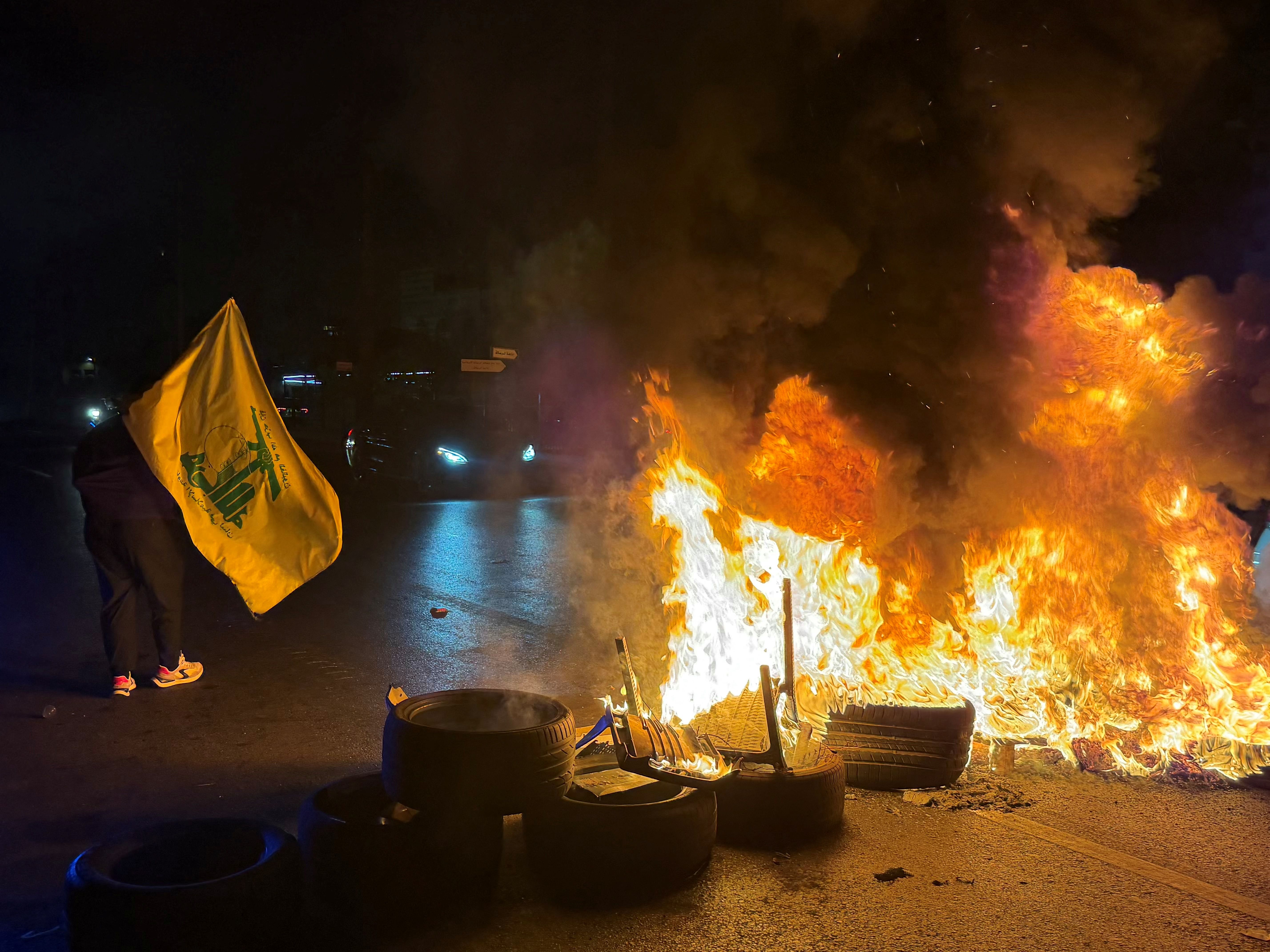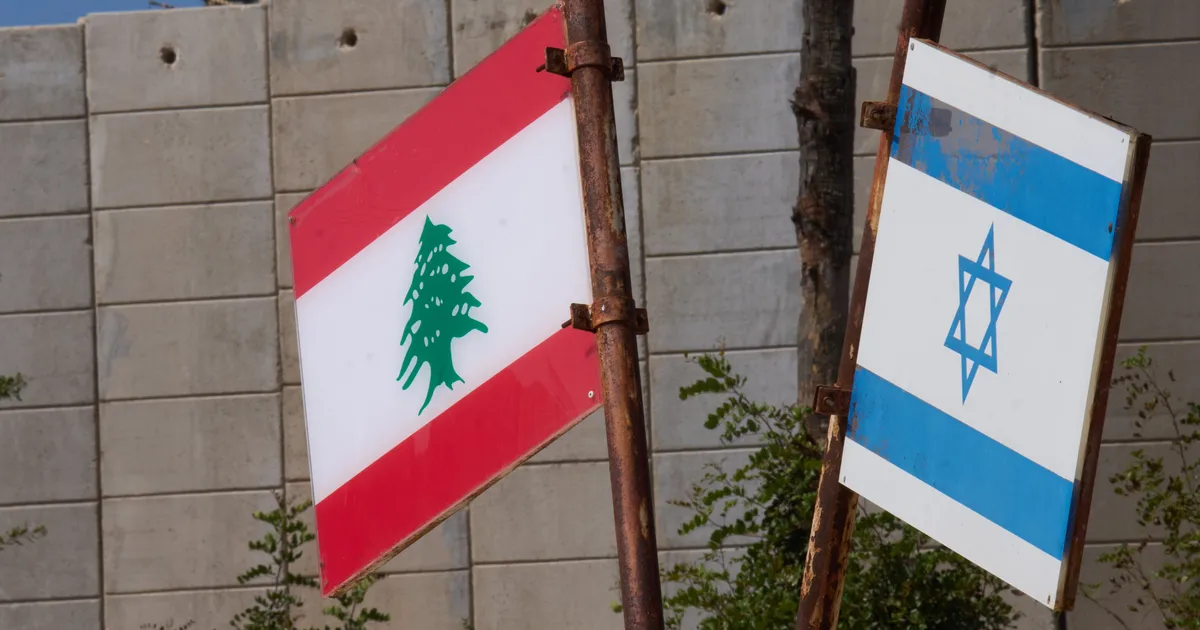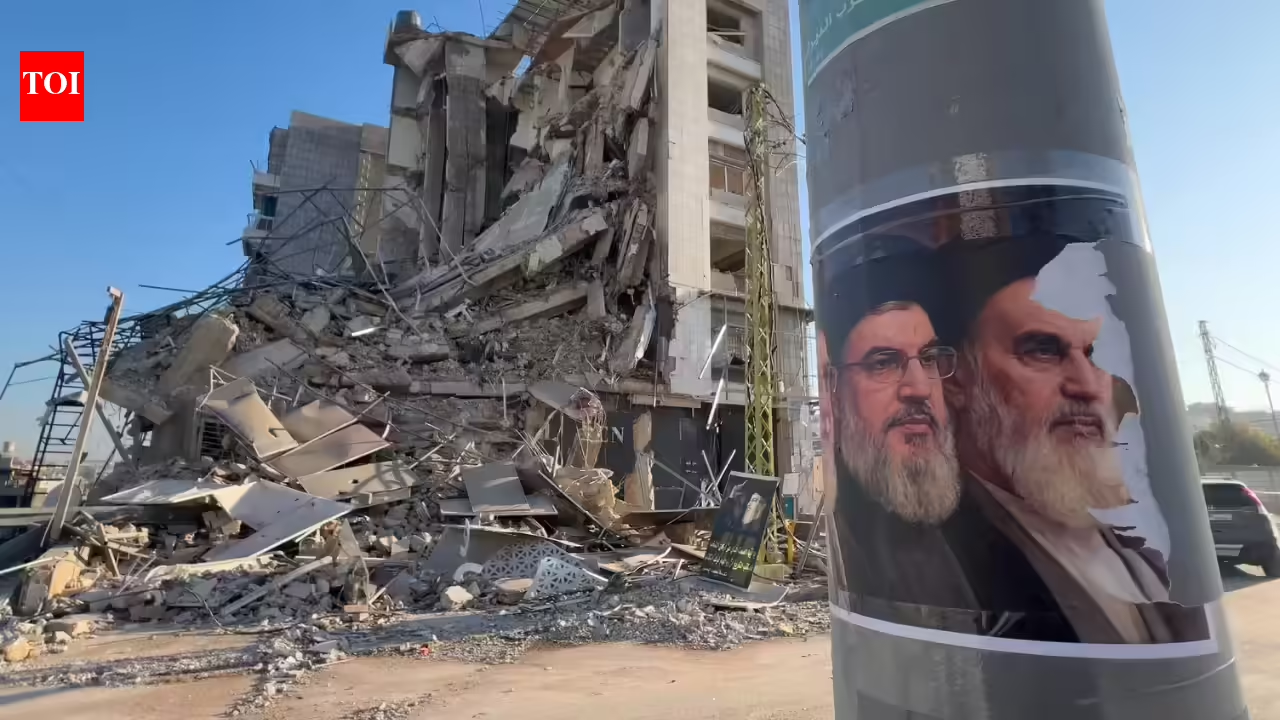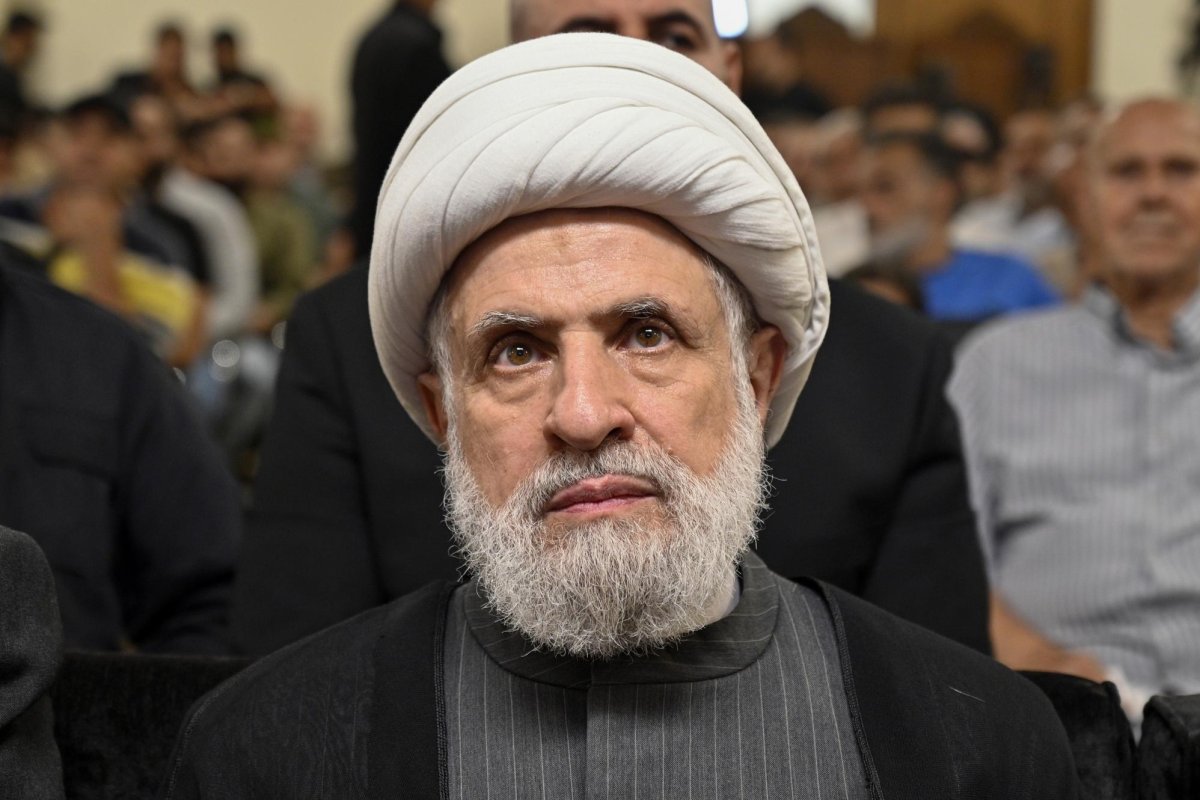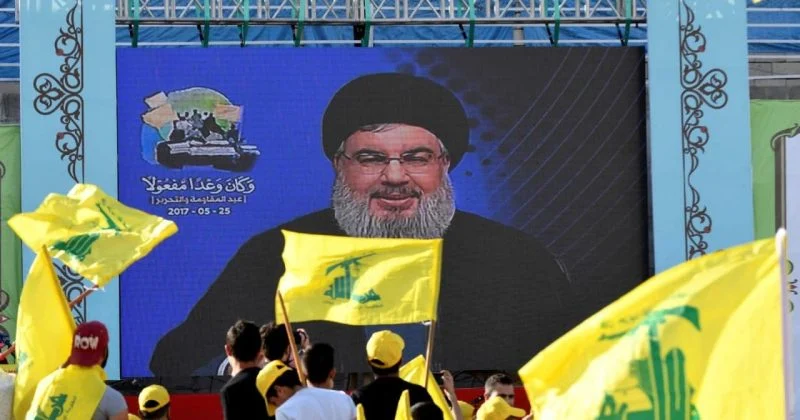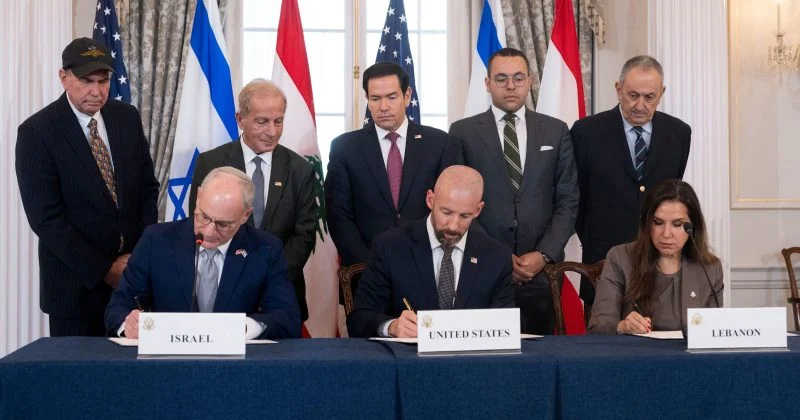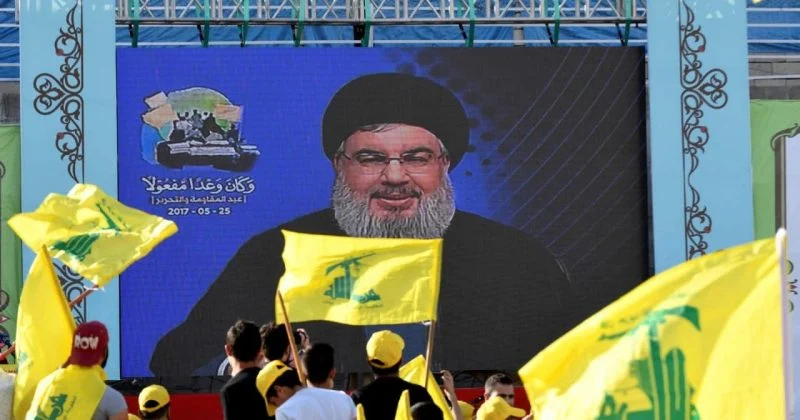
Hezbollah’s rejection of the disarmament provision in the newly signed Israel-Lebanon framework agreement poses a significant challenge to the diplomatic progress envisioned by the U.S.-backed initiative. The framework, which was formalized on June 26, 2026, aimed to link the withdrawal of Israeli Defense Forces from Lebanese territory with the disarmament of non-state armed groups such as Hezbollah. However, Hezbollah has labeled the agreement “null and void,” insisting that it will not disarm. This development suggests that the group’s stance will likely complicate efforts to achieve a diplomatic resolution and may prolong existing hostilities between Israel and Lebanon.
Markets appear to interpret Hezbollah’s firm rejection as a considerable setback for the prospects of a diplomatic meeting between Israel and Lebanon by the upcoming deadlines. This resistance to disarmament could indicate continued military presence and activity in the region, thereby reducing the likelihood of a peace deal being reached soon. Consequently, market pricing reflects decreased confidence in achieving a diplomatic breakthrough or a permanent peace agreement in the near term.
The prediction market for an Israel-Hezbollah permanent peace deal by June 30, 2026, currently shows a 1.1% likelihood of resolution as YES, a drop from 2% just 24 hours ago. As market participants digest recent developments, the July 31, 2026 sub-market shows slightly higher odds at 6.5% YES, yet still denotes significant uncertainty.