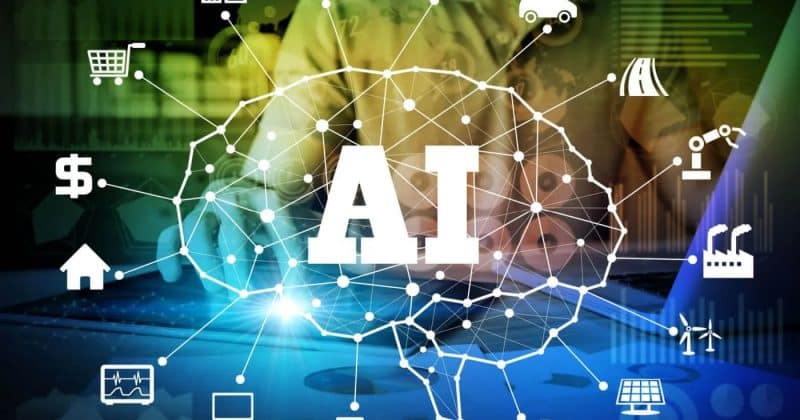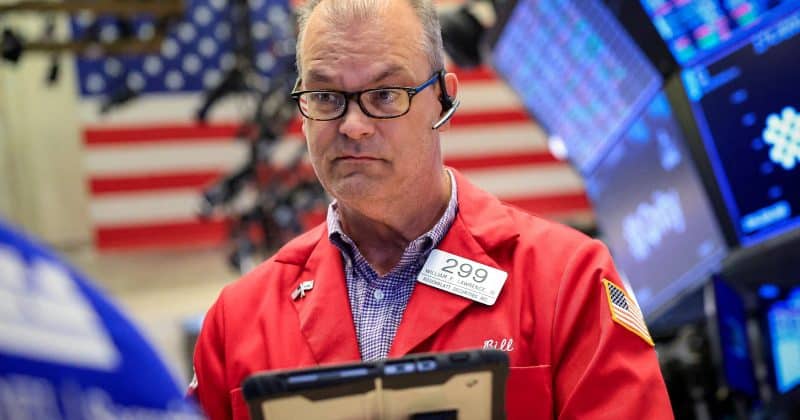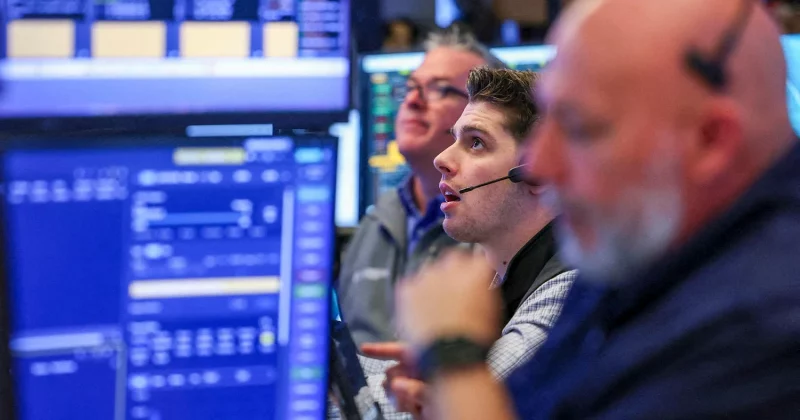
The two forces that propelled US stocks higher over the past two years are now conspiring against them. Rising interest rates and growing doubts about the durability of the AI trade are creating a volatile cocktail that investors will need to navigate carefully through the back half of 2026.
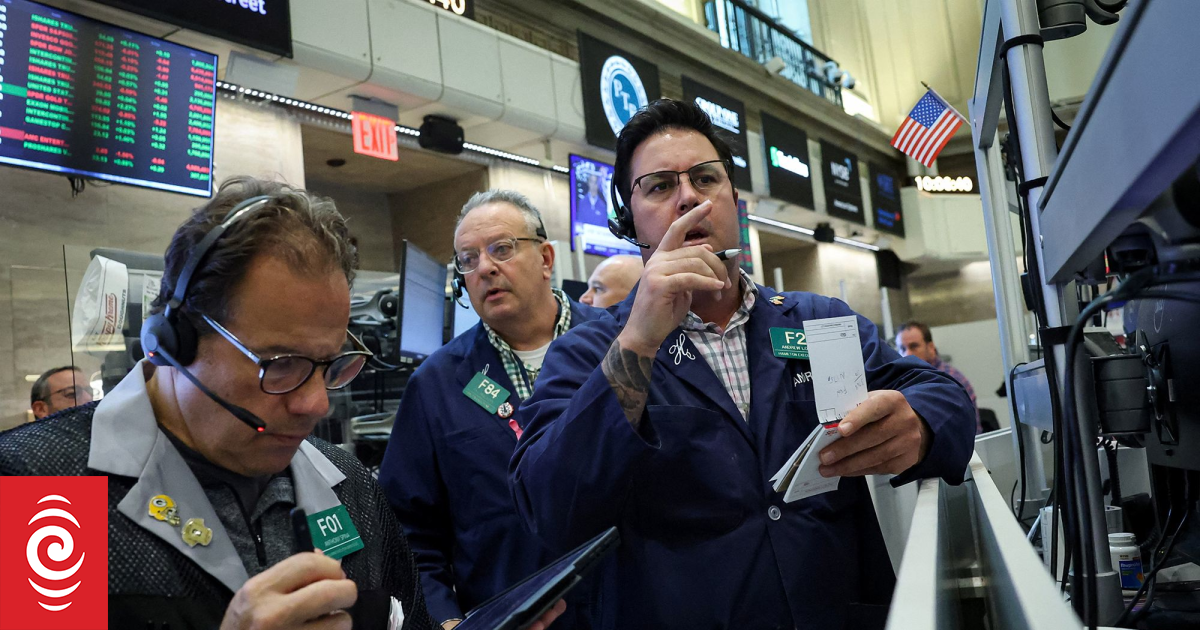
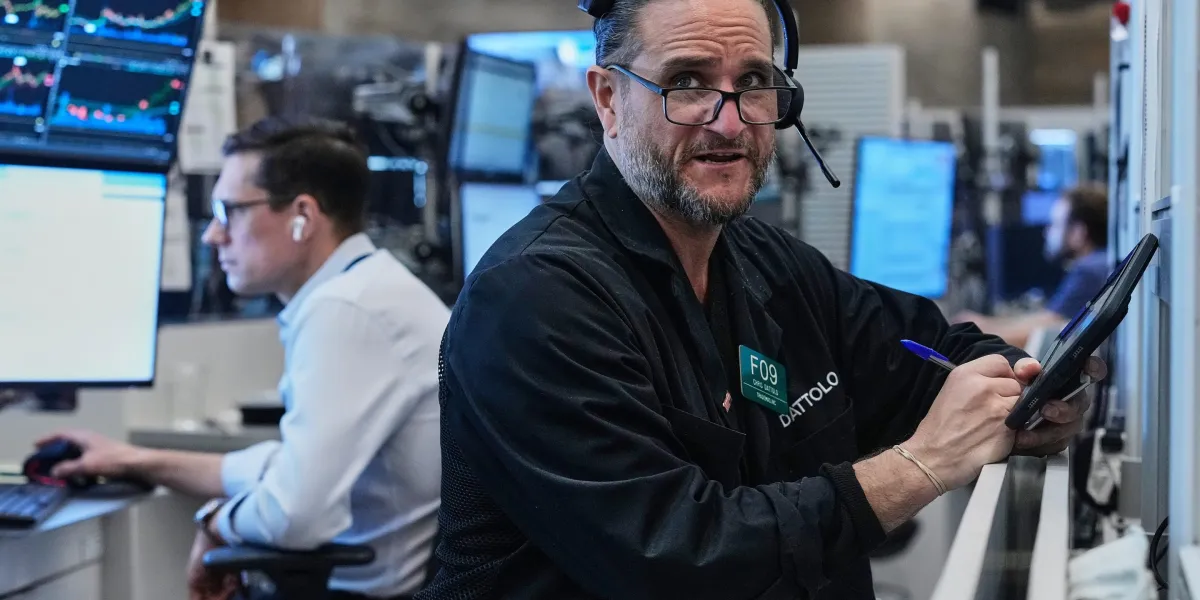
On June 5, the Nasdaq Composite dropped 4%, its worst single-session decline since April 2025. The S&P 500 fell 2.6%, and the Dow Jones Industrial Average shed 1.35%. Chipmakers led the selloff, dragged down by fears that the massive capital expenditures fueling AI infrastructure might not pay off fast enough in a higher-rate environment.
Hot jobs data lit the fuse
The catalyst was deceptively simple. May 2026 jobs data showed the US economy added 172,000 positions, nearly double what analysts had forecast. Stronger employment figures elevated expectations that the Federal Reserve will continue raising interest rates into the latter half of 2026. The 10-year Treasury yield spiked to 4.532% on the same day, a level that meaningfully increases borrowing costs for companies financing ambitious AI buildouts with debt.
The concentration problem