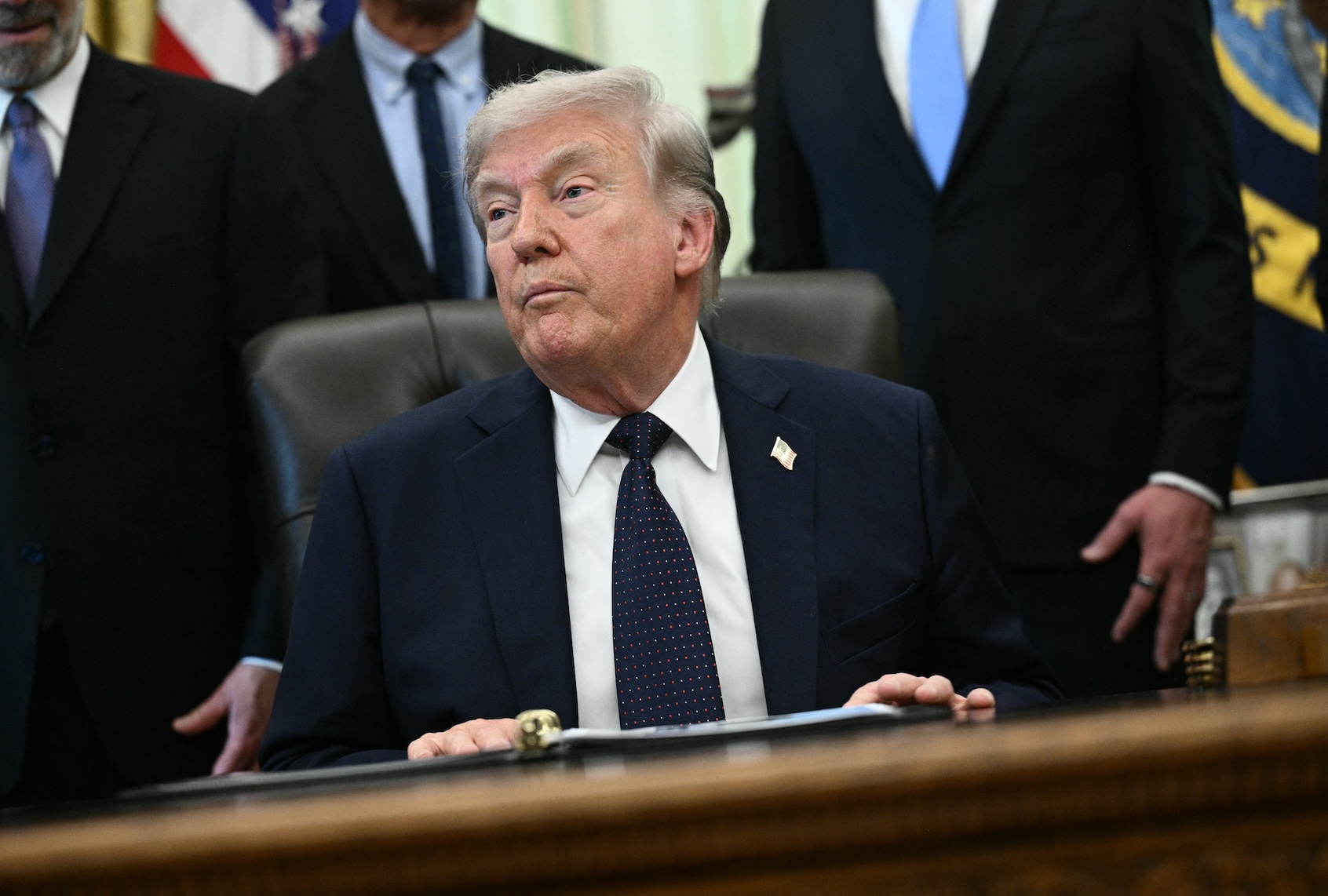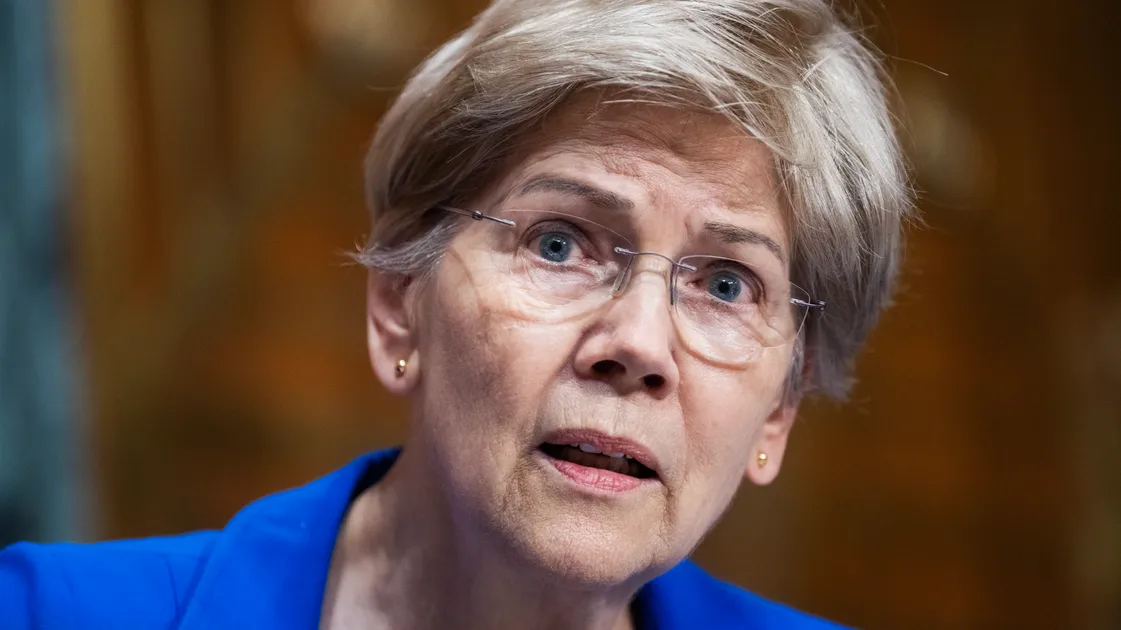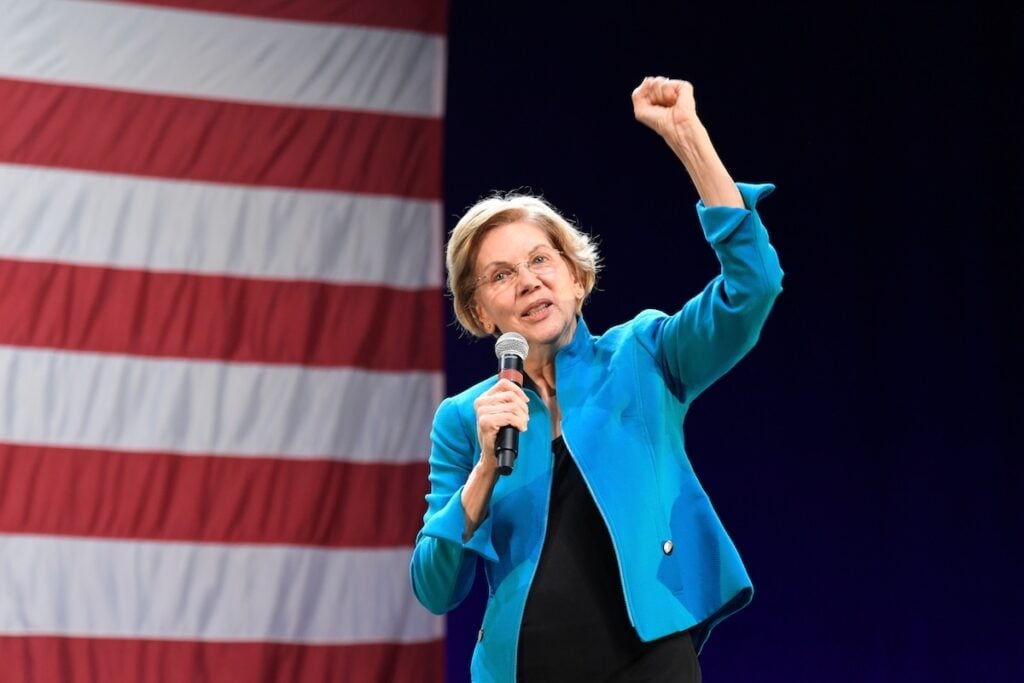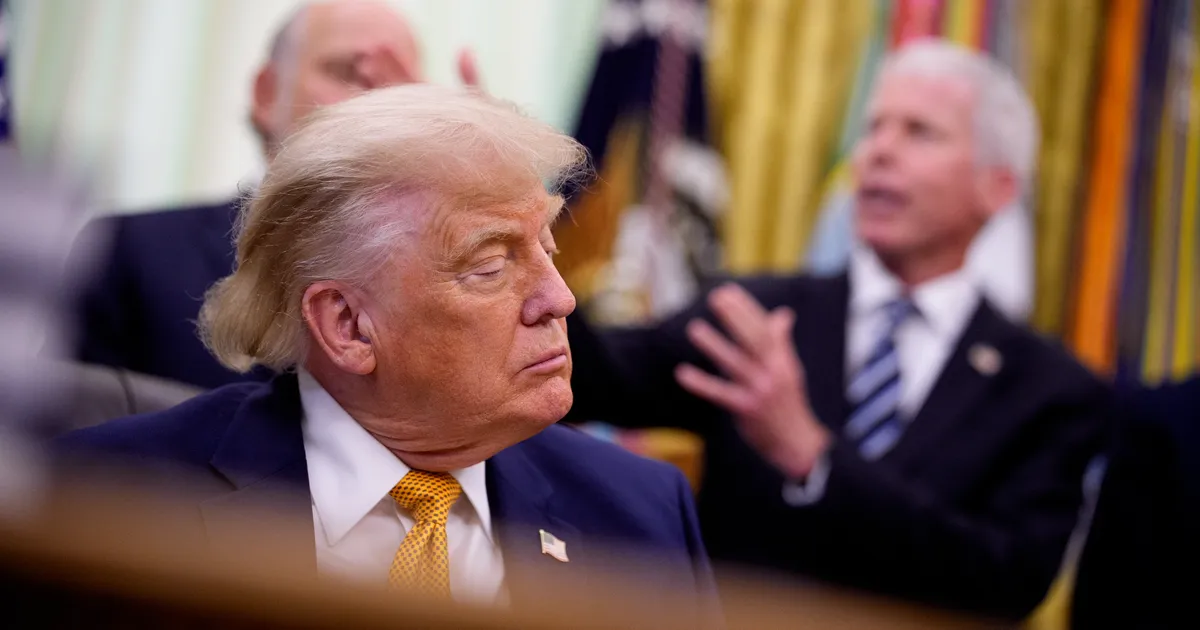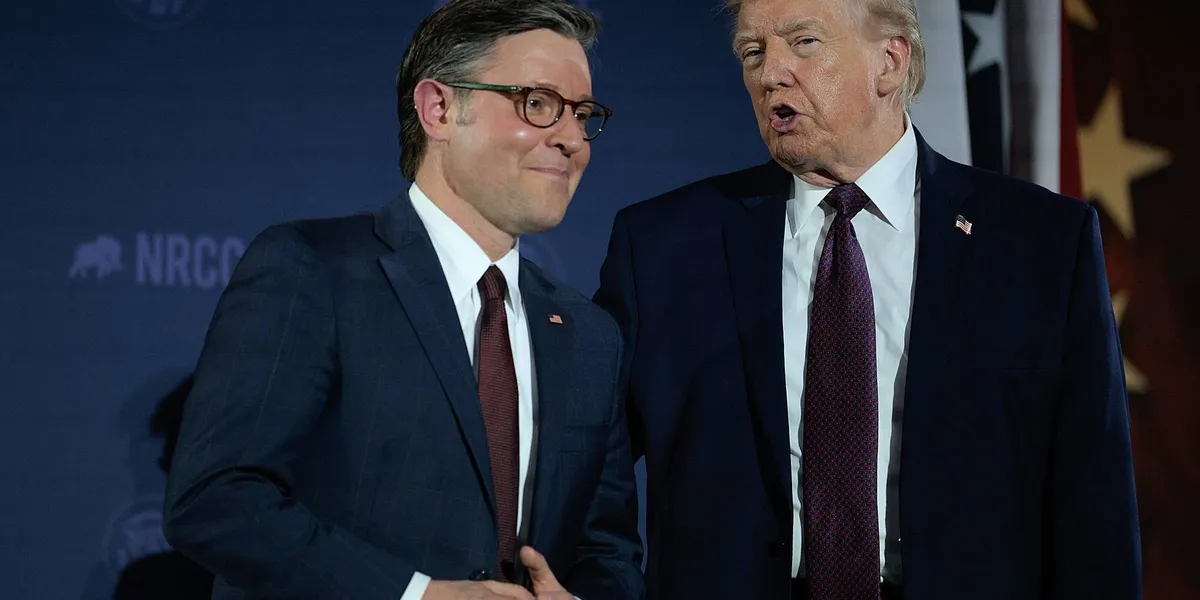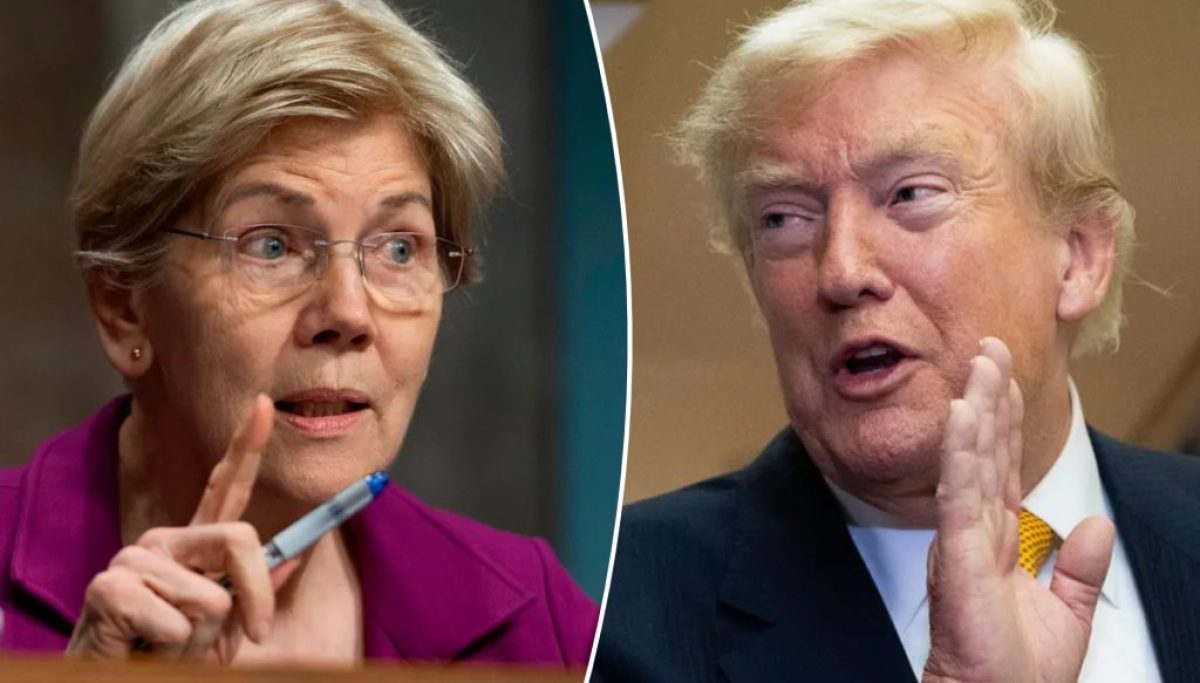
In a speech at the National Press Club in January, Senator Elizabeth Warren, the Massachusetts Democrat, criticized Donald Trump for not doing enough to tackle affordability. He had recently posted a social-media message calling for a ten-per-cent limit on the interest rates that credit-card companies charge; if the President really wanted to get things done, Warren said, he would pick up the phone and use his leverage on Capitol Hill to get a bill passed. Later that day, Trump phoned Warren. According to a White House official, they “had a productive call about credit-card interest rates and housing affordability.”The idea of capping credit-card fees didn’t go anywhere, but Trump subsequently threw out another populist proposal: preventing Wall Street investment firms, such as private-equity firms and hedge funds, from competing with ordinary home buyers to acquire residential real estate. In late January, he signed an executive order that instructed government agencies, including the mortgage giants Fannie Mae and Freddie Mac, not to approve or facilitate deals in which institutional investors purchased single-family homes. “People live in homes, not corporations,” the executive order said. Trump appeared to be making common ground with progressive Democrats like Warren and the Oregon Democrat Jeff Merkley, who, the following month, unveiled a housing bill that sharply limited the ability of private-equity companies to access tax breaks and other programs designed to support the housing market. The goal of the bill was to “stop Wall Street from snapping up homes in bulk and jacking up rent for families,” Warren said at the time.The claim that private-equity companies are largely responsible for rising housing costs is hotly contested, especially when it comes to single-family homes. Large investors have undoubtedly been buying residential real estate in many parts of the country, and in some neighborhoods this investment may well be driving up prices and rents. But according to a recent analysis, the majority of investor-owned single-family homes belong to small investors, such as real-estate partnerships, that own fewer than ten properties. Many economists attribute the sharp rise in housing costs during the past decade and a half primarily to an acute shortage of supply that is linked to other factors, such as the scarring effects of the Great Recession of 2007-09, zoning restrictions, difficulties in getting access to credit, and rising prices of construction.Still, the public anger over the lack of affordable housing is palpable, and the Warren-Merkley bill was only one remedial measure circulating on Capitol Hill, where lawmakers from both parties were keen to enact some sort of legislation in advance of the midterms. Earlier this year, the House and Senate passed separate housing bills, but it remained far from clear that they could agree on a unified package. At the start of last week, however, the two chambers did pass, with overwhelming support, a lengthy piece of legislation, the 21st Century ROAD to Housing Act. The bill has a provision that bans institutional investors from buying more than three hundred and fifty single-family homes, and it contains a variety of measures designed to expand the housing supply. These include streamlining federal environmental reviews, easing design restrictions on modular homes, and increasing federal financial support for localities and housing associations that build affordable units.Although the bill seemed unlikely to have much immediate impact on the housing crisis, affordable-housing advocates and business groups alike said that it could have a significant impact over the longer term. In political terms, the message would be sent to voters that Washington isn’t oblivious to their concerns. In a joint statement, Warren and the Republican Senator Tim Scott, who is head of the Senate Banking Committee, said that the legislation reflected “years of work and priorities from the White House, Senate, and House.” All that was left was for Trump to sign it into law, which didn’t seem much of a stretch. A couple of weeks ago, he issued an official proclamation in which he declared June to be “National Homeownership Month” and called on Congress to pass the housing bill, which he described as “the most comprehensive and consequential housing legislation in the history of our country.”Last Wednesday morning, as some people connected with the housing bill were preparing for a signing ceremony and press conference, Trump posted a message on Truth Social saying that he was cancelling both events. If it had been any other politician, this action would have been inexplicable. Although Mike Johnson, the Speaker of the House, stuck to his servile posture of never publicly criticizing the President for anything, it was clear that he and other congressional Republicans were blindsided. Trump’s stated reason for refusing to sign was that he first wanted Congress to pass another piece of legislation, the SAVE America Act, which would introduce new requirements for voter identification and limit mail-in ballots. But that bill has been in limbo for months: passing it would require sixty votes in the Senate, and the Republicans have only fifty-three. There was evidently more to Trump’s “tantrum,” which is what Warren called it.The larger context is that the President seems to be losing the plot. This year, he’s been confronted by a series of political setbacks and disasters—the Supreme Court striking down his blanket tariffs; widespread revulsion at ICE’s actions in Minnesota and elsewhere; a furor over the delayed release of the Epstein files; an ill-conceived war in the Middle East that caused gas prices to surge; and, lately, an algae-infested reflecting pool, which sends the message that he’s not even an effective builder. The obvious response to Trump’s woes—one that some of his aides have been urging upon him since last year—is to focus relentlessly on the issue that got him reëlected: the affordability crisis. As he demonstrated last week, when he accused Big Oil companies of “gouging” consumers by not cutting gasoline prices commensurately with the fall in the price of crude oil, he retains some populist instincts. But consistency and focus seem to be beyond him. In December, he dismissed the term “the affordability crisis” as a Democratic “hoax.” Earlier this month, when the Labor Department announced that inflation had risen to its highest level in three years, he blurted out, “I love the inflation.” In balking at signing a bipartisan bill that targeted affordability and met his own demand for restrictions on Wall Street investors, he demonstrated anew his inability to maintain a constant course and presented another gift to his political rivals. “Donald Trump is making it clear that Republicans are not committed to lowering costs for families,” Warren said in a television interview. “Thank you, Donald Trump. Here we go for the midterms.”Over the weekend, Johnson said that he would formally send the bill to the White House on Monday; once that happens, there is a ten-day deadline for Trump to sign it or issue a veto. It seems likely that he will eventually relent and put pen to paper, but the fiasco has illustrated the bind that the G.O.P. finds itself in. When Trump won the Republican nomination in 2016, some commentators described his victory as a hostile takeover of the Party. Out went what was left of country-club Republicanism; in came the Fifth Avenue insurgent and his MAGA hordes. But Trump’s days as an outsider are long behind him. Extending the corporate metaphor, the challenge facing the G.O.P. now is dealing with an entrenched C.E.O. who is unable to look beyond his own grievances. Most Americans aren’t buying the company’s products, and its stock price is sagging. But for another two and a half years, it’s stuck with a boss who often seems oblivious to customer concerns. Maybe Johnson should place a call to an executive-search consultant. ♦
Donald Trump Has Officially Lost the Plot
His refusal to sign a bipartisan affordable-housing bill demonstrates his obliviousness to the economic concerns of voters.
1,279 words~6 min read