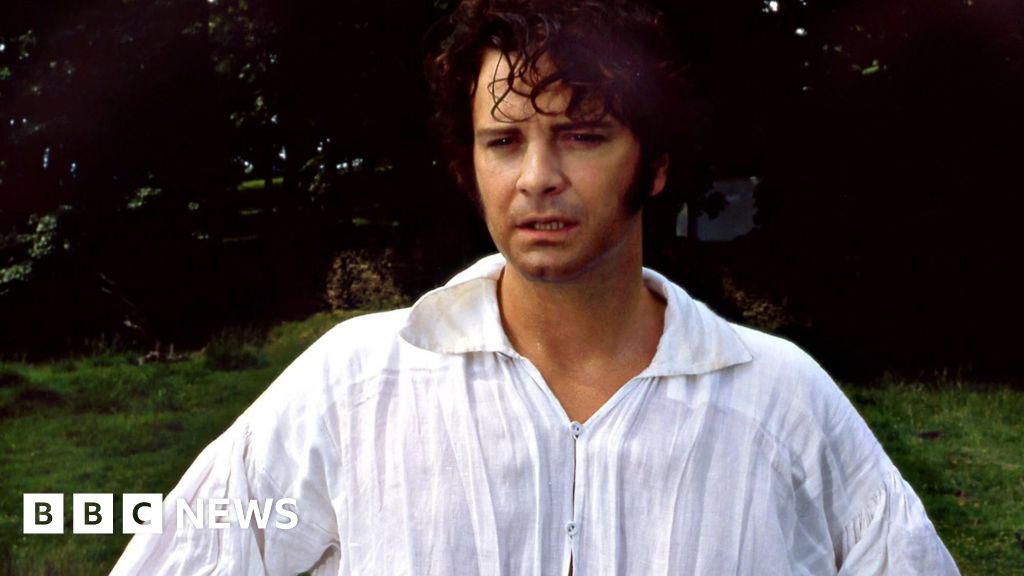
Two centuries after Jane Austen wrote him into existence, Mr. Darcy remains one of the most enduring figures in romantic fiction. The more interesting question than why we love him—that part is already well established—is what it says about us that we continue to return to a character whose most celebrated quality is his capacity to change.Article continues after advertisement
Fitzwilliam Darcy is not, at the outset of Pride and Prejudice, particularly lovable. He is proud, socially contemptuous, and delivers what must be one of the most insulting declarations of love in the English literary canon: confessing his feelings while carefully itemizing all the reasons the match is beneath him, all the ways Elizabeth Bennet and her embarrassing family have complicated his better judgment. He offers Lizzie his hand as though it were a concession. She refuses him on the spot, and readers have been applauding her ever since.
Yet this is precisely the moment that made Darcy immortal.
What separates Darcy from the parade that followed him is that his arc is genuinely moral, not merely emotional. He is not softened by love. He is corrected by it, and he chooses to be.
Austen understood something that contemporary romance still exploits, not always gracefully: we are not drawn to characters who begin worthy. We are drawn to characters who are forced to reckon with themselves. Darcy’s first proposal is a humiliation—for him, not her—and his transformation in the novel’s second half works because Austen is unsparing about what Elizabeth’s rejection actually reveals. Darcy does not change to win her back. He changes because, replaying her refusal in his mind, he comes to recognize that she was right.