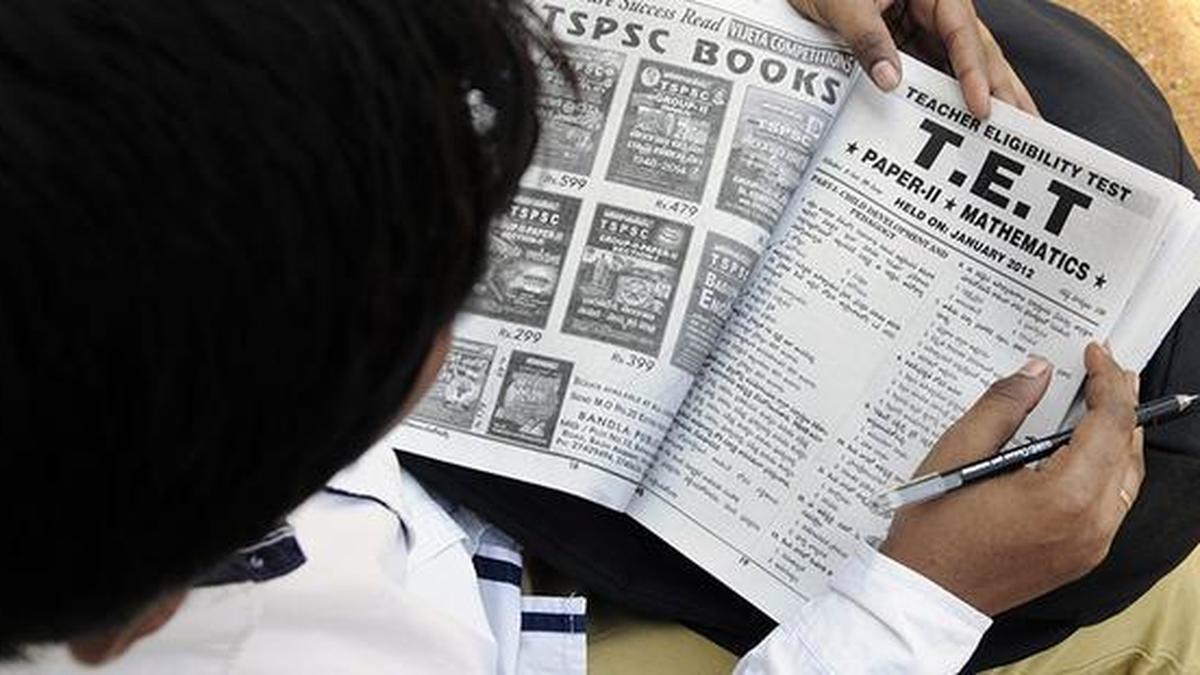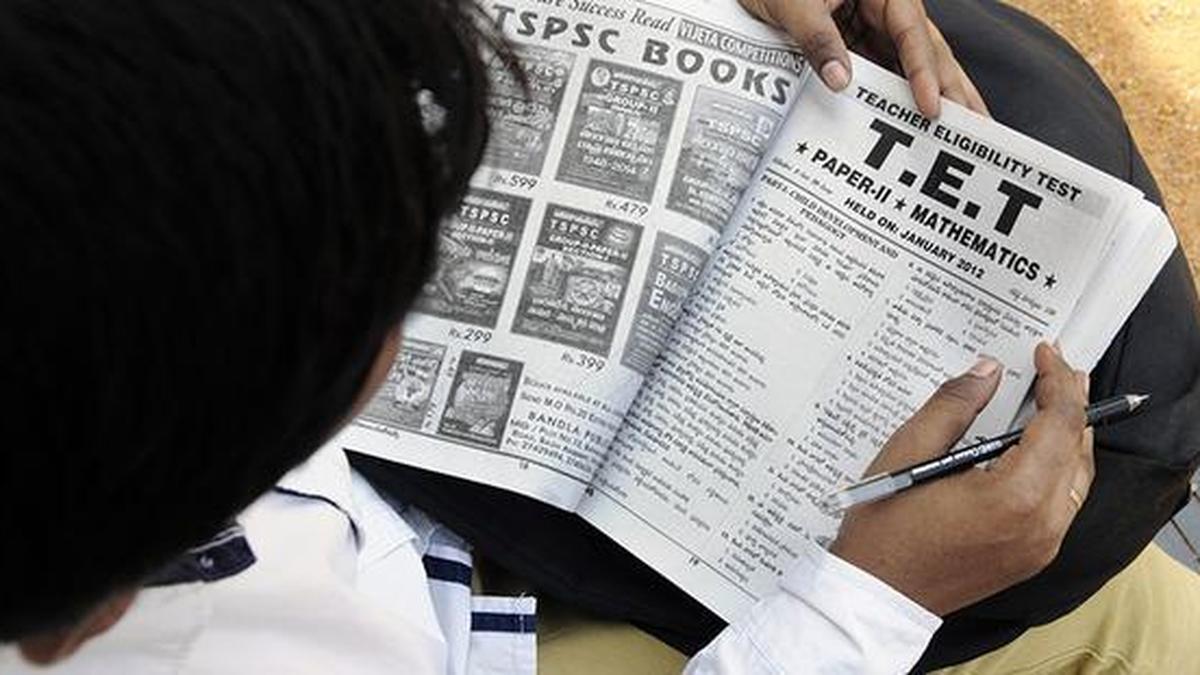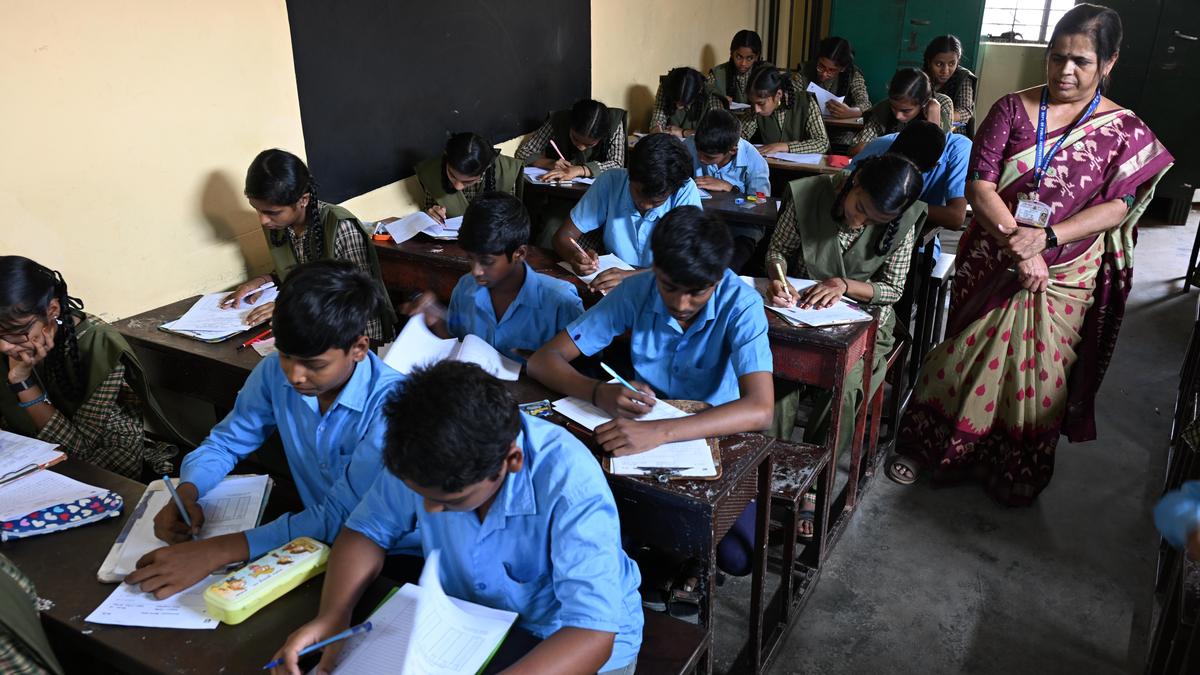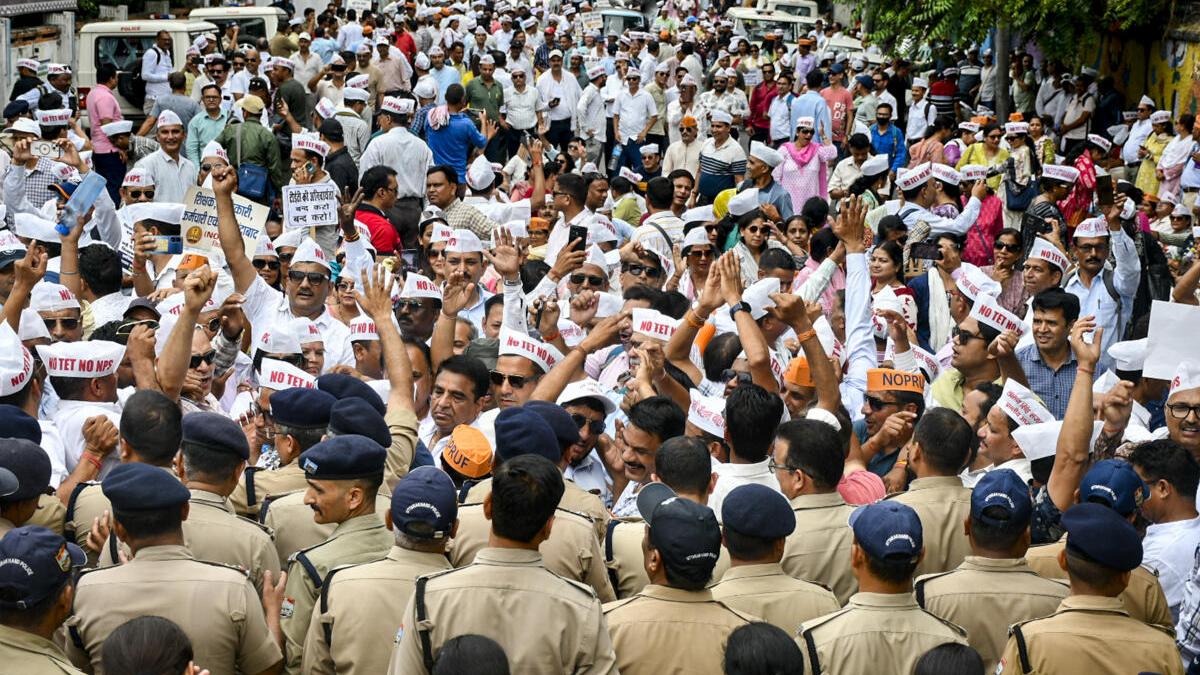
For 24 years, Brijesh Dixit has watched his students leave the classrooms of Purv Madhyamik Vidyalaya in Agra and enter various professions across the country.(Sign up for THEdge, The Hindu’s weekly education newsletter.)He has watched his students join the Indian Army, the Uttar Pradesh Police, the Border Security Force and the education department itself. One former student is now a probationary officer at UCO Bank, and he once even invited Mr. Dixit to the branch as a chief guest. Another works as an engineer in Japan and still calls to seek his blessings. Others have gone on to become doctors serving the underprivileged and teachers, including faculty members at coaching institutes.Every Teachers’ Day and Guru Purnima, many of them return to visit him. For Mr. Dixit, these students are proof of a career well spent. “The true measure of our competence lies in the students we have taught,” he said.‘Don’t be self-centered:’ SCA September 2025 judgment by the Supreme Court requires in-service teachers of classes one to eight in non-minority schools across the country to clear the Teachers’ Eligibility Test (TET) or be “compulsorily retired”. After Teacher Associations across states asked the Supreme Court to review this judgement, on May 13, 2026, the court asked teachers not to be “self-centered” and think only about their job security. The court asked the teachers to spare a thought for children in need of quality education, a right protected under the Constitution and the Right to Education Act. While the Supreme Court recently extended the deadline for in-service teachers to obtain TET qualifications by a year, until August 31, 2028, the requirement itself remains in place.Teachers with fewer than five years left for retirement have been exempted from clearing the examination to continue in service, though they would still need it for promotions. Those with more than five years remaining before retirement risk losing their jobs if they fail to qualify within the prescribed timeline. Meanwhile, the TET 2026 in Maharashtra was postponed on June 27, 2026, a day before it was to be held, after police in Thane district found that a part of its question paper had been leaked and arrested three people.Estimates by teacher organisations suggest that between 20 and 30 lakh in-service elementary teachers across India may eventually have to obtain TET qualifications. Tamil Nadu has informed the Supreme Court that nearly 3.9 lakh teachers in the State lack TET qualifications, while several other states, including Uttar Pradesh and Bihar and have also projected significant numbers of teachers.‘Places teachers at a disadvantage’Like many affected teachers, Mr. Dixit has already appeared for the Central Teacher Eligibility Test (CTET), missing the qualifying mark by four points. He is now preparing for the state TET examination scheduled for July 3. His objection, however, is not to the evaluation itself.“If the government wants to conduct examinations every year, we are ready to appear for them,” he said. “But the questions should be from the subjects we teach.” According to him, the CTET paper contained concepts and theories taught to students in Classes 11 and 12 as well as at the graduation level, despite him teaching children in middle school.Particularly difficult, he said, was the child development and pedagogy section of the examination. “There are around 30 questions from child development and pedagogy alone,” he said. “These are subjects many of us never studied in this form when we trained to become teachers.”Despite holding postgraduate qualifications in organic chemistry and formal teacher training credentials, Mr. Dixit says he found sections of the examination difficult because they tested subjects he had not engaged with in decades. “It has been almost 30 years since I graduated, it is difficult to remember everything we studied back then.” He said that the nature of the examination places experienced teachers at a disadvantage. At the age of 50, he believes it is harder to absorb and retain new information as quickly as younger candidates preparing for competitive examinations.‘Census, BLO duties take up time’The demands of government school teaching leave little time for preparation. Mr. Dixit leaves home early each morning for a school located nearly 20 kilometres away and spends close to three hours commuting each day. Beyond teaching, he says he is frequently assigned responsibilities linked to the mid-day meal programme, census work and BLO (booth level officer) duties. As a result, preparation for TET often happens late at night or during bus journeys to school. “Naukri bachane ke liye sab kuch kar rahe hai (We are doing everything possible to save our jobs),” he said.For many teachers, however, the fear is not limited to failing the examination itself. One teacher said not qualifying in the first attempt often leaves experienced educators feeling embarrassed and ashamed. “What do we tell our students and colleagues?” the teacher asked. “That we failed an examination testing the very work we have been doing for years?”Hundreds of kilometres away in Maharashtra’s Chhatrapati Sambhajinagar district, Jyoti Shejul’s experience reflects similar anxieties. The government-aided primary school teacher has spent the last 13 years teaching students in Classes 1 to 4. Earlier this year, she appeared for CTET but fell short of the qualifying by two to three marks. She says she entered the examination without fully understanding the syllabus and had little time to prepare.“It cannot be given without preparation, but realistically, we do not have time to prepare,” she said. “Teaching, census duty, BLO duties and our personal lives, it is so difficult to manage.”Beyond her classroom responsibilities, Ms. Shejul says teachers in Marathi-medium schools often find themselves persuading parents to continue sending children to school in addition to their teaching duties. “These are formative years for children,” she said. “Whatever happens, we have to do our job properly.” She later registered for the Maharashtra TET examination, only for it to be postponed amid allegations of a paper leaks.For her, however, the issue extends beyond professional pride to financial security. “People, including myself, took loans because we had a stable government job,” she said. “Now if the job is under threat, we’ll have to do anything and everything to secure it.”The sentiment is echoed by Manoj Kumar, a headmaster at Mahavidyalaya Nuruddin Ganj in Patna, Bihar, who has been teaching since 1999 and entered the profession long before TET became mandatory. He believes experienced teachers are being asked to justify careers that have already been evaluated through years of service and generations of students. Teachers, he argues, are being made to believe that clearing the examination is synonymous with ensuring quality education.“But how can an examination equal years of experience and service?” he asked. According to Mr. Kumar, nearly 2.6 lakh teachers in Bihar may be affected by the ruling, including around 60,000 senior teachers who may lose opportunities for promotion despite decades in classrooms.For now, lessons continue as they always have. Attendance registers are filled; homework is corrected, and classrooms across the country continue to function much as they did before the ruling.(Ifrah Asim is a freelance journalist and post graduate journalism student at AJK MCRC, Jamia Millia Islamia. She covers stories related to public policy, social issues, heritage, and lived experiences.)
TET: Years of teaching, one exam away from compulsory retirement
Experienced teachers face compulsory retirement unless they pass the Teachers' Eligibility Test, raising concerns about job security and evaluation fairness.
1,190 words~5 min read