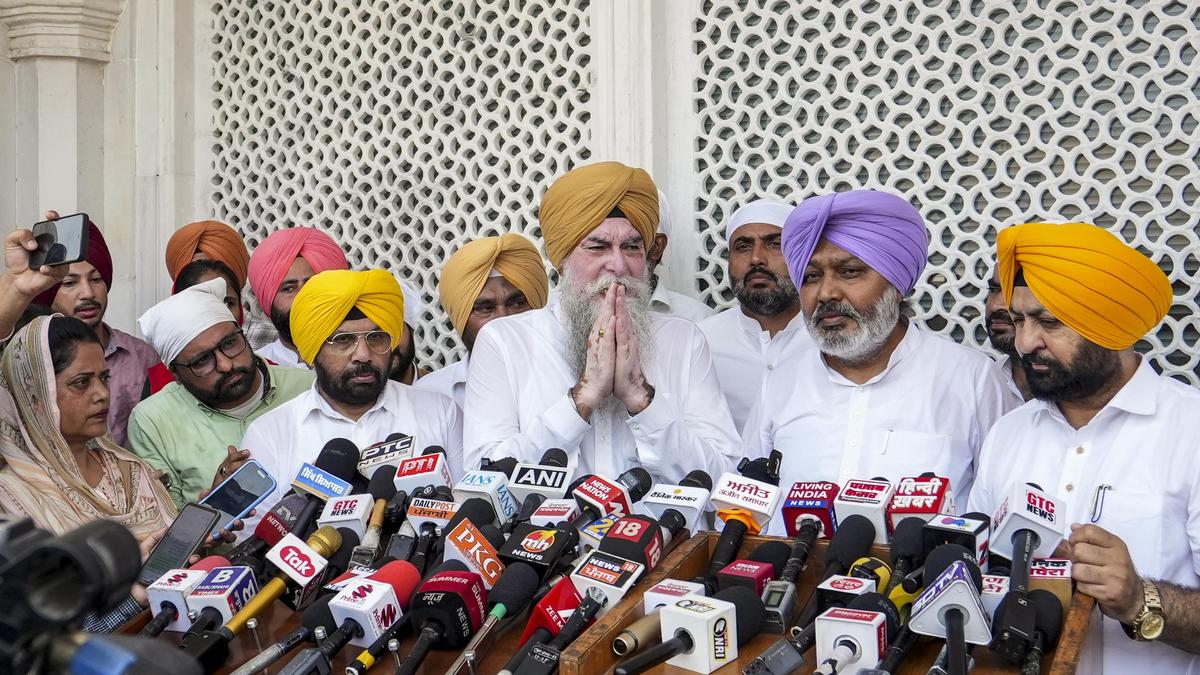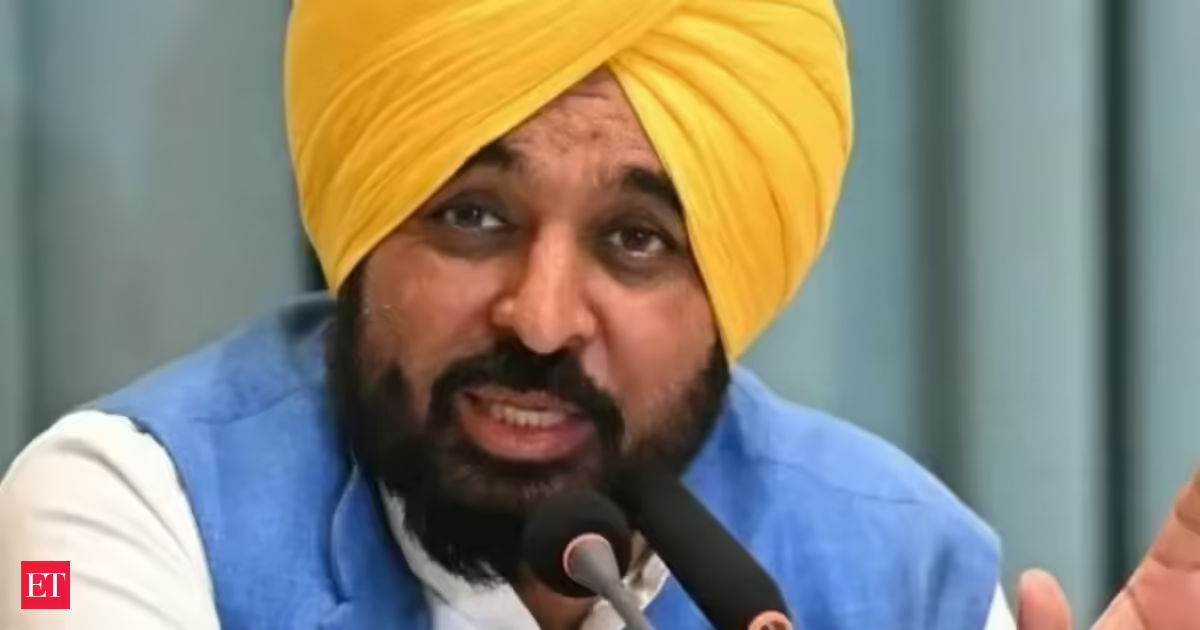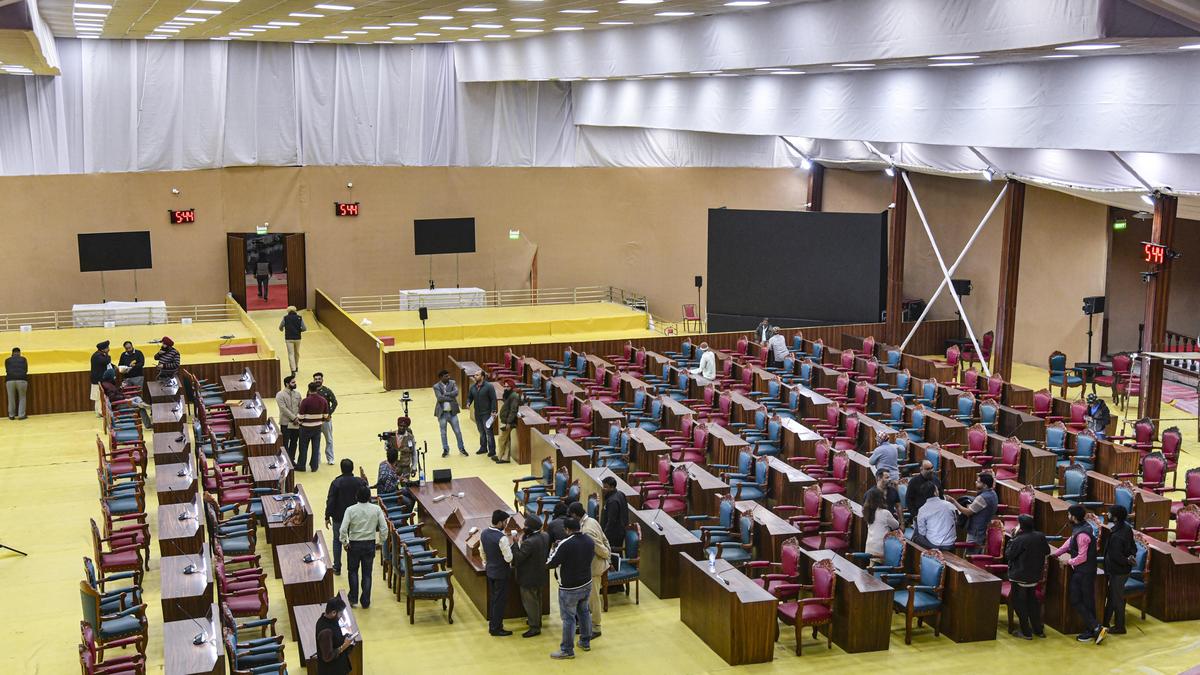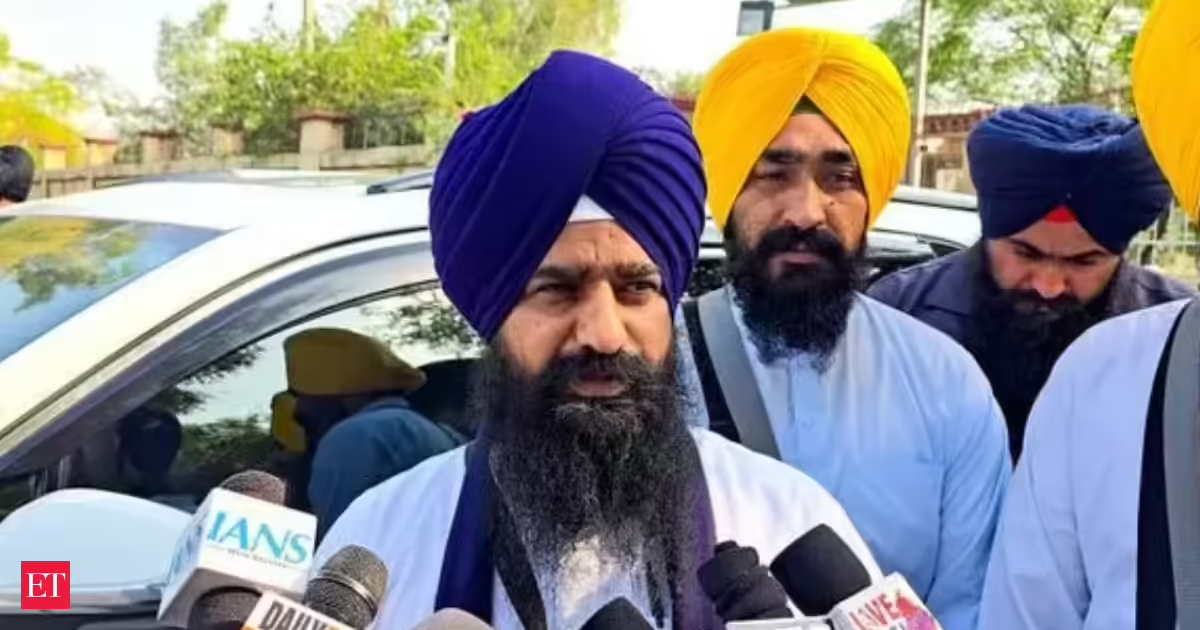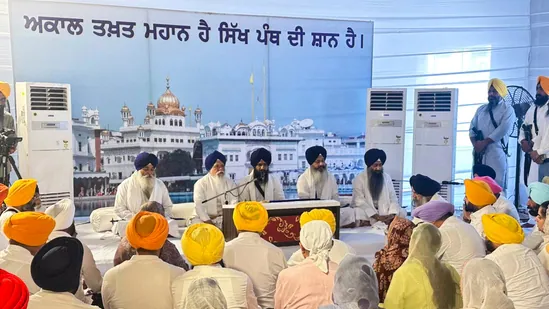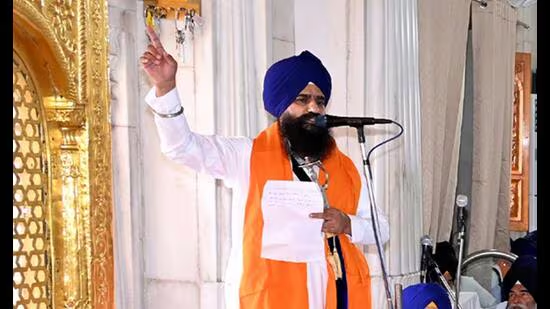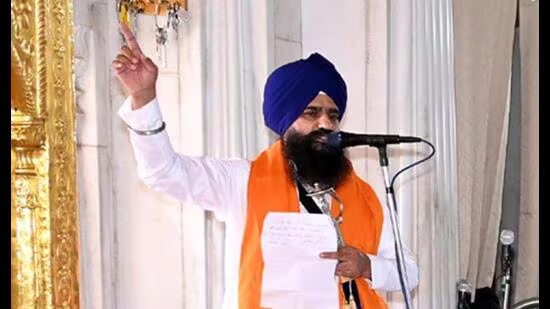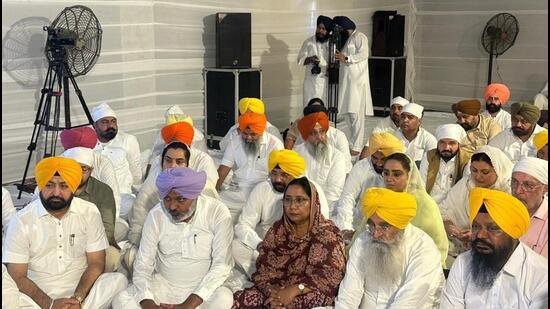
Akal Takht, Sikhism’s highest temporal seat, on Monday issued a strict one-month ultimatum to all Sikh MLAs of Punjab to remove objectionable clauses from the recently enacted Jaagat Jot Sri Guru Granth Sahib Satkar (Amendment) Act, 2026. The directive came during a two-hour hearing, where legislators cutting across party lines—including the ruling Aam Aadmi Party (AAP), Congress, and the Shiromani Akali Dal (SAD)—appeared before the five Sikh high priests to explain the lack of community consultation prior to the Bill’s passage in April.Aam Aadmi Party Sikh MLAs appearing before Akal Takht in the Golden Temple complex in Amritsar on Monday. (HT Photo)While chief minister Bhagwant Mann was not present—having clarified a day earlier that he was not personally summoned—the ruling AAP was represented by its Sikh cabinet ministers and legislators who presented the government’s stance.Passed by the Punjab assembly on April 13 and subsequently assented to by the governor, the new law amends the 2008 principal Act to provide for a term of up to life imprisonment and fines up to ₹20 lakh for criminal conspiracy in desecrating the saroop of Guru Granth Sahib.Led by Akal Takht acting jathedar Kuldeep Singh Gargaj, the five-member clergy, including Takht Damdama Sahib jathedar Giani Tek Singh Dhanaula, and Darbar Sahib granthis Giani Baljit Singh, Giani Kewal Singh, and Giani Mangal Singh, subjected the lawmakers to sharp questioning.The proceedings took a dramatic turn when jathedar Gargaj confronted AAP MLAs Jagroop Singh and Kulwant Singh, asking if they had even read the draft of the Bill before voting for its passage. Both MLAs admitted they had not, with Jagroop Singh defending his actions by stating that the draft was not provided to them in time for review.Beyond the text of the law, the jathedar questioned AAP MLAs over their administrative failures in key state investigations. The clergy demanded answers on why the government failed to seek police remand for Dera Sacha Sauda chief Gurmeet Ram Rahim Singh in the 2015 Bargari sacrilege case, which involves the theft and desecration of Guru Granth Sahib. They further questioned why no decisive action had been taken against the Dera head following the 2017 Maur bomb blast case, a targeted explosion during an election rally that killed seven people, including five children.Divided in seating, united in resolutionThe layout of the hall reflected the state’s deep political fractures, as Congress MLAs sat at a distance from the ruling AAP legislators, while SAD’s lone MLA, Ganieve Kaur Majithia, maintained a separate presence. However, as the floor was opened, a rare political consensus emerged.Lawmakers, including Vidhan Sabha Speaker Kultar Singh Sandhwan, agriculture minister Gurmeet Singh Khudian, Congress leaders Partap Singh Bajwa, Sukhpal Singh Khaira, Pargat Singh, Tript Rajinder Singh Bajwa, Rana Inderpartap Singh, SAD’s Ganieve Kaur Majithia, and independent legislator Manpreet Singh Ayali, shared their viewpoints and submitted written clarifications to the clergy.Jathedar Gargaj detailed every theological and procedural objection to the law’s terminology, asserting that any legislation dealing with sacrilege must strictly align with the sentiments of the Sikh Panth (community). Concluding the session, the jathedar ordered the MLAs to put the legislation on hold and resolve the crisis by amending the Act within 30 days. In submission to the temporal authority, all present MLAs raised their hands in unanimous agreement as the clergy chanted the traditional Sikh slogan, “Jo Bole So Nihal, Sat Sri Akal.”Case timelineApril 13, 2026: Punjab Vidhan Sabha passes the Jaagat Jot Sri Guru Granth Sahib Satkar (Amendment) Act, 2026, which is subsequently granted assent by the governor.May 8: Vidhan Sabha Speaker Kultar Singh Sandhwan is summoned to Akal Takht and appears before acting jathedar Giani Kuldeep Singh Gargaj to discuss the legislation.June 29: All Sikh MLAs appear before Akal Takht. The Sikh clergy officially hands over a detailed, written list of objections to Speaker Sandhwan, issuing a strict 30-day ultimatum to put the Act on hold and amend it.Key objections raised by Akal TakhtThe highest temporal seat of Sikhism has demanded the complete removal or overhaul of several core clauses, citing government overreach into internal Panthic affairs:*Removal of traditional terminology (Clause 2): Akal Takht strongly objects to the legal removal of the words ‘bir’ and ‘birs,’ terms deeply rooted in Sikh customs and the Rehat Maryada (code of conduct). It demands they be reinstated alongside ‘saroop’ and ‘saroops.’*Custodian trap (Section 2 Amendment): The clergy argues that the definition of a “Custodian” conspiratorially shifts the legal blame for sacrilege onto devout Sikhs, gurdwara committees, granthis, and families hosting recitations. Philosophically, no human can be designated a ‘custodian’ of the Guru.*Unique identification numbers (Sections 3A & 3B): The law mandates that the Shiromani Gurdwara Parbandhak Committee maintain a central register assigning a unique identification number (UIN) to each ‘saroop’. Akal Takht declared this an intolerable tampering with the sanctified form of the Guru, asserting the state has no authority to regulate the status of holy scriptures.*Security risk of online databases: The amendment requires uploading records of where ‘saroops’ are located to the SGPC website within 45 days. Drawing a parallel to the November 1984 anti-Sikh violence—where voter lists were used to target households—the clergy warned that public online tracking exposes global Sikh devotees to anti-Sikh and mischievous elements.*Criminalising code of conduct violations (Section 5): The law proposes up to 5 years’ imprisonment and a ₹10 lakh fine for rule violations outside of actual sacrilege. Akal Takht notes this weaponises the law against sewadars and granthis for internal administrative or Maryada slip-ups, which fall strictly under the jurisdiction of Akal Takht, not state police.*Unilateral rule-making (Section 6A): The clergy condemned the state government for retaining the power to frame rules via official gazette notifications without consulting apex Sikh institutions like the SGPC and Akal Takht.*Disrespectful language & legal protocol: Commercial words like ‘store’, ‘storage’, and ‘supply’ should be replaced with respectful terms like ‘sewa sambhal’. Additionally, it mandated that desecrated holy material must never be taken to police stations or courts as evidence; instead, their cremation rites must be respectfully performed at Gurdwara Sri Baoli Sahib, Goindwal Sahib, Tarn Taran.
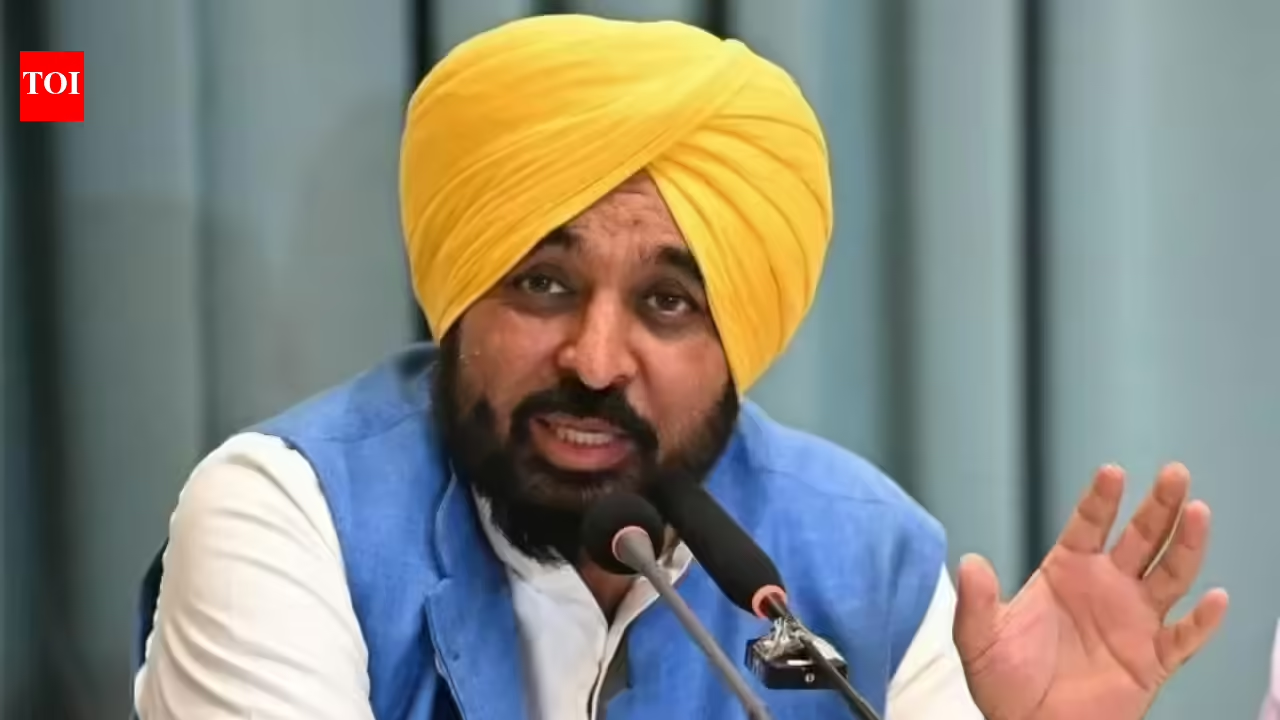
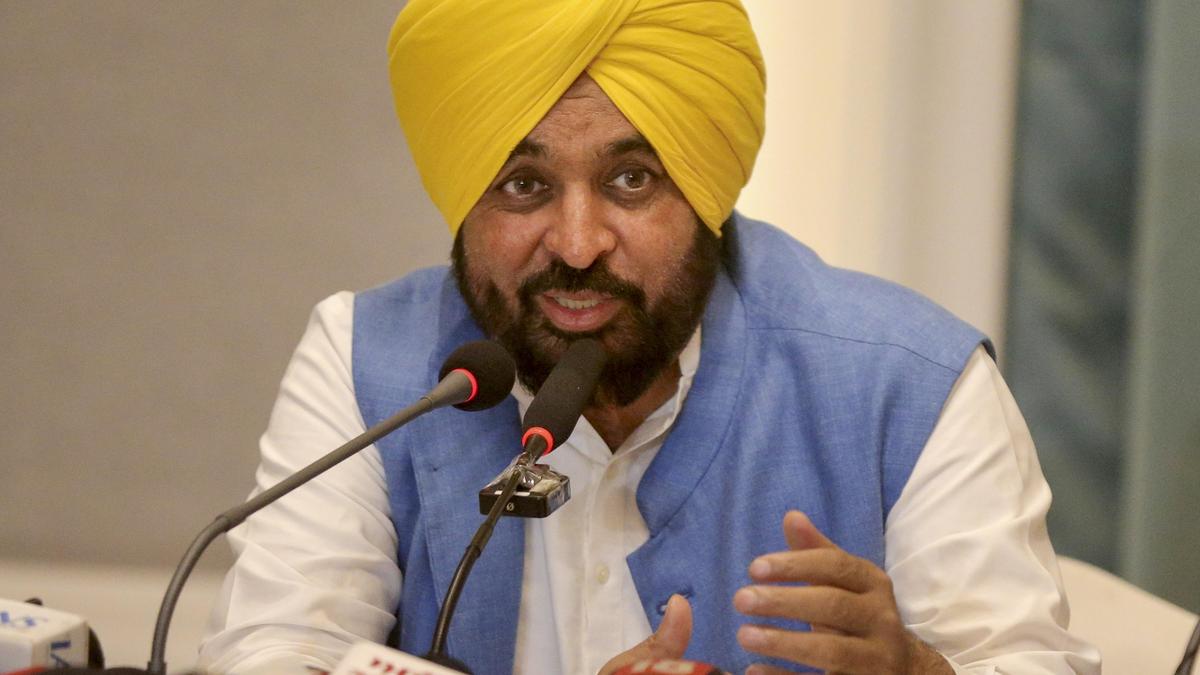
Akal Takht gives Punjab MLAs one-month ultimatum to amend anti-sacrilege Act
Sikh clergy questions AAP MLAs over legislative oversight and failure to prosecute Dera head in sacrilege and Maur; lawmakers ordered to put Act on hold.
1,001 words~5 min read