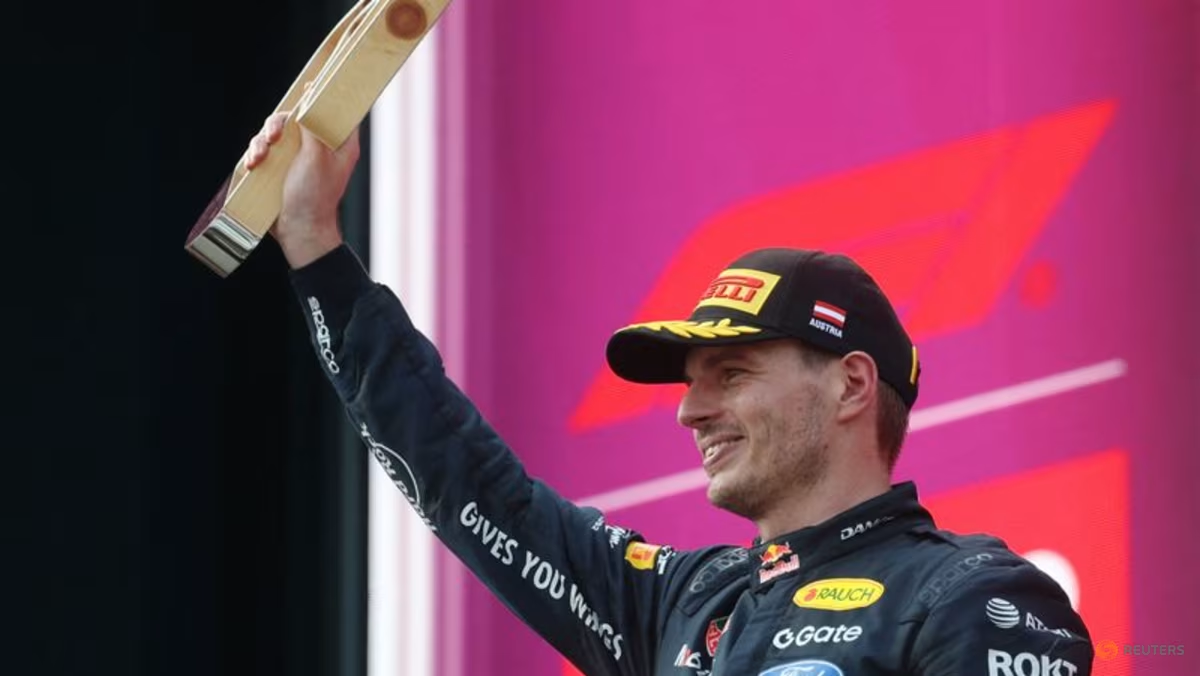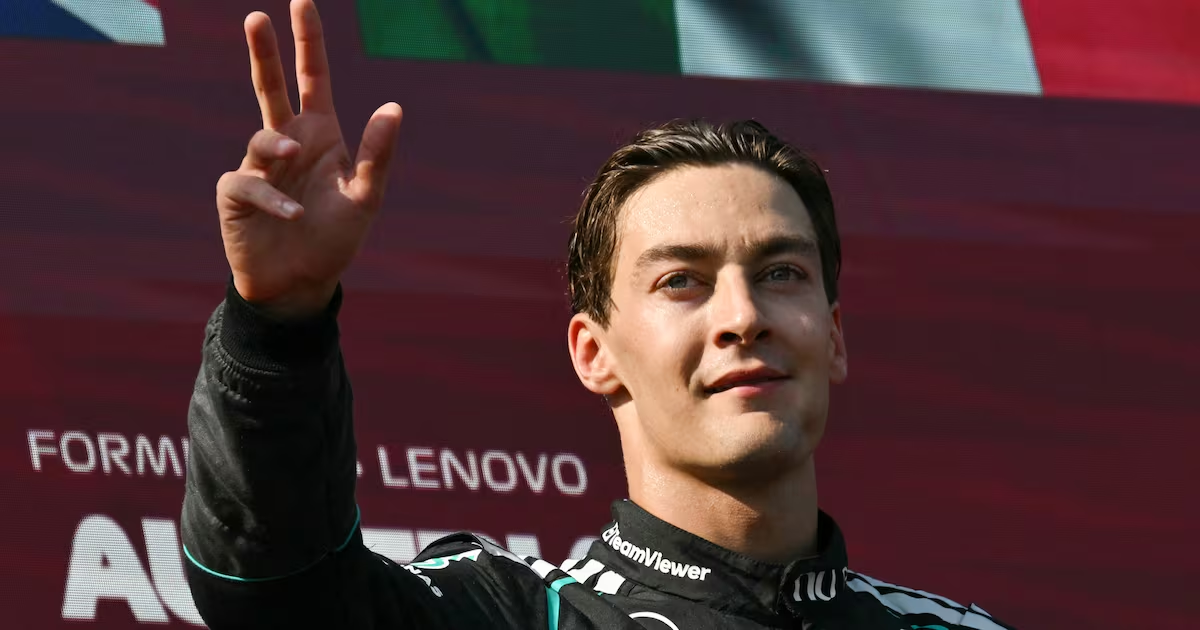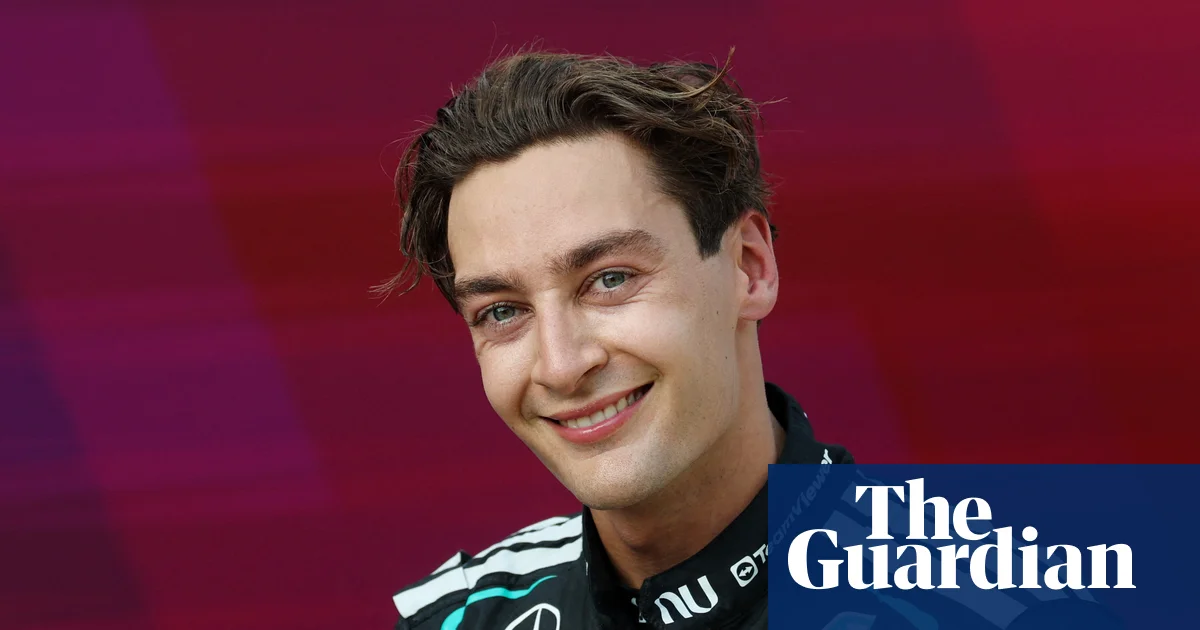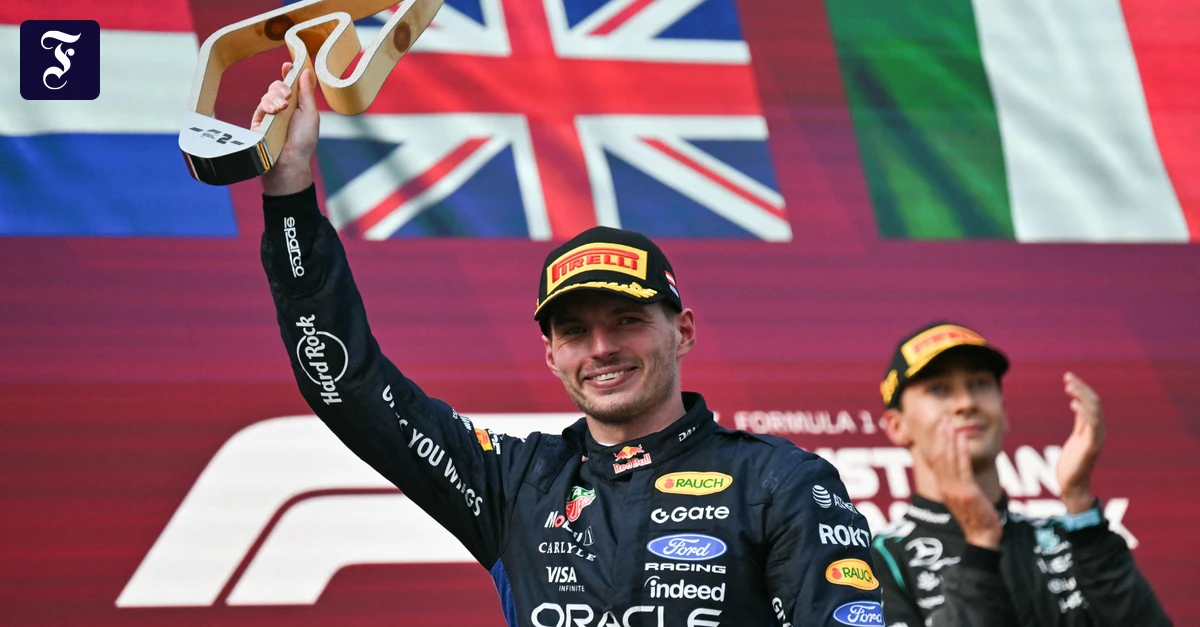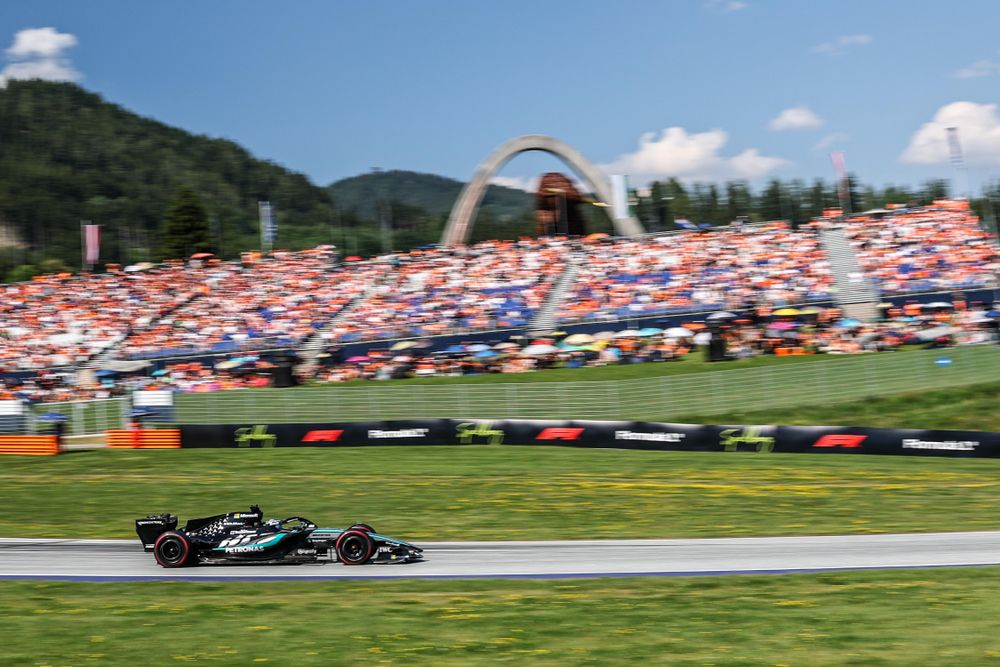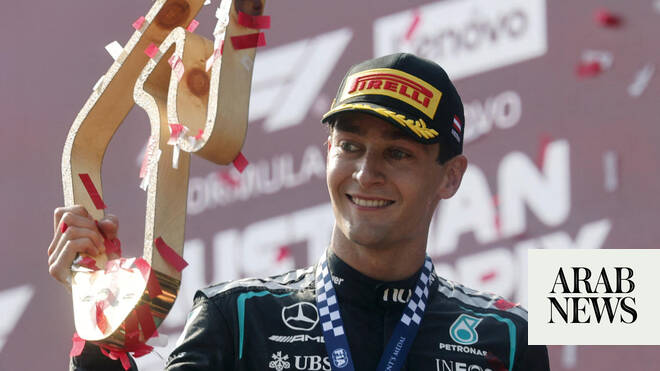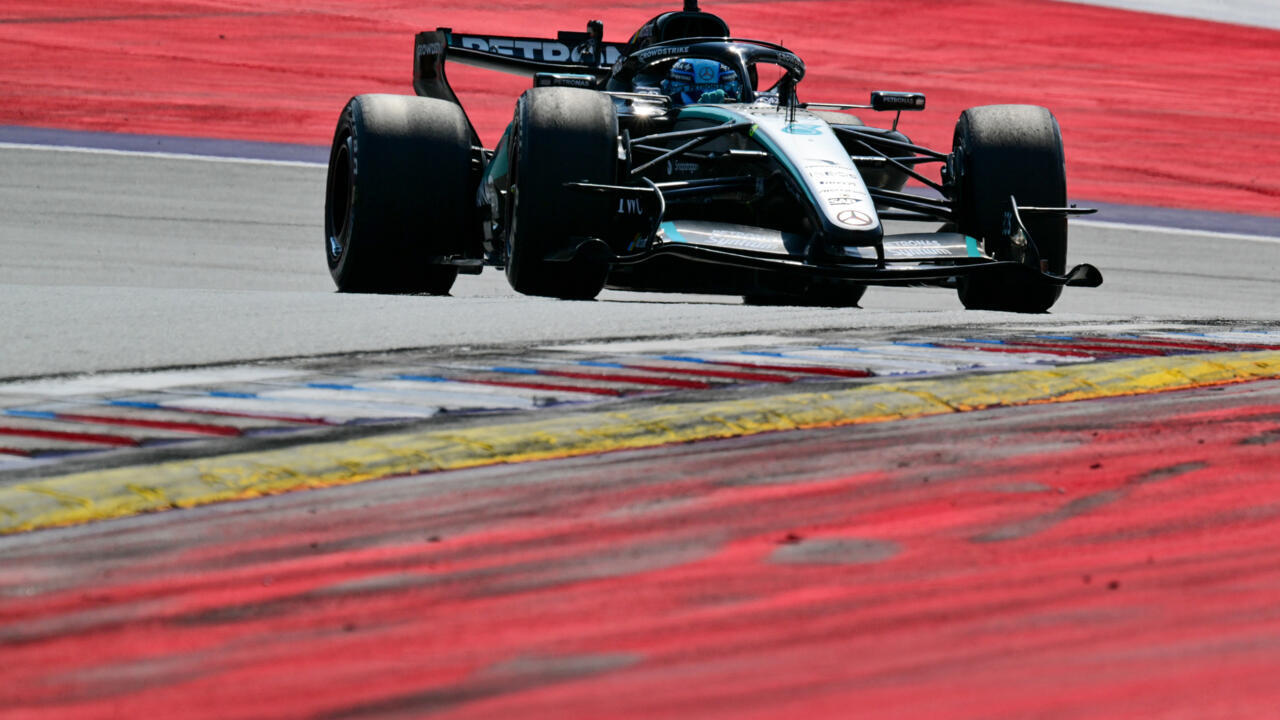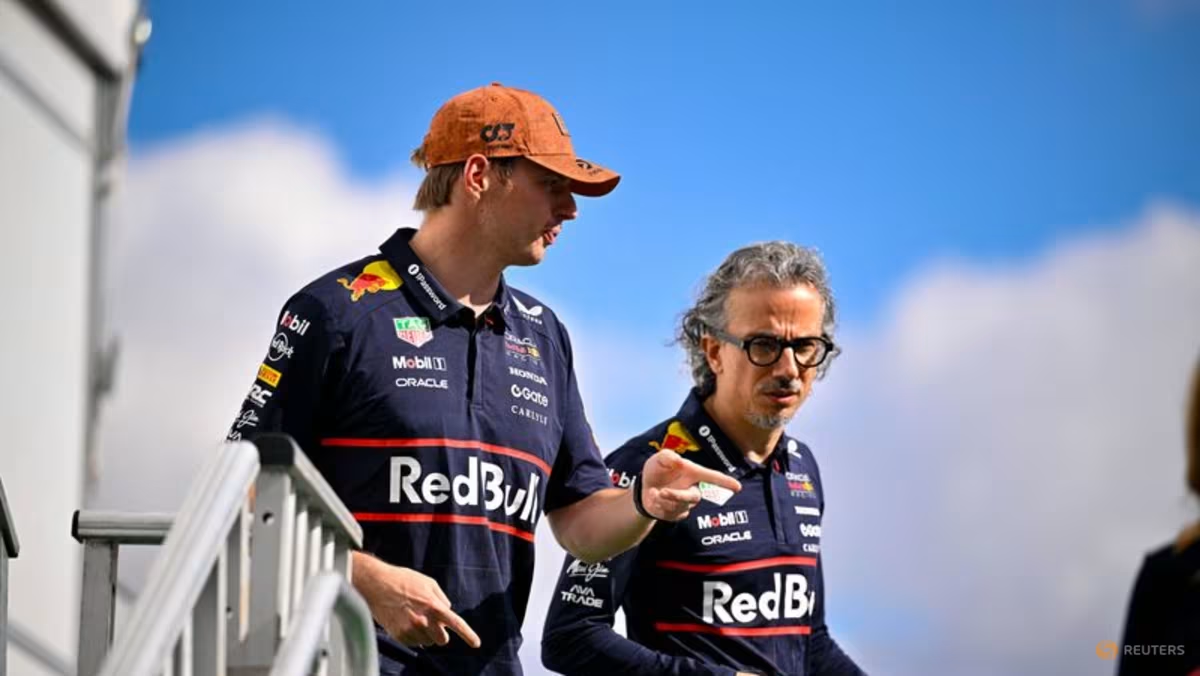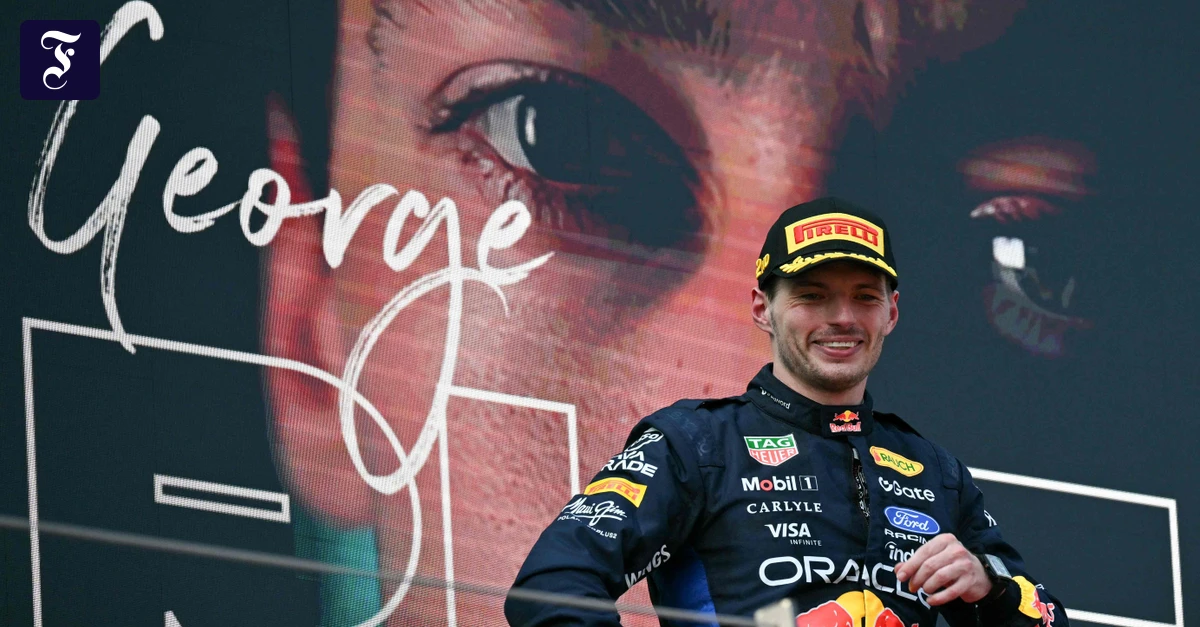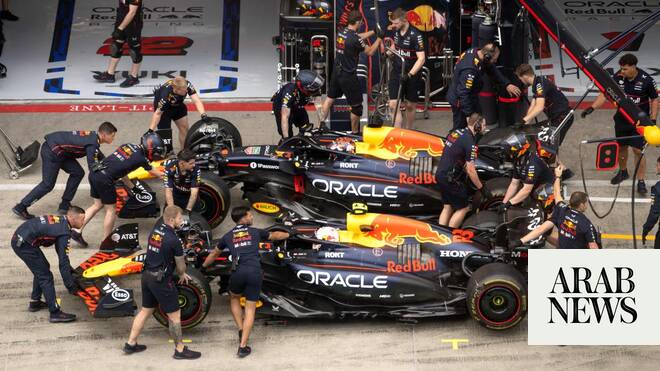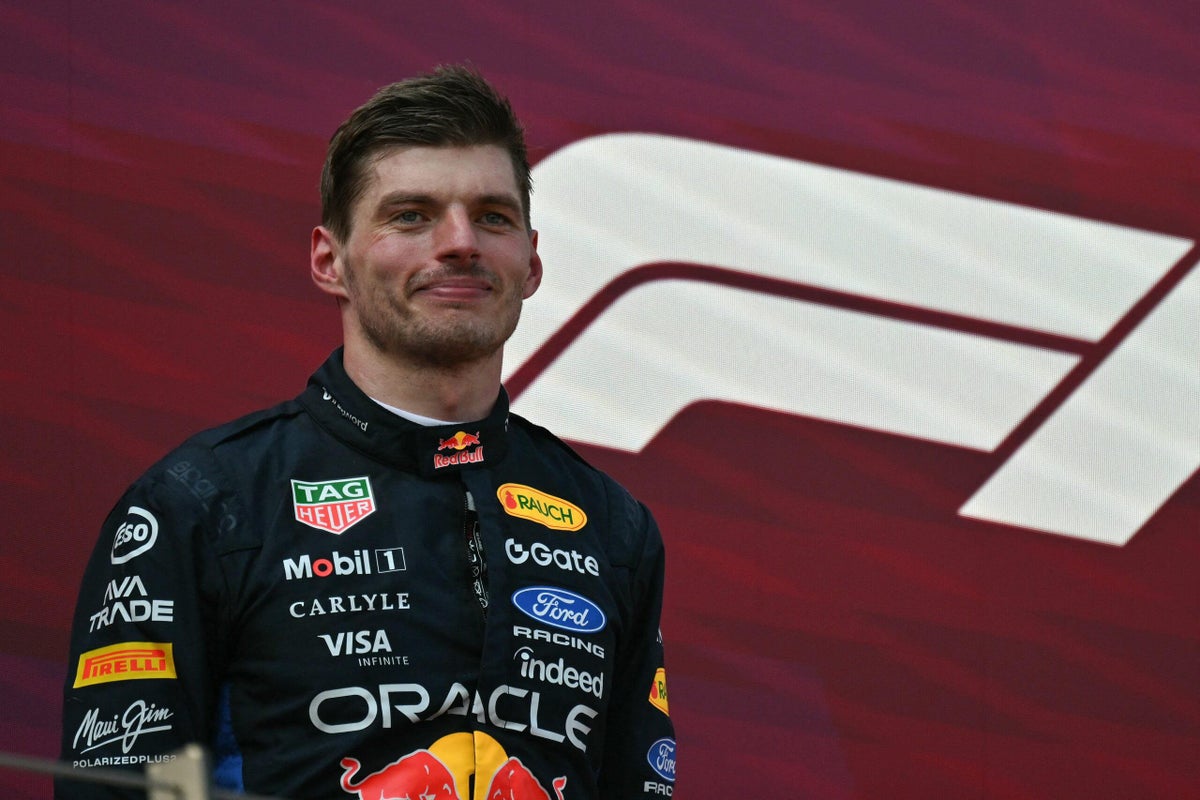
SPIELBERG, Austria — Max Verstappen was all smiles standing on the podium at the Red Bull Ring, spraying champagne on the crowd below before pivoting to get Kimi Antonelli as the Mercedes driver shot away.This season has been a rollercoaster for the four-time world champion. Red Bull has struggled for competitiveness in its first year as an engine manufacturer and then there was his criticisms of the new-for-2026 cars that were “anti-racing” and “not a lot of fun.” In the aftermath of his and others making their feelings known, changes had been made to the technical regulations — not just for this season but the next two years to come — and Red Bull has been upgrading its car. But that hadn’t been enough for Verstappen to threaten during what’s so far been a Mercedes-dominated season.That’s until the Austrian Grand Prix weekend.Verstappen may have finished second Sunday, splitting the Mercedes cars, but he said during the post-race news conference that “this was the first time I felt like actually I could fight for the win.” And he sure looked like a contender.The Dutchman posed a constant threat to the other front-runners, eventually picking off seven-time world champion Lewis Hamilton after they had a brutal early battle, before setting his sights on eventual race winner George Russell.Pre-race, Red Bull held the strategic advantage with an extra set of new medium tires available compared to the Mercedes drivers. But it wasn’t enough — at least not on Sunday.Verstappen spins off and crashes late in qualifying at the 2026 Austrian GP. (Peter Fox / Getty Images)Twenty-four hours beforehand, Verstappen and Red Bull faced a significantly different reality, one where it didn’t look like they could contend for the win. The team had brought significant aerodynamic car upgrades to Austria, a package so major that team boss Laurent Mekies said Friday that “the last time we’ve done something of that magnitude was probably in Miami.”There were two reliability-related updates, but the other six upgrades were performance-related, ranging from new floor parts and floor boards, to different parts at the car’s rear — the rear wing and suspension.Limited running on Friday, where both Red Bulls were confined to their garages for much of first practice as the team worked to fix a problem they’d found around the new upgrades, masked the package’s potential.Come qualifying, Verstappen initially looked in trouble. He nearly missed out on Q3, squeaking through by 0.040 seconds. But his car came to life in Q3, his final Q3 flyer looking rapid, before fortune swung the other way.Approaching Turn 9, he suddenly lost the rear and spun through the gravel, crashing into the barriers on the track’s outside. That meant qualifying fifth when better seemed possible, and Red Bull faced a repair job ahead of Sunday’s race.Verstappen initially seemed confused by the incident, but Mekies said it was a car issue, related to the way the rear wing snapped back for Corner Mode, and not a driver error.“We lost aero performance due to some damage on the rear of the car, which caused the issue,” Verstappen said in the same news release.Red Bull replaced 14 parts pre-race. Verstappen was good to go.He made a decent start and found himself taking both Antonelli and Charles Leclerc to advance to third by Lap 3. Ahead of him were Hamilton and Russell, and it wasn’t long before the Ferrari and Red Bull began to engage.Verstappen twice had to dip his wheels in the gravel as they tangled, and the fight only ended when Hamilton pitted, the first out of any driver, on Lap 12 of 71. Verstappen would stay out for six more laps, creating an interesting strategy game with a tire offset, while Hamilton was set on a three-stop strategy by Ferrari.Max Verstappen and Lewis Hamilton battled early with the Red Bull driver coming out on top. (Clive Mason / Getty Images)Lap 22 was a pivotal moment, where Verstappen passed Hamilton with a neat dive to the inside of Turn 6 and left the Ferrari firmly behind. He chased Russell until the end. The Dutchman later said he lost time in those battles with Hamilton, but that he was more concerned with car issues that arose midway through his second stint.“Something happened with the car on the rear axle, which made me lose pace,” Verstappen told reporters. “That just stayed there until the end.”That goes some way to explaining why he went from rapidly cutting into Russell’s lead around their second stops of the two-stop strategy, to not gaining as quickly towards the finish.Verstappen said that everything felt “extremely difficult, from bumps, curbs, traction, it was just completely gone. That’s something that we need to understand, what went wrong there.”The other question mark is whether Red Bull kept him out too long before executing his final pit stop.Verstappen knew it would “be a very long stint to the end,” but felt he “lost a little bit too much” time staying out for four more laps than Russell at the end of their second stints, “compared to what I gained back on those extra laps on new tires.”Mekies told F1TV that Red Bull would review this call, saying “there were a couple of different opportunities in the race.” He reckoned that Antonelli was faster of all the leaders, but did say Verstappen was potentially quicker than Russell overall.“If you just look at when Max cleared Lewis, at that stage we were probably already six seconds behind George and started to race against him there,” Mekies said. “‘If’ and ‘would’ and ‘should’ will not win races, as we say, so we take the P2. It’s probably where we are right now on this track.”Second in Austria marked Verstappen’s best result of the season — bettering his third in Canada. He left Red Bull’s home race feeling he’d had “a real shot at it (winning).”The Red Bull upgrades looked like they delivered as the team had hoped, given Verstappen felt he had more grip and the ability to go faster through the corners compared to earlier in the season.And the package even caught the eyes of Red Bull’s rivals.“They must have brought three- to four-tenths (of a second) in upgrades,” Ferrari driver Hamilton said after the race.“Three-tenths was just from the weight that they dropped from the car, which is huge considering they’ve been so close in some of the races, like Monaco, and they were nine kilos overweight.“It’s showing that they’ve got a good car. They brought up lots of upgrades, so they’re gonna be a force to be reckoned with in the following races.”Max Verstappen and Laurent Mekies (right) ahead of the 2026 Austrian GP. (Mark Thompson / Getty Images)The big question Red Bull faced as the paddock packed up and headed to Silverstone for this weekend’s British Grand Prix, was whether such a performance was track specific or a true step forward. Verstappen cautioned, advising he would “take it race by race.”The big struggle for the entire grid at Silverstone, Verstappen said, would be engine electricity management, based on what he’d seen on Red Bull’s simulator. Austria’s long straights and braking zones allows drivers to recharge their batteries regularly, while Silverstone has many more fast corners, meaning fewer spots to recharge.But for all the attention on Red Bull’s car upgrades in Austria, Mercedes boss Toto Wolff offered a different theory: that Verstappen himself made the biggest difference.“Max was the most important factor this weekend,” Wolff said after Russell’s second 2026 victory.“He just knows how to get everything out of the car. That is why you should never, ever leave the Verstappen factor out of consideration or underestimate it in a championship.”
The Max Verstappen factor that made Red Bull Mercedes’ biggest threat in Austria
Mercedes won again in Austria, but Max Verstappen produced a starring drive that got Red Bull back towards its best.
1,276 words~6 min read