Monday 29 June 2026 10:01 am
| Updated:
Monday 29 June 2026 10:05 am
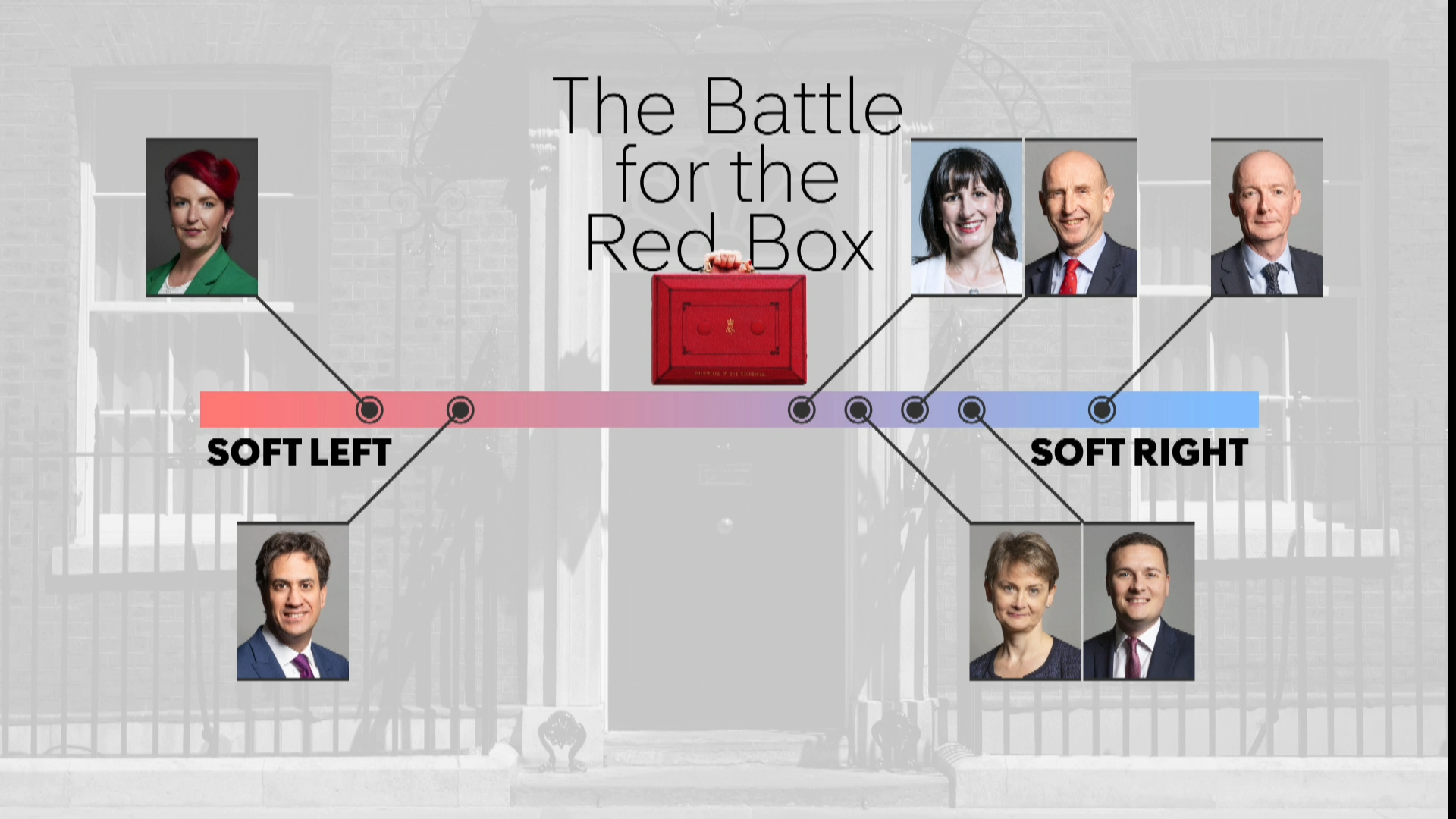
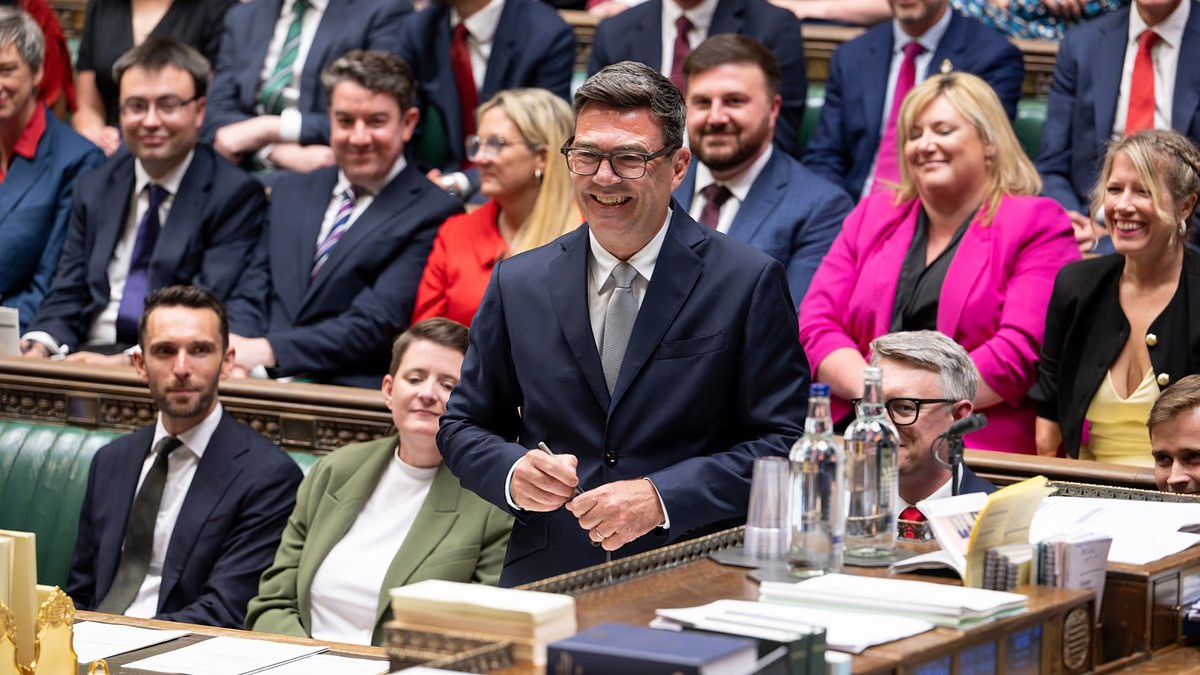
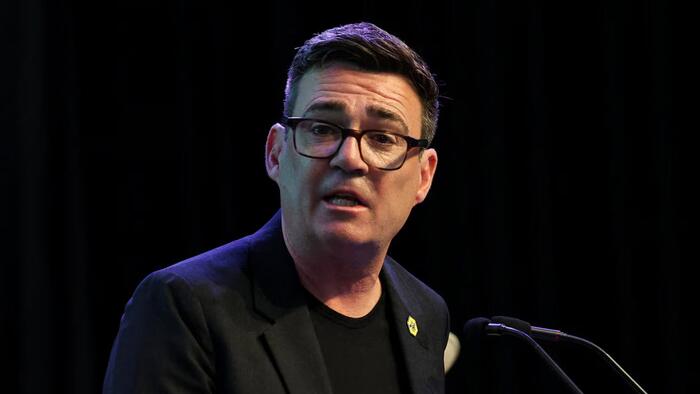
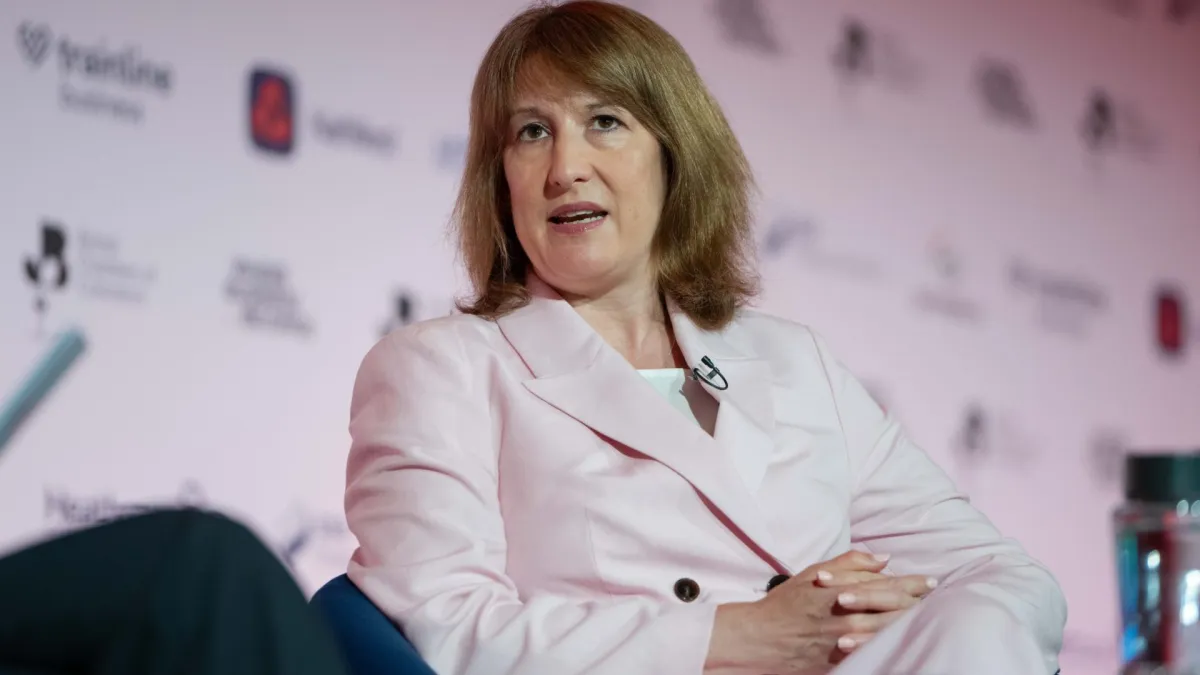
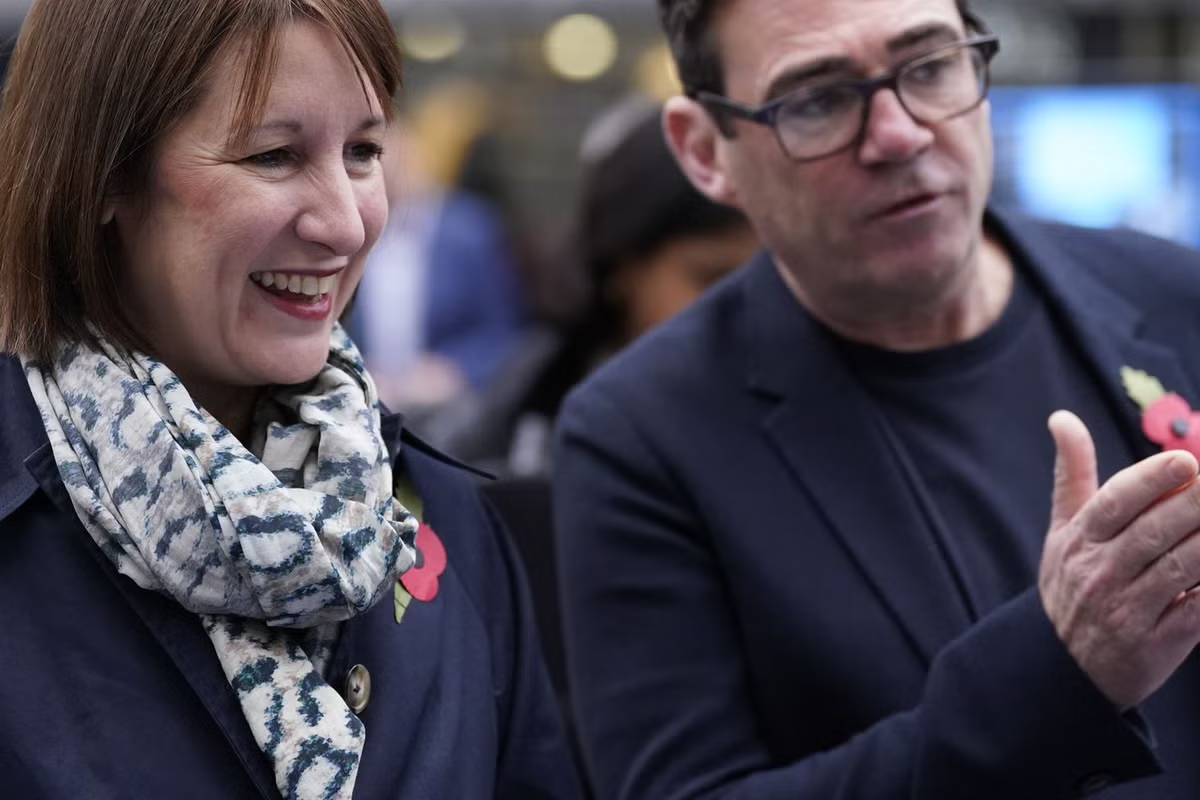
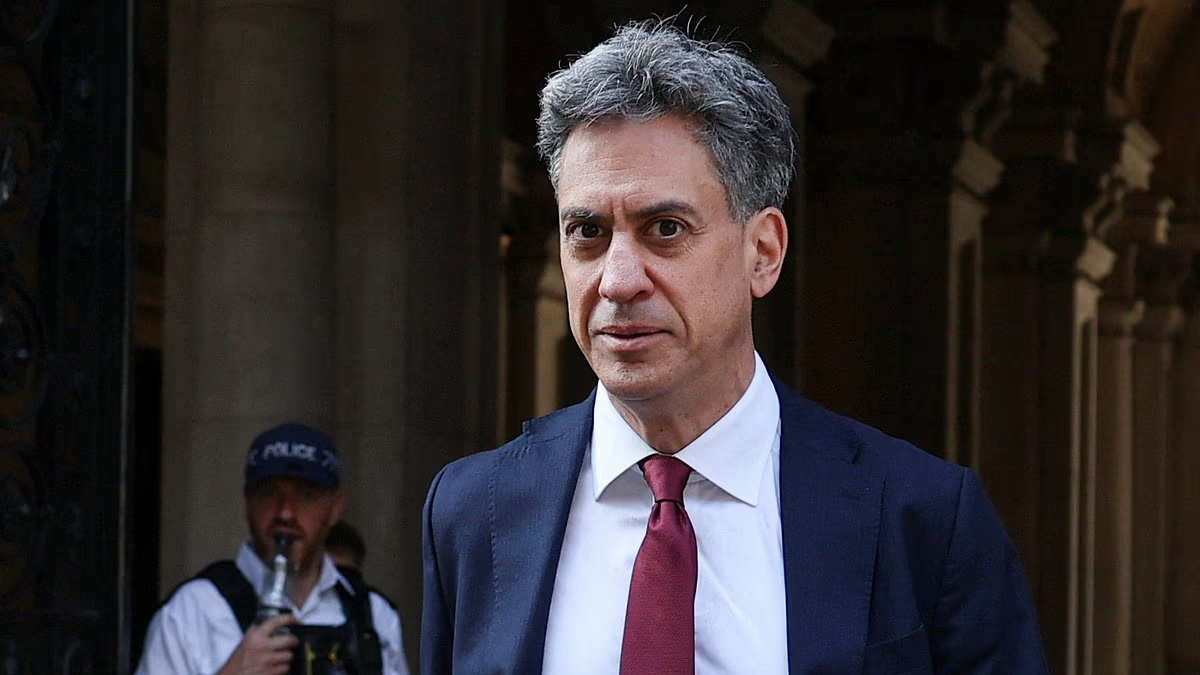
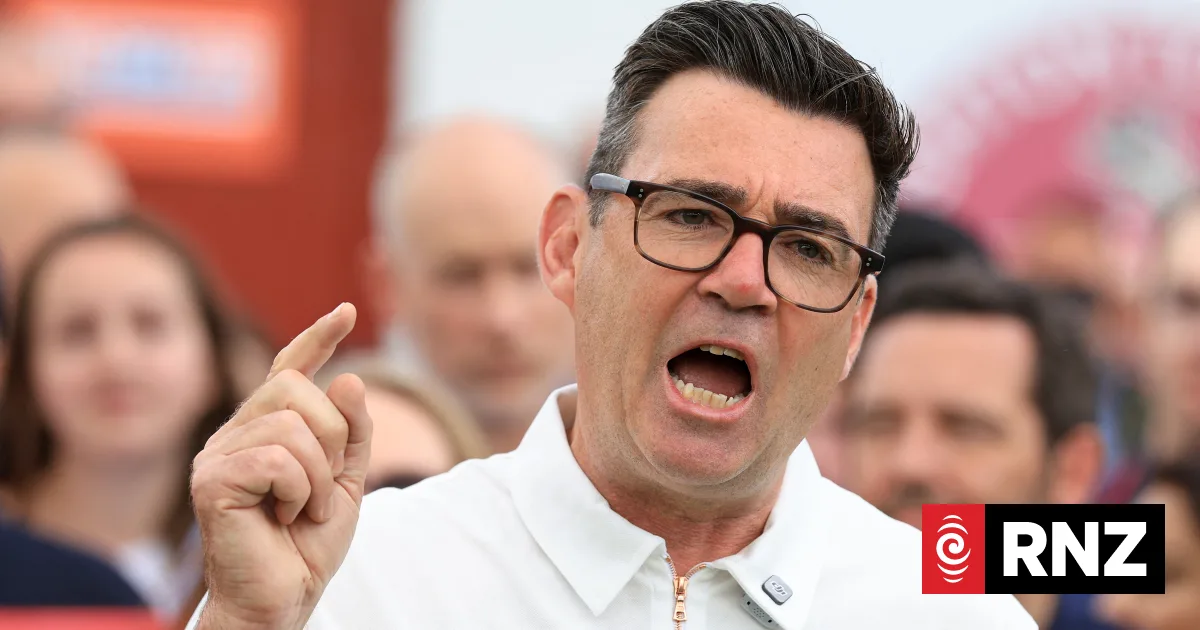
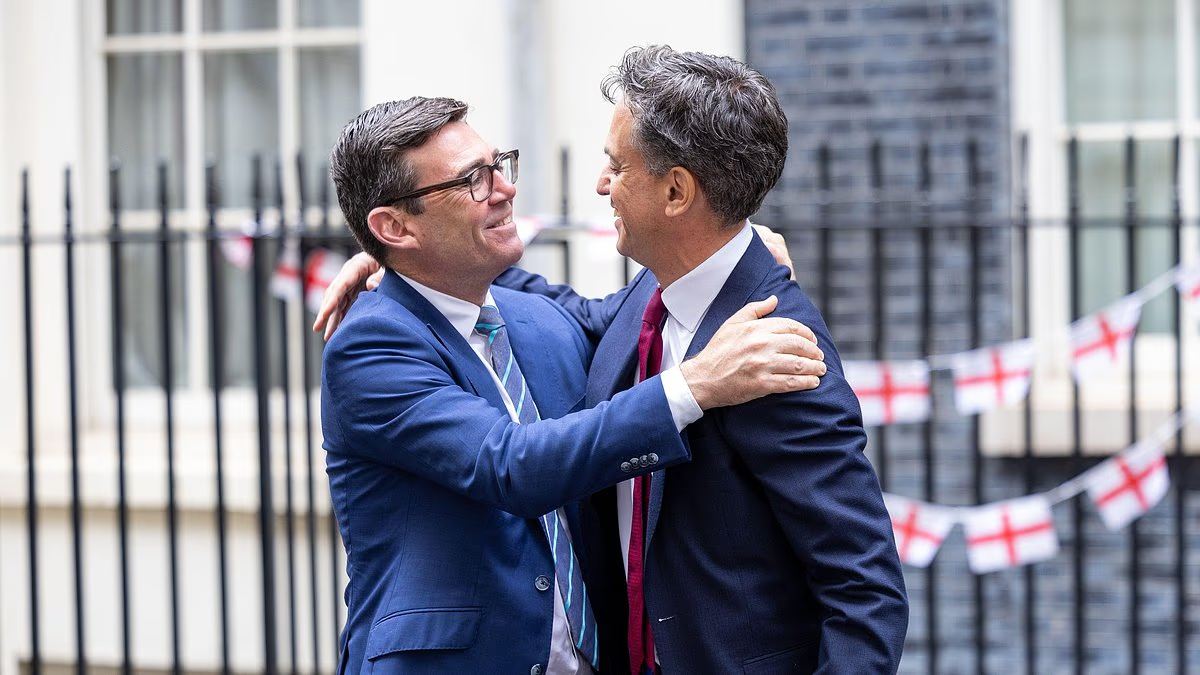
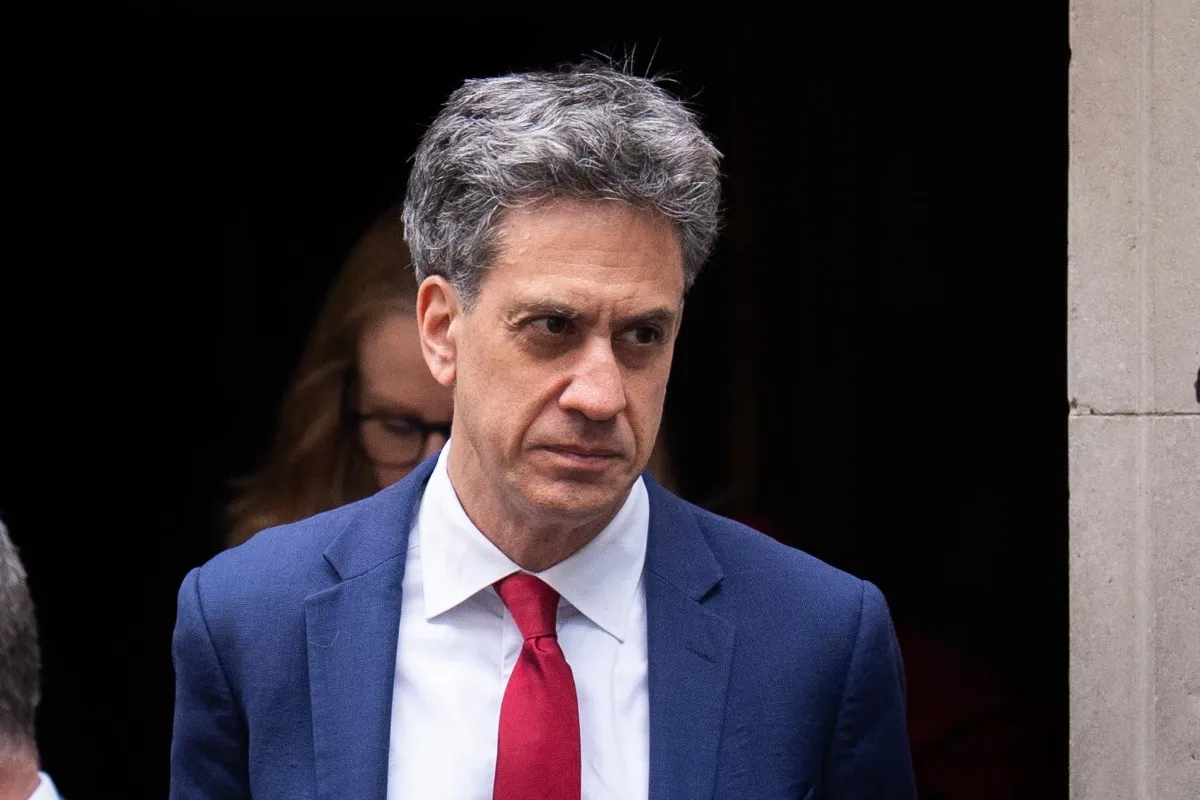
Economic policy is so fraught that Burnham must choose from various paths. Retaining Reeves means warmed-over Starmerism; Miliband would be a sign that the Labour Party is tacking left; and choosing Streeting would be an advertisement that the Blairites were getting the band back together. What signal will the next Prime Minister seek to send? Asks Eliot WilsonWestminster watchers love speculation about ministerial reshuffles and changes of government. It is the political equivalent of fantasy football, or perhaps ‘casturbation’, assigning roles to your favourite actors in an imaginary film. Currently the circumstances for this are ideal: it is overwhelmingly likely that Andy Burnham will be the next Prime Minister, but he cannot formally take office until 17 July or so. That leaves nearly a month of glorious, brow-furrowing speculation.Speculation is not always idle. It has already been confirmed that Burnham will bring in as Downing Street Chief of Staff his old friend and fellow former Cabinet minister James Purnell, a bone-deep Blairite who was Work and Pensions Secretary until 2009 but walked away from the front line in protest at Gordon Brown’s leadership.There is huge interest in who will serve as Chancellor of the Exchequer in the nouveau régime. Running HM Treasury is a critical post in any administration – to an excessive degree, I would argue – and in the nuanced circumstances of an ousted Prime Minister giving way to a challenger from the same party, the identity of the Chancellor will be an important indicator of what a Burnham government will look and sound like, and the direction in which it wants to go.The favourite seems to be former party leader and current energy security and net zero secretary Ed Miliband. He was a special adviser to Gordon Brown at the Treasury then succeeded Ed Balls as chairman of the Council of Economic Advisers at just 34, and has long experience of how Whitehall works.He is also regarded as an effective departmental head in his current post, but his unswerving dedication to net-zero emissions targets has been controversial and made him a pantomime villain for some on the right. Now, in an ironic inversion of the 2010 Labour leadership election, when trades union support won him the crown just 1.4 per cent ahead of his brother David, two of the three largest unions, Unite the Union and the GMB, have openly called for Burnham to choose someone else as Chancellor on the grounds that Miliband’s approach to North Sea oil and gas had cost jobs.The current Chancellor, Rachel Reeves, is staging a fierce rearguard action to retain her post. She has now publicly endorsed Burnham and defended her own economic approach, especially adherence to the fiscal rules of balancing spending with revenue over five years and borrowing only for investment. Her allies have argued her removal would unsettle the bond markets (to whom Burnham rejects being “in hock”)