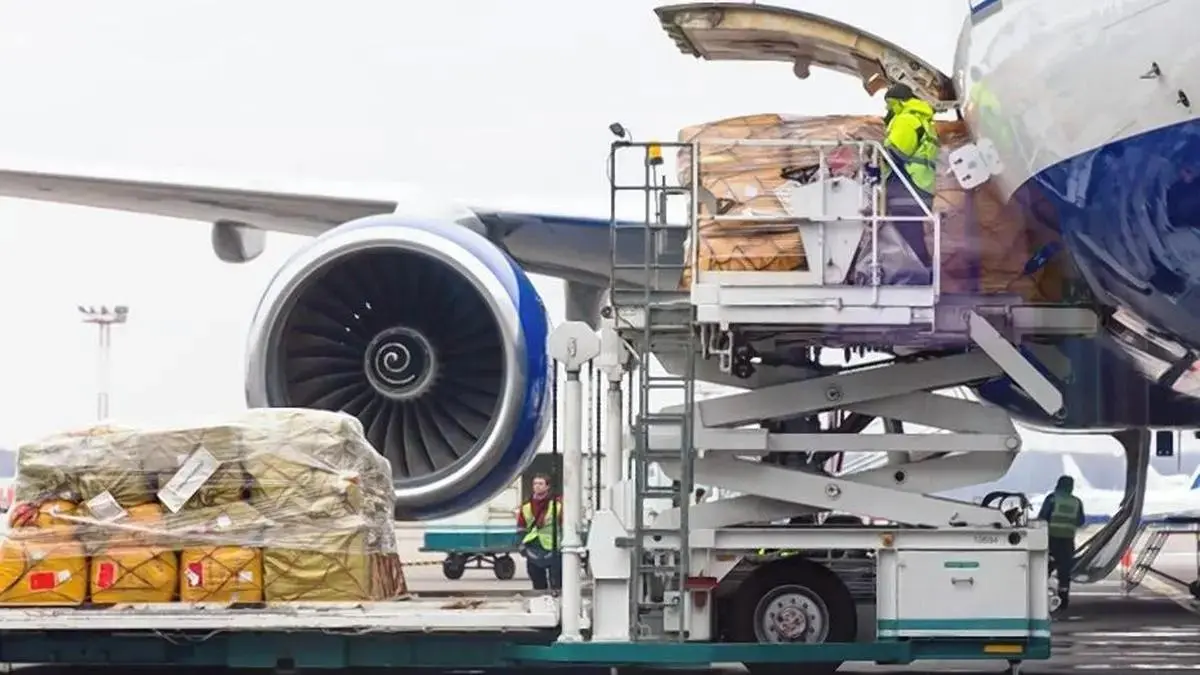
The West Asian crisis has significantly impacted air cargo exports from Keralam, with shipments from both Cochin International Airport (CIAL) and Calicut International Airport registering a steep decline during March-May 2026 compared with the corresponding period last year.According to a report prepared by the Kerala Exporters Forum, cargo volumes from CIAL declined by 36.41 per cent in March, 31.54 per cent in April and 32.84 per cent in May. Calicut International Airport witnessed an even steeper fall, with exports dropping by 53.35 per cent in March, 55.73 per cent in April and 56.63 per cent in May.Overall, Keralam’s air cargo exports also registered a decline. Export volumes fell from 13,580 TEUs in March 2025 to 11,238 TEUs in March 2026, while April shipments dropped from 11,866 TEUs to 8,622 TEUs during the same period.Munshid Ali, secretary of the Kerala Exporters Forum, said the crisis had a severe impact on the State as a substantial share of its perishable exports—including seafood, fresh vegetables, fruits and other agricultural commodities—is routed through Gulf countries, especially Dubai, which serves as a major transshipment and distribution hub.The escalation of the conflict has increased uncertainty over the safety and reliability of key maritime routes such as the Strait of Hormuz and the Red Sea. These disruptions have resulted in higher freight charges, increased insurance premiums, longer transit times and greater supply chain uncertainty for exporters, he said.He said export-oriented States such as Keralam need to strengthen alternative logistics networks expand direct international cargo connectivity and improve airport infrastructure to reduce dependence on a single transit region and build resilience against future geopolitical disruptions.One of the major reasons for the sharp decline in export volumes from Calicut International Airport is its limited cargo handling capacity. In contrast, Cochin International Airport operates wide-body aircraft capable of carrying larger cargo consignments, offering exporters greater flexibility, higher cargo availability and reduced risk of shipment delays.Published on June 29, 2026
West Asian crisis hit Keralam’s air cargo exports from CIAL, Calicut airports
Keralam's air cargo exports plummet due to the West Asian crisis, with significant declines reported at CIAL and Calicut airports.
319 words~1 min read