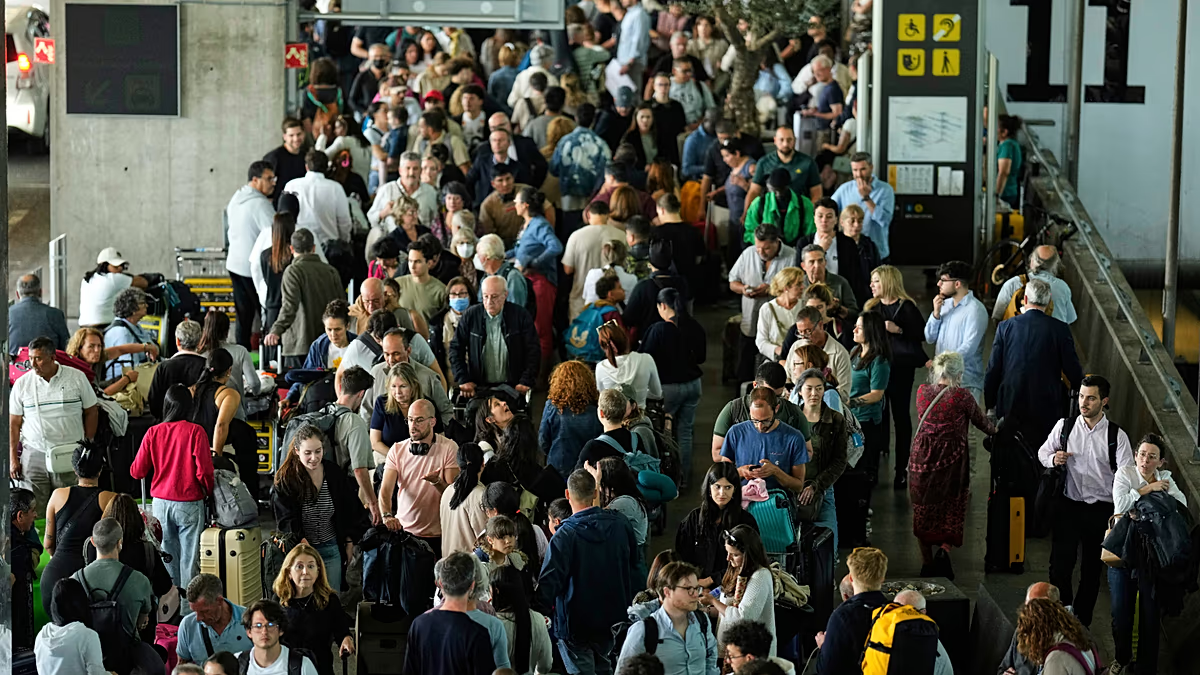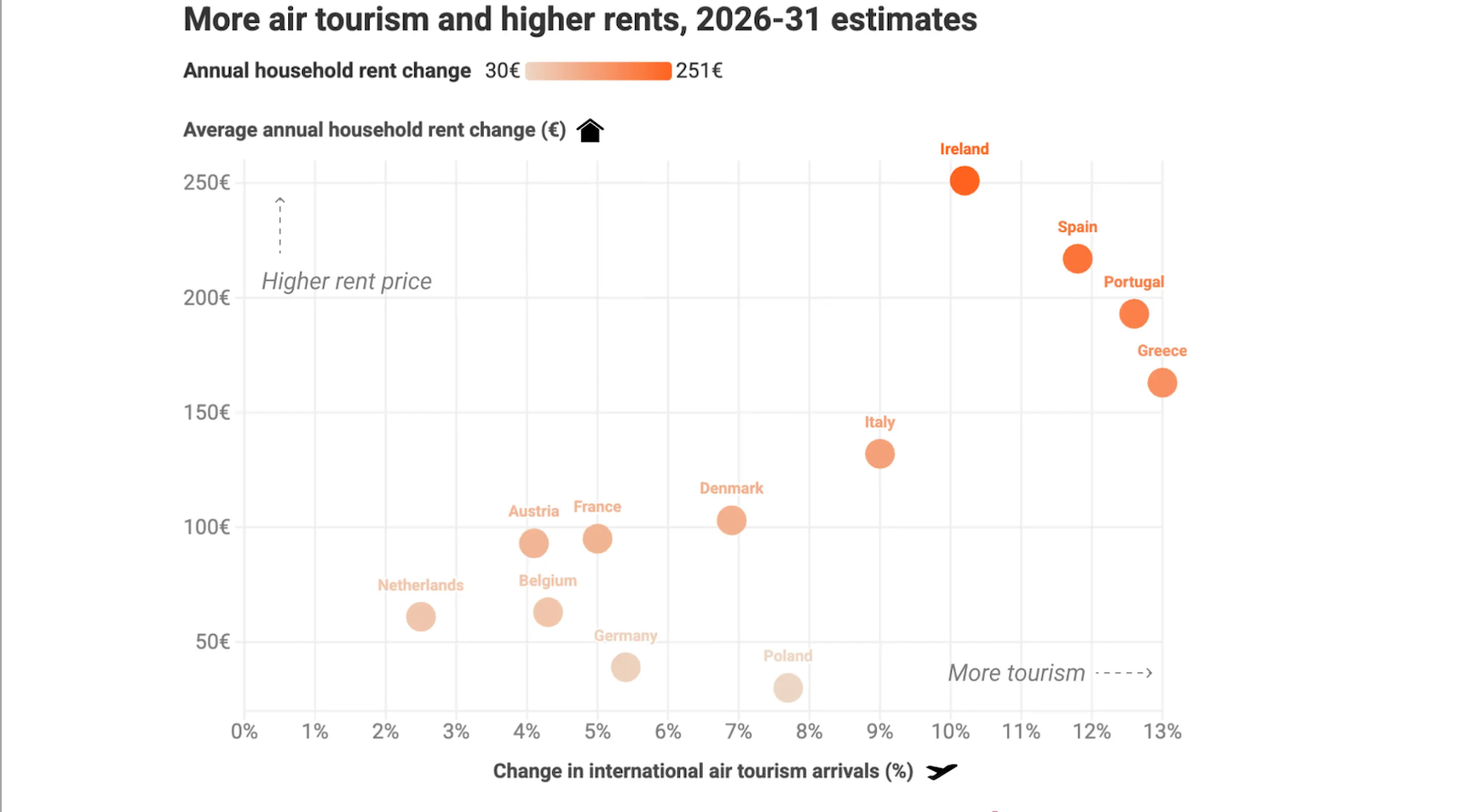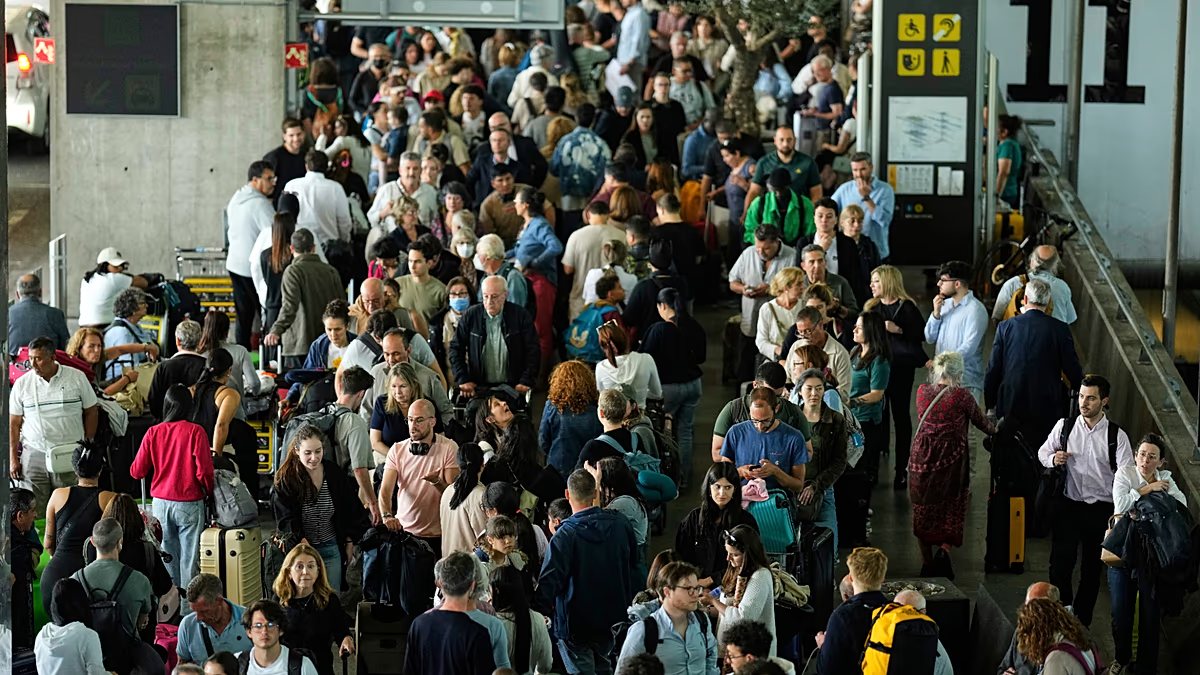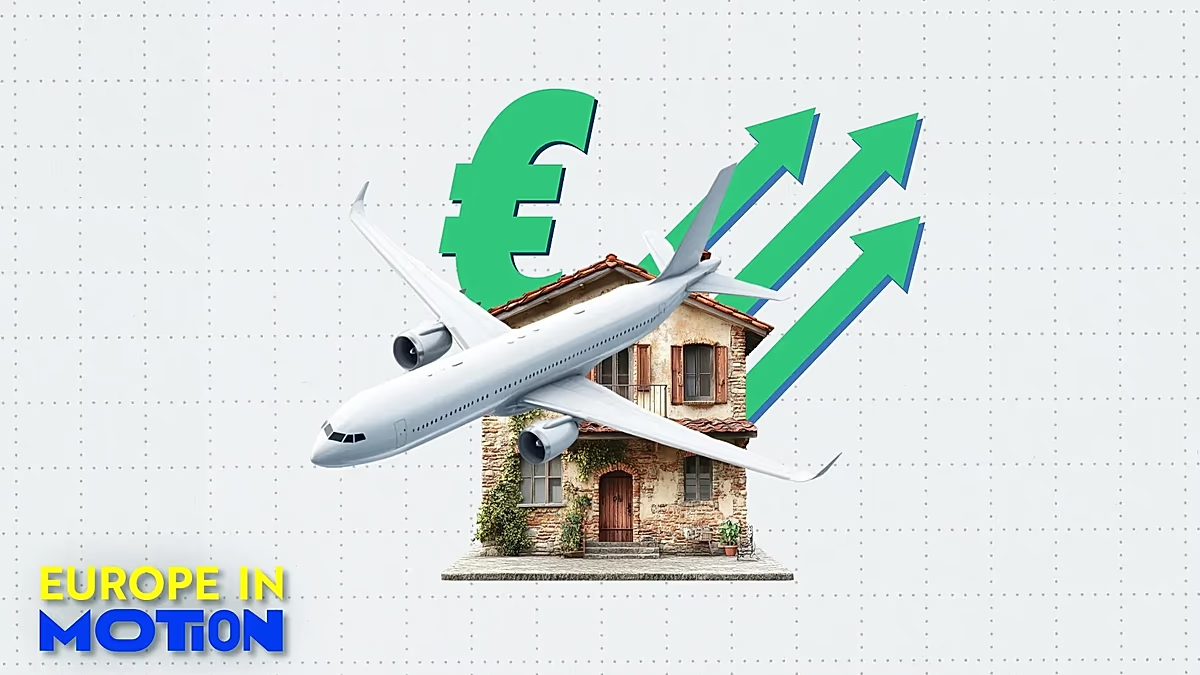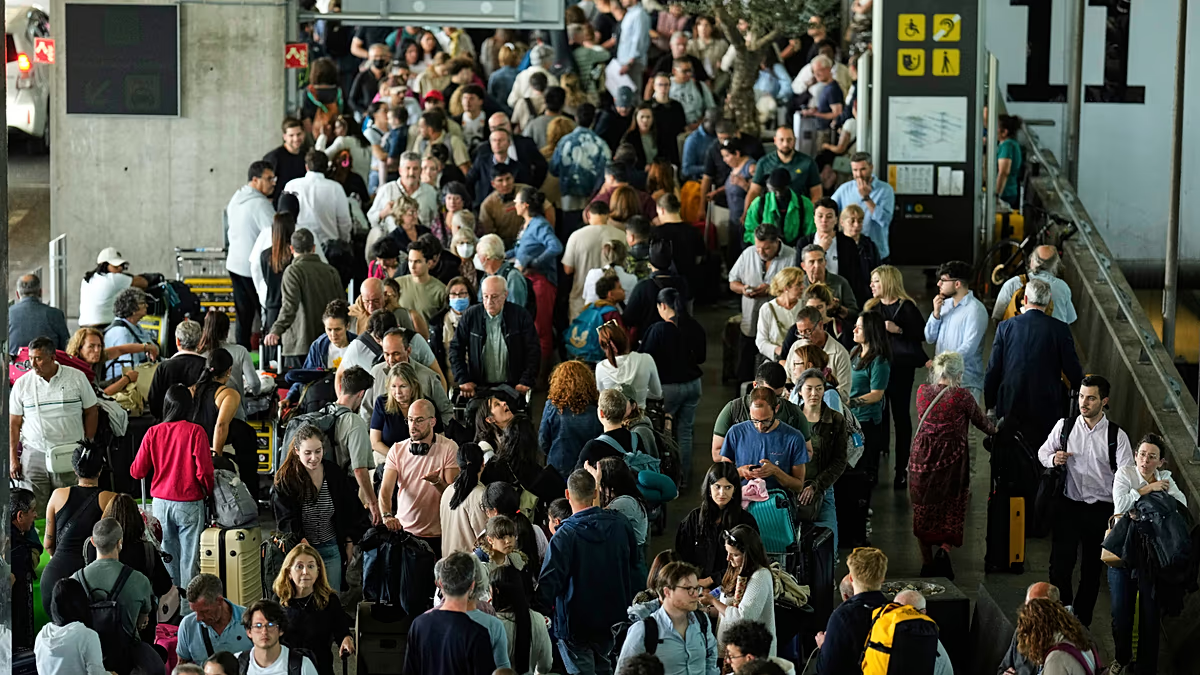
Local communities are bearing the costs of increasing air travel through increased house prices, low wages and reduced investment in other sectors of the economy, according to a new report published by a group opposed to further expansion at Dublin Airport.The report says the benefits of tourism in key European markets are “increasingly going to large businesses and property owners” rather than local workers and communities, adding that “continuous growth” in tourism is contributing to increasing rent prices in five countries including Ireland.It predicts a 10.2 per cent increase in aviation traffic in Ireland between now and 2031, which it says will, of itself, result in a house price increase of €5,500 and an annual rent increase of €250 – the largest absolute rent rise of any country studied.The report was commissioned by European climate group, Transport & Environment, while the research was carried out the New Economics Foundation, a British think-tank, and published by climate action group, Opportunity Green in Ireland.Using relationships informed by recent academic research and original modelling, the report presents projects impacts on house and rent prices resulting from international air tourism over the period 2019-31.“We evidence a wealth transfer where property owners benefit at the expense of renters, with real annual rents in some of Europe’s largest tourism economies expected to rise by more than €150 per year over the next five years,” the report said. “These rises, which represent national average increases, will be concentrated in tourist hotspots and will primarily burden lower-income households.”On the open market, rent prices were described as “highly sensitive” to house prices. “Over the long term, most of the house price impacts of air tourism growth are likely to pass through to renters,” it said. Opportunity Green Ireland senior manager, Sorcha Tunney said Europe “cannot continue pursuing unlimited growth in air traffic while ignoring its social, economic and environmental consequences”. “The debate can no longer be about simply moving more passengers through airports,” she said. “Every additional passenger flying into Dublin adds pressure to a rental market that is already failing.“This research comes at a pivotal moment as the Government moves to lift the Dublin Airport passenger cap, citing the need for unchecked expansion to support economic growth. “However, no cost-benefit analysis has been conducted to assess the full economic, social, and environmental implications of this decision. Removing the cap without this evidence would be a reckless leap into the unknown.”The report also says upward pressure on house prices from inbound tourism may lead to negative productivity outcomes in the wider economy. “In countries such as Spain, Portugal and Italy, the misallocation of capital caused by property price spikes from 2019 to 2031 would be expected to result in around a 0.4–0.5 per cent reduction in whole-economy business investment,” it says.“An industrial strategy that overemphasises tourism could reasonably weaken higher-productivity sectors, harming the long-term viability of industries and jobs.”The report says the aviation sector is responsible for an estimated 52 per cent of the global tourism industry’s direct emissions. In Europe, it says, emissions from international tourist arrivals by air are projected to rise over 60 per cent between 2016 and 2030.
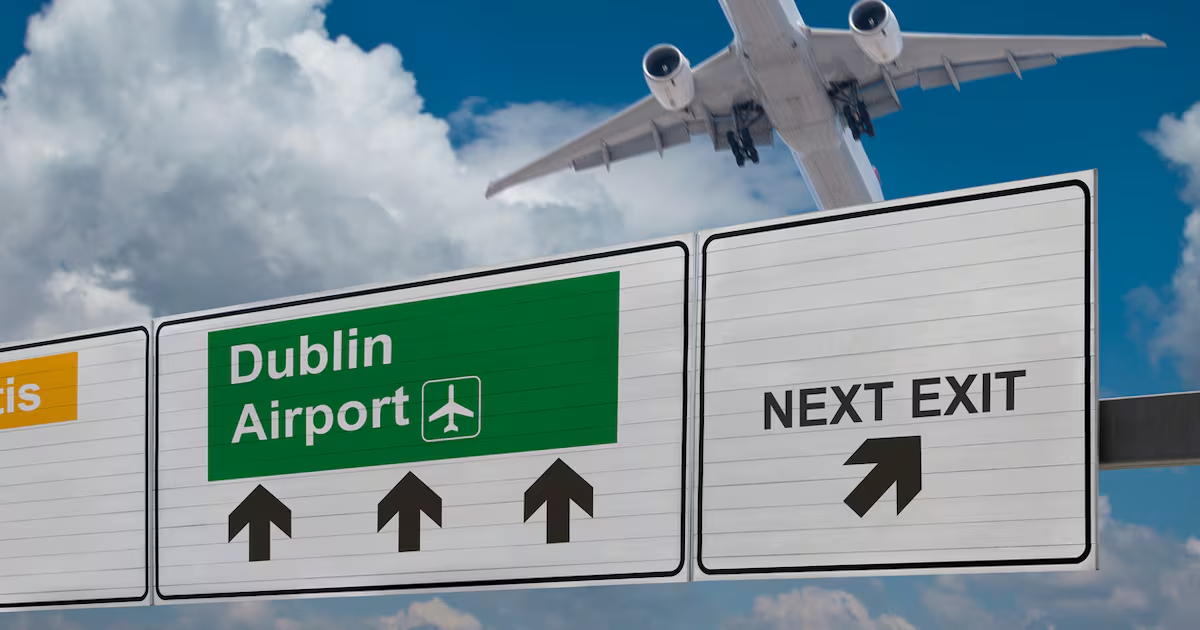
Dublin Airport expansion criticised as report claims growth in tourism raises property prices
Benefits of tourism in key European markets ‘increasingly going to large businesses and property owners’, not local communities, says Opportunity Green
TL;DRAI
Report stima +10.2% traffico aereo Dublino 2031: aumento case +€5,500, affitti +€250/anno con impatto su costo talent. Economia focalizzata su turismo mass-market distrae capital da settori high-productivity (tech); misallocation di risorse riduce competitività nazionale a lungo termine.
523 words~2 min read