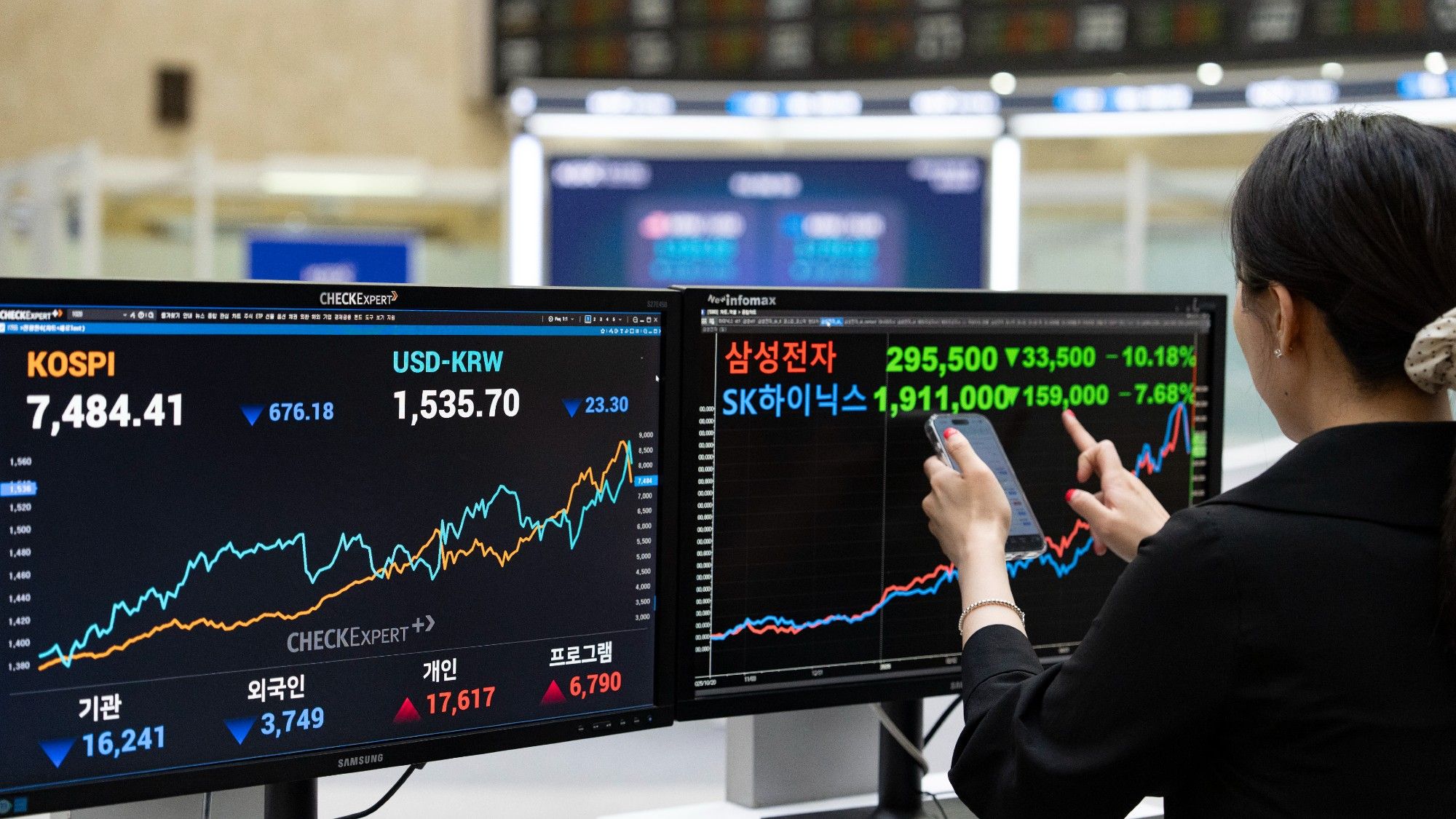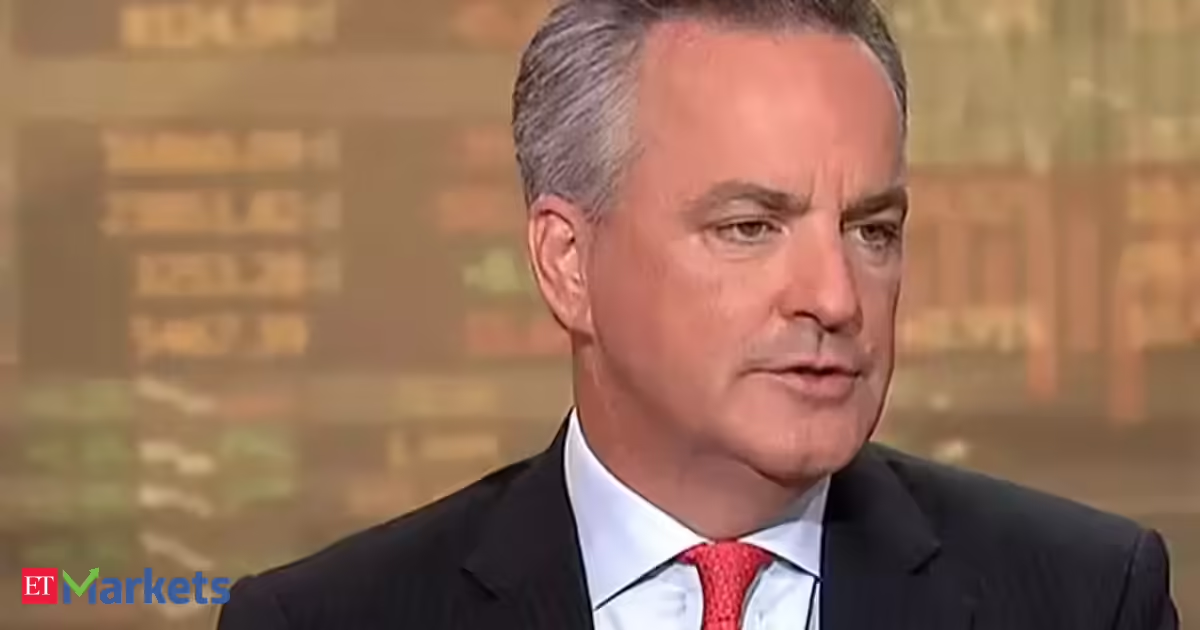
The recent volatility in South Korean semiconductor stocks has revived concerns over whether the AI-driven rally is beginning to lose steam. However, Adrian Mowat,EM-Equity Strategist believes the latest correction reflects a pause after extraordinary gains rather than the bursting of an AI bubble.Rally backed by fundamentalsOn whether the recent sell-off signals the start of an AI bubble bursting, Mowat said: "I am not sure if the phrase 'bubble bursting' is correct. The movement in Micron, SanDisk, Hynix and Samsung has been driven by very dramatic positive earnings revisions because the supply-demand dynamics for semiconductors are so tight.""The next phase should be identifying which companies are actually increasing revenue or reducing costs by applying AI. We need to see that for the AI theme to progress over the next couple of years," he added.Korean market volatility likely to continueCommenting on foreign investor outflows from Korea, Mowat said: "I do not think there is a short-term change in the flows from foreign investors. We are going to spend the rest of this year seeing high volatility in these memory names."On valuations, he added: "Their PE multiples actually look quite reasonable, and there is no clear evidence that there is a big supply increase coming in this sector."India has not escaped AI concernsDiscussing the impact on India, Mowat said: "India has hardly been insulated from this. We have had the tech sector down something like 30-plus percent year-to-date because of AI and the fear of AI."He believes sentiment could improve if Indian IT companies demonstrate tangible benefits from AI adoption. "If we were to start seeing some of the Indian IT companies proving that they can help customers use AI effectively, then that would definitely change sentiment," he said.AI story entering its next phaseWhile semiconductor companies have been the biggest beneficiaries of the AI boom, Mowat believes the next leg of the rally will depend on businesses translating AI investments into higher revenues and improved profitability. Until then, he expects volatility to remain elevated, even though the broader AI investment theme remains fundamentally intact.
AI chip rally faces reality check, but bubble fears may be overdone: Adrian Mowat
South Korean chip stocks are experiencing a temporary dip, not an AI bubble burst, according to EM-Equity Strategist Adrian Mowat. He attributes the volatility to strong earnings revisions driven by tight supply and demand. The next phase requires companies to show AI-driven revenue growth and cost reductions. Indian IT firms could see sentiment improve by demonstrating AI's tangible benefits to clients.
TL;DRAI
Mowat argues semiconductor volatility (Micron, Samsung, Hynix) is a pause, not bubble bursting—earnings revisions dramatic, supply-demand tight. Next phase: companies must prove AI increases revenue or cuts costs; valuations reasonable but volatility will persist.
341 words~2 min read