Comments
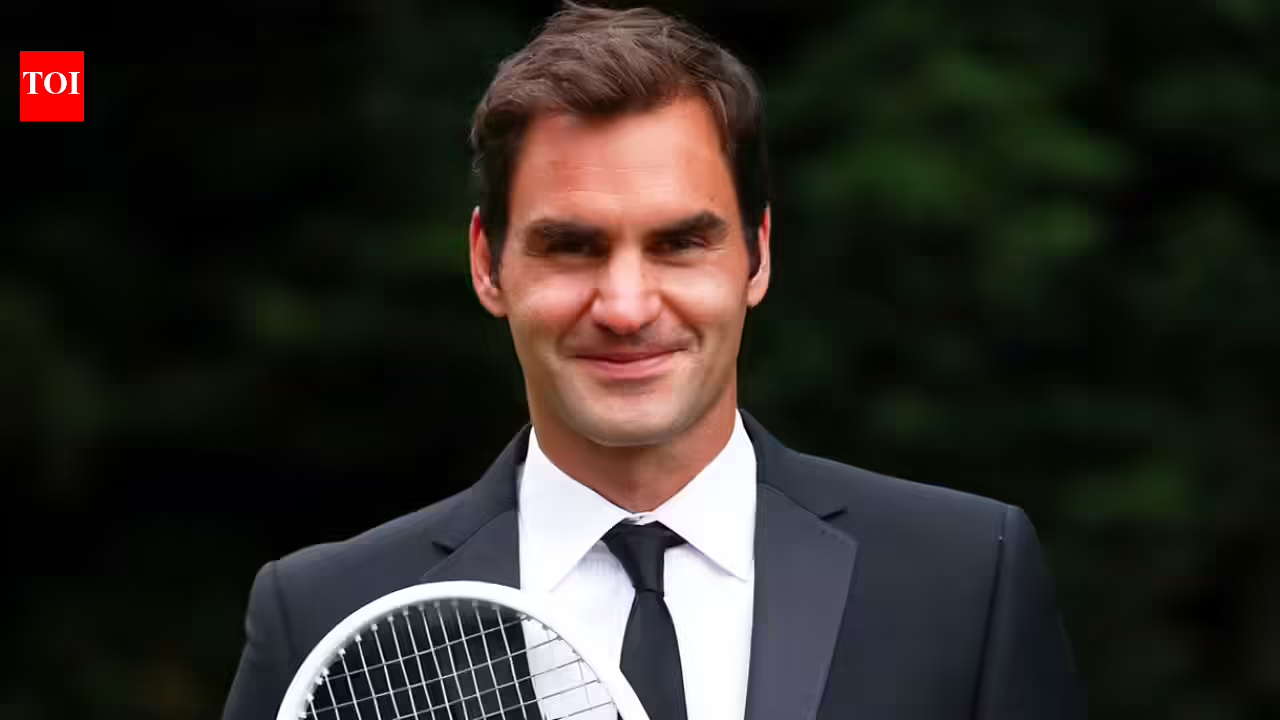
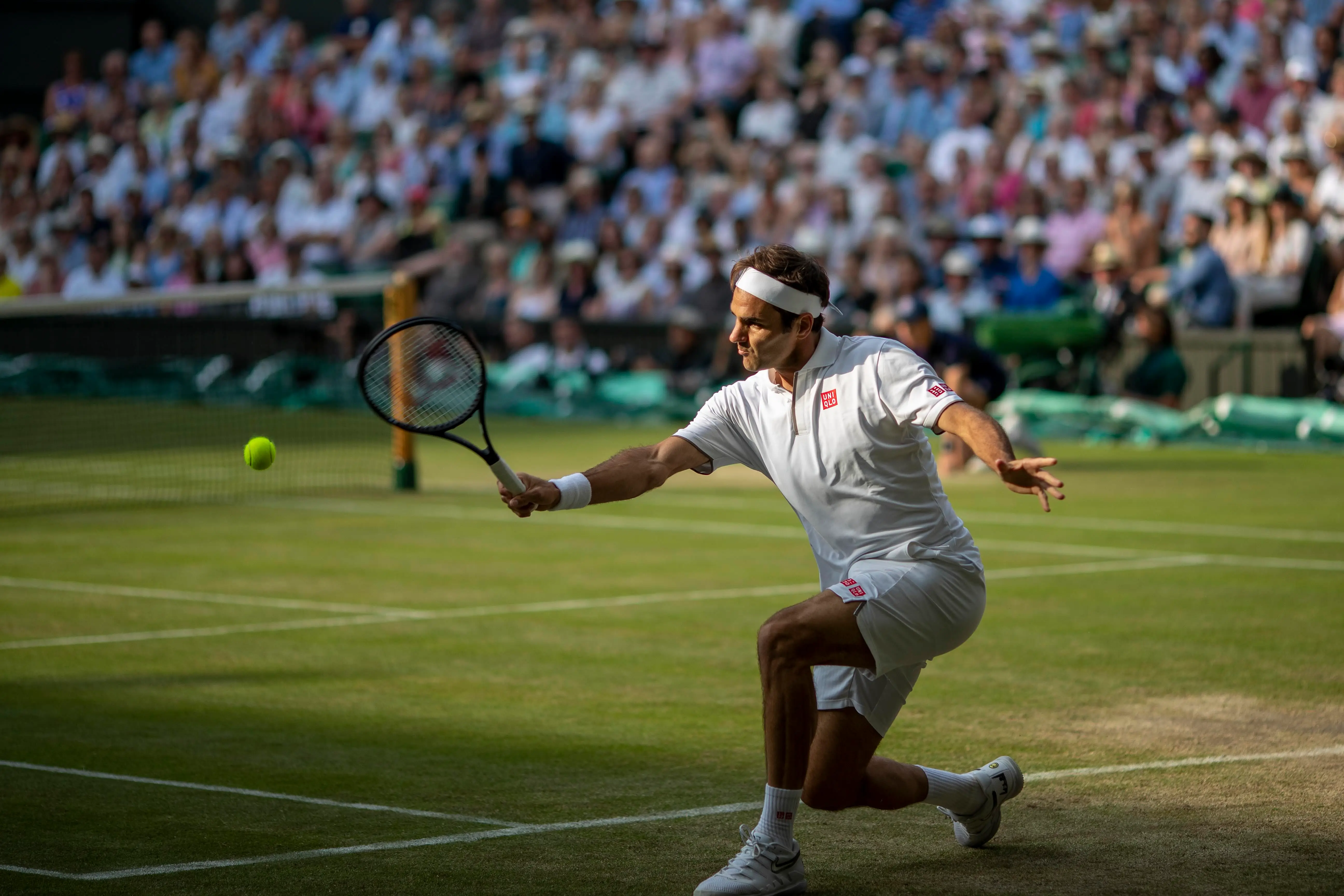
Epic figures leave epic gaps when they retire. The generations that follow are doomed to be compared to past heroes by nostalgic fans. So it is with Roger Federer. Novak Djokovic might be the GOAT (greatest of all time, to use the phrase du jour) in terms of sheer numerical achievement. But tennis is art, not science. Ballet, not bookkeeping. For the aesthetes among us who drink in the sight of on-court grace like champagne, Federer will always be number one. To answer why, you don’t need words, though heaven knows enough have been written about the grace of Rog. (David Foster Wallace famously called watching the Swiss savant ‘a religious experience’). Click on any clip and watch Fed glide on the court, near-supernatural in his poise. He moves like Wodehouse’s hero-butler did in the Jeeves and Wooster novels. Always ‘shimmering’ in and out of view, exactly where he needed to be. Roger’s lantern jaw and piercing eyes certainly didn’t hurt. Still, a note is needed on his backhand. That one-hander is still enough to turn any viewer Italian: Mamma mia indeed. Roger’s precise yet powerful shot, and how it ended with outspread arms, like a vicar saying ‘here endeth the lesson’, are the reason I practice the one-hander myself. This, despite the fact that it’s a dying art. Once, dozens of the top 100 male players used it. Now, it’s been near-eradicated by the reliably mundane double-fisted sledgehammer of the ‘2HBH’ (two-handed backhand). But if Roger’s legacy was about mere style, it would have sputtered out already. We miss the Federer years not just because of him, but because of the era itself. And good times they were too — it all looks impossibly rose-tinted now. Roger’s highest peak (commonly agreed to be 2003-2009) was a simpler time. The game itself had space to shine, unencumbered by today’s mountains of onscreen data touting win predictors and serve speeds.