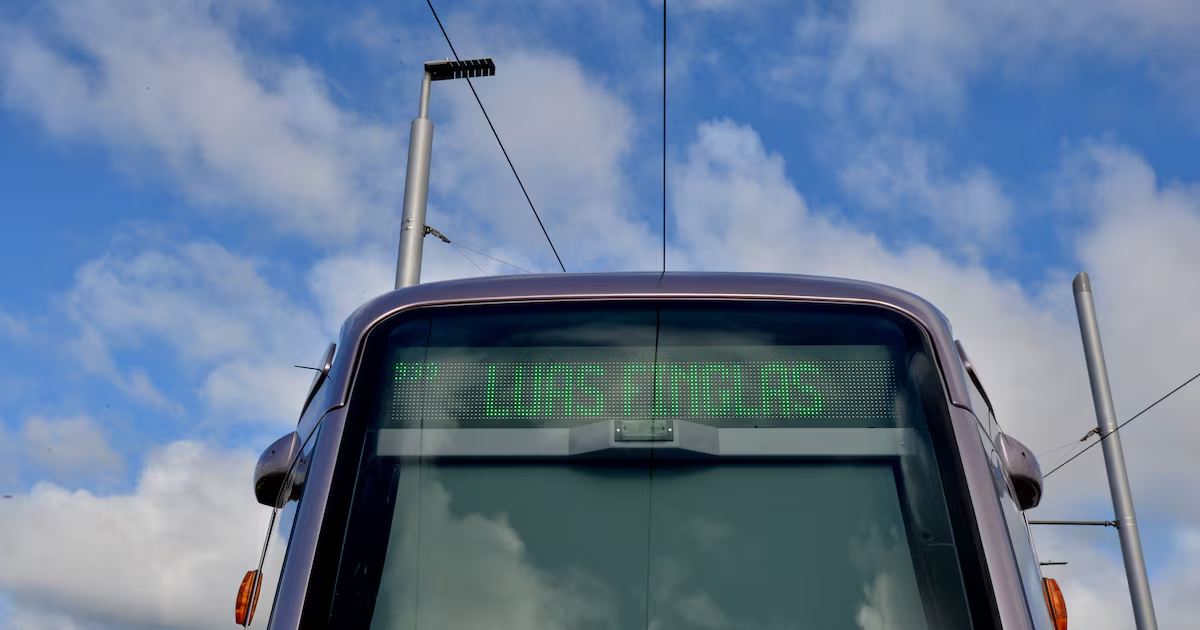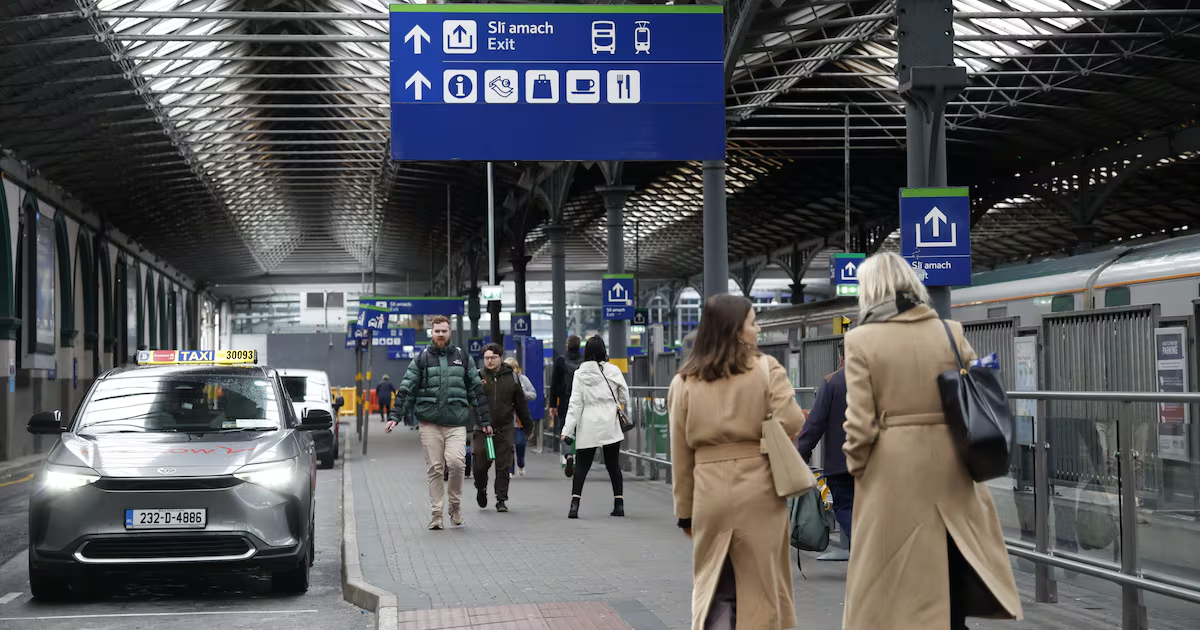
I was on my regular two-leg train journey from Westport to Cork Kent recently when I finally spotted the conductor who helped me foil the robbery of my suitcase last October. On that occasion I was travelling back west, and while the train was stopped in Athlone awaiting the arrival of a connecting train from Galway, I happened to look back to the luggage alcove and saw that my case had vanished. Through the window, I spotted the green and red Mayo plait I had tied to its handle gently blowing in the breeze as it was about to disappear into oblivion.I jumped onto the platform shouting a litany of expletives which fortunately stopped mo dhuine in his tracks. After a little melee, I grabbed my bag from him as he half-heartedly protested to the conductor. Being greeted with applause when I returned to my seat somewhat made up for the indignity. Nine months later, the same conductor now tells me that when Irish Rail staff examined the CCTV footage afterwards, it confirmed that the thief had got on the train bagless in Tullamore. When questioned he had given two different names and phone numbers: a bit of a giveaway. As it turns out there was a spate of similar thefts of luggage around that time by a couple of different gangs, but a concerted effort by gardaí put a halt to them. In truth, the foiling of robberies is the least of Irish Rail’s problems as it grapples with the fallout from a €50 million write-down due to serious flaws in the first phase roll-out of its planned traffic management system. There is probably not much comfort to be derived from a recent report by the Commission for Railway Regulation, which confirmed an all-new high of 55.04 million passengers on its services in 2025.Now, as the height of the tourism season approaches and a significant percentage of train users are visitors from other countries, it seems farcical that our State-owned transport company cannot provide a food and drinks trolley on all its services - and that it has, until recently, been solemnly informing passengers that the suspension of on-board catering is due to the Covid-19 pandemic. At the very least, it could alert passengers in advance using its digital timetable boards when there is no trolley service, giving the unprepared an opportunity to hydrate - and not faint from thirst or hunger when the train happens to break down, gets delayed, meets a herd of cattle on the line or simply overheats, as happened recently on the Dublin to Rosslare Europort service. Add in the chaos often caused by the frequently malfunctioning booking system, leaving customers to battle it out for seats they have paid for and pre-booked; the notoriously temperamental nature of the wifi and air-conditioning and the difficulties encountered by passengers trying to raise any of this with Transport for Ireland’s customer service, it is no surprise that a 2025 expert report by Gardiner and Theobold (G&T), a global rail and transport consultancy, is less than wholly complimentary. It highlights the fact that our rail system relies on Victorian engineering and is “fragmented and chronically underutilised ... Dublin-centric”. The report argues that as ambitious plans outlined in Rail2050 are implemented to transform the country’s rail infrastructure, as a result of the All-Island Strategic Rail Review, its delivery will be challenging. While “this transformation envisions a faster, greener and more connected future” with plans “to electrify key routes, reinstate disused lines and expand services to underserved regions”, its delivery by 2050 is far from simple, due to funding issues and complex planning processes.By all accounts the Irish railway system is an outlier in Europe with rail accounting for only three per cent of journeys, compared to an EU average of eight per cent of passenger-kilometres. Rail electrification is also at an extremely low level with only 2.6 to 3 per cent of the network electrified, by the far the lowest in the EU. The EU average is 57 per cent. “The network’s radial design - with Dublin at its hub - limits regional connectivity. While intercity travel is relatively efficient, the absence of lateral connections inhibits movement between regional centres. Areas such as the north-west and western seaboard are effectively rail deserts, with little to no rail infrastructure. Meanwhile, cities like Limerick, Galway and Sligo do have rail connections, but their poor interconnectivity with other regional centres inhibits growth and reinforces Dublin’s economic dominance,” the G&T report states. It is clear, as Cliff Taylor observed recently here about the Luas Finglas planned extension, that there is a chasm between plans, policies and progress in real time. To take another example, the reinstallation of the Western Rail Corridor was first mooted by government and community group West-on-Track in 2003. It proposed the restoration and reopening of disused railway lines between Sligo and Limerick.Seven years later in 2010, phase one – from Athenry, Co Galway, to Limerick Junction via Ennis – became operational. However, this journey often involves two changes and takes from two hours, 40 minutes to over four hours in some cases, according to the Irish Rail app. It takes about 1hr 27m by road. It was another 15 years, late 2025, before the Government approved phase 2 – the reopening of lines between Athenry to Claremorris, Co Mayo.The projected opening of that phase is 2031, which means it will have taken 27 years to reopen about 150km of railway infrastructure. Meanwhile, Irish Rail’s head of transformation, Michael Power, told Trinity College Dublin students in April that the company operates more than 5,000 passenger services each week with over one million passengers across 147 stations. He said that with the Rail50 strategy written, it was now time to implement it: “Catching up with our European peers is not about copying models blindly but about re-establishing rail at the centre of our transport system.” I really wish Irish Rail well, but I won’t be holding my breath.Áine Ryan is a journalist and sociologist
Áine Ryan: Irish Rail’s problems are bigger than my stolen suitcase or the non-existent tea trollies
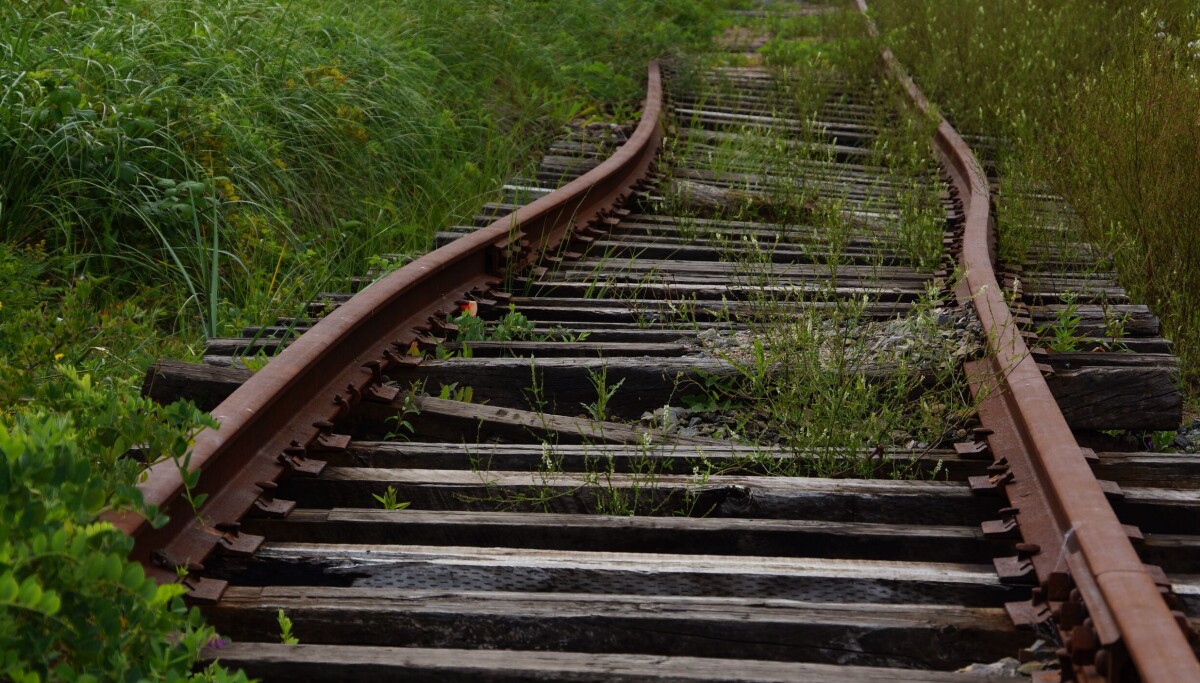
On current projections, it will have taken 27 years to reopen about 150km of railway
TL;DRAI
Irish Rail writes off €50M from traffic management system failure. 3% modal share (EU avg 8%) and 2.6% electrification (EU avg 57%) expose governance and legacy architecture barriers—enterprise transformation risk pattern for CTO decision-making.
1,004 words~5 min read