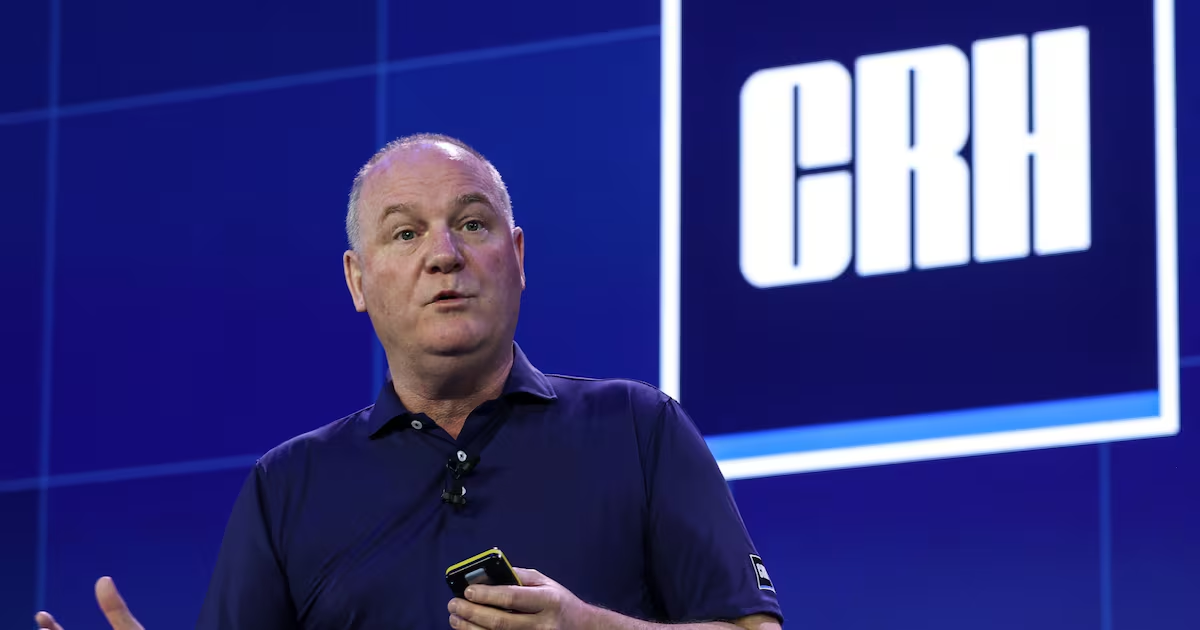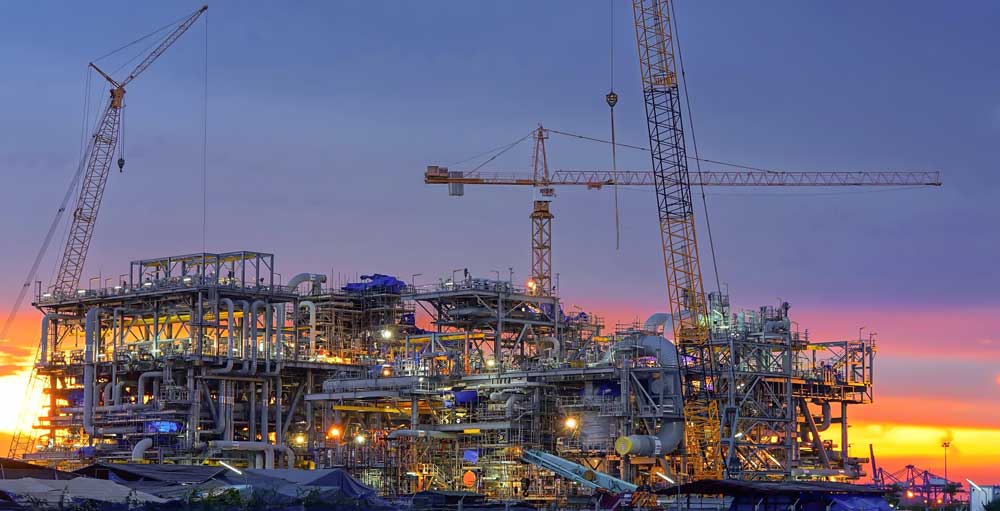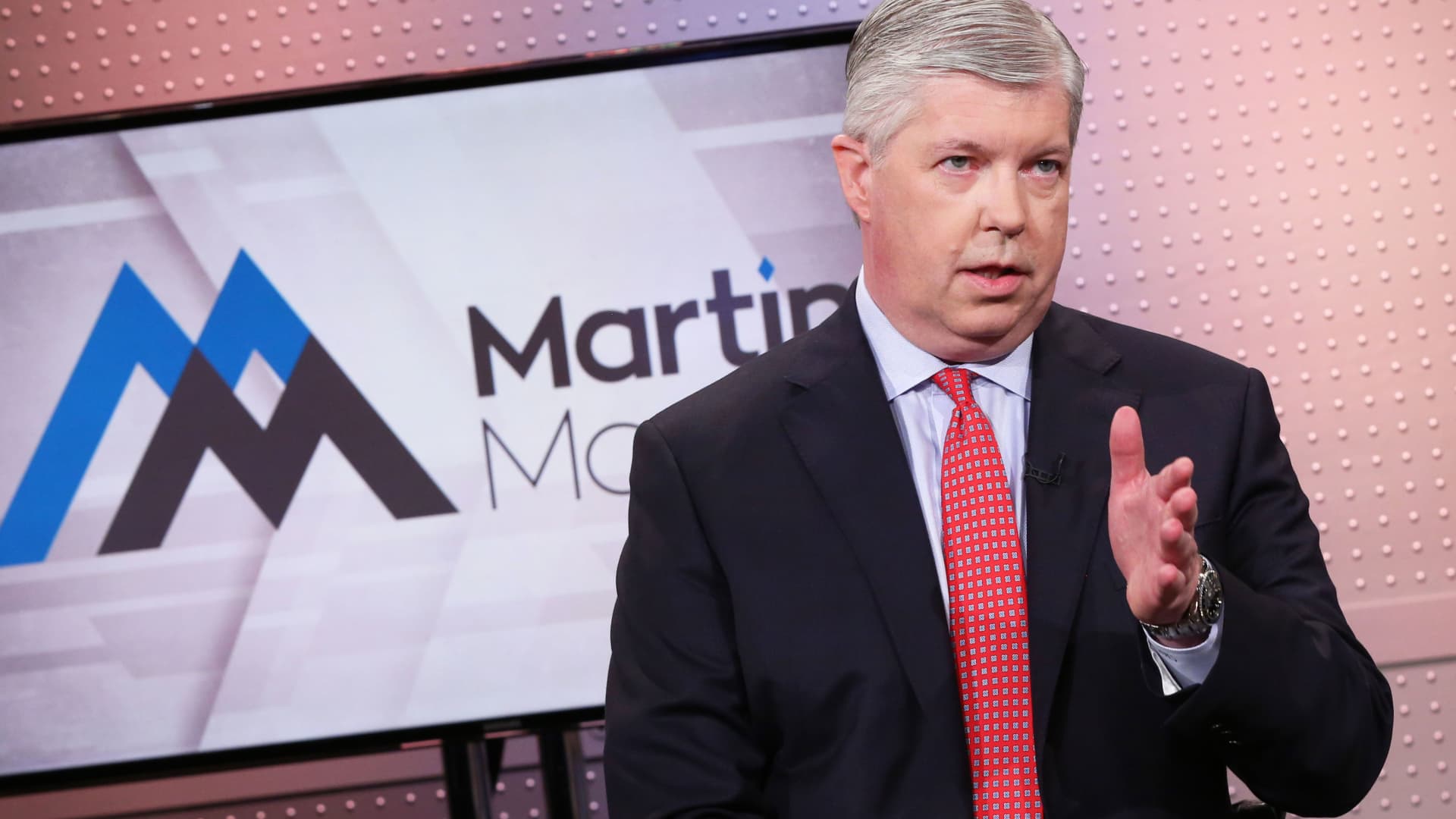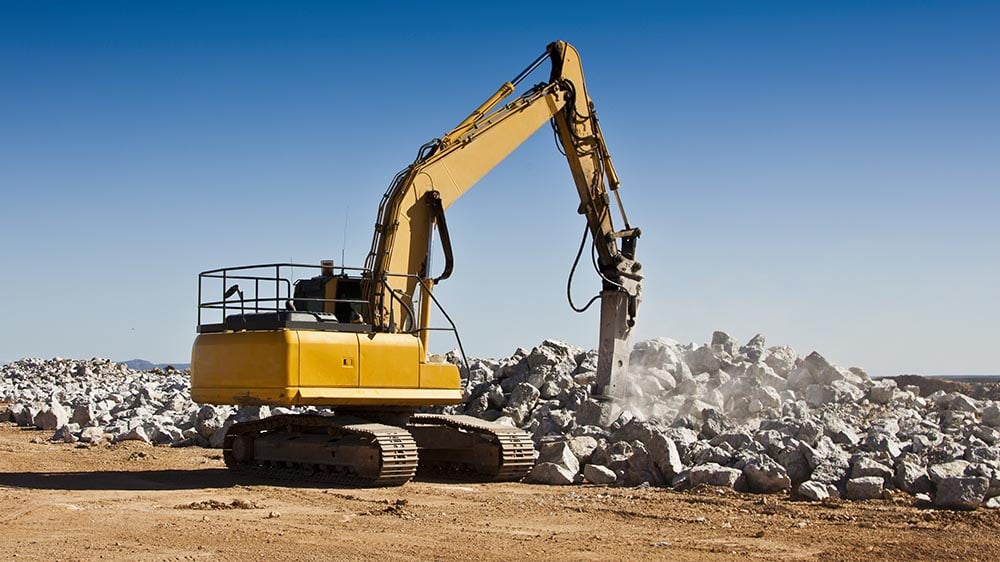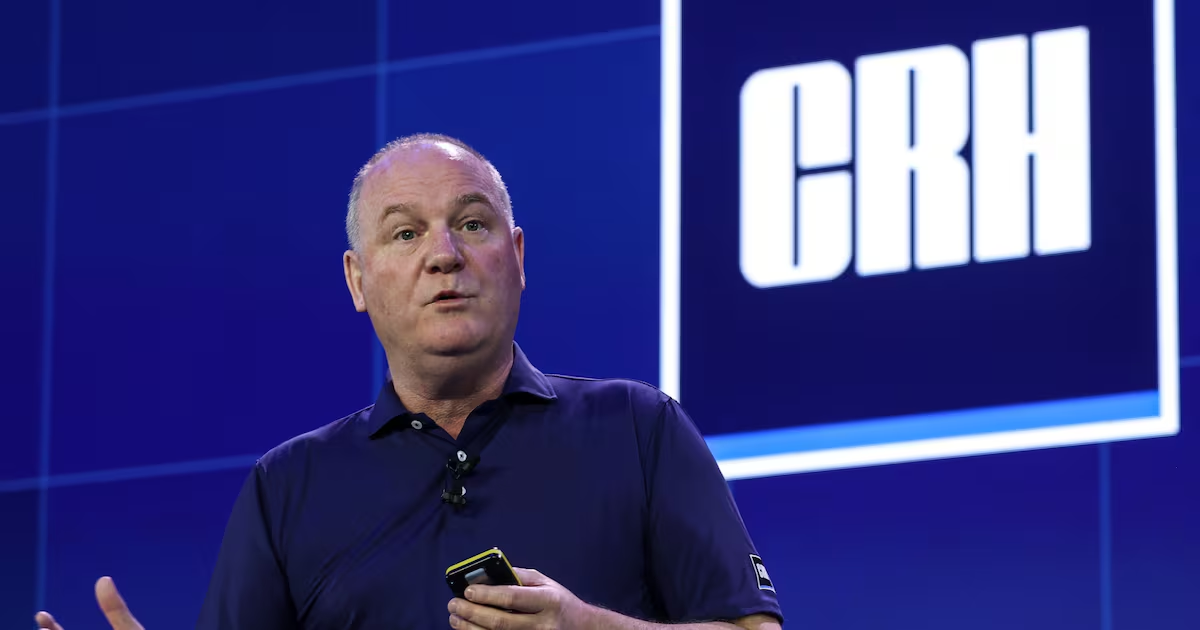
CRH’s agreement to acquire Arcosa for $8.5 billion (€7.45 billion) marks its largest takeover, and offers another clue to the kind of business it is becoming.Arcosa is a US materials and infrastructure group, reinforcing CRH’s shift towards US businesses that typically command higher valuation multiples than traditional building materials groups.The move sits within what Bank of America’s Michael Feniger describes as a broader “portfolio transformation”. CRH has been reshaping its business, completing $1.9 billion of divestitures so far in 2026, including lawn and garden and composite decking assets, while also acquiring water and other infrastructure-related businesses. The result is a gradual reorientation of earnings towards US infrastructure-linked demand. Moving its listing from Dublin to New York in 2023, followed by its full delisting from the London Stock Exchange in April, forms part of the same repositioning of CRH towards US capital markets. About 65 per cent of shareholders are now US-based, chief executive Jim Mintern said last month, up from the mid-20s before the move.Still, the Arcosa deal leaves questions. This is a big acquisition, and Arcosa trades at a higher valuation multiple than CRH. Expected cost synergies of about $175 million help bridge part of that gap, but also carry the assumption that integration benefits will be realised in full.That assumption matters. Much academic work on acquisitions suggests many expected synergies are only partially realised in practice, often due to integration complexity or conservative upfront estimates.CRH shareholders will hope for a better outcome, but the muted market reaction suggests investors are taking a wait-and-see approach rather than pricing in a clear re-rating from the deal.
CRH’s $8.5bn Arcosa deal reinforces ‘portfolio transformation’ strategy
The Irish firm is shifting emphasis even more towards the US
TL;DRAI
CRH acquires Arcosa for $8.5B—largest deal—to pivot portfolio toward US infrastructure with superior valuation multiples. Expected synergies of $175M depend on full integration; muted market reaction signals investor doubt on value realization.
266 words~1 min read