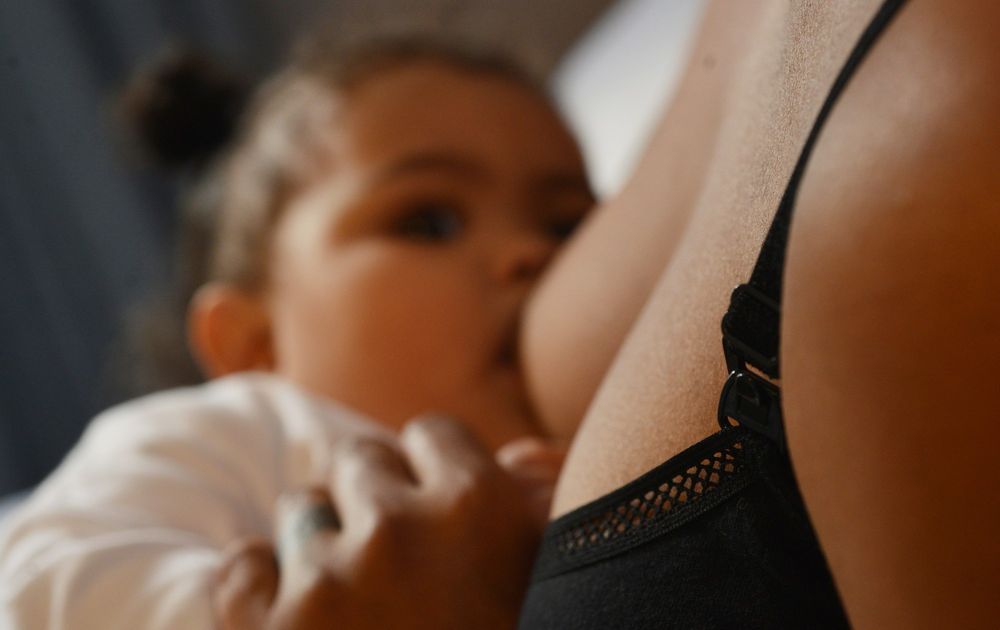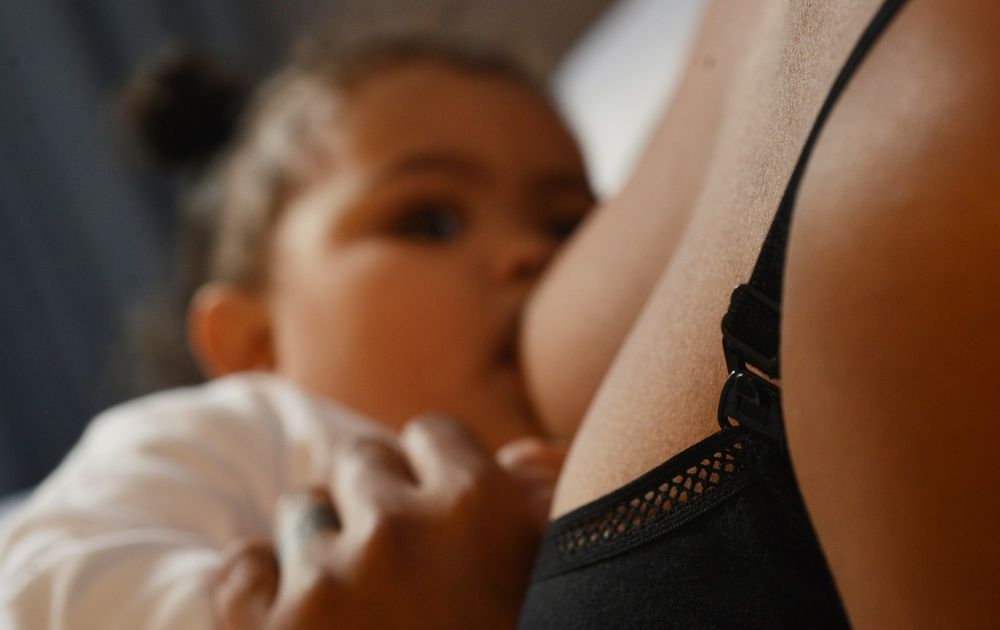
The World Health Organization (WHO) recommends exclusive breastfeeding for the first six months of life because of its many proven benefits, including protection against infections and support for healthy long-term development. However, perceptions that breastfed infants sleep less or require more frequent feeding than formula-fed infants remain common among parents and caregivers.
Short sleep duration during infancy has also been linked to obesity, behavioral problems and poorer cognitive performance later in life. Therefore, adequate sleep during this period is considered important for healthy physical and psychological development. Although infants are known to gradually develop longer, consolidated sleep periods, some caregivers choose formula feeding partly because of concerns about their child's sleep.
To better understand the relationship between infant feeding and sleep, Yuri Nakagawa, a doctoral researcher at the University of Toyama, Japan, and colleagues analyzed data from the nationwide Japan Environment and Children's Study (JECS), one of the world's largest birth cohort studies. The study examined 82,918 mother-infant pairs to investigate whether feeding practices during the first six months of life were associated with sleep duration at 1 year of age. The findings were published in the European Journal of Clinical Nutrition on March 31, 2026.