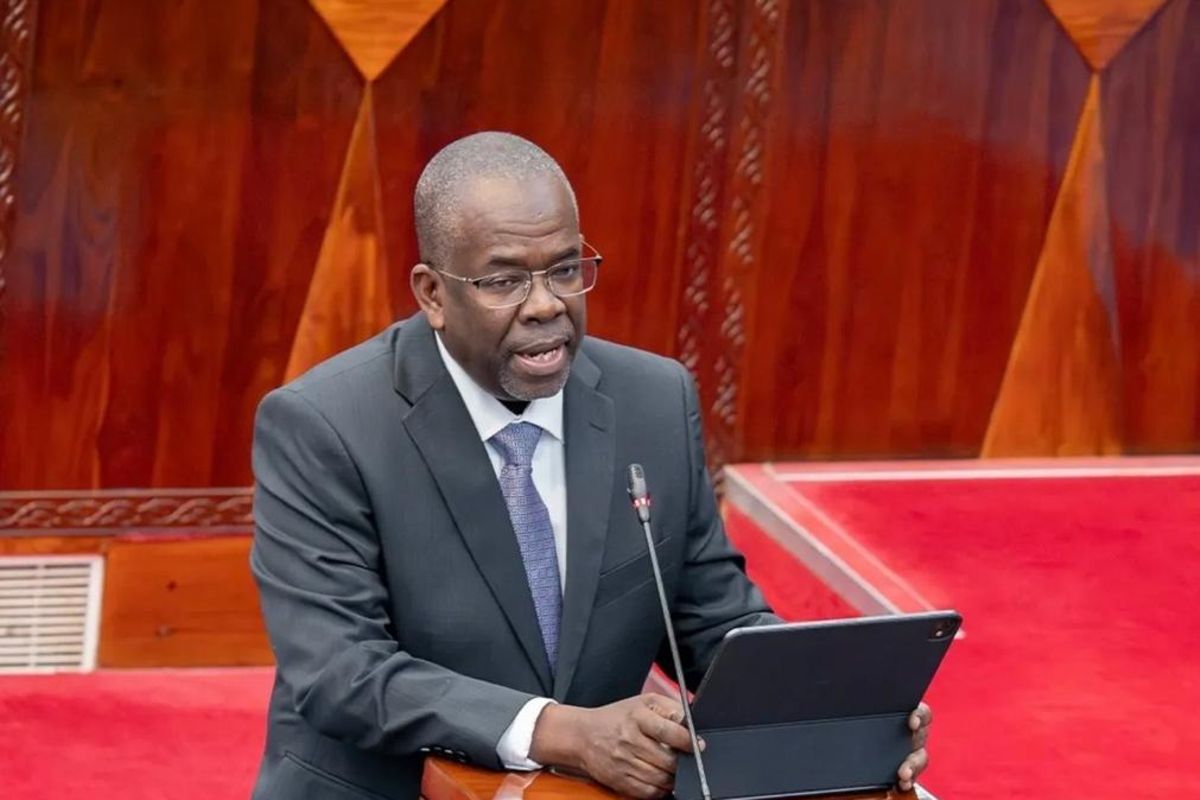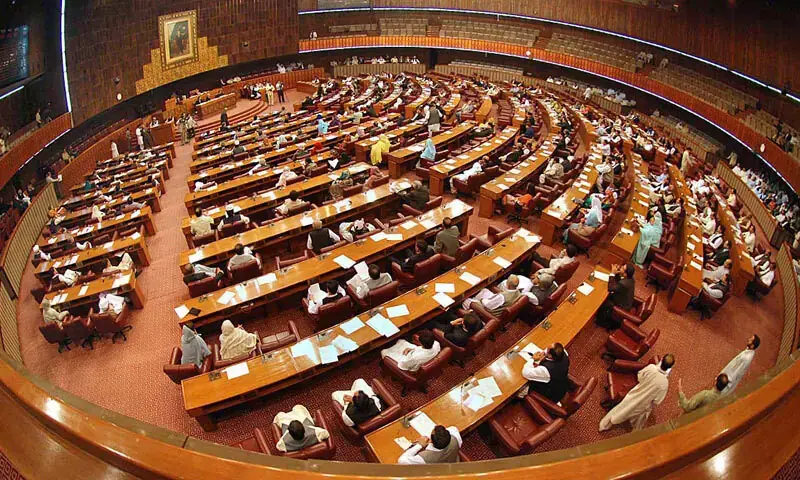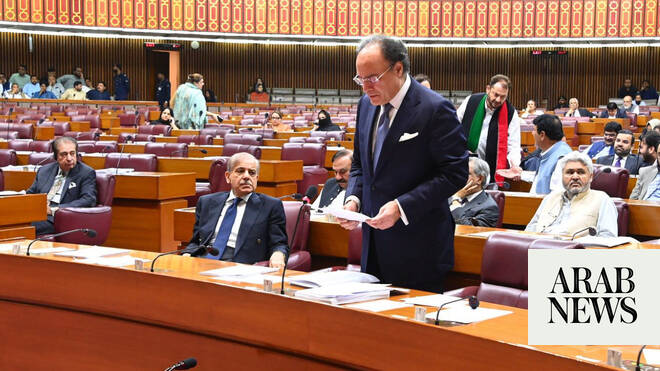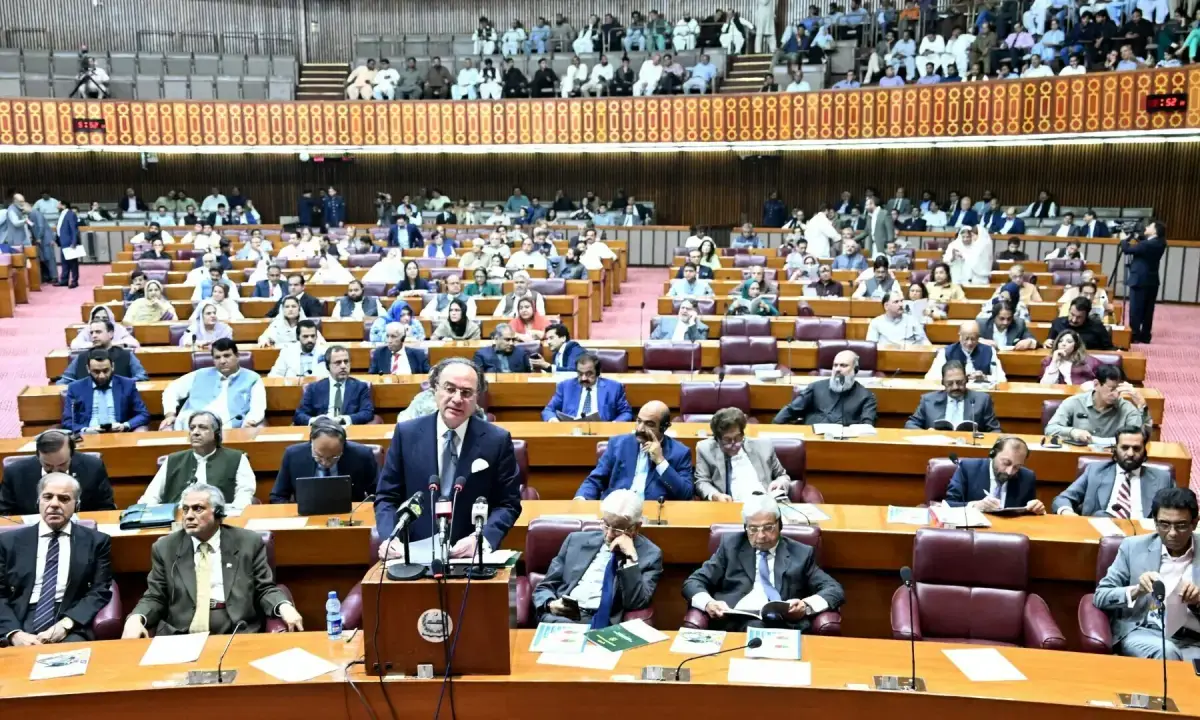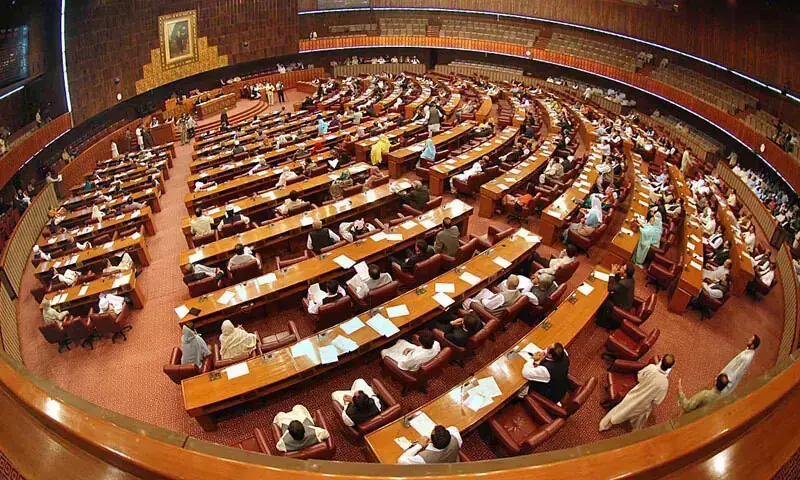
Parliament passed the Rs18.8 trillion budget FY27 on Tuesday, June 23, 11 days after its presentation on June 12, following successive daily sittings. The budget incorporated around 30 major government-backed amendments while rejecting all of the opposition’s proposals. The proceedings were marked by repeated disruptions and heated protests from opposition parties throughout the budget sittings.
A robust budget debate, with active parliamentary participation, meaningful Senate scrutiny and detailed examination by parliamentary committees, is widely regarded as essential to an effective budget process. It strengthens democratic oversight, promotes transparency and accountability, improves the quality of fiscal decision-making and helps ensure that public spending better reflects the priorities and aspirations of the people through their elected representatives.
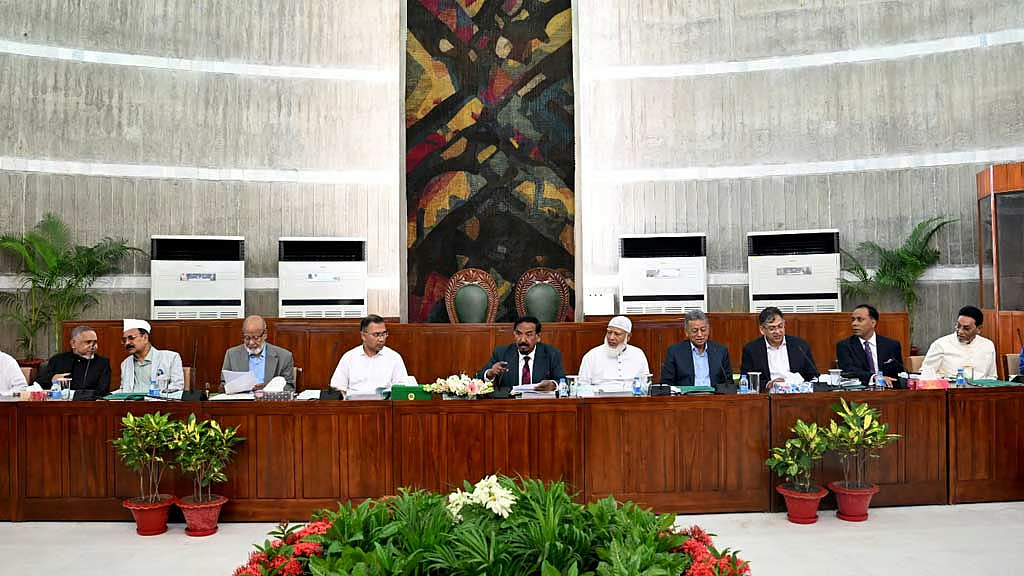
There has been some progress, with greater parliamentary participation and a more active role of the finance committee in budget scrutiny, supported by technical experts. Yet Pakistan still has a long way to go to make the process more inclusive, rigorous and effective. Allowing more time for parliamentary scrutiny, instead of rushing the budget through in little over a week, would be an important step. Globally, legislative budget debates range from two weeks to over three months, while in Bangladesh and Sri Lanka they typically last at least three weeks.