Audio By Vocalize
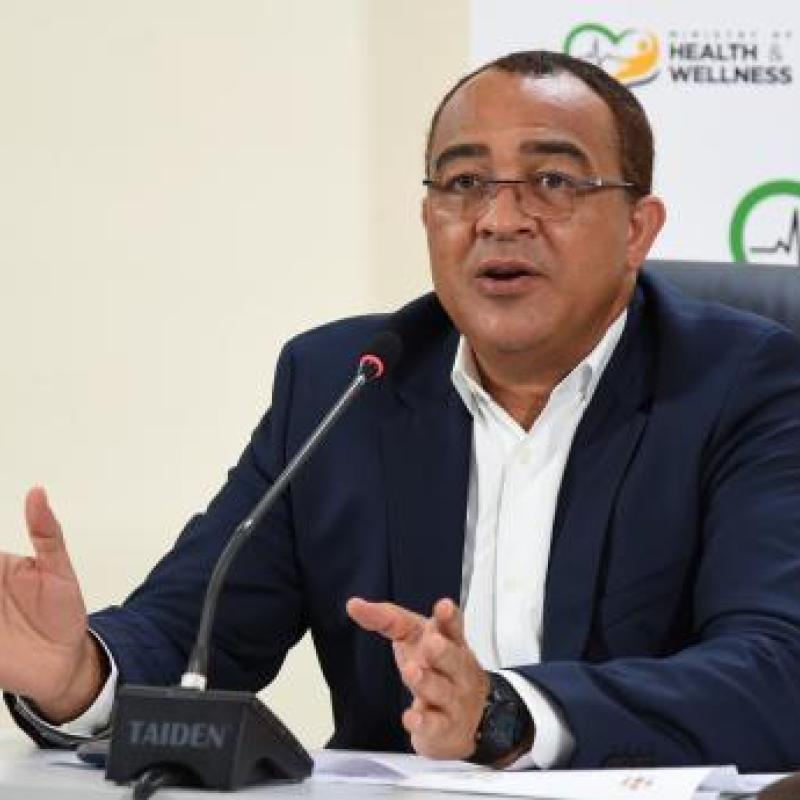
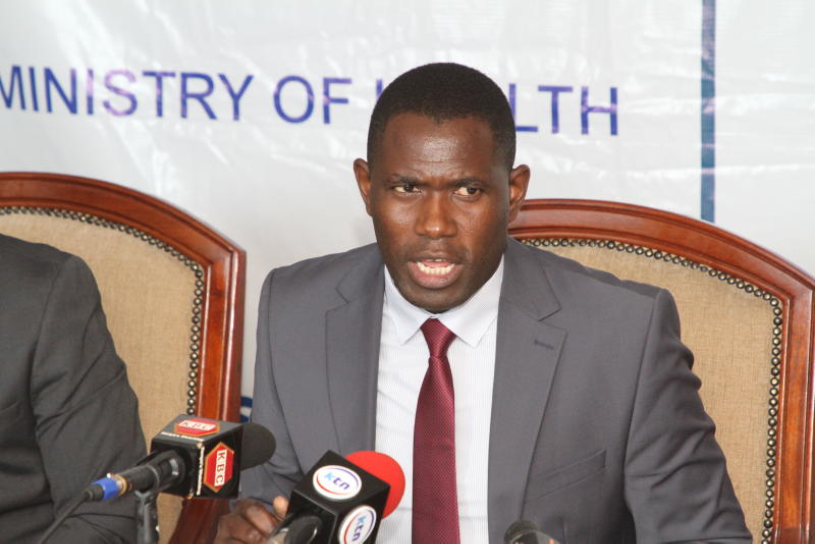
Medica Services PS Dr. Ouma Oluga,address press on 3rd June 2025,when Social Health Authority(SHA)CEO officially assume office today after her appointment in April.[Edward Kiplimo,Standard]
Today, 6,360 young Kenyans will walk into Afya House and walk out with something their seniors fought for in the streets to get: A posting letter, on time, as promised. It is a small administrative act. It also says something quietly important about how this administration is deliberate with the health workforce.
Not long ago, the posting of medical interns was one of the most reliable triggers of industrial action in Kenya's health sector. Letters came after a lag, or came short of the number promised, or came without clarity on pay. Doctors, nurses, dentists, pharmacists and clinical officers who had just finished years of training found themselves negotiating their first job through placards rather than simple paperwork. That is no longer the default story. The deployment of interns has become a routine, predictable, calendar event. Notably, 6,484 interns were posted on schedule last year, 6,360 posted this year, each cohort collecting their letters on time and without drama.
I say this from inside the history, not outside it. I spent years as Secretary-General of the Kenya Medical Practitioners and Dentists Union negotiating exactly these grievances, cohort after cohort, before this kind of predictability existed. We know what it costs a system when the workforce question is left to fester, and we know how much steadier things become when it is taken seriously at the highest level. The President has taken it seriously. Health workforce reform now sits inside the wider health agenda alongside health financing reforms, the local manufacturing strategy for health products and technologies, the reform of the Kenya Medical Supplies Authority, and the digital health transformation. None of these stand alone; together they describe a system built deliberately rather than assembled by accident.