Story audio is generated using AI
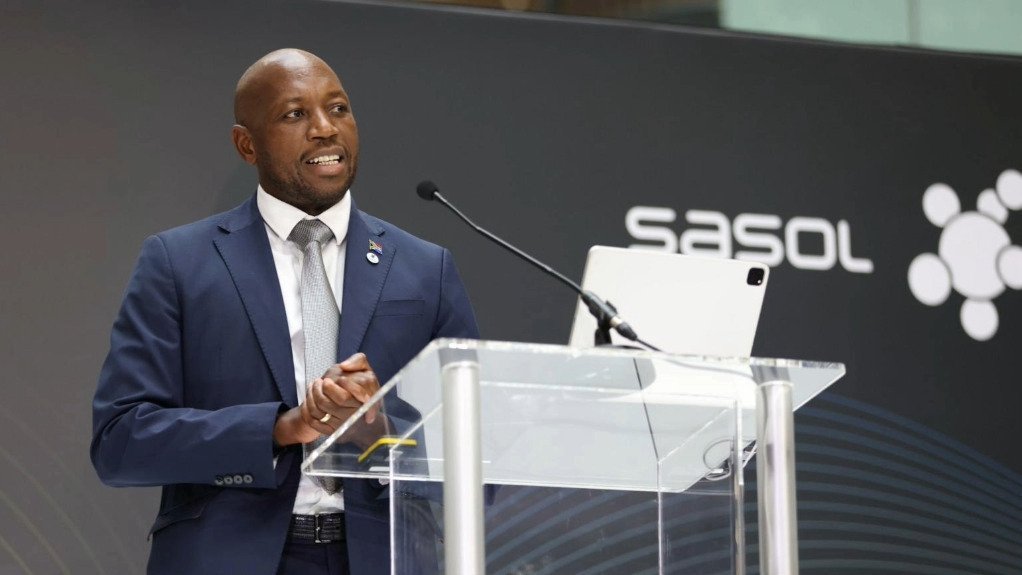
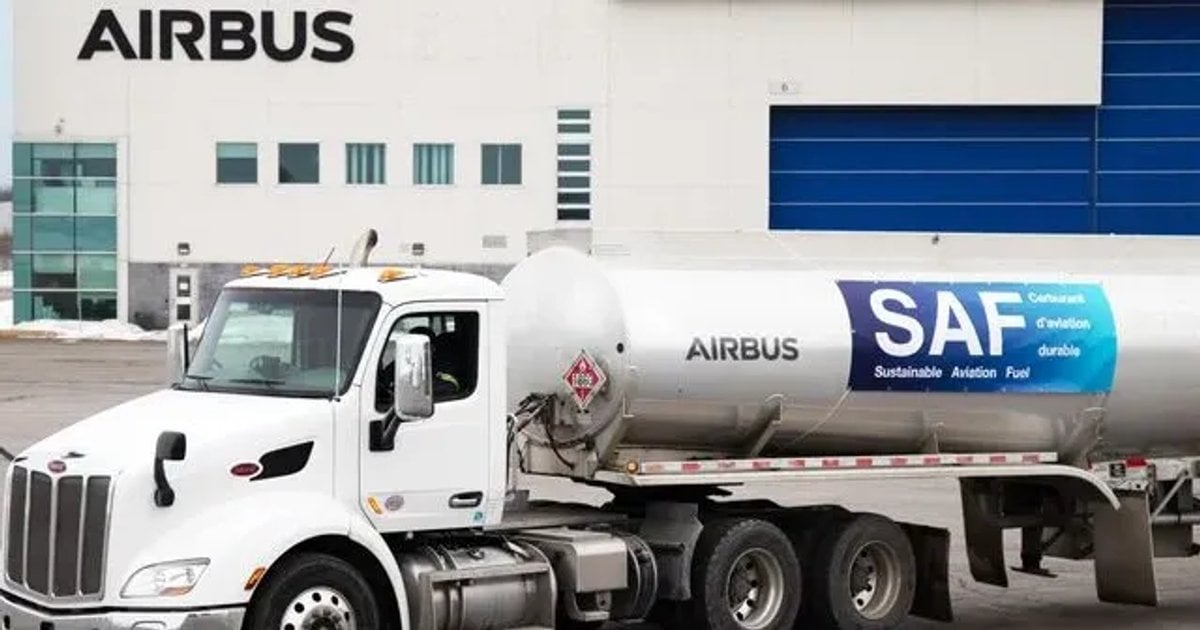
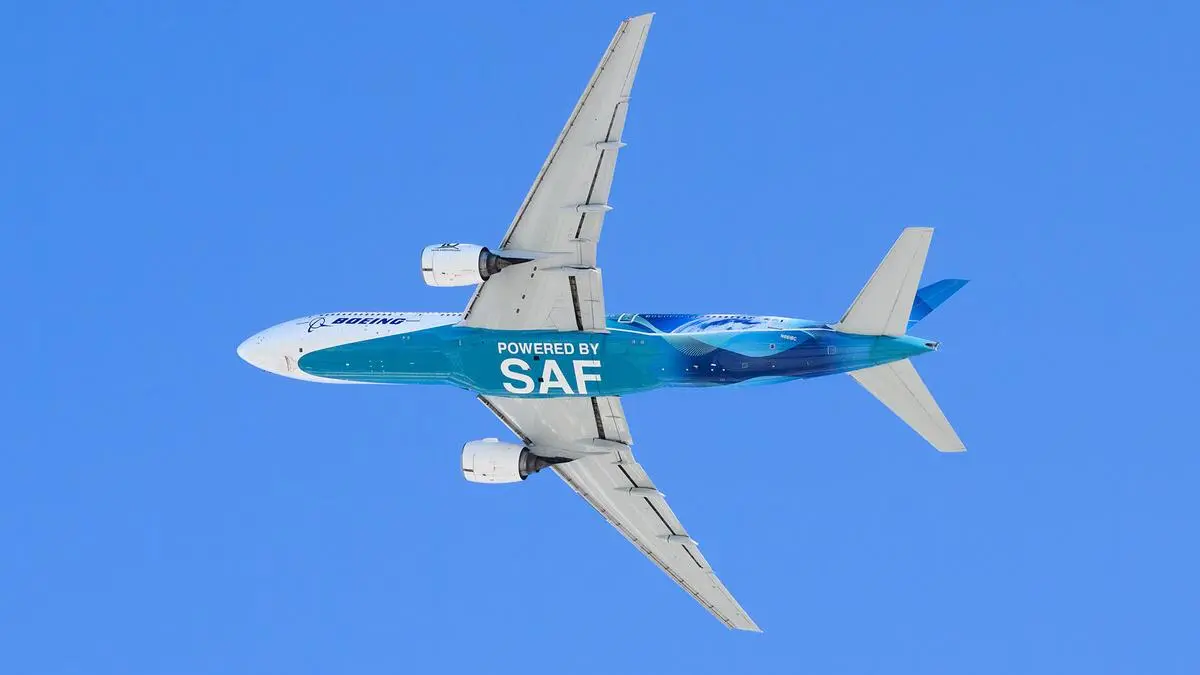
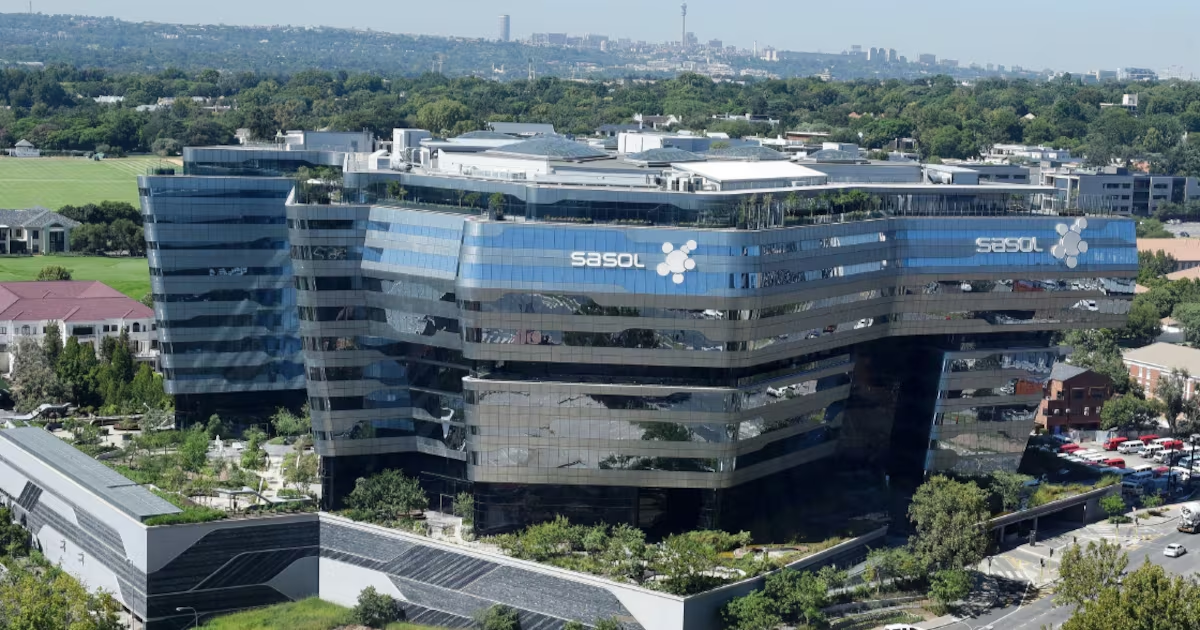
Sasol and Danish energy technology company Topsoe plan to wind down their sustainable aviation fuel (SAF) joint venture, Zaffra, while continuing their technology partnership through an existing licensing framework.The companies said on Friday they will prepare for the “orderly operational wind-down” of Zaffra, which was established in 2023 to pursue SAF opportunities by combining Sasol’s fuel-from-gas production technology (Fischer-Tropsch) with Topsoe’s fuel refining technologies.SAF, a nonpetroleum alternative to conventional jet fuel, is made from waste materials such as used cooking oil and agricultural waste, or through processes that convert captured carbon into fuel using hydrogen. It has similar chemical properties to conventional jet fuel, known as kerosene, and has lower greenhouse gas emissions compared with fossil-based jet fuel.Zaffra was set up as a dedicated vehicle to develop SAF projects, engage customers and value-chain partners, and build a pipeline of commercial opportunities in the emerging market. (Karen Moolman) The collaboration will continue through a single point licensor (SPL) framework, established in 2019. An SPL is a joint licensing structure under which the two companies offer their combined technologies to customers under a single agreement. Six licences have been signed to date.Sasol and Topsoe said the JV model is no longer seen as the preferred structure for advancing SAF opportunities as the market develops, because collaboration is expected to be more project-specific if required.The companies said the SPL framework will remain the primary channel for joint technology offerings, alongside more tailored arrangements for selected projects or initiatives requiring “deeper co-operation”.No details were provided on the financial or operational implications of winding down Zaffra, or whether existing projects would be affected.SAF has gained attention in the aviation industry as a potential way to reduce emissions from air travel because it can be used in aircraft and airport infrastructure without modification. It is being considered alongside other decarbonisation measures in aviation. However, global production remains limited relative to demand, and costs remain higher than conventional jet fuel.“This carefully considered decision reflects the next organisational phase of Sasol and Topsoe’s work together in sustainable aviation fuel development,” said Sasol CEO Simon Baloyi. “Zaffra has helped establish an important foundation for this market. We remain committed to building on this foundation through our long-standing technology-led collaboration with Topsoe and to supporting the development of sustainable fuels.”Topsoe CEO Elena Scaltritti said Sasol and Topsoe have built a “strong and trusted partnership over many years”. “As the SAF market evolves, it is important that our collaboration model evolves with it,” said Scaltritti. “We will continue to strengthen our technology-led co-operation through the SPL framework and adjust the organisational structure for selected projects and priority initiatives to carry the partnership into the next phase of SAF development. “We acknowledge the work done through Zaffra and will manage the transition responsibly with relevant stakeholders,” she said.