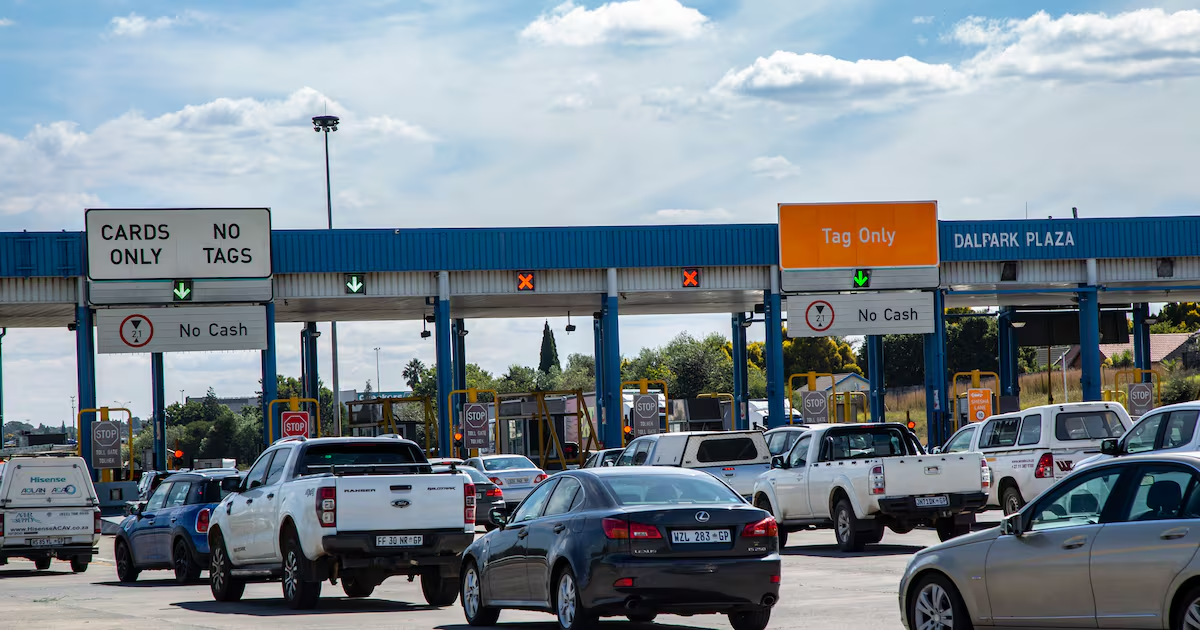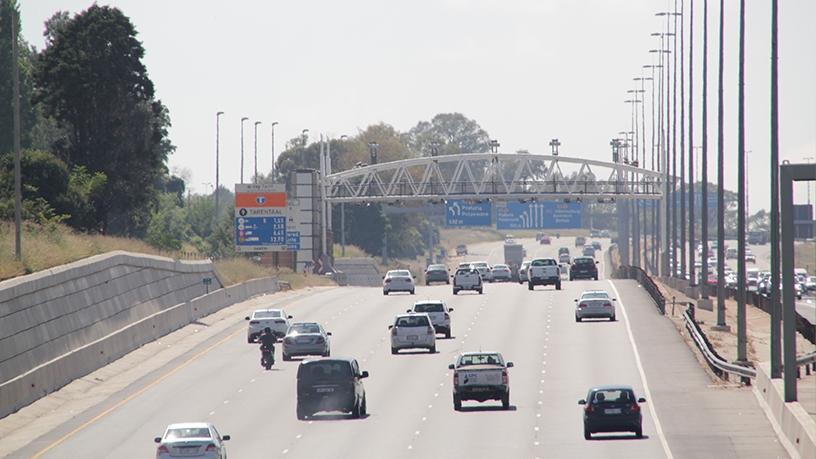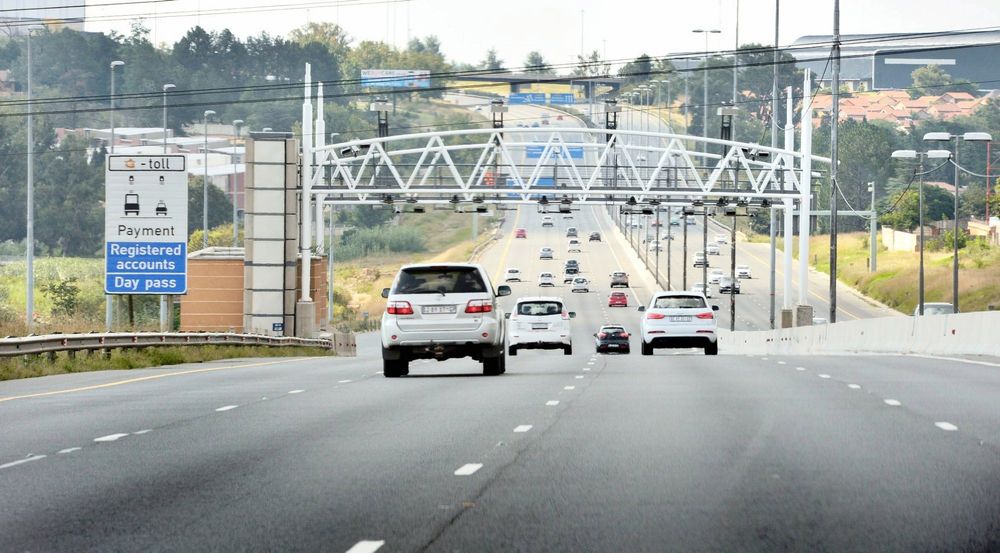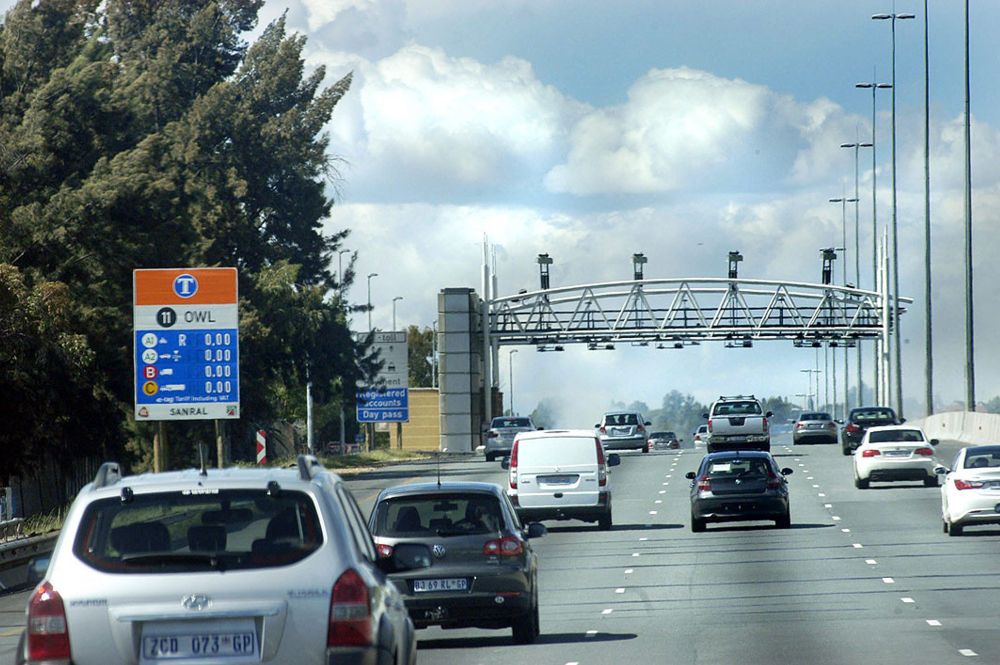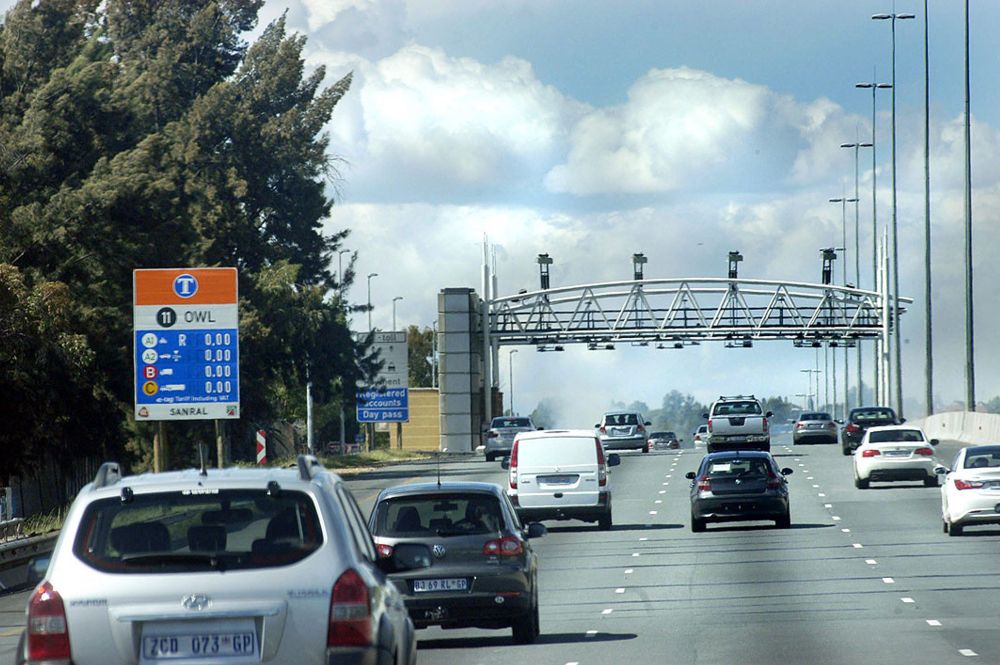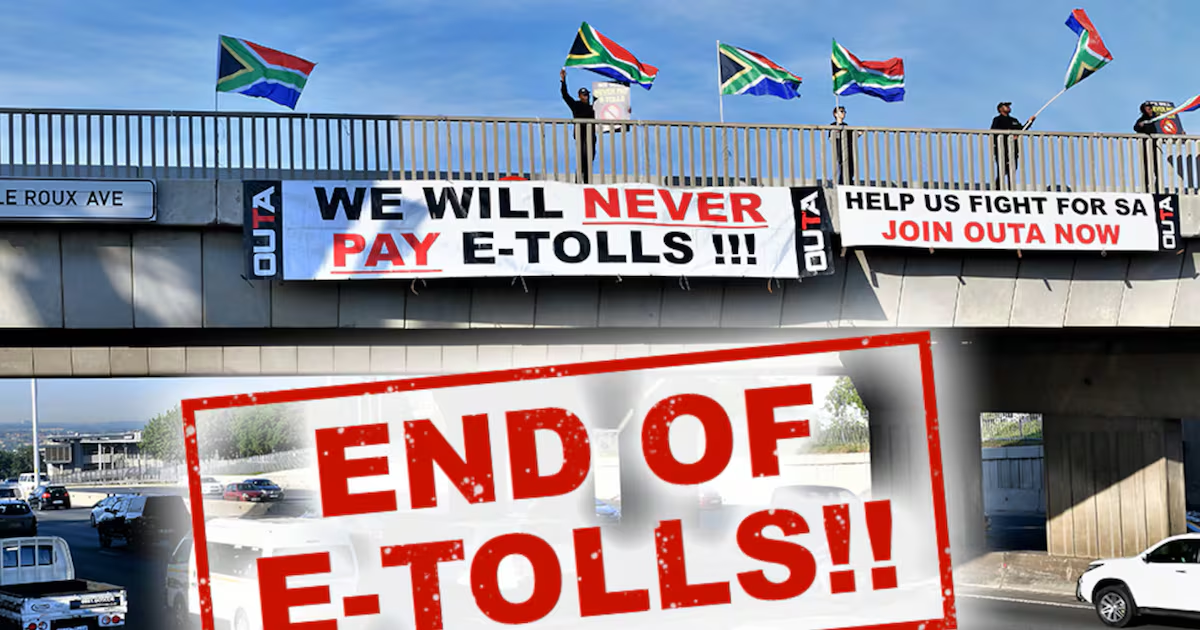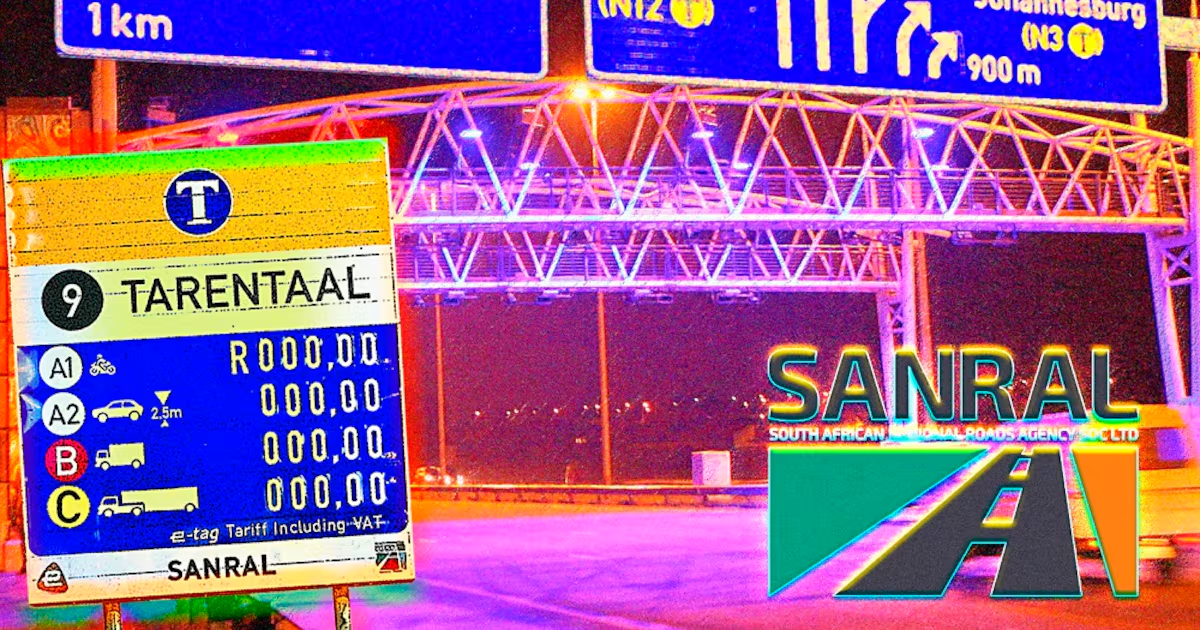
After more than a decade of controversy, resistance and political debate, the government has formally brought the Gauteng Freeway Improvement Project (GFIP) to a close. Outstanding e-toll debt is being written off, collection efforts are ending, and the gantries have been rendered little more than monuments to one of the most contentious public policy experiments in democratic South Africa. Most South Africans will welcome the decision. The e-toll system lost public legitimacy long ago. Compliance rates remained stubbornly low, enforcement proved politically and administratively difficult, and the government ultimately concluded the scheme was unsustainable. However, while the policy debate may be over, an important constitutional question remains unanswered: what about those who paid? The issue is not whether e-tolls were lawfully imposed. For purposes of this discussion, let us accept they were. The issue is not whether the government was entitled to terminate the system. It clearly was. Nor is the issue whether practical considerations justified the abandonment of further collection efforts. The issue is whether the state may now relieve one category of motorists from liability while denying equivalent relief to another category of motorists who incurred precisely the same liability. The practical effect of the decision is straightforward. One group of motorists used the toll roads and paid the prescribed charges. Another group used the same roads but did not pay. The latter group has effectively been relieved of the obligation to settle those debts. The former group remains out of pocket. The result is motorists who complied with the law are financially worse off than motorists who did not. That should concern all South Africans, regardless of where they stood on e-tolls. A constitutional democracy is built on the rule of law. Citizens are expected to comply with legal obligations, even if they are unpopular. Governments routinely urge citizens to obey the law, pay their taxes, settle their municipal accounts and fulfil their civic responsibilities.The result is motorists who complied with the law are financially worse off than motorists who did not. That should concern all South Africans, regardless of where they stood on e-tolls. The social contract depends on the belief that compliance matters. However, the outcome of the e-toll saga appears to send a very different message. That is not merely a political problem. It is potentially a constitutional one. Section 9 of the constitution guarantees equality before the law and equal protection and benefit of the law. Section 33 requires administrative action to be lawful, reasonable and procedurally fair. Section 195 requires public administration to be accountable, equitable and responsive. None of these provisions prohibit the government from making difficult policy choices. Nor do they prevent the government from abandoning failed policies. What they do require is that the government acts rationally and fairly. The question therefore becomes simple: what is the constitutional basis for treating paying and nonpaying motorists differently? The government may well argue the debt write-off was necessary because further collection efforts would have been impractical, costly or politically divisive. Those arguments may be entirely valid. But they only explain why relief was granted to nonpaying motorists. They do not explain why equivalent consideration should not be given to those motorists who complied with the law and paid the amounts due. The more one reflects on the matter, the more difficult it becomes to identify the distinguishing feature between the two groups. Both used the roads. Both incurred the same statutory obligation. Both formed part of the same scheme. The only material difference is that one group complied with the law and the other did not. That is a distinction that should make constitutional democrats uncomfortable. To be clear, this is precisely an argument that motorists who paid e-tolls should be refunded. Once the state elected to relieve nonpaying motorists of liabilities arising from the scheme, it created a constitutional obligation to treat similarly situated motorists equally. The issue is no longer whether the original tolls were lawfully imposed. The issue is whether the state may confer a substantial financial benefit on one category of motorists while denying the same benefit to another category whose only distinguishing characteristic is that they complied with the law. If the government believes motorists who refused to pay should no longer bear the financial consequences of the scheme, fairness, equality and rationality require that motorists who paid should not continue to bear them either. The only constitutionally defensible outcome is equal treatment. In practical terms, that means refunding motorists who paid the e-tolls from which others have been relieved. Before such relief can be achieved, however, South Africans are entitled to understand the reasoning that informed the government’s decision. Several important questions therefore arise: Was the position of compliant motorists considered when the debt-relief decision was taken? Did cabinet assess the constitutional implications of relieving one group while denying relief to another? Was any mechanism explored through which equitable treatment could be afforded to motorists who paid? And if not, why not? These are not merely academic questions. The Inclusive Society Institute has formally written to the South African National Roads Agency seeking clarification on the legal and constitutional basis for the differential treatment of paying and non-paying motorists. Among other matters, the institute has requested clarity on whether the liabilities of nonpaying motorists have been legally extinguished or merely rendered unenforceable, what consideration was given to compliant motorists when the decision was taken, and whether any mechanism was considered through which equivalent relief could be afforded to those who paid. The purpose of the inquiry is not to reopen the e-toll debate. That debate is over. The purpose is to determine whether the manner in which the scheme has been brought to an end is consistent with the constitutional principles of equality, rationality, fairness and administrative justice. These questions matter because the issue extends far beyond e-tolls. At stake is a broader principle: whether compliance with the law should leave citizens worse off than noncompliance. A society in which obedience to the law becomes a financial disadvantage is not a society that strengthens respect for the rule of law. It is a society that undermines it. The gantries may have been switched off, but the constitutional principle remains. A democratic state cannot insist that citizens obey the law, only to leave them worse off than those who chose not to. If nonpaying motorists are entitled to relief, then paying motorists are entitled to it too. Equality before the law demands nothing less. • Swanepoel is CEO of the Inclusive Society Institute.
DARYL SWANEPOEL | Why motorists who paid e-tolls should be refunded
Debt relief decision sparks questions over fairness to law-abiding motorists
1,087 words~5 min read