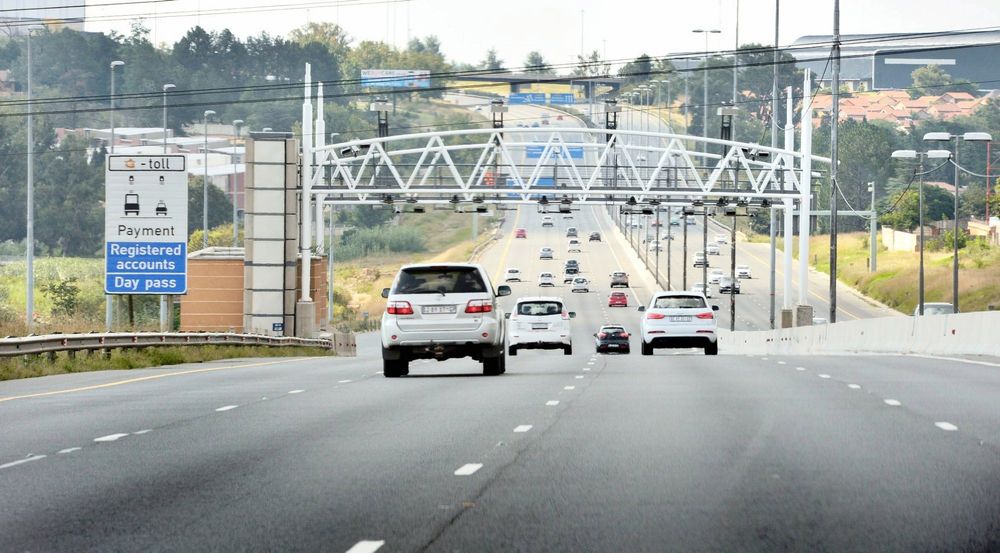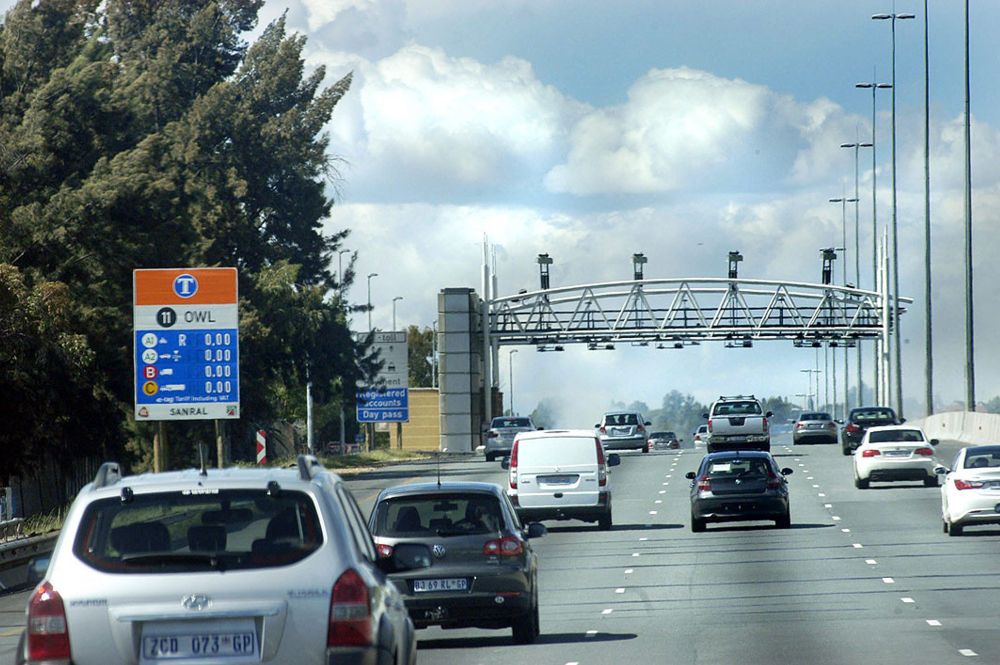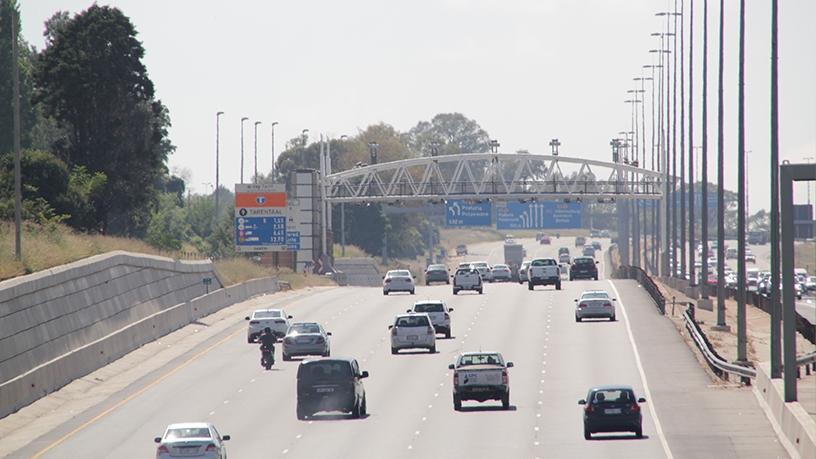
Despite the government’s decision to write off e-toll debt, many civil society organisations are yearning for accountability—particularly those who had diligently paid for using the province's roads
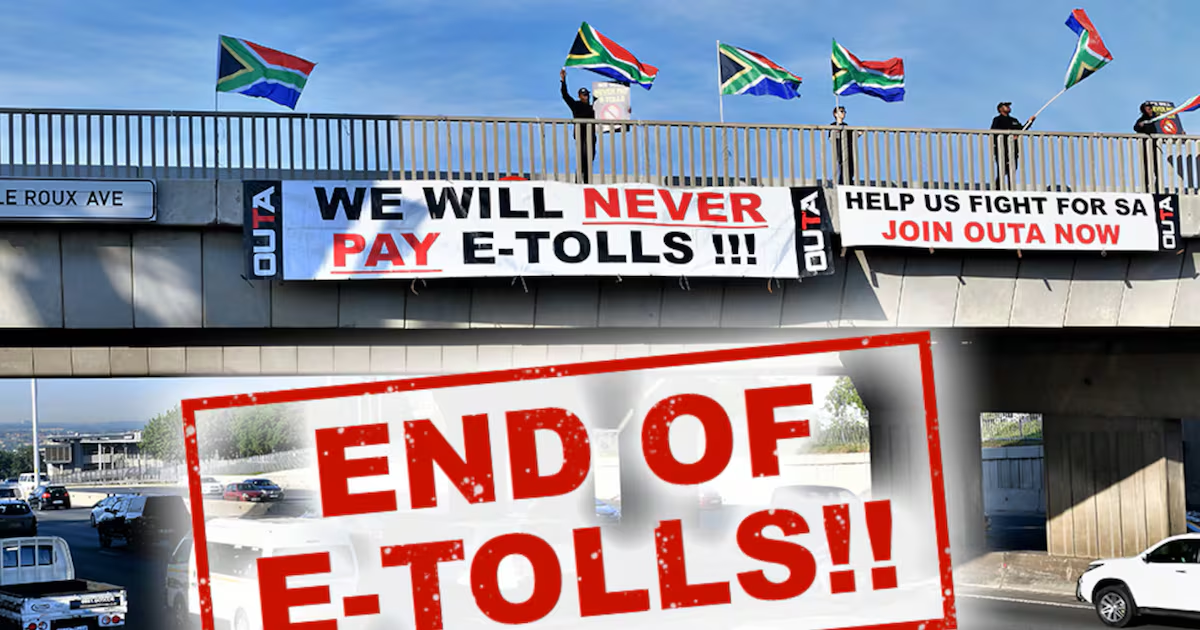
The Organisation Undoing Tax Abuse (Outa) and the Congress of South African Trade Unions (Cosatu), have both welcomed the scrapping of e-tolls. However, both Outa and Cosatu said the decision should have been made much sooner to protect motorists from 13 years of legal uncertainty.
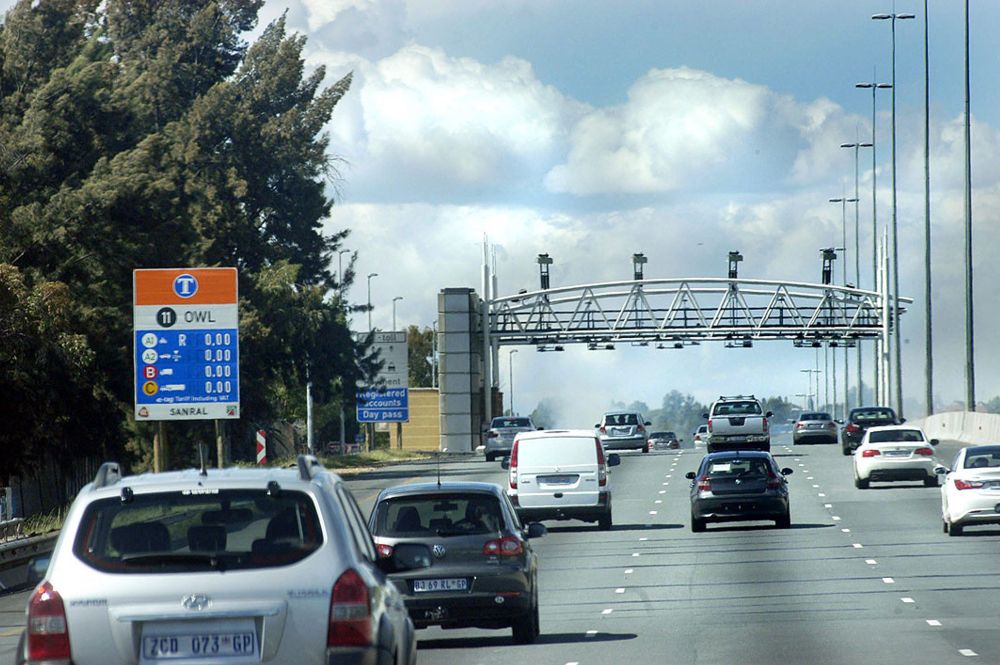
The province’s controversial electronic toll collections (e-tolls) was officially shut down in April 2024, by former Gauteng MEC for economic development, Lebogang Maile. At the time, the total debt was estimated to be R43 billion, with the province saddled with a 30% portion, standing at R13 billion, while the national treasury was forced to cover the remaining 70% of the debt at nearly R30 billion.
On Sunday, President Cyril Ramaphosa’s cabinet approved the write-off of e-toll debt, allowing the South African National Roads Agency Limited (Sanral) to write off unpaid amounts owed by motorists.
According to the department of transport, the decision allows Sanral to eliminate unpaid e-toll amounts from its books, effectively closing a contentious chapter in the Gauteng Freeway Improvement Project (GFIP) saga. In a statement, Minister in the Presidency, Khumbudzo Ntshavheni, confirmed that those who had dutifully paid their tolls would not receive refunds, citing existing laws at the time of payment.