Story audio is generated using AI
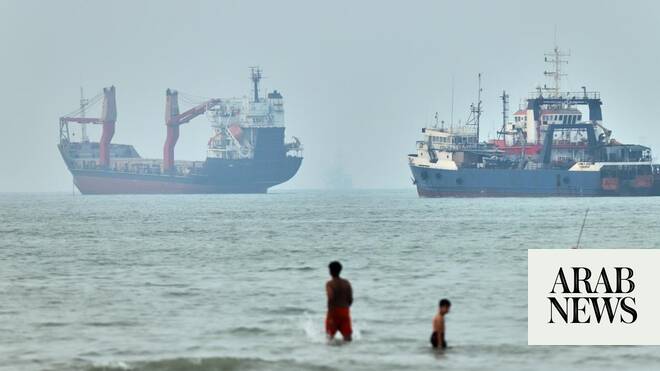
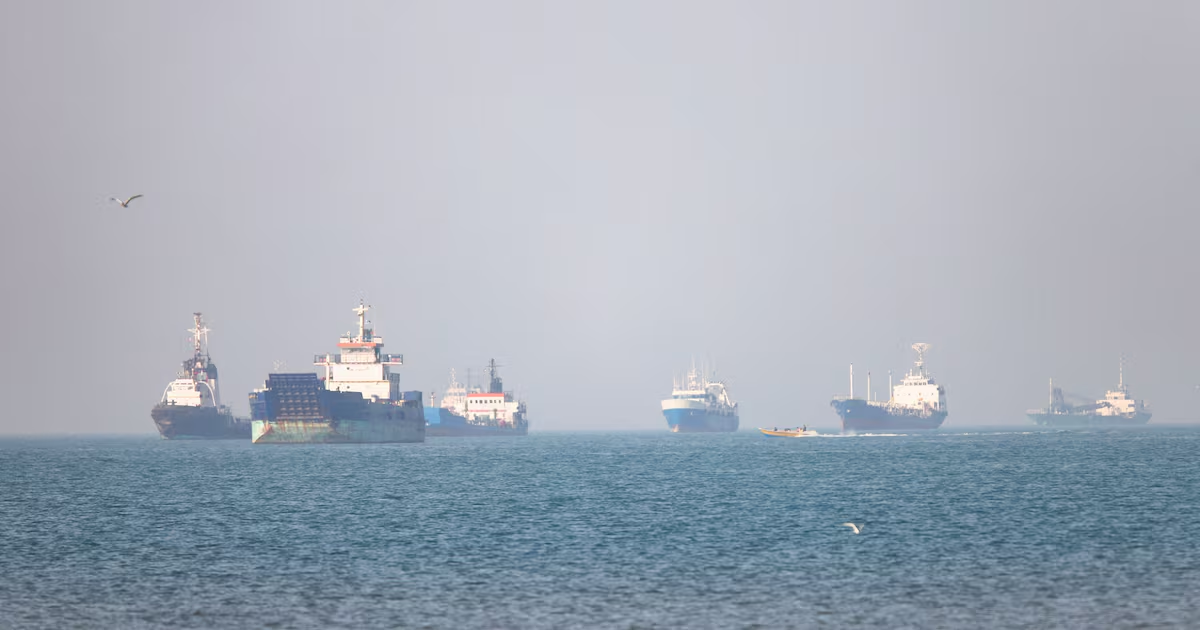
The supply crisis in energy and other raw materials triggered by the historic closure of the Strait of Hormuz has posed a threat to the global economic outlook that may linger despite easing geopolitical tensions and a significant drop in oil prices, the Bank for International Settlements (BIS) says.Policymakers must prioritise price stability, strengthen financial stability and ensure sound monetary and fiscal foundations to ensure sustainable growth, it said in its latest global economic outlook published on Sunday.“Policy actions must reinforce each other to avoid a pull and push on the global economy. Ultimately, success depends on sound fiscal and financial foundations,” BIS general manager Pablo Hernández de Cos said in a statement accompanying the report.“Policymakers must act now. Delay will only make the necessary adjustments more costly and increase the chance of difficult trade-offs in the future. By addressing these challenges today, we can help to safeguard the stability of the global economy in the years to come.”The call comes after the IMF in April cut its world growth outlook to 3.1% due to energy price spikes and supply disruptions and warned that the global economy would teeter on the brink of recession if the conflict worsened and oil stayed above $100 per barrel to 2027. It also reduced its forecast for South Africa to 1% from 1.4%.Since the IMF warning, hopes have risen of a resolution to the Middle East conflict, but the BIS said economic pressure points pose risks to global growth stemming from vulnerabilities in the financial system, strained public finances and major supply shocks which are still playing out.It cited the sustainability of the AI boom, financial vulnerabilities and strained public finances among these pressure points, with the return of inflation.“Safeguarding price stability, ensuring fiscal sustainability, strengthening financial stability beyond the banking perimeter and structural reforms must be policy priorities. Discipline in each arm of policy expands the room in which the others have to act,” it said.On the domestic front, the South African Reserve Bank has vowed vigilance against inflation pressure stemming from the Middle East conflict.Safeguarding price stability, ensuring fiscal sustainability, strengthening financial stability beyond the banking perimeter and structural reforms must be policy priorities. — BISThe Bank hiked its key policy rate by 25 basis points to 7% in May and could raise it further in July after annual producer inflation soared to 7.8% in May from 4.8% in April, pointing to persistent pressures in the economy despite consumer inflation undershooting expectations at 4.5%, although it is now firmly above the 3% target.“Inflation has risen. In a world of more frequent negative supply shocks, a key risk is that higher inflation could become ingrained if inflation expectations de-anchor,” the BIS said in its global report.“This could sustain inflationary pressure even after energy flows and oil prices normalise following the opening of the Straits of Hormuz.”The BIS, whose primary goal is to foster international monetary and financial co-operation as well as to serve as a bank for central banks, does not comment on individual countries.But in an interview with Business Day, its deputy head of the monetary and economic department, Gaston Gelos, said central banks “have demonstrated remarkable resolve in recent years, facing in particular the inflationary surge postpandemic but also episodes of financial stress”.“But now there are still challenges that they face, and in particular, monetary policy must be very careful when it comes to supply shocks. This poses a particular challenge, because a supply shock, like we’ve just witnessed with the increase in energy prices, drives up prices while dampening, at the same time, economic output,” he added.Central banks must also be alert to signs of second-round effects and any loosening of inflation expectations, Gelos said.“That could be particularly difficult if supply shocks are more protracted, and that’s why we have to see how long this all takes to resolve, and it also becomes more difficult when you see inflation expectations starting to move, and that depends on how people form the expectations.“The more backward-looking they are, the more the case for the central bank to need to act earlier on. Central banks need to be particularly vigilant right now because of the fresh memories from the recent postpandemic inflation surge.“I think central banks are assessing exactly those trade-offs and watching carefully around the world. Of course, the right policy calibration varies across countries and depends on the magnitude of the shock on the local economy and the way expectations are formed,” he added.The BIS report details that up until earlier this year, the global economy had proved resilient, buoyed by optimism about progress in AI and surprisingly strong global trade. AI-related investment and associated expectations of productivity gains stimulated economic activity and kept financial conditions favourable. “The historic closure of the Strait of Hormuz then triggered a supply crisis in energy and other raw materials, posing a renewed threat to the global outlook. Despite signs of easing geopolitical tensions and a significant drop in oil prices, the disruption’s impact may linger,” it said.It added that optimism about AI may not last, despite its promise of future productivity gains and that the current surge in capital expenditure could prove unsustainable if supply bottlenecks restrain production.