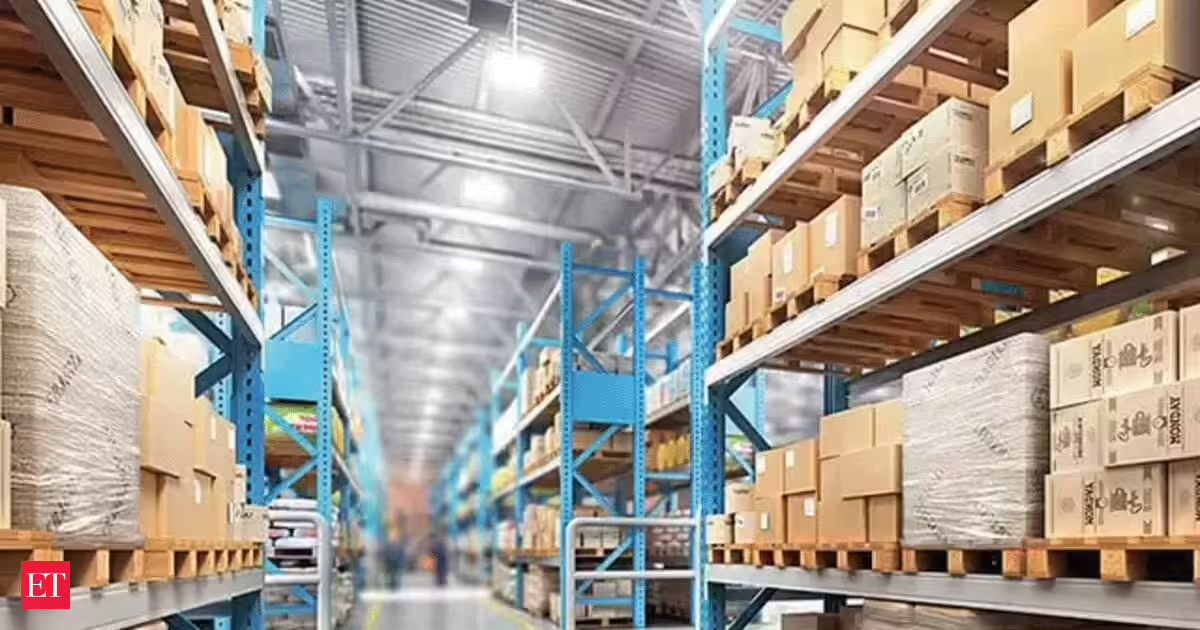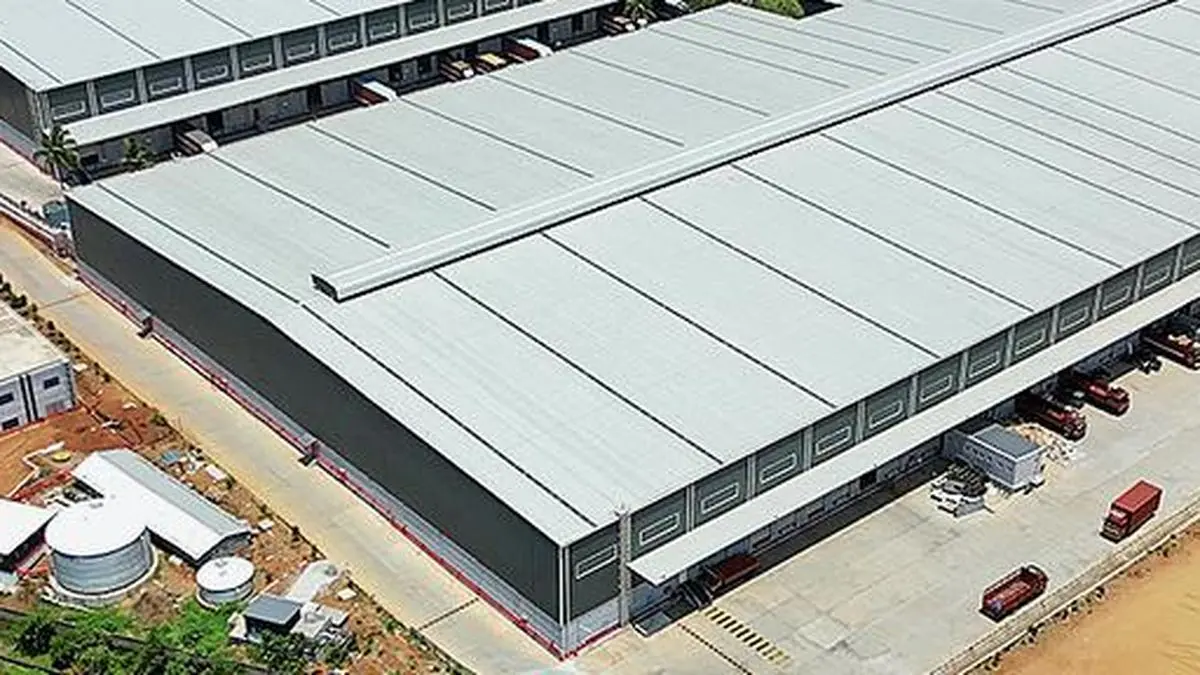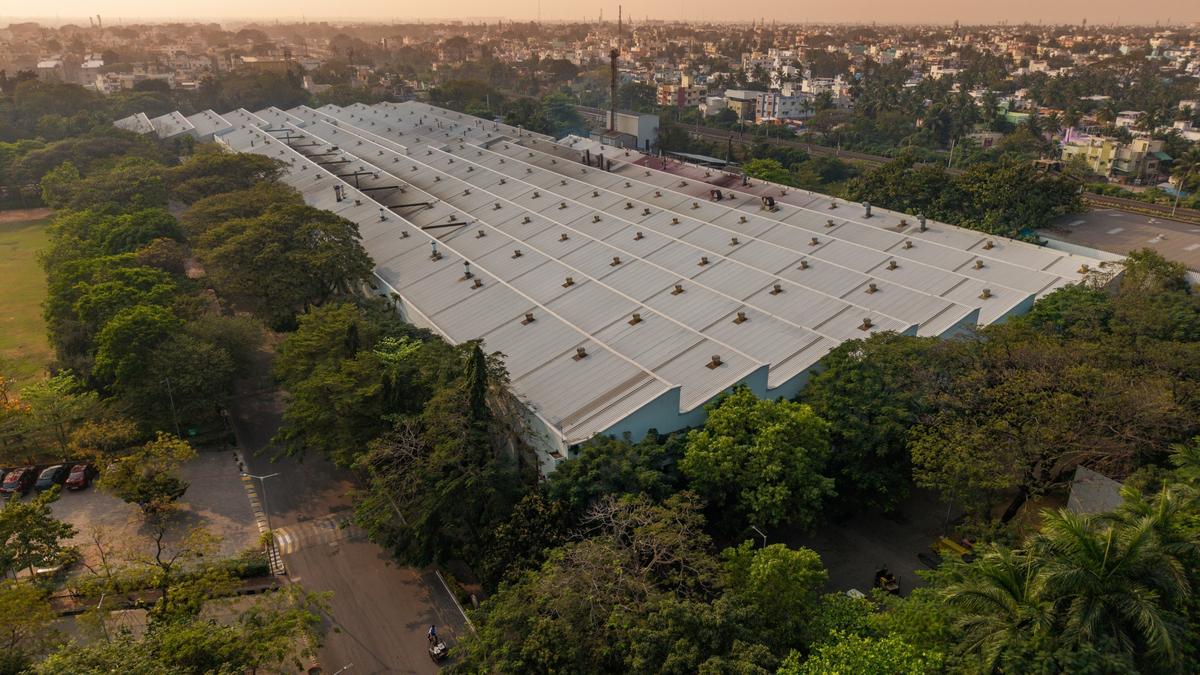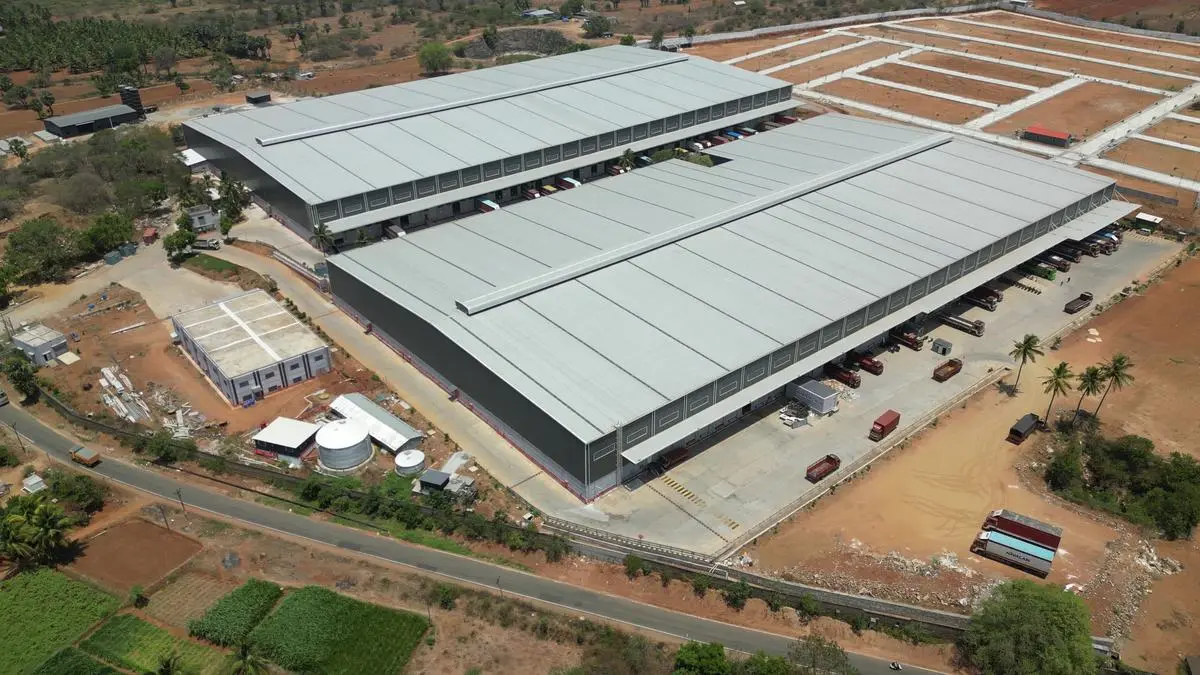
India’s warehousing sector has transformed dramatically over the past decade, driven by the rollout of GST, rapid growth in e-commerce, rising consumption and the formalisation of supply chains. Among the companies that have capitalised on this shift is the Chennai-based NDR Group, which launched nearly six decades ago with a rice mill and has evolved into one of the country’s largest warehousing platforms.The group’s development arm, NDR Smart Spaces, is currently constructing around 7 million sq ft of space across the warehousing and industrial park segments. This is part of a 13 million sq ft land and development pipeline scheduled for eventual transfer to the group’s infrastructure investment trust (NDR InvIT), valued at ₹6,650 crore, says N Amrutesh Reddy, MD, NDR Warehousing Pvt Ltd.The rice mills set up in the 1960s by the company’s founder, Naidu Dasaradharami Reddy, ran only during the crop seasons, and the storage space remained idle for a significant part of the year. Fertilizer companies began using the space during the off-season, creating an opportunity that eventually developed into a dedicated warehousing business.Over the years, the company expanded beyond agricultural storage. By the mid-1980s, it was developing warehouses for consumer goods and industrial companies, including Hindustan Lever and Castrol.During the 1990s, NDR entered bonded warehousing and container freight station (CFS) operations. Reddy says the company established India’s first private bonded warehouse and was one of the earliest CFS operators in Chennai.It was also an early mover in rail-linked logistics. In 2003, it developed a private freight terminal near Delhi-Gurgaon, at a time when there was no formal policy framework for such projects.The asset, which was later sold to Gateway Distriparks, provided the company with valuable experience in integrated logistics infrastructure. The group’s CFS and rail businesses were sold to DP World.Reddy credits his father and group Chairman, Adikesavulu (son of Dasaradharami), for the growth of Continental Warehousing, the group’s integrated multimodal logistics company. Today, its focus is on the free trade warehousing zone (FTWZ) business under NDR Infrastructure Pvt Ltd, he says.Role of GSTHe cites the introduction of GST as the turning point for the country’s warehousing industry. In the absence of GST, companies maintained warehouses across multiple States largely for tax optimisation. GST enabled businesses to redesign supply chains around fewer, larger regional distribution centres, he says. This helped reduce inventory and transportation costs while improving operational efficiency.Anticipating this shift, NDR focused on developing large, compliant warehousing facilities in major consumption hubs. As demand for regional distribution centres increased, the company’s warehousing portfolio expanded sharply from around 3 million sq ft in 2016 to more than 21 million sq ft within seven years.
How NDR built a warehouse empire
Discover how NDR Group transformed from a rice mill to a ₹6,650-crore warehousing empire in India's logistics revolution.
778 words~4 min read