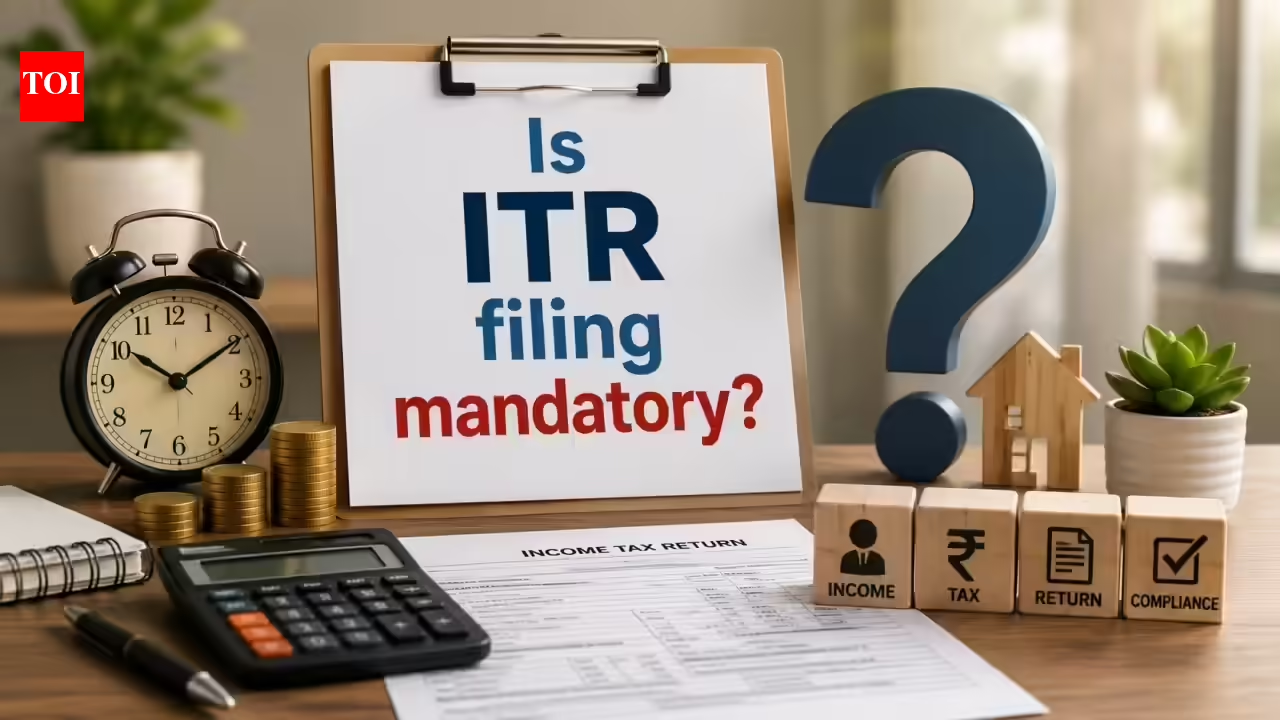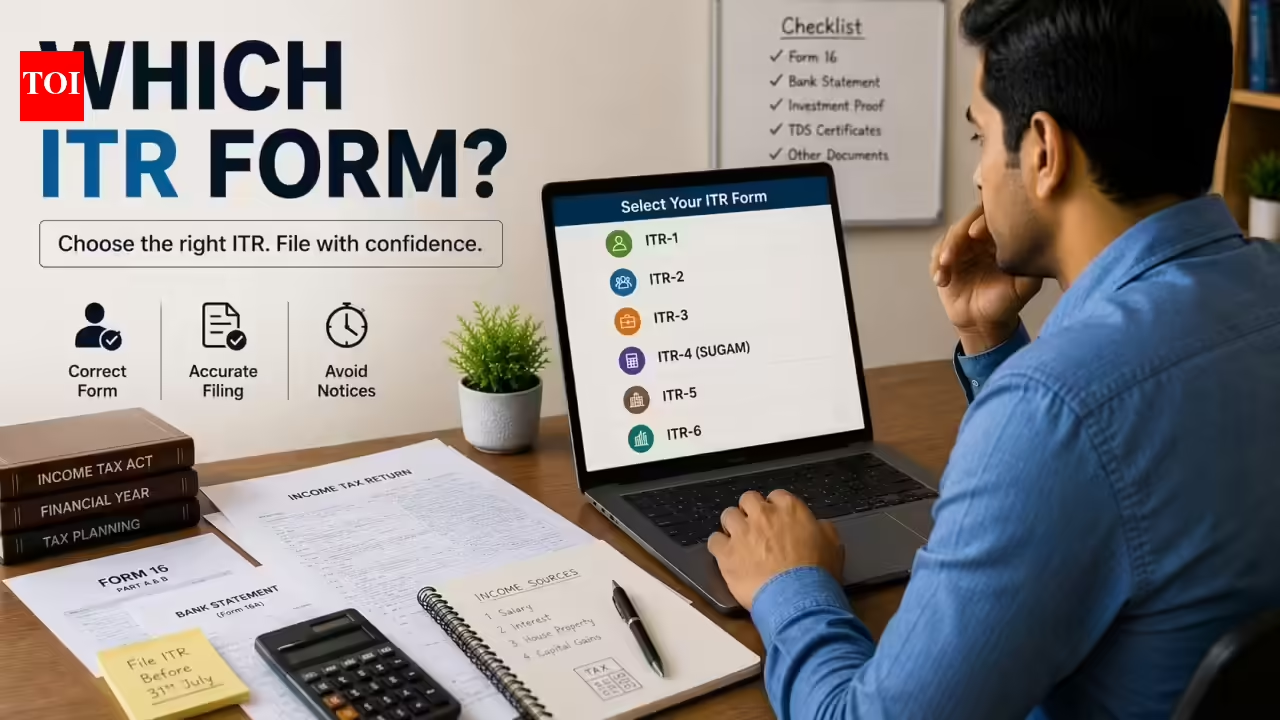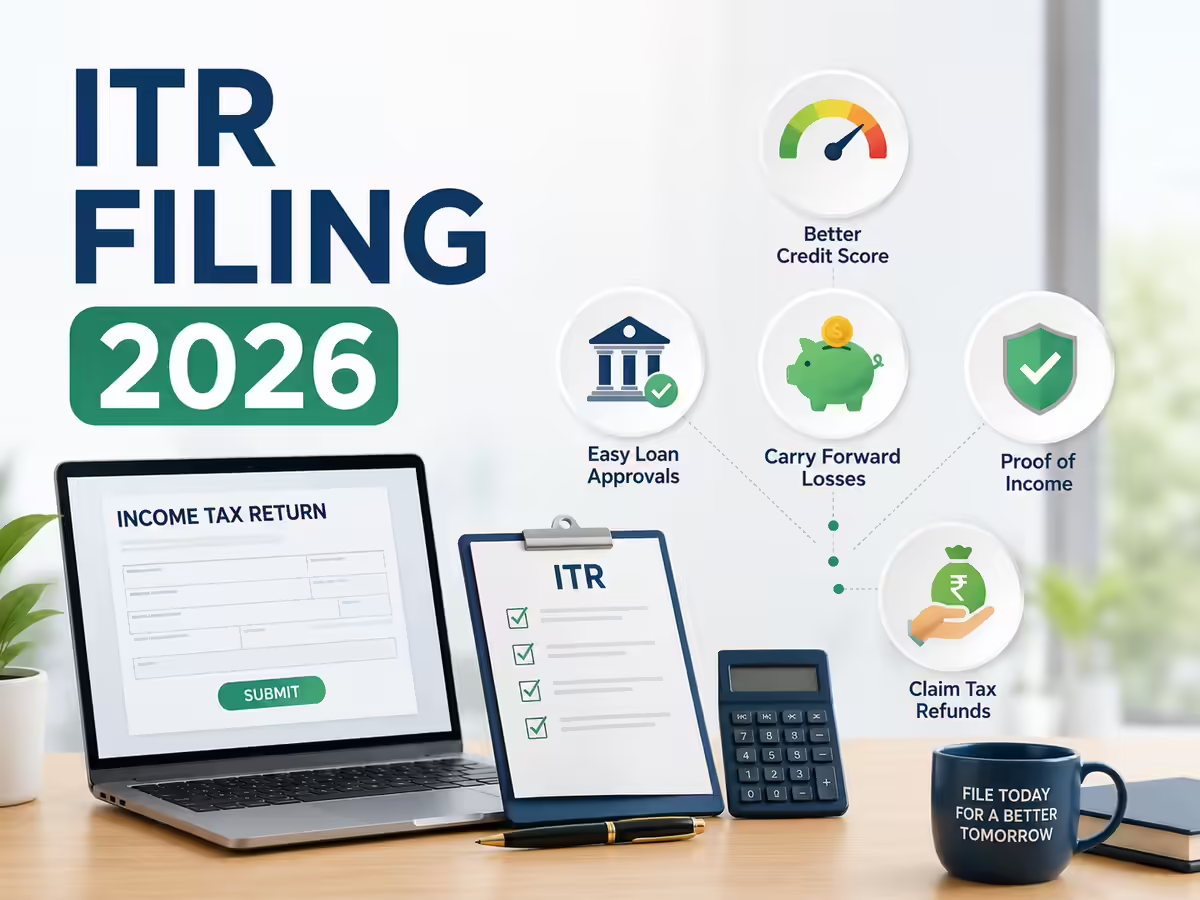
SynopsisIndividuals and Hindu Undivided Families (HUFs) are required to file income tax returns (ITR) if their total taxable income before the applicable exemptions and deductions exceeds the basic exemption limit. Even if you’re exempt, file a return if you have a refund due, or you need to apply for a loan, passport or visa.Individuals and Hindu Undivided Families (HUFs) are required to file income tax returns (ITR) if their total taxable income before the applicable exemptions and deductions exceeds the basic exemption limit.To find out if you are required to file your income tax returns, go through Section 263 of the new Income Tax Act, 2025. This section carries all the provisions related to the filing of tax returns, including those for the original return, belated, revised, and updated return. The information on mandatory filing, due dates, and categories of persons who need to file tax returns is the same as that under the old Income Tax Act, 1961.Who needs to file returns?Individuals and Hindu Undivided Families (HUFs) are required to file income tax returns (ITR) if their total taxable income before the applicable exemptions and deductions exceeds the basic exemption limit. Under the old tax regime, for individuals up to the age of 60 and HUFs, this limit is Rs.2.5 lakh; for individuals between 60 and 80, it is Rs.3 lakh; and Rs.5 lakh for those over 80. In the new tax regime, this limit is Rs.4 lakh for all age groups.When is filing mandatory?Filing is mandatory in the following cases even if the income is below the exemption limit.If a resident individual (ordinarily resident in India) has or is a beneficiary of any asset or financial interest abroad, or if he has signing authority in any overseas bank account.If one has conducted the following high-value transactions:Deposits over Rs.1 crore in current accounts.Foreign travel expenses exceeding Rs.2 lakh. (‘Travel to a foreign country’ does not include travel to neighbouring countries or to such places of pilgrimage as the Board may specify in this behalf, by notification.)Electricity bills exceeding Rs.1 lakh.Business turnover above Rs.60 lakh.Gross receipts from profession above Rs.10 lakh.TDS/TCS aggregating Rs.25,000 or more (Rs.50,000 or more for senior citizens).Deposits exceeding Rs.50 lakh in savings accounts.Who is exempt?Under the Income Tax Act, 2025, a specified senior citizen may be exempt from filing an ITR under Section 263 if:They are aged 75 years or above.They were a ‘resident’ in the previous year.They have pension and interest incomes only, and the interest income is accrued/earned from the same specified bank in which they receive pension.They have submitted a declaration to the specified bank.The bank is a ‘specified bank’ as notified by the Central government. Such banks will deduct tax at source (TDS) after considering deductions and rebate as per the Income Tax Act, 2025..Even if you’re exempt, file a return if you have a refund due, or you need to apply for a loan, passport or visa, or want to carry forward losses from business/ profession or under capital gains head. (Join our ETWealth WhatsApp channel for all the latest updates)...more
ITR filing guide: Know when tax return filing is mandatory, who needs to file and who is exempt - The Economic Times
Individuals and Hindu Undivided Families (HUFs) are required to file income tax returns (ITR) if their total taxable income before the applicable exemptions and deductions exceeds the basic exemption limit. Even if you’re exempt, file a return if you have a refund due, or you need to apply for a loan, passport or visa.
510 words~2 min read