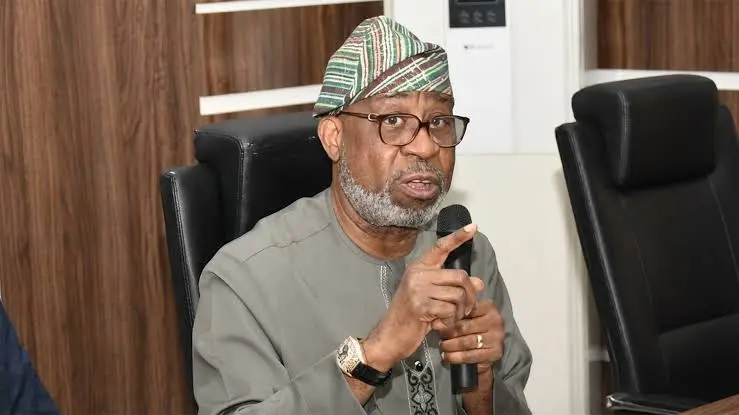
The solid minerals sector is fast becoming a critical pillar of economic diversification, argues
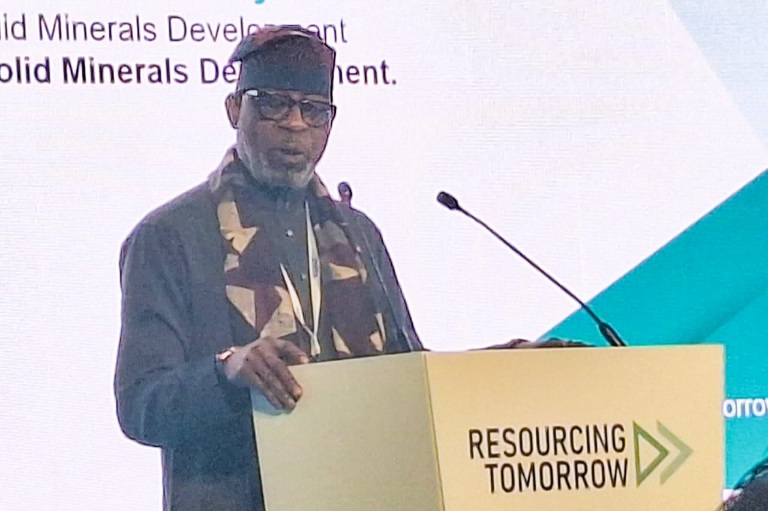
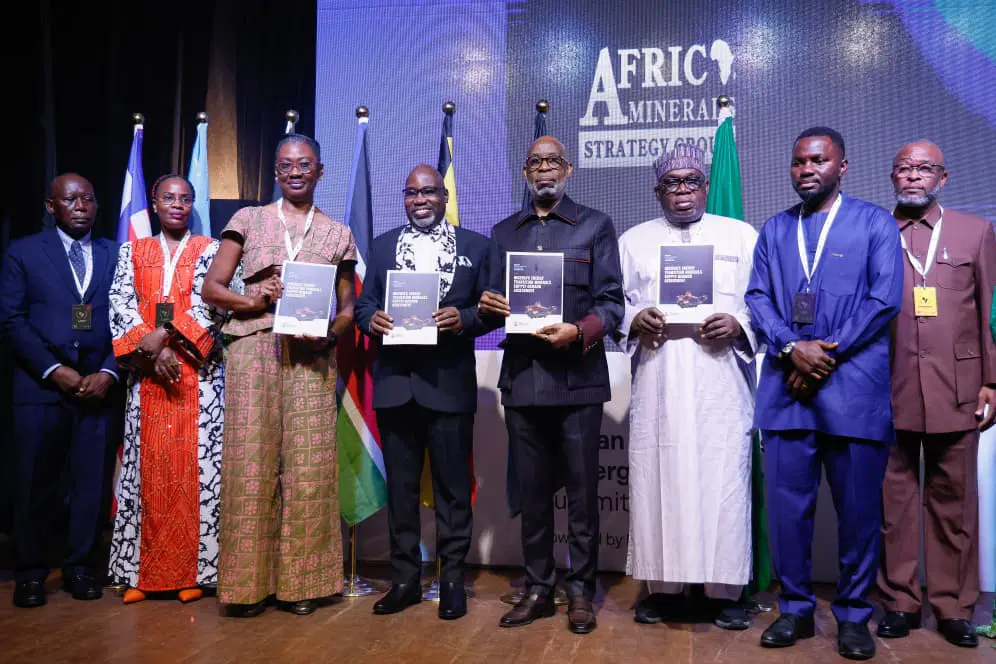
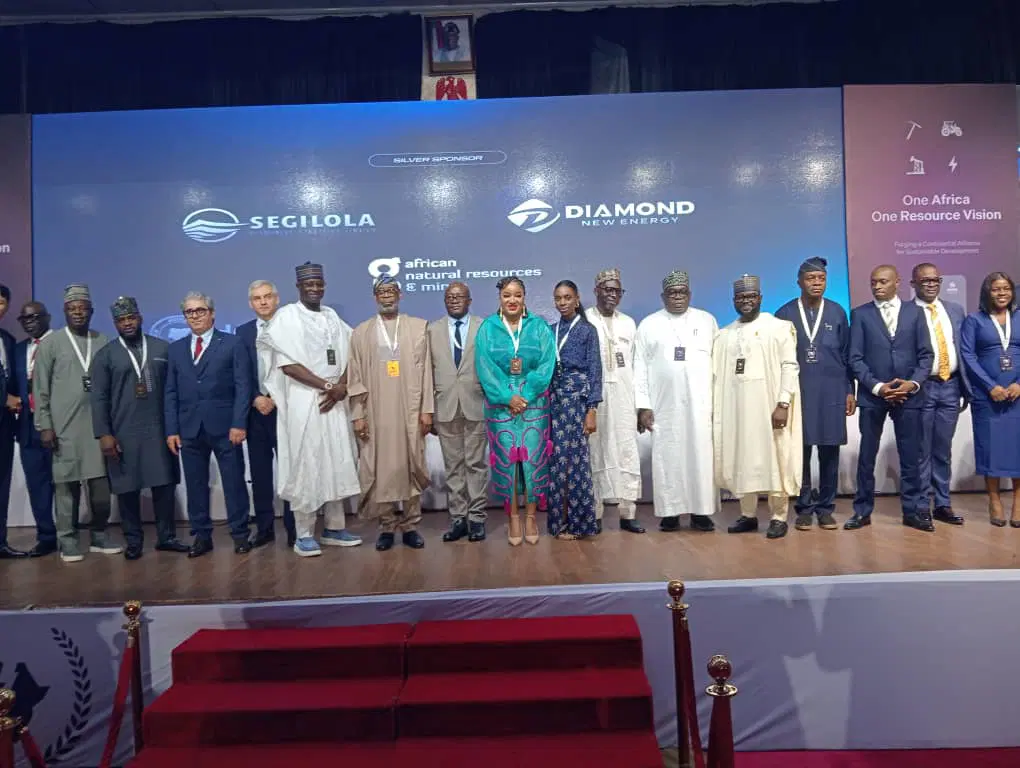
Nigeria’s economic future may no longer depend solely on oil. Increasingly, the country’s vast mineral resources are emerging as a major driver of economic growth, industrialisation, and long-term prosperity. The recent announcement by the Minister of Solid Minerals Development, Dele Alake, at the 5th African Natural Resources and Energy Investment Summit (AFNIS), points to what could become one of the most important turning points in Nigeria’s economic diversification journey under President Bola Ahmed Tinubu.
The discovery of high-grade deposits of gold, nickel, copper, lithium, platinum group metals, and rare earth elements in Kaduna State is a major development. This goes far beyond a geological breakthrough. It presents Nigeria with a rare opportunity to position itself as a leading destination for global mining and strategic mineral investments. With rising global demand for critical minerals used in electric vehicles, battery storage, clean energy systems, and advanced manufacturing, Nigeria is strategically placed to benefit from this global transition.
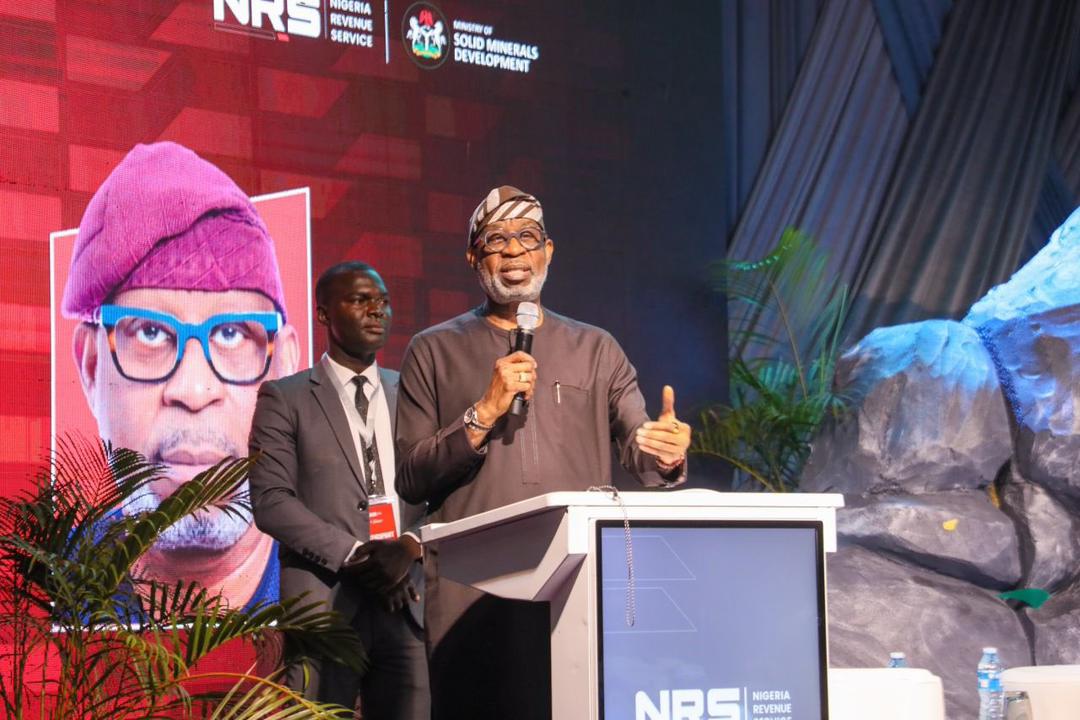
Alake’s speech at AFNIS reflected clarity, vision, and a strong understanding of the future of resource management. One of the strongest highlights of his address was his emphasis on local processing and value addition. This policy direction represents a major shift from the long-standing model where African countries export raw materials at low value and import finished products at significantly higher costs.