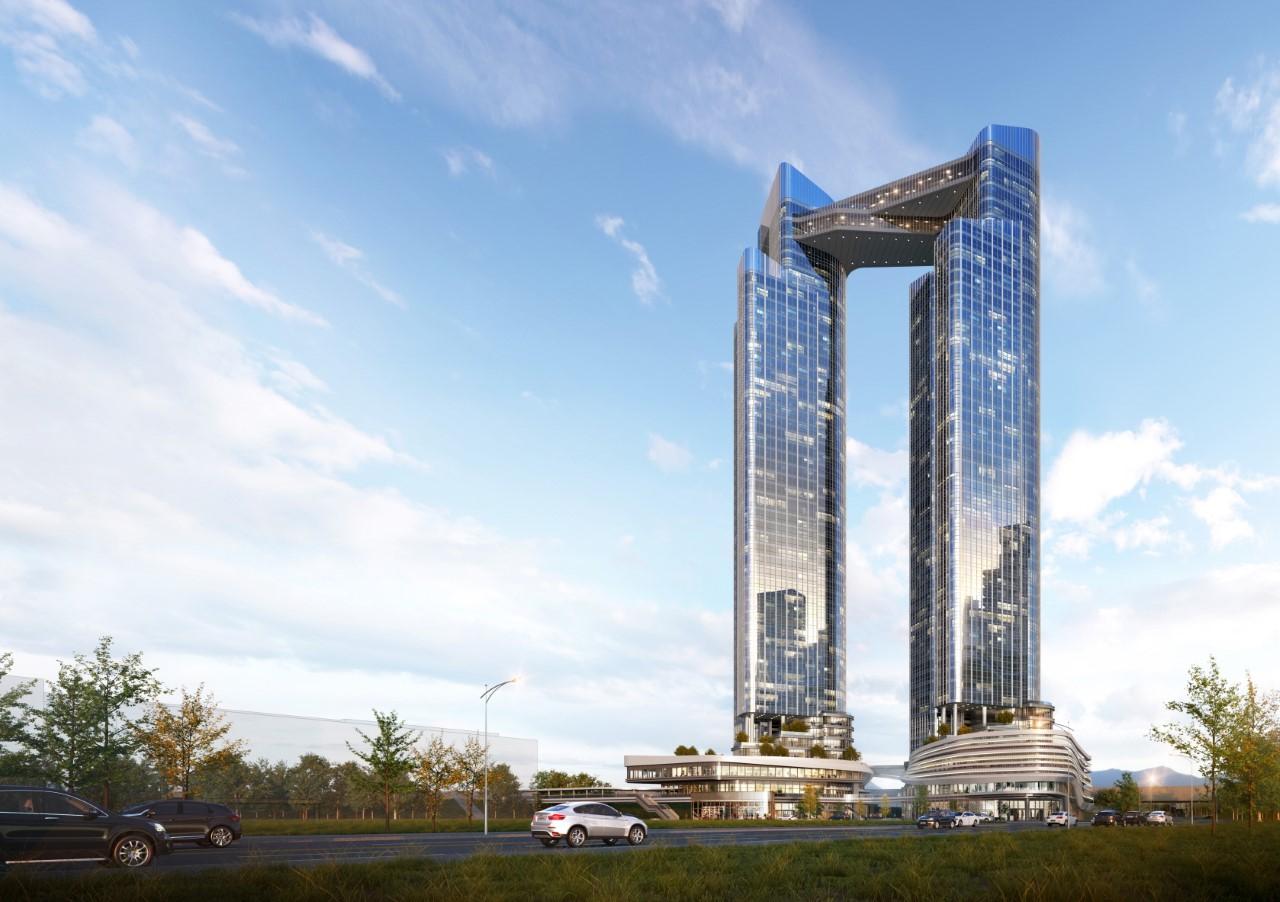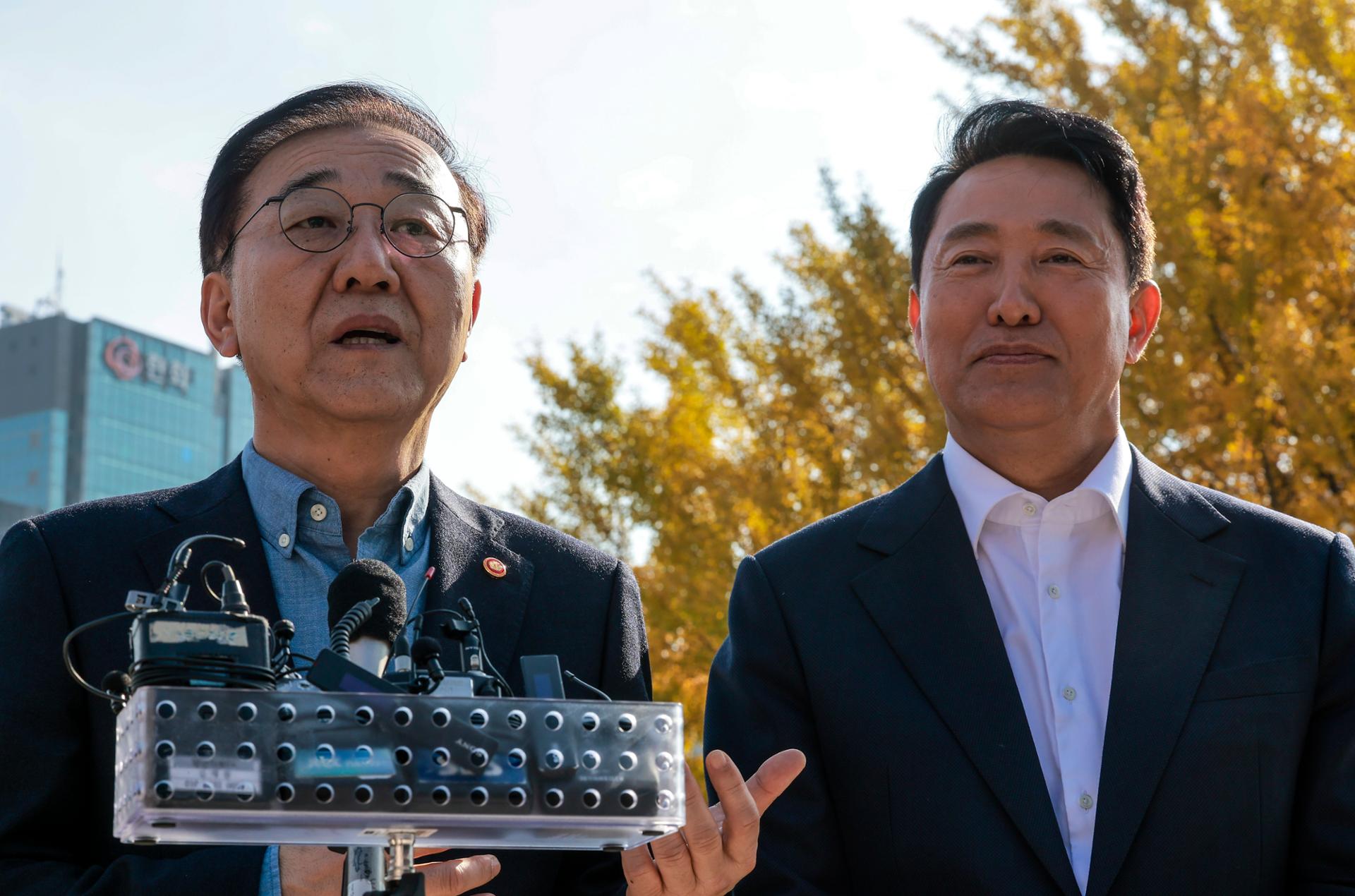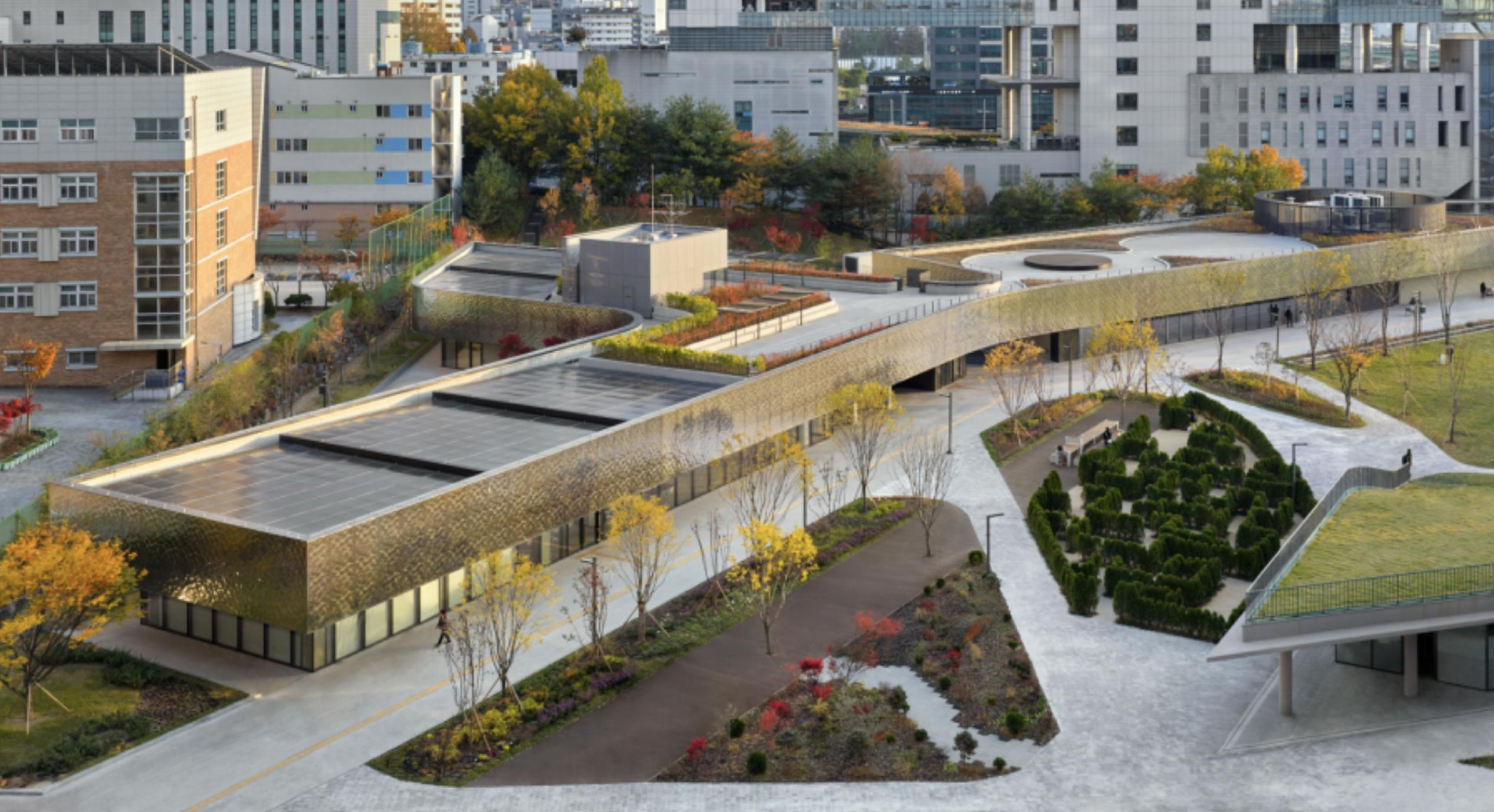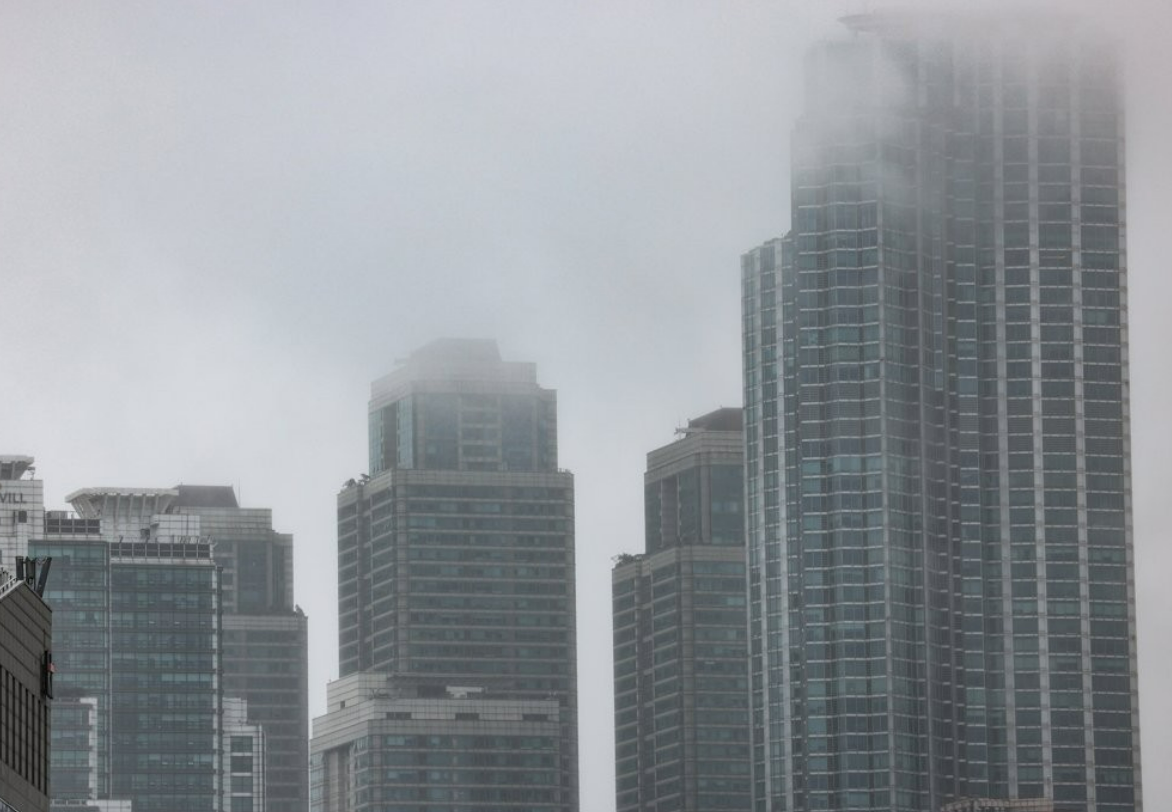
LEE KYONG-HEE The prolonged dispute surrounding the city of Seoul’s moves to allow high-rise construction near the shrine Jongmyo essentially stems from a lack of sustainable strategies for balancing historic preservation and urban regeneration in our capital. Not only the landmark royal shrine but the city itself, especially the old city center, calls for a long-term master plan that both preserves and enhances its heritage while fostering sustainable urban renewal and growth.It is truly frustrating that the metropolitan government’s urban renewal policies and height regulations in redevelopment zones facing Jongmyo have swung back and forth over the past two decades, depending on who occupied City Hall. Even more troubling is that the dispute has now entered another unseemly phase of political conflict, with the two major parties pursuing polarized stances following the recent local elections.Newly elected Jongno District Chief Yoon Chan-jong of the ruling Democratic Party of Korea has made clear his opposition to the city’s controversial redevelopment plan, departing from the policy of his predecessor Jeong Moon-heon of the main opposition People Power Party. This is likely to become a major stumbling block to the main opposition's Mayor Oh Se-hoon’s push to accelerate the project, which requires approval from the district office. The municipal architectural committee approved the building safety impact assessment, clearing one of the final procedural hurdles before construction can begin.Meanwhile, the Korea Heritage Service has advised the Seoul Metropolitan Government, Jongno District Office and Seoul Housing & Communities Corp. to halt implementation of the plan, pending a Heritage Impact Assessment as provided by the World Heritage Convention. Oh’s administration has disregarded repeated requests from the UNESCO World Heritage Center to assess the potential impact of the redevelopment near Jongmyo, a World Heritage site.When the International Council on Monuments and Sites recommended Jongmyo’s inscription in 1995, it emphasized the need for strict assurances that “no authorization of the construction of high-rise buildings in the neighboring areas” would be allowed if they might compromise the shrine’s sightlines. The council noted that while the forested grounds of Jongmyo were surrounded by an adequate buffer zone, “considerable modernization” was already visible beyond it.Jongmyo was among Korea’s first historic sites to gain UNESCO World Heritage status — a recognition that carries both national pride and international responsibility. World Heritage sites belong to all humanity, not just the countries that host them. Equally important is the fact that Jongmyo is one of Korea’s irreplaceable historical and architectural monuments. Its location, architectural layout and surrounding landscape are famously steeped in symbolism.The current dispute erupted late last year after Oh announced he would permit office towers up to 141.9 meters tall, nearly double the previous limit set in 2018, across the street from the shrine's main entrance. The floor area ratio increased dramatically from 660 percent to 1,008 percent. He got the green light from a Supreme Court ruling that the city was not legally obliged to consult the Korea Heritage Service on projects located outside designated preservation zones.The metropolitan administration’s pronounced legal justification aside, one may note the position of KCAP, a Dutch-Swiss architecture and urban planning firm, explained in a statement posted on social media as the project’s original architect selected through an international design competition in 2017. It explains how it refined its design through years of consultation with the Korea Heritage Service and other stakeholders about building heights and contextual parameters, and then how it was abruptly excluded from the project without compensation.“The buildings of our original design gradually descend to respect Jongmyo Shrine and create continuity with Jongno’s commercial streets. This concept remained a priority through the final stage and must continue going forward,” KCAP said. “However, the newly proposed design presents a generic skyline profile that looks visually identical to other high-density developments in Gangnam or recently developed satellite towns. It fundamentally undermines the project’s original ambitions: contextual integration, cultural sensitivity and balanced densification. It contradicts universal sensibilities.”This is not to revisit why KCAP was replaced by a local construction company reportedly awarded the project through a noncompetitive contract despite regulations favoring international competition. The city government has maintained that the transition involved no irregularities. Even so, KCAP’s original concept appears better suited to achieving the project’s stated objectives.The ongoing dispute and chaos could, if wisely handled, become a turning point — an opportunity to rethink urban regeneration as a systematic and integrated process of reconnecting and revitalizing Seoul’s historic and cultural assets and thereby creating meaningful urban spaces where residents can live and work while appreciating the city’s history, identity and aesthetic harmony.In doing so, the city government will need to identify Seoul’s iconic vistas — such as the sightlines to and from Jongmyo, the royal palaces and the mountain ridges — and establish robust protections for them. New developments should not compete with these vistas but reinforce their visual integrity, historical character and cultural meaning.Achieving this vision will require both the central and Seoul metropolitan governments to take the lead by investing public resources rather than relying primarily on private developers, whose commercial interests will inevitably take precedence over heritage conservation. Seoul deserves a comprehensive strategy that honors its deep historical roots while guiding its future growth so that progress and memory coexist in lasting harmony.- - -Lee Kyong-heeLee Kyong-hee is a former editor-in-chief of The Korea Herald. The views expressed here are the writer's own. -- Ed.
[Lee Kyong-hee] Seoul needs heritage preservation framework
The prolonged dispute surrounding the city of Seoul’s moves to allow high-rise construction near the shrine Jongmyo essentially stems from a lack of sustainable
893 words~4 min read