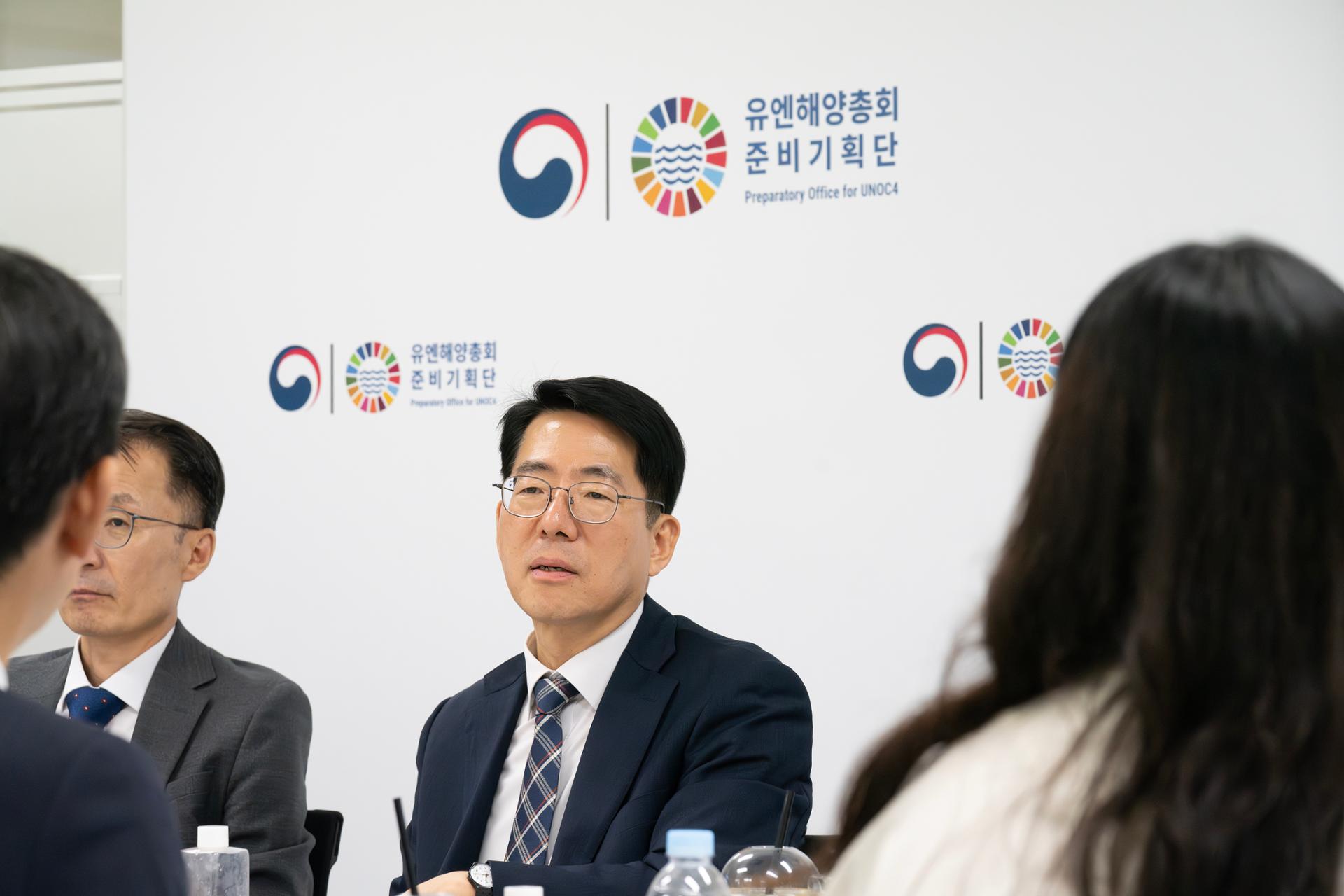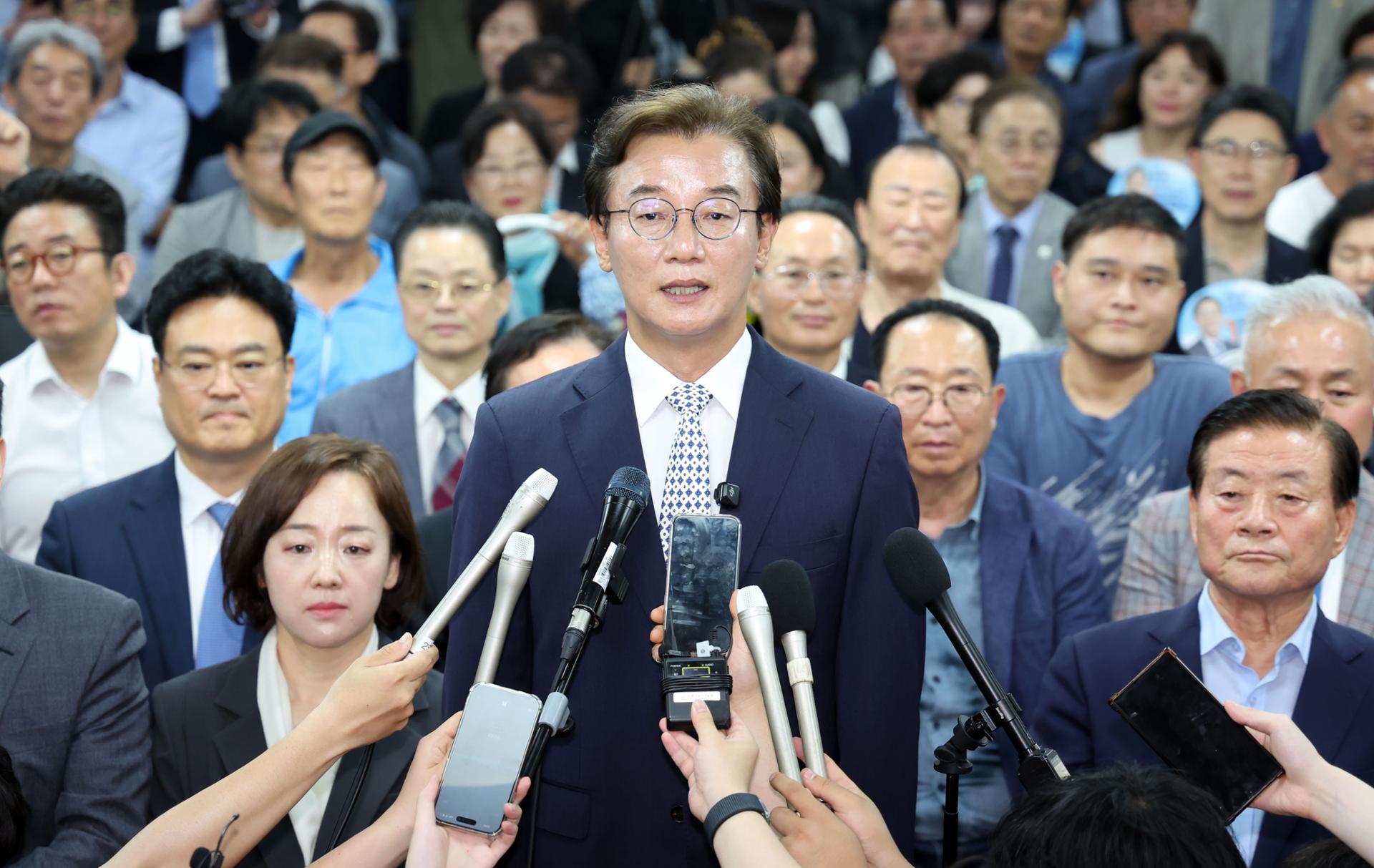
On December 11, 2025, Chun Jae-soo arrived at Incheon International Airport. He had just returned from New York, having successfully bid for South Korea to host the 2028 United Nations Ocean Conference, the largest global talkfest on maritime sustainability. His gait was brisk. He was upbeat. So, it came as a surprise when he told the gaggle of journalists that he was resigning as minister of ocean and fisheries.
An allegation recently surfaced that he received 40 million won (about $26,000) in cash plus two designer watches from a cult known for bribing politicians for its pet projects. He categorically denied the allegations, explaining that the resignation was for him to “confidently respond to the investigations without being a minister.” Whether out of a good premonition or out of satisfaction that he was doing the right thing, Chun was all smiles as he walked off among the swarming journalists and cameras.
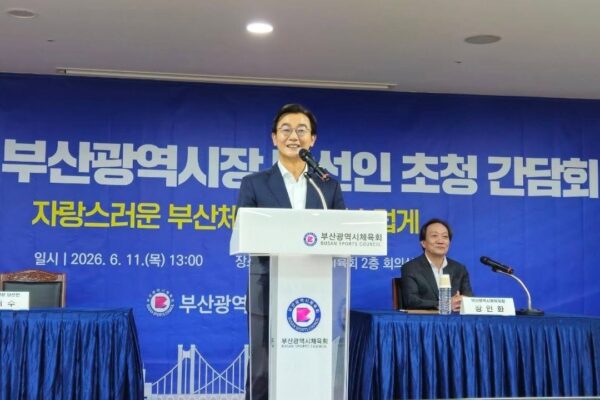
In April 2026, the ruling Democratic Party (DP) picked him to run for the Busan mayoral election on its ticket. The day after the party nomination, the authorities decided not to press charges for his alleged graft. Their findings, however, raised eyebrows.
Circumstantial evidence was rife; the investigators identified one of the watches allegedly given to him, discovered who bought it from where, and traced the said watch to Chun’s acquaintance and then to a watch repairer. Yet, there was no direct evidence the watch and cash fell on Chun’s lap. Even if there was, the statute of limitation would have barred law enforcement from issuing proceedings against Chun.