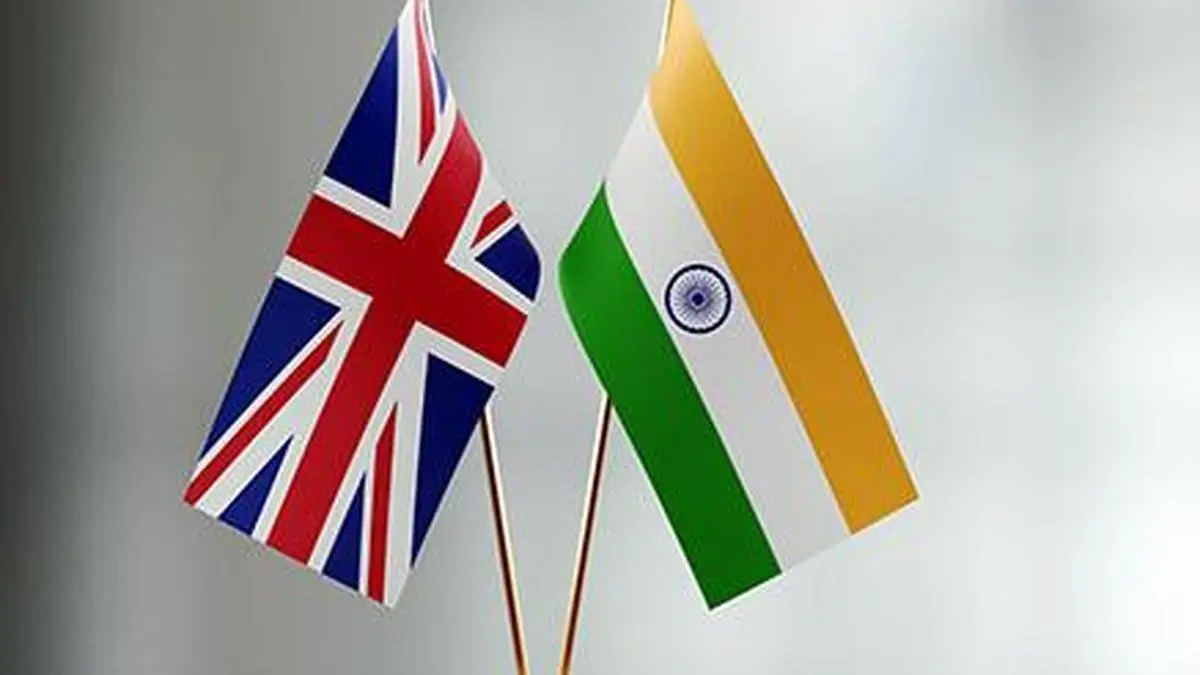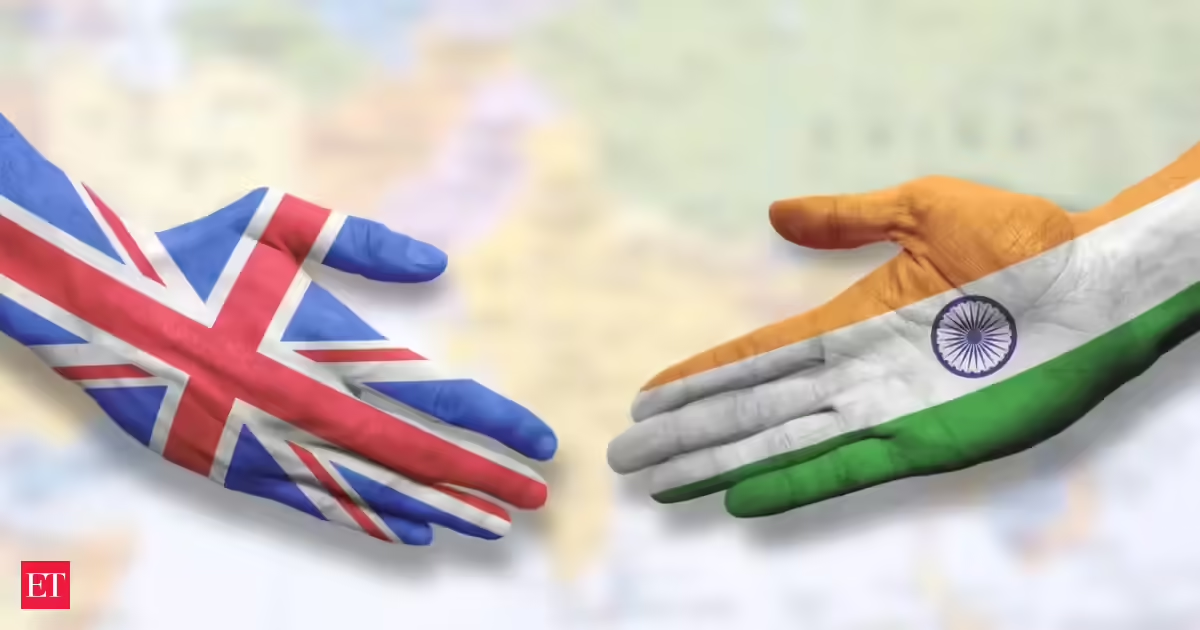
Trade deals are important for accelerating prosperity but not every deal is a game changer. One that drives shared growth across key sectors, unlocks opportunity for businesses of all sizes, and pushes the envelope for bilateral trade qualifies to achieve that tag. And so, it is no surprise to see businesses and trade associations using the term in relation to the United Kingdom-India Free Trade Agreement (FTA) which is formally known as Comprehensive Economic and Trade Agreement (CETA). India remains the fastest-growing economy in the G-20 and it is on track to become the world’s third-largest economy within the next five years. Complementing this the U.K. remains one of the top global destinations for investment and was the third fastest-growing economy in the G-7 in 2025. Securing preferential access to each other’s market is not an abstract diplomatic win; it is an economic advantage that will deliver significant returns in both countries over time. This FTA is forecast to boost Indian GDP by £5.1 billion, the U.K.’s GDP by £4.8 billion and increase bilateral trade by £25.5 billion every year in the long run.Bilateral trade was already worth £48 billion a year in 2025. From July 15, it will be cheaper, quicker, and easier for businesses to trade across both countries. Even before this deal came into force, we have seen the creation of thousands of new jobs on both sides and that is showing no signs of slowing down, as the countdown to entry into force closes and a new era of growth between the two nations begins. We should all be excited to see what the two countries and businesses on both sides can achieve in the years ahead. These are the hallmarks of a historic deal; but it is not just about the numbers.A story of scale and depthFrom day one, both sides agreed that this deal must be broad, deep, and a driving force that brings long-term growth for both countries. Nearly three years of intensive negotiations preceded this deal and there is no doubt that the agreement reached is the most economically significant trade deal that the U.K. has done since leaving the European Union; it is also one of the most comprehensive trade deals that India has ever done. In short it is a win-win for businesses and consumers and for both economies. To give readers just a flavour of the far-reaching benefits — 99% of U.K. tariff lines will be duty-free for Indian products and India will remove or reduce tariffs on 90% of its tariff lines for U.K. products.Editorial | Caution and optimism: On India’s FTA with the United Kingdom For India, this could support jobs in labour-intensive sectors such as textiles, leather, jewellery and, equally, it will boost exports in services such as IT and finance by a large margin.Similarly, tariff duties on U.K. exports to India are estimated to fall by around £400 million when the deal comes into effect, and further to £900 million in later phases. Critical industries such as aerospace, automotives, medical devices, and whiskies will all benefit significantly, adding billions to the U.K. economy. This is transformational and it is also just the beginning.Benefits beyond Mumbai and LondonOne of the most persistent criticisms of trade policy is that the gains created are only concentrated in a few places. We have ensured that this deal benefits all aspects of the local economy beyond the major cities in both countries. Several unprecedented and dedicated provisions across high-growth and high-value sectors from each side are agreed in a deal spanning 30 chapters. In practical terms, that means manufacturers, innovators, supply chain businesses, and service exporters — often based far away from the major cities — can compete more effectively with cheaper imports and fewer barriers. For instance, a textile manufacturer from Indore, Madhya Pradesh, will now be able to trade more efficiently into the U.K. just like an auto-parts manufacturer from Birmingham will be able to trade more cost effectively into India.Modern trade goes beyond just tariffs and that is why this agreement’s provisions on customs, digital trade, and services are central to its exceptional standard. Improved customs provisions will help goods reach markets faster — particularly valuable for small and medium-sized enterprises (SMEs) that cannot afford excessive red tape. On services, where the U.K. is globally renowned, the agreement locks in market access across key sectors, providing the predictability that U.K. businesses need to expand in India and vice versa. The deal also includes India’s first-ever standalone chapters on anti-corruption, gender, and development — and one of the most comprehensive labour and environmental commitments that India has ever made in a trade deal. But it is not just about access; it is also about securing appropriate protections for domestic producers, which is what this deal does so well.For instance, India maintains protections for dairy products and edible oils, while the U.K. shields sugar, milled rice, pork, chicken, and eggs. In an era where trade agreements are judged not only on growth but also on sustainability and fairness, this deal shows how it is done.Making the deal countIt is clear that this landmark deal combines measurable economic gains, deep market access in the sectors of the future, practical trade facilitation, strong domestic protections, and the first-of-their-kind values chapters. It sets a template for what modern trade agreements should look like: pro-growth, pro-worker, pro-innovation — a gold standard for trade deals.As we close in on entry into force, the task is clear: let us maximise it. Businesses from both countries should champion exports, explore procurement opportunities, map supply chains against new rules of origin, and move quickly because in trade, first-mover advantage is real, and it rarely comes twice.Harjinder Kang is His Majesty’s Trade Commissioner for South Asia and the British Deputy High Commissioner for western India
July opens the biggest chapter in India-U.K. trade relations
The United Kingdom-India Free Trade Agreement combines measurable economic gains, deep market access in the sectors of the future, practical trade facilitation and strong domestic protections
TL;DRAI
UK-India FTA enters force July 15 with 99% tariff-free access, boosting UK GDP £4.8B and India's £5.1B annually. For tech enterprises, streamlined digital trade and reduced customs friction unlock India's economy for AI, IT services, and supply chain growth.
967 words~4 min read