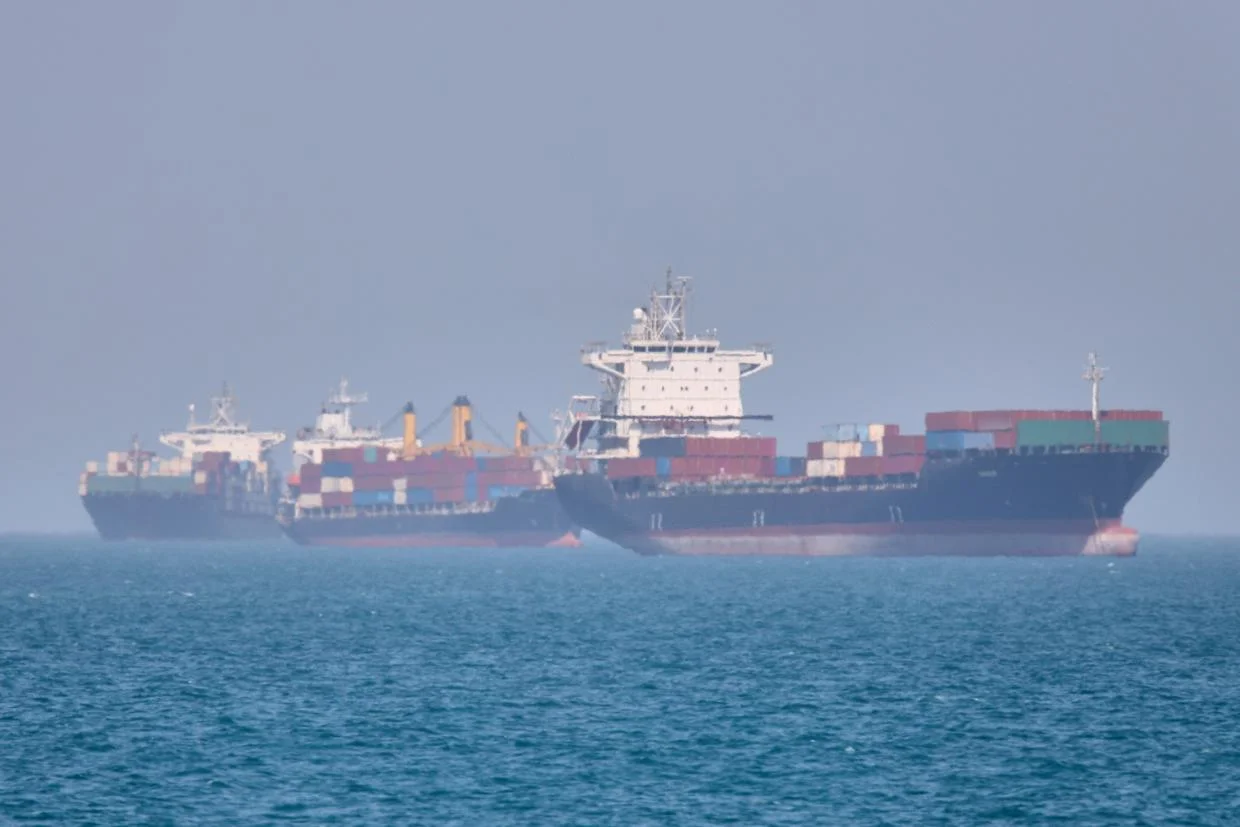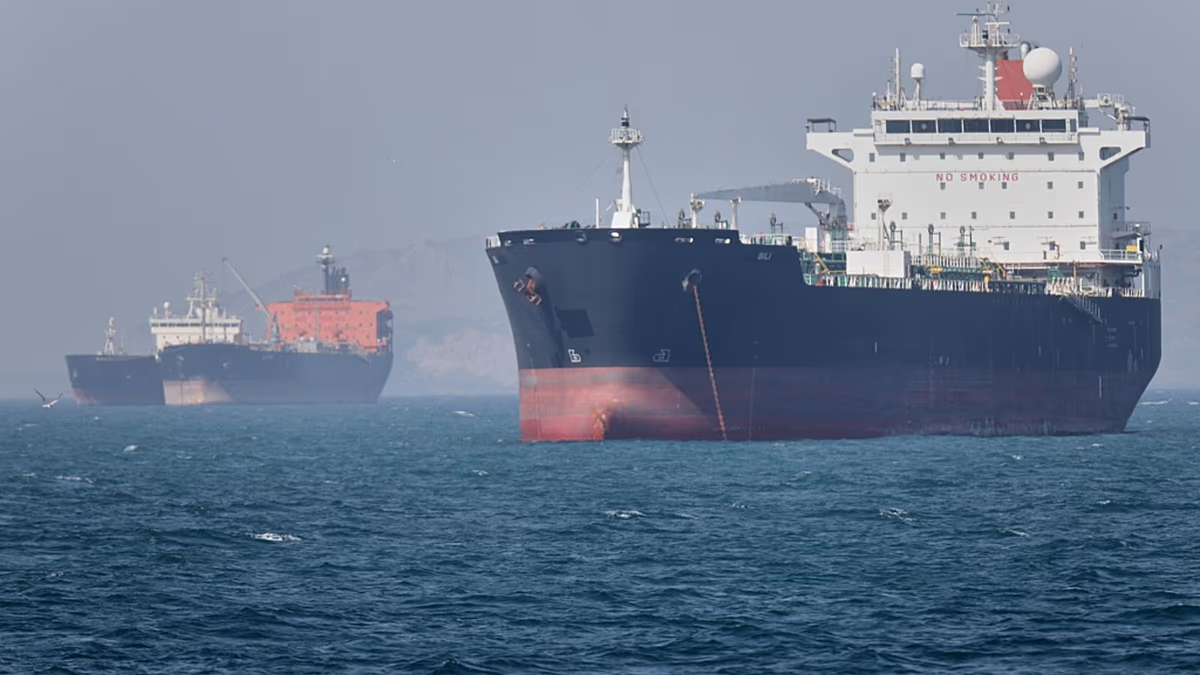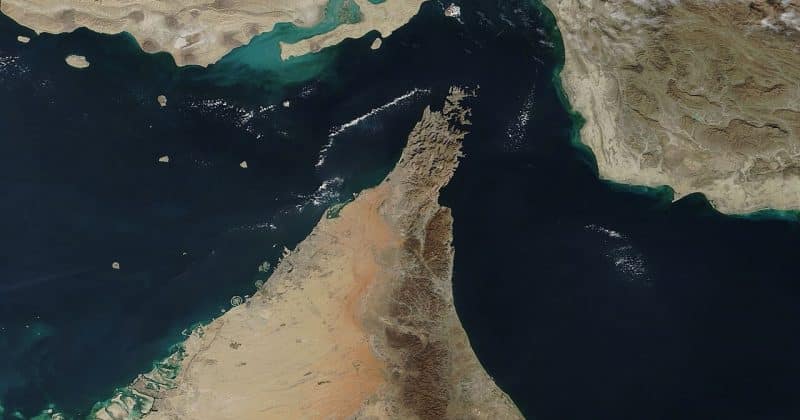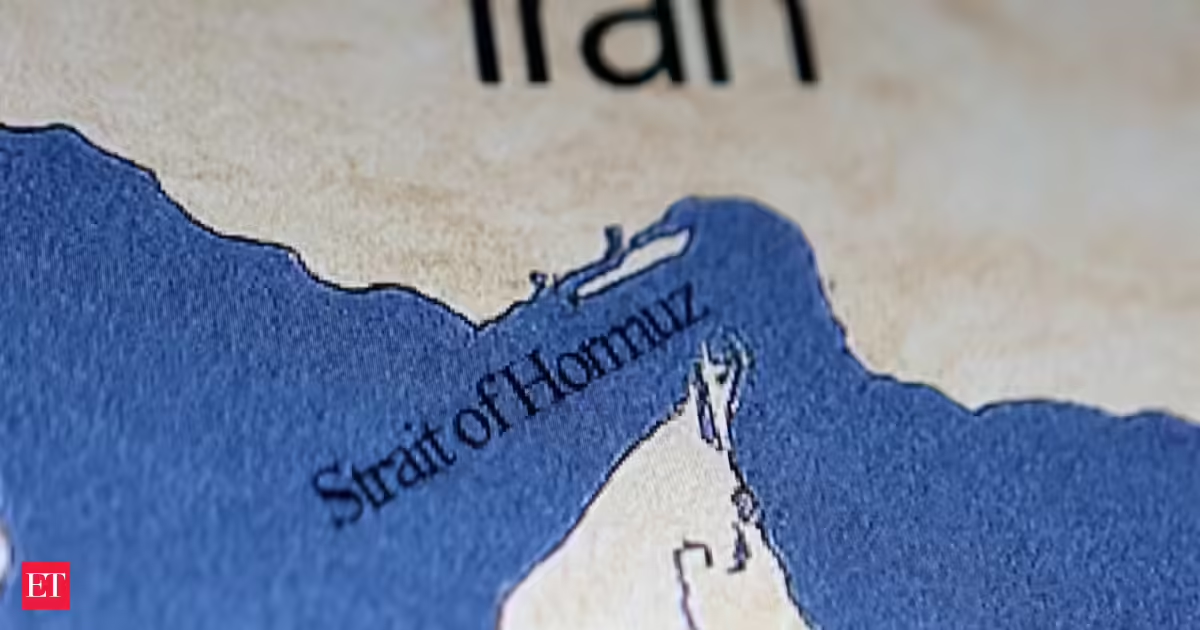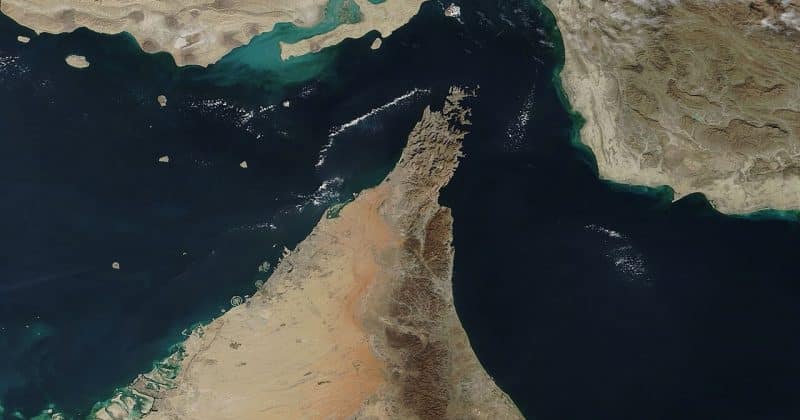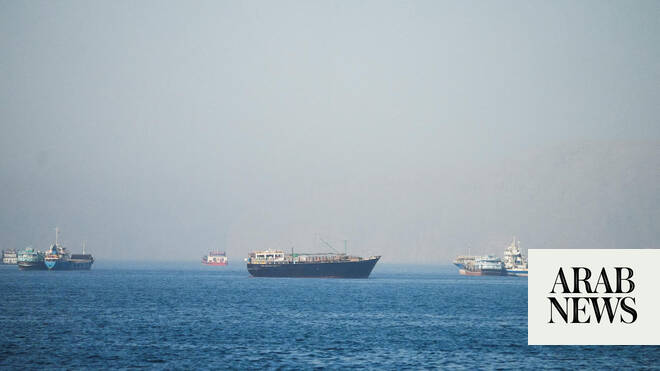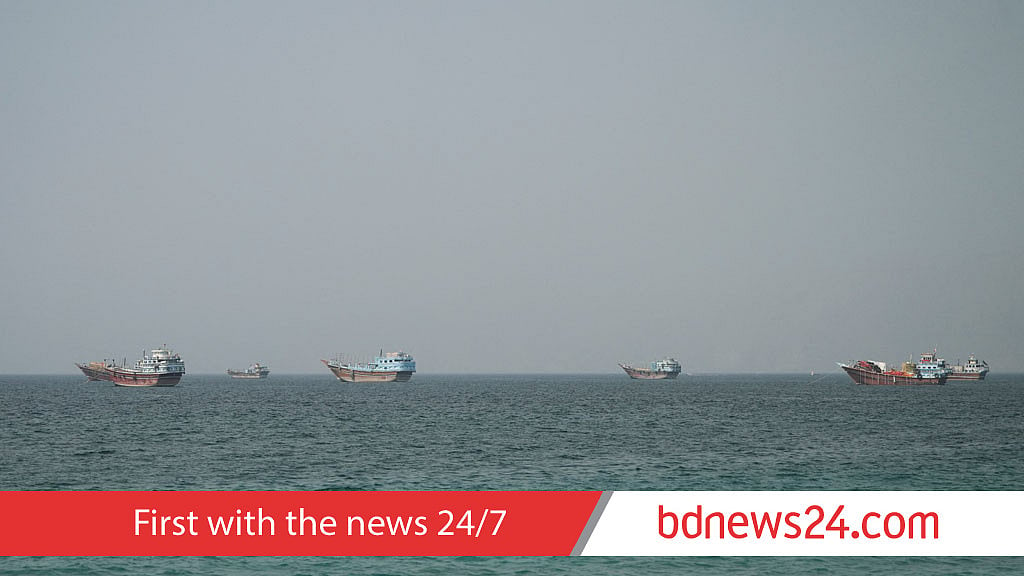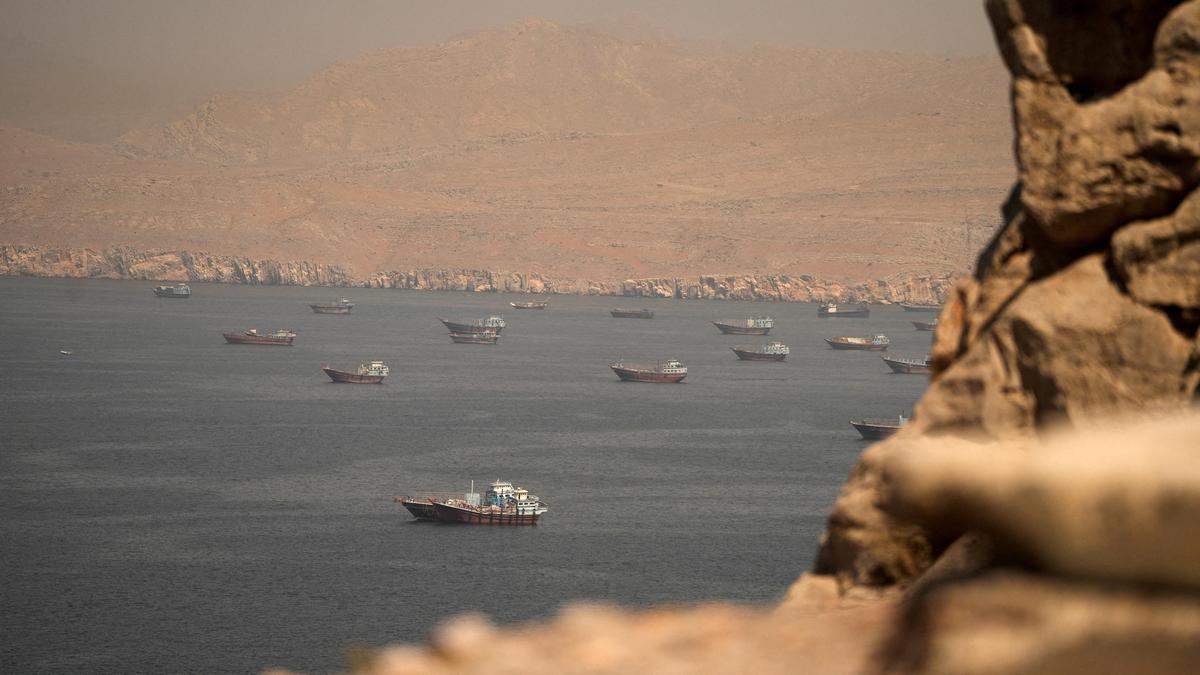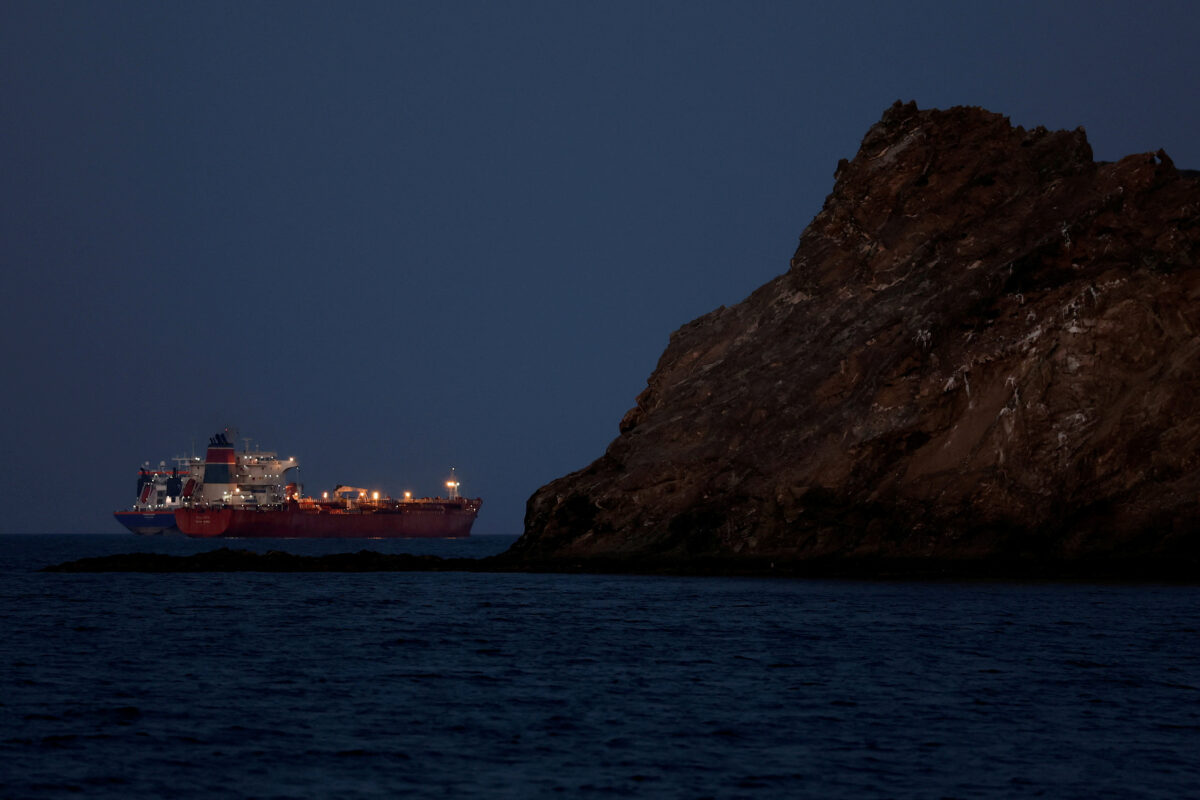
On 4 May 2026, Iran’s Islamic Revolutionary Guard Corps issued a map indicating a zone of Iranian authority over a large area of the Strait of Hormuz, covering a large part of both Oman’s and the United Arab Emirates’ territorial waters. Iran’s closure of the strait challenges a well‑established principle of the law of the sea — straits used for international navigation must remain open to all ships and aircraft — with major stakes for global trade and maritime stability.
Article 38 of the UN Convention on the Law of the Sea (UNCLOS) enshrines the right of transit passage, while Article 44 imposes a duty on states bordering straits not to hamper or suspend that passage. Even though Iran and the United States are not parties to UNCLOS, the provisions on straits used for international navigation and on transit passage have been considered customary international law. This was reflected in pre-war practice in the Strait of Hormuz, where ships passed through the Strait in accordance with the traffic separation scheme approved by the International Maritime Organization.
While other frameworks of international law apply in times of armed conflict — and may permit a coastal state to restrict the movement of enemy vessels and aircraft within its territorial sea — these exceptions are temporary and extinguish once the conflict ends. States generally cannot impose tolls on ships for mere passage, though they can charge fees for specific services rendered so long as they are non-discriminatory.