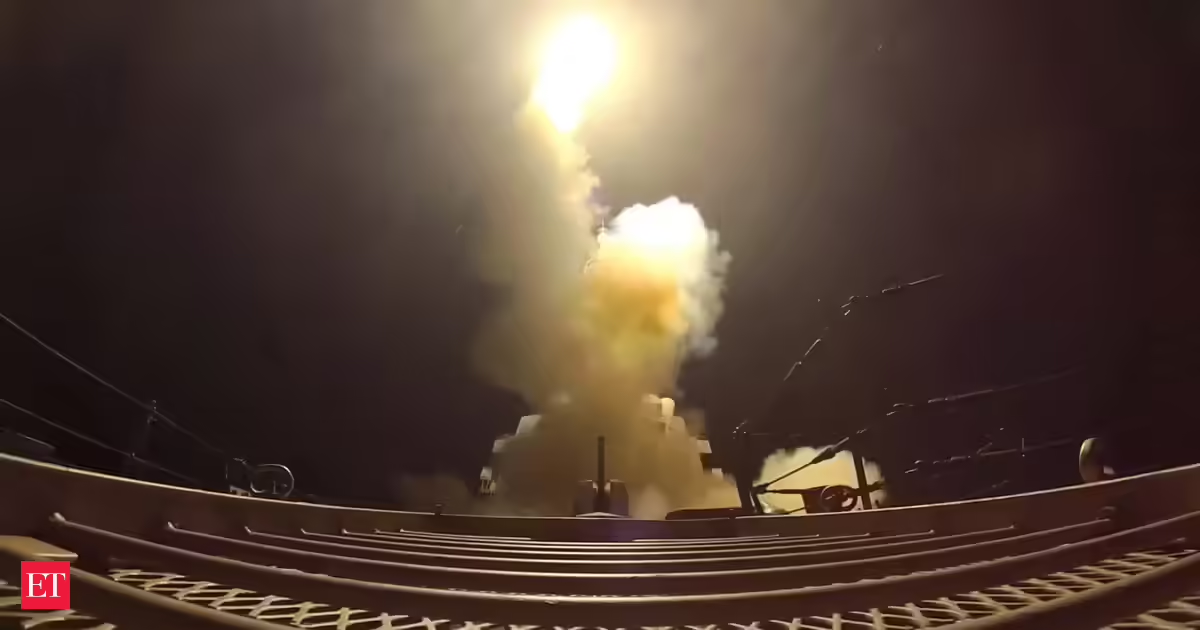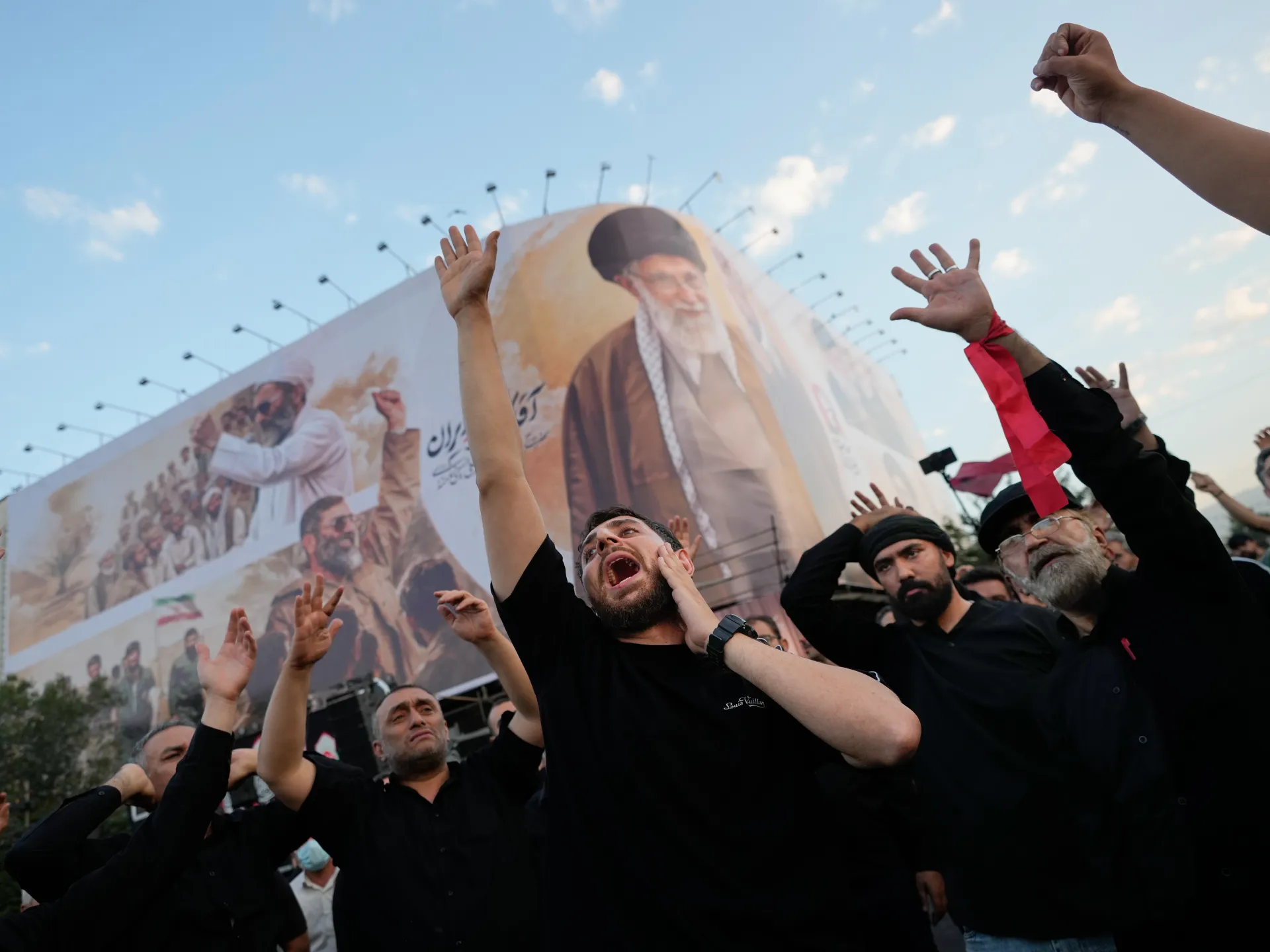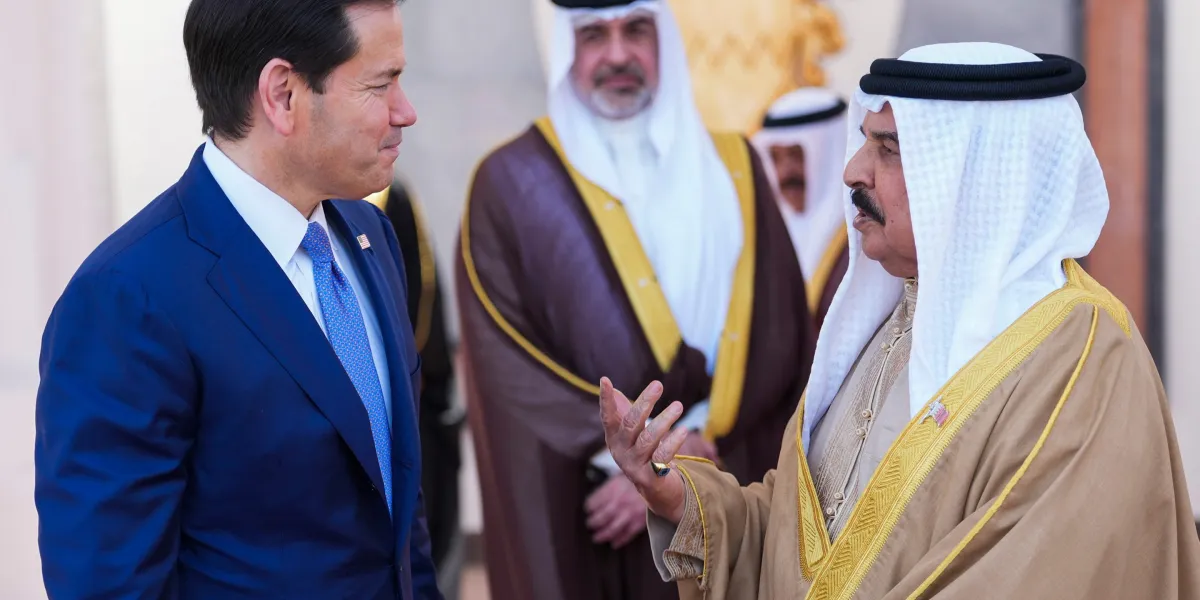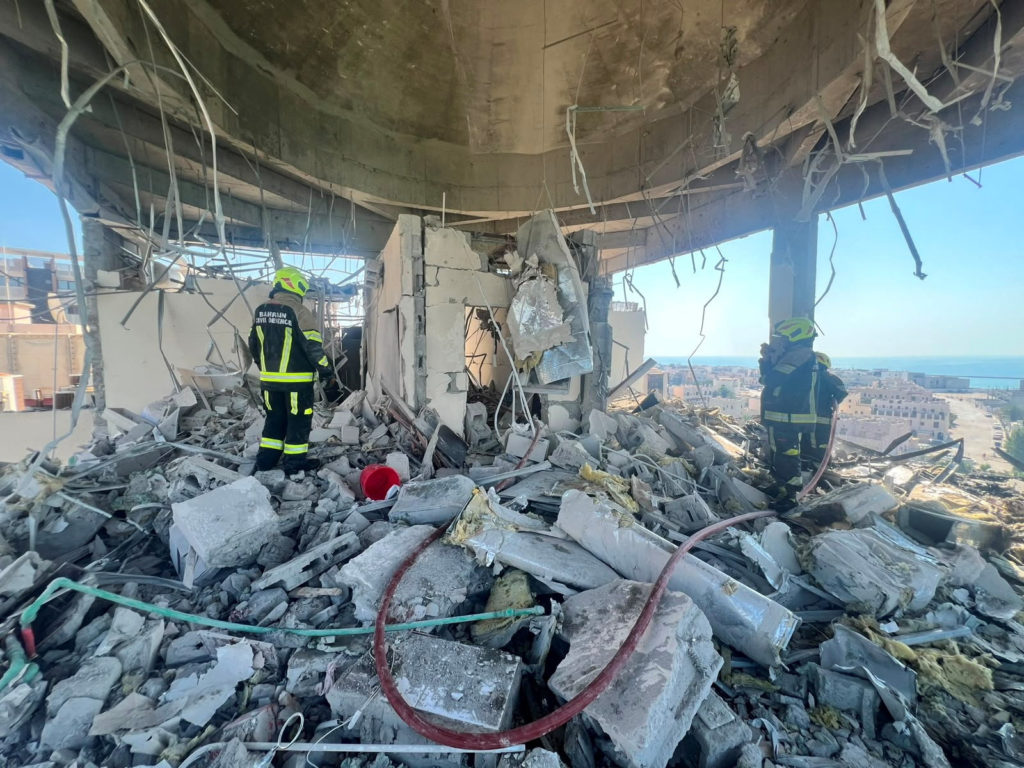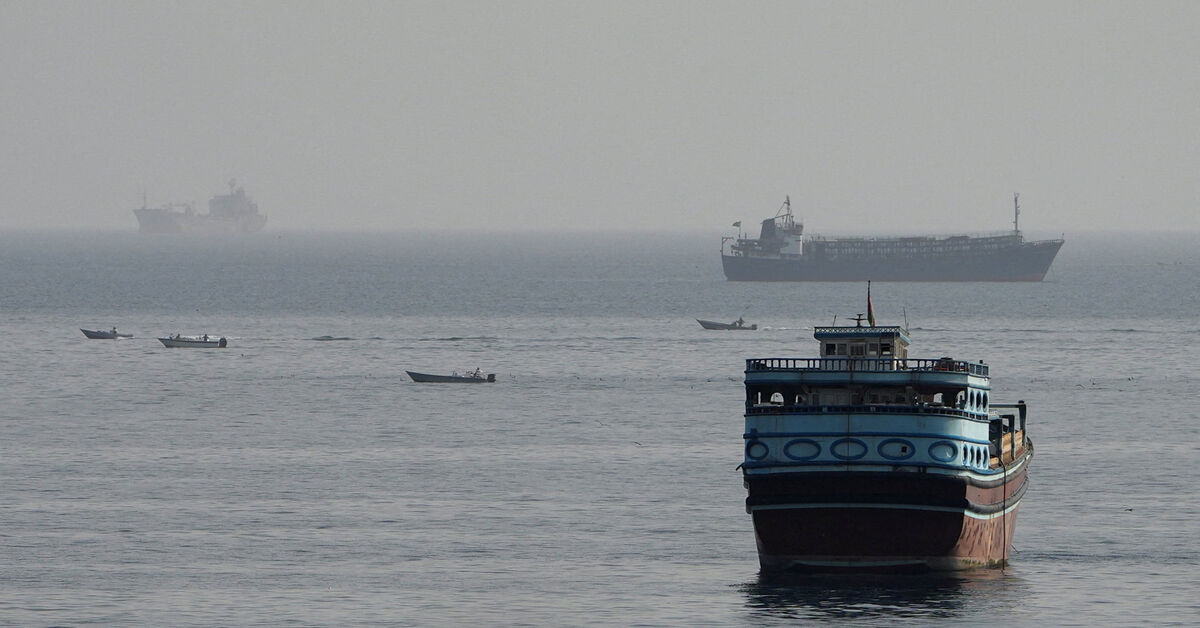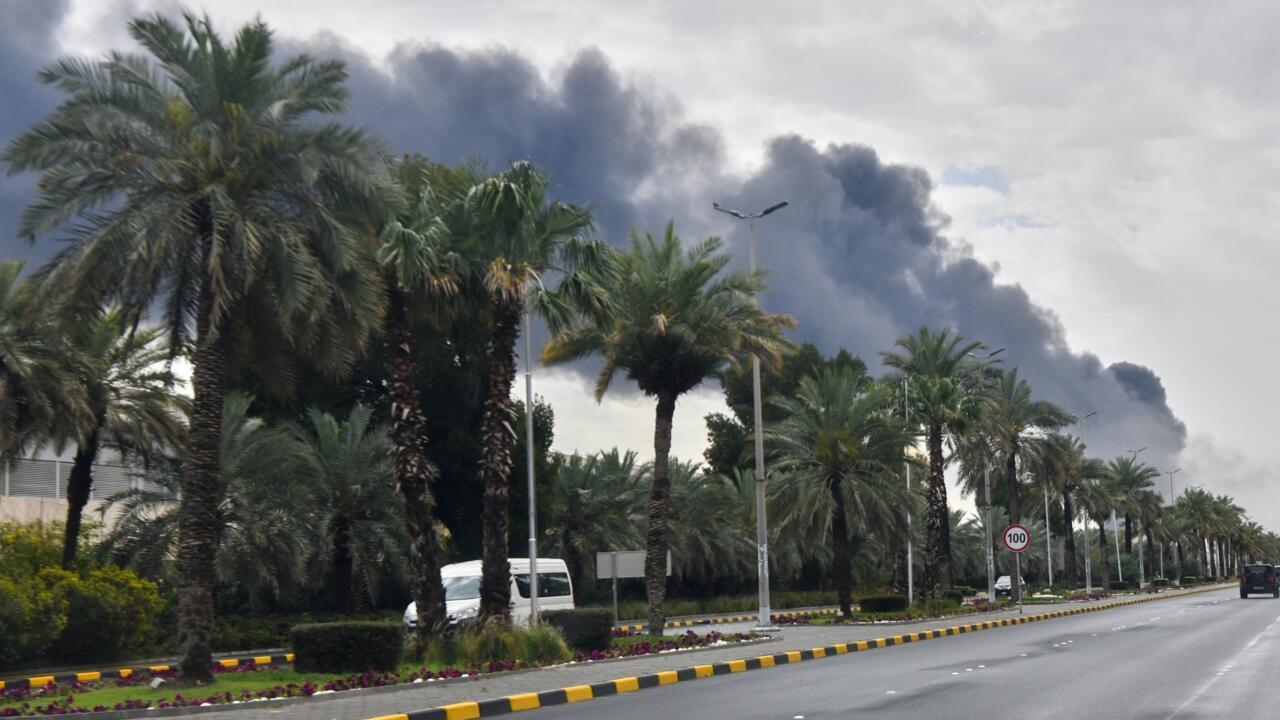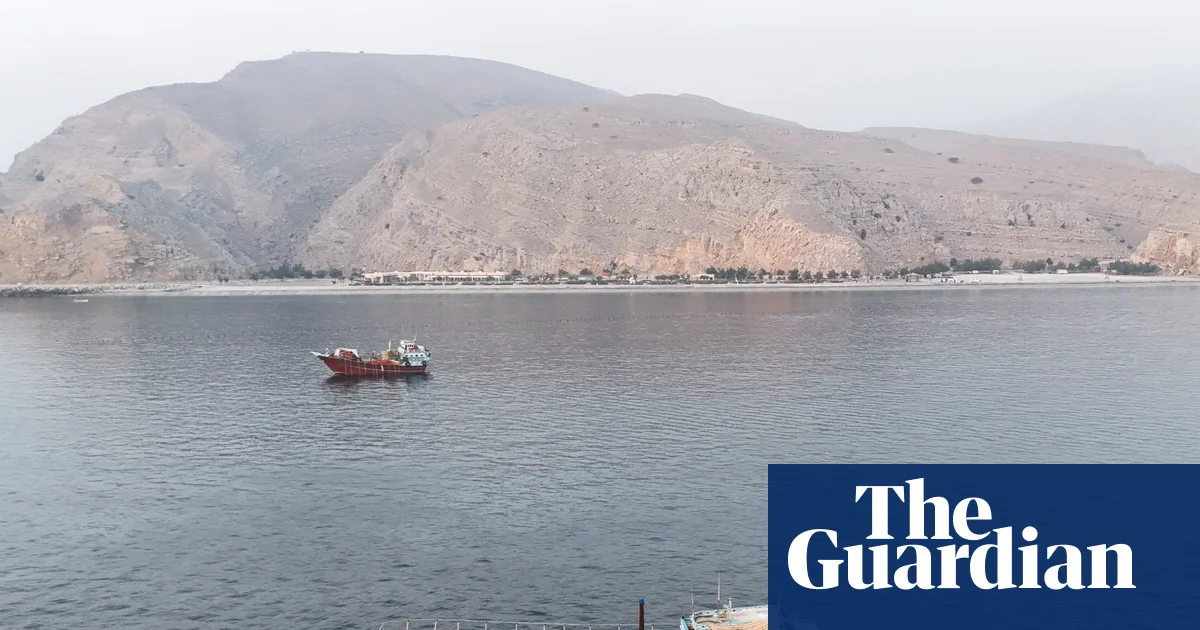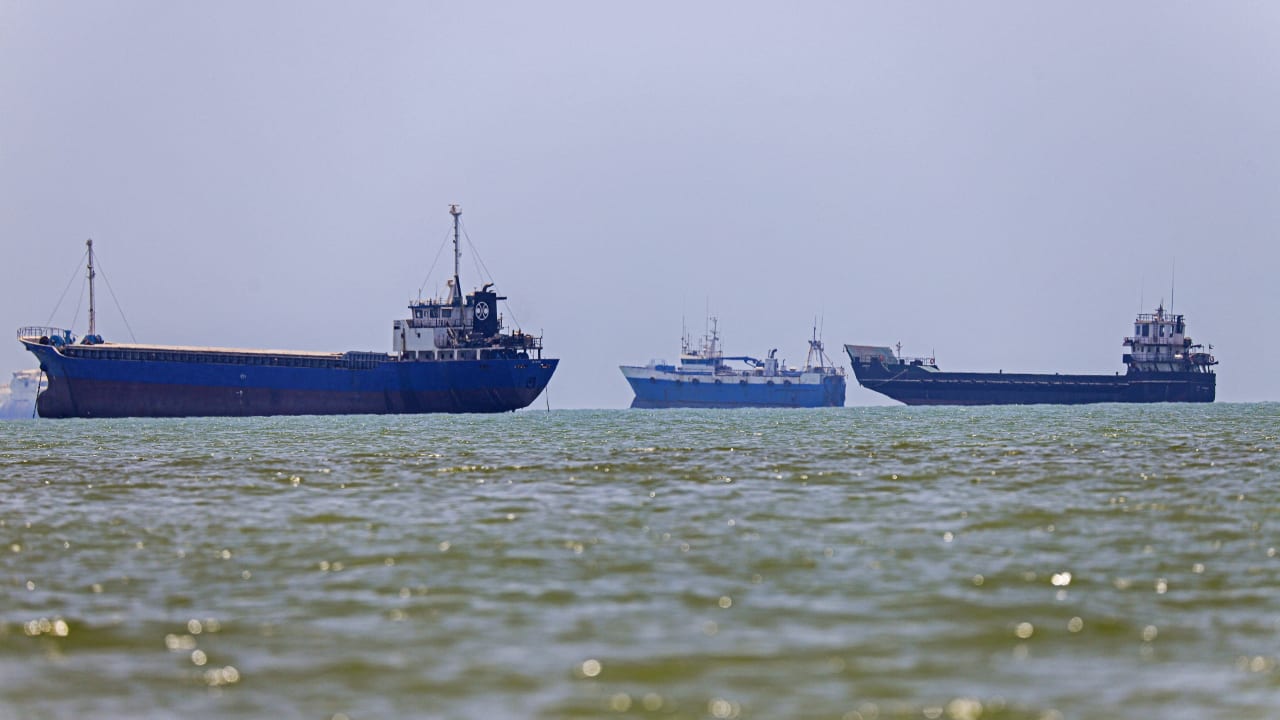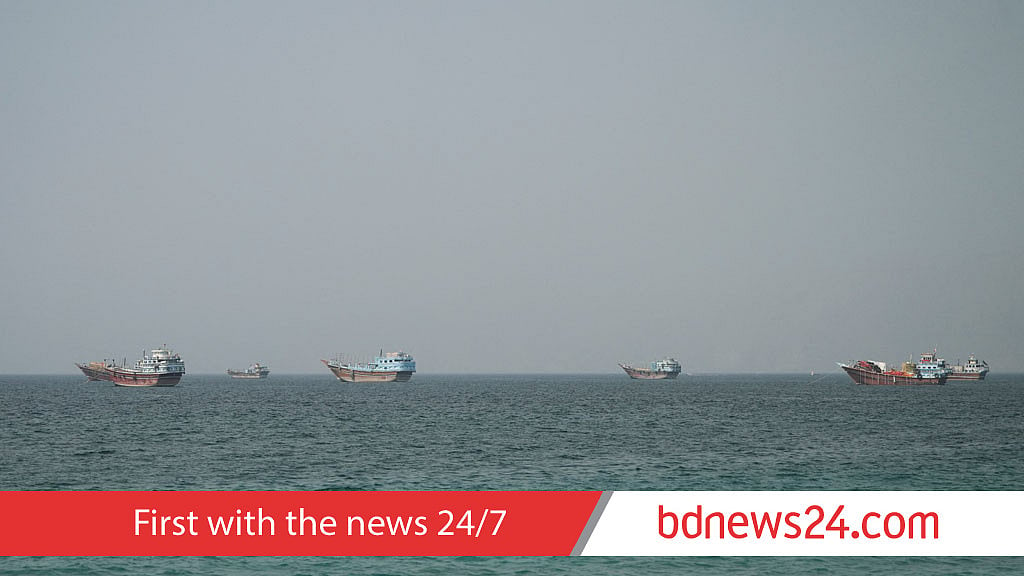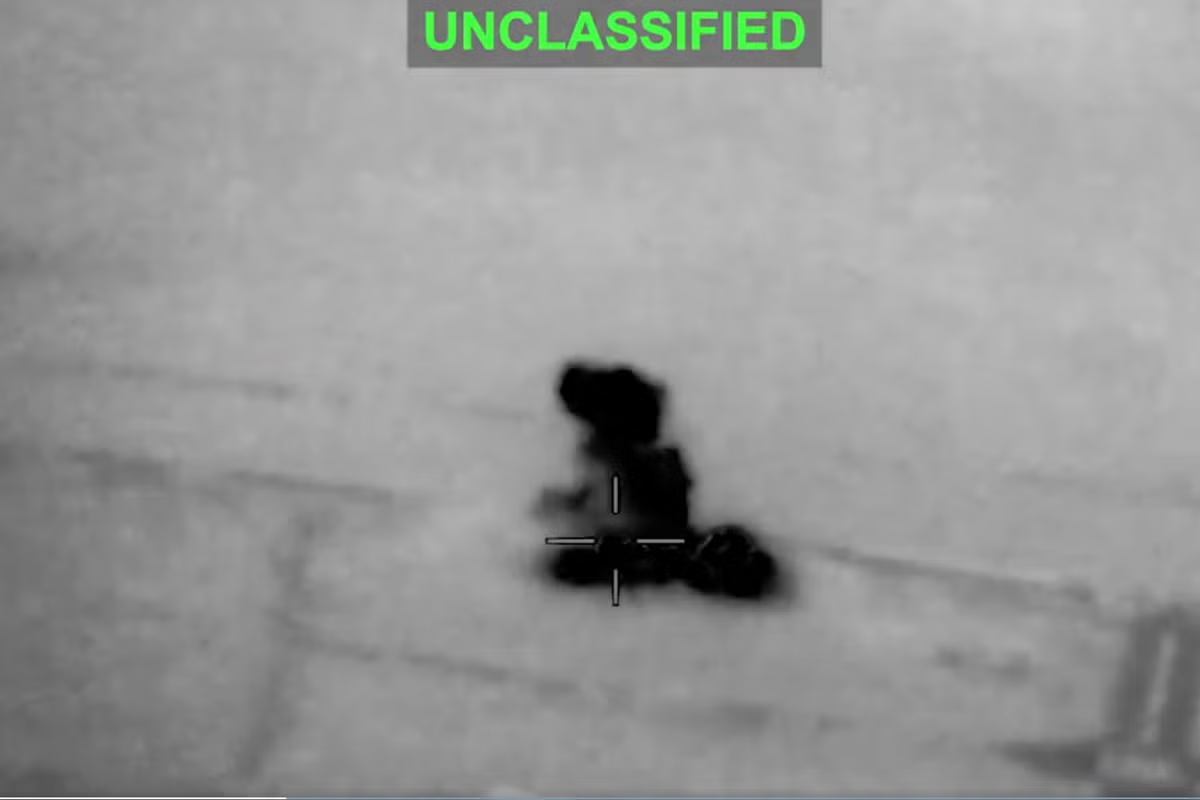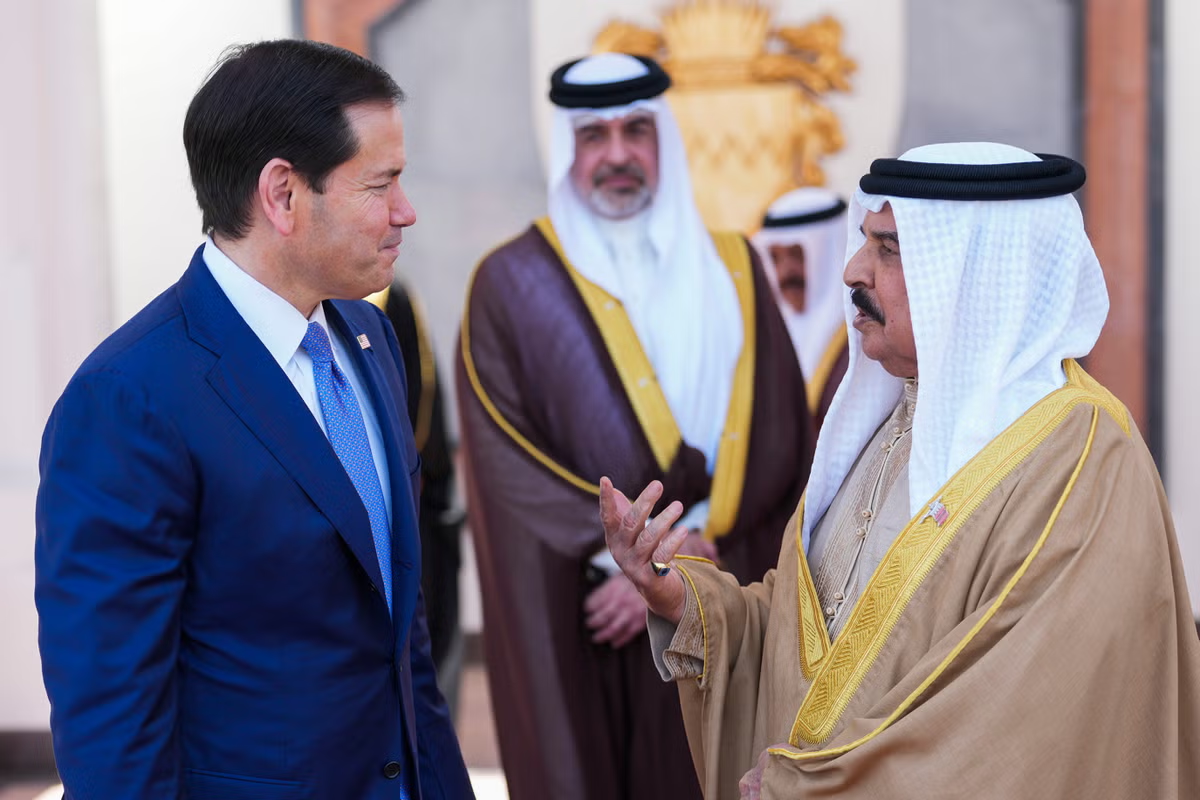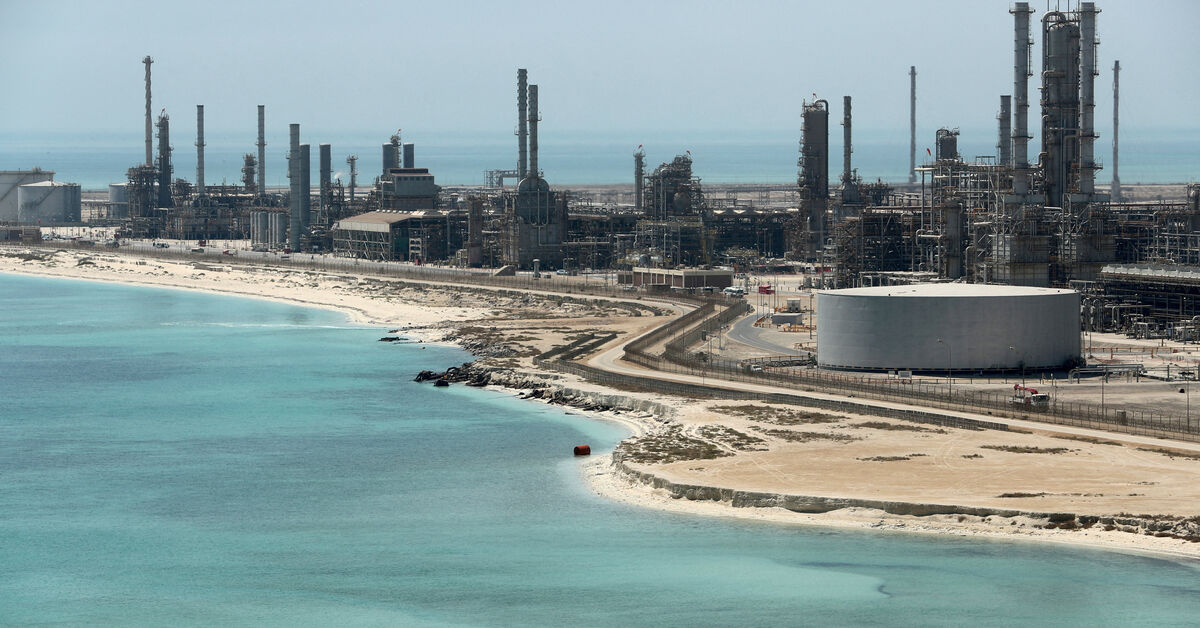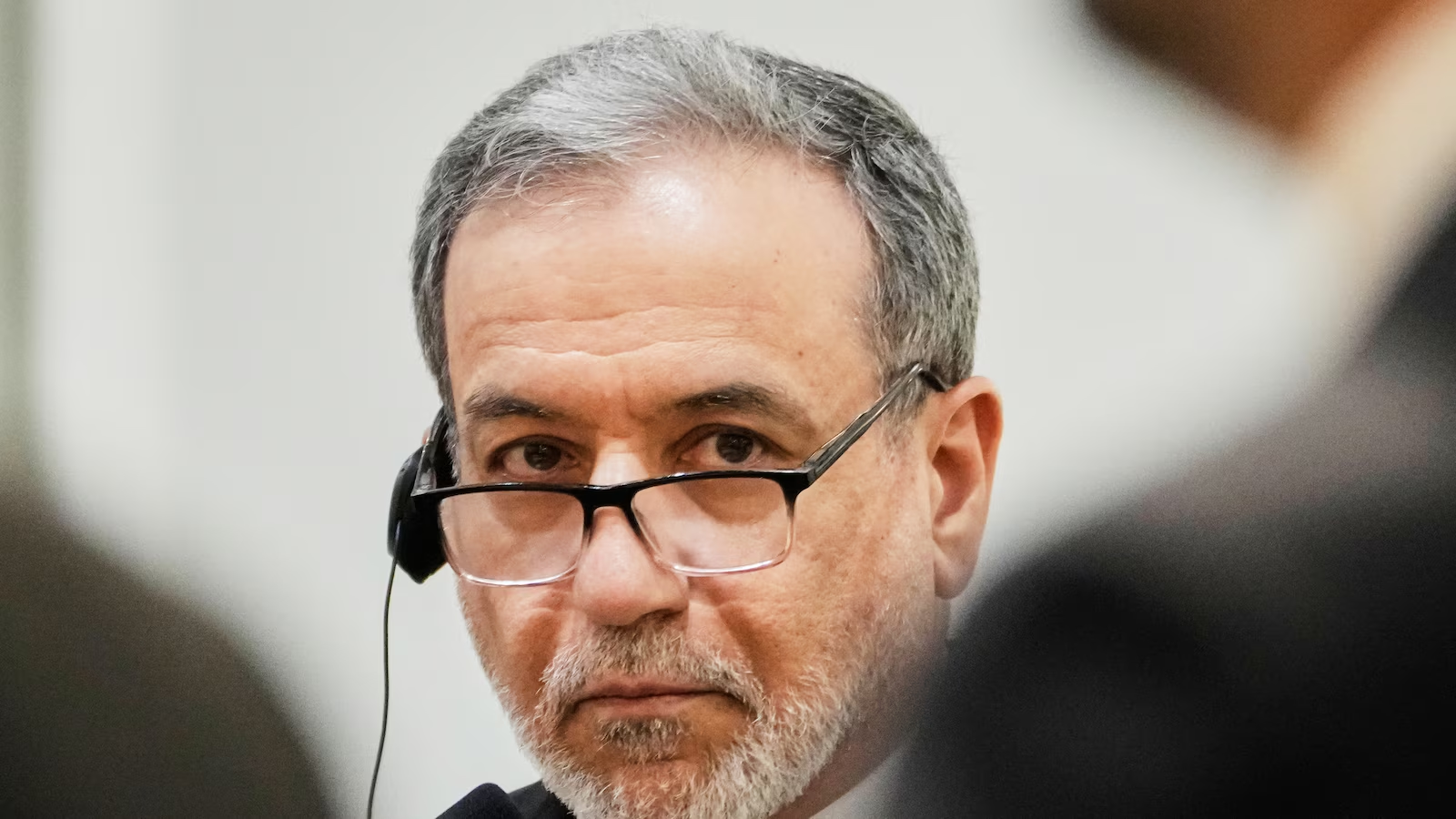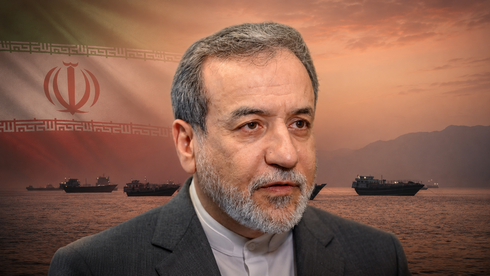
Tehran says attempts to bypass its authority over the strategic waterway will deepen the crisis, after Iranian attacks on Bahrain and Kuwait followed US strikes on military sites in southern Iran and renewed threats from TrumpIran’s demand for sole authority over the Strait of Hormuz has emerged as the central threat to planned U.S.-Iran talks, after a new round of American and Iranian strikes shook the fragile interim understanding meant to end the war.Iranian Foreign Minister Abbas Araghchi said Sunday that Tehran has the exclusive right to manage traffic through the strategic waterway under the preliminary arrangement reached with Washington, warning that any attempt to bypass Iran’s authority would only fuel further violence.GalleryStrait of Hormuz and Abbas Araghchi (Photo: AP/Mehmet Guzel, Reuters)The comments, made during a visit to Baghdad, were among the clearest signals yet that Tehran expects control over the strait to be treated as part of any broader deal. They directly contradict the U.S. position that navigation through the international waterway must remain free and unimpeded.“Any interference in this matter, any attempt to establish new or separate arrangements from those currently being carried out by the Islamic Republic of Iran, will only lead to further complications, delay the reopening of the Strait of Hormuz, and increase the level of tension,” Araghchi said.The dispute over Hormuz has already triggered a dangerous new escalation. On Sunday, Iran launched drone and missile attacks on Bahrain and Kuwait after U.S. strikes on military sites in southern Iran. Tehran also threatened a “complete halt” to the negotiations aimed at ending the war.Trump, meanwhile, warned that the U.S. could abandon diplomacy and “militarily finish the job.” In a social media post, he wrote: “If that happens, the Islamic Republic of Iran will no longer exist!”Kuwait, which hosts a major U.S. Army base, said it intercepted two ballistic missiles and reported no injuries or damage. Bahrain’s Interior Ministry said an Iranian strike damaged a residential building near the international airport, but no deaths were reported.Mojtaba Khamenei and Donald Trump (Photo: Hamed Jafarnejad/ISNA/WANA (West Asia News Agency) via REUTERS, AP/Alex Brandon, REUTERS/Stringer)The latest hostilities were set off by competing plans for reopening the Strait of Hormuz, one of the world’s most important maritime chokepoints. Before the war, about one-fifth of global oil and liquefied gas supplies passed through the strait.Washington has been promoting a southern shipping lane near the coast of Oman, away from direct Iranian oversight. Tehran wants vessels to use a northern route through waters under its control, and has sought to charge fees for use of the passage.Hundreds of vessels, including oil tankers, have been trapped inside the Gulf since the strait was closed after the war began. Some ships have attempted the passage in recent weeks, helping bring oil prices closer to prewar levels and easing pressure on global markets.U.S. Central Command said its latest strikes were “in direct response to continued Iranian aggression against commercial shipping.” It said the targets included Iranian surveillance, communications, air defense, drone storage and mine-laying facilities.The U.S. military accused Iran of violating the ceasefire Saturday by attacking the Panama-flagged tanker Kiku, which was carrying crude oil for Qatar’s state-run energy company. Ship-tracking data indicated the vessel appeared to be using the southern corridor near Oman. A Singapore-flagged container ship was also struck by an Iranian drone while moving along the same route last week.Iran’s Revolutionary Guard Corps claimed responsibility for Sunday’s attacks and warned that further action against Iran would end the diplomatic process.“Let the enemy know that violating the ceasefire … will lead to a complete halt of ongoing processes,” the IRGC said.The IRGC, which controls Iran’s ballistic missile arsenal, has gained influence inside Iran in recent months. Its navy command warned that U.S. bases in the region would “experience hell in the coming days.”Bahrain’s Foreign Ministry condemned the Iranian strikes as “a dangerous escalation that reveals that what Tehran is doing is not a passing act, nor an isolated incident, but rather a deliberate approach and a systematic pattern of repeated aggression against the sovereignty of the kingdom, and the security of its citizens and residents.”Bahrain is home to the U.S. Navy’s 5th Fleet, whose base there came under repeated attack during the war.Araghchi also called for a regional security framework that would exclude the United States, arguing that Gulf security should be handled by regional states alone.“We should reach a new framework that includes all countries in the region and without the presence or interference of any country from outside the region,” he said.Qatar and Pakistan helped bring U.S. and Iranian representatives together in Switzerland earlier this month, producing a memorandum of understanding that gave the sides 60 days to resolve key disputes before a final agreement. But the gaps remain wide, especially over Hormuz, sanctions relief and the future of Iran’s nuclear program.The new violence suggests that the memorandum may have been worded broadly enough to allow both sides to claim incompatible interpretations. Iran appears to believe the agreement recognizes its role as the controlling authority over Hormuz. Washington insists the strait must remain an international passageway open to commercial shipping.
Iran claims sole control of Hormuz, threatening planned US talks after Gulf strikes
Tehran says attempts to bypass its authority over the strategic waterway will deepen the crisis, after Iranian attacks on Bahrain and Kuwait followed US strikes on military sites in southern Iran and renewed threats from Trump
849 words~4 min read