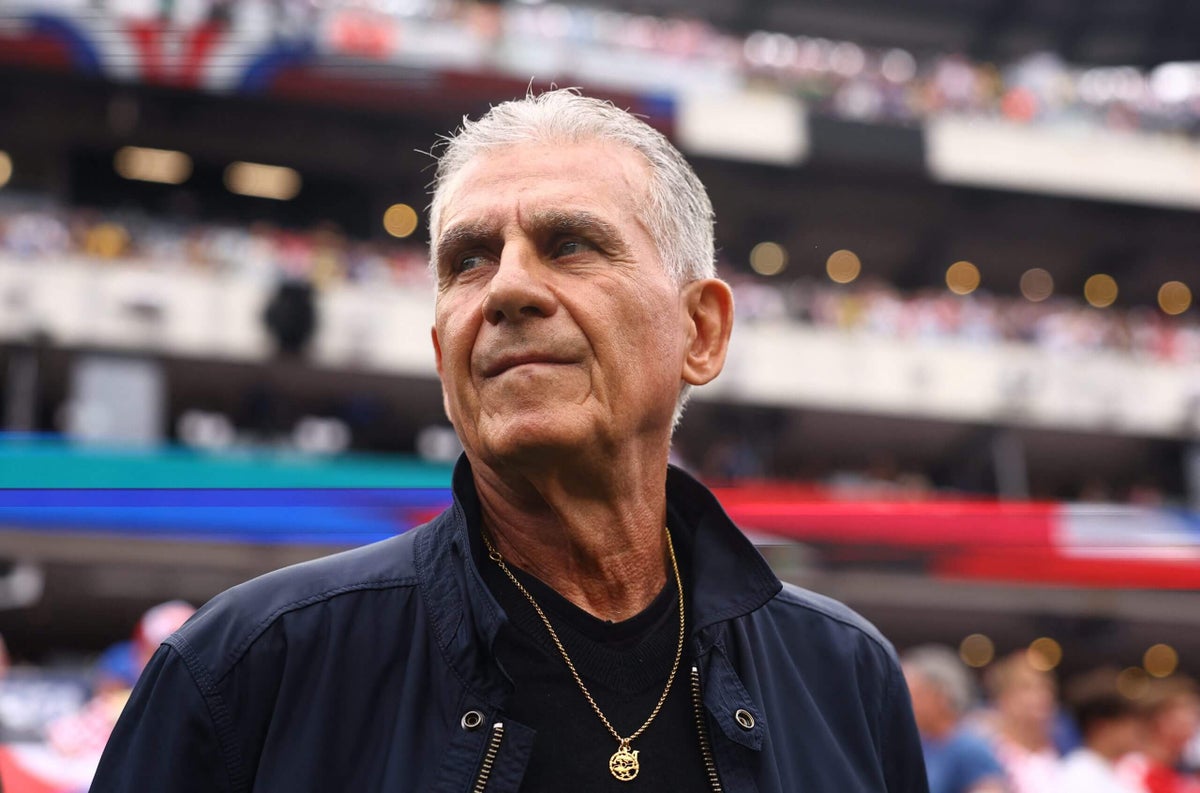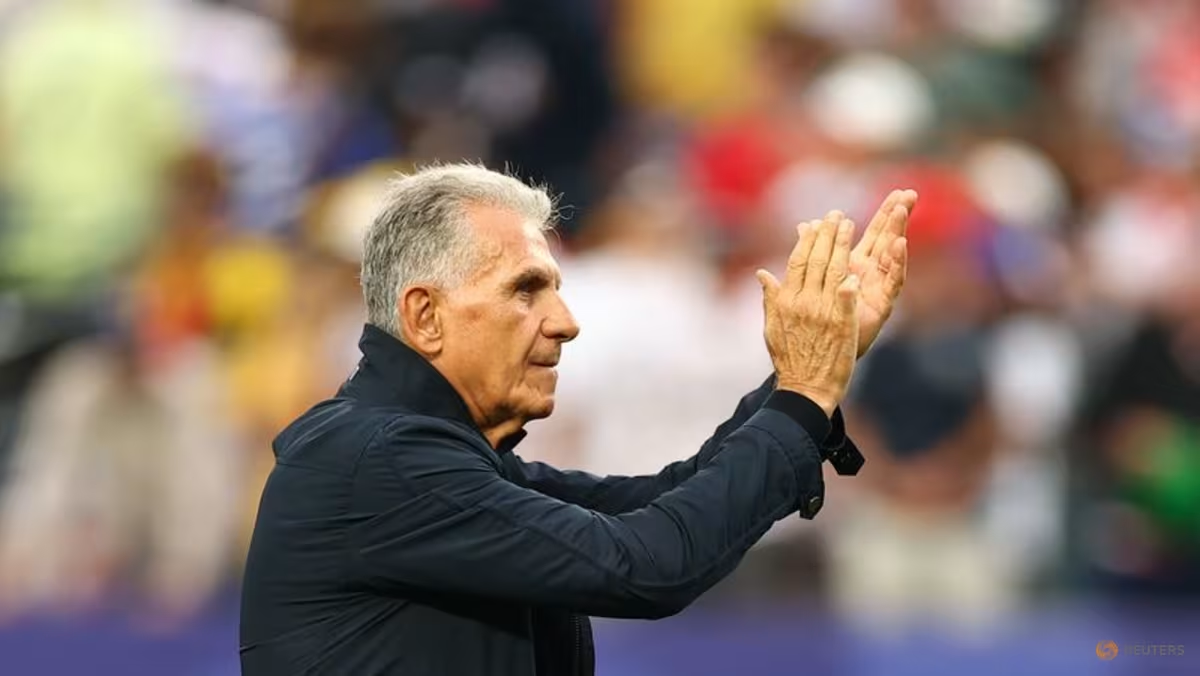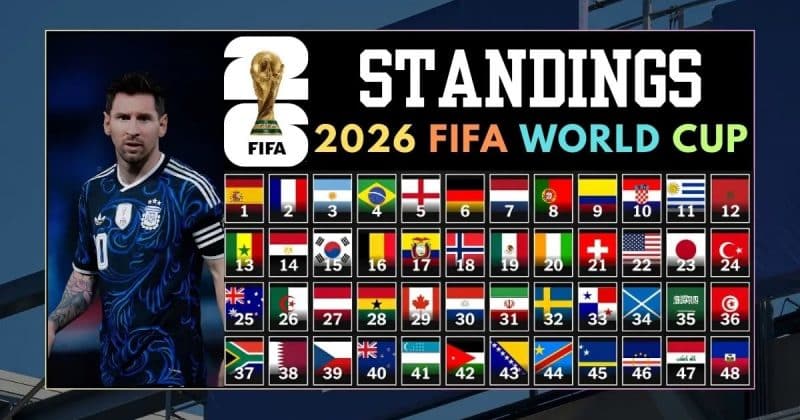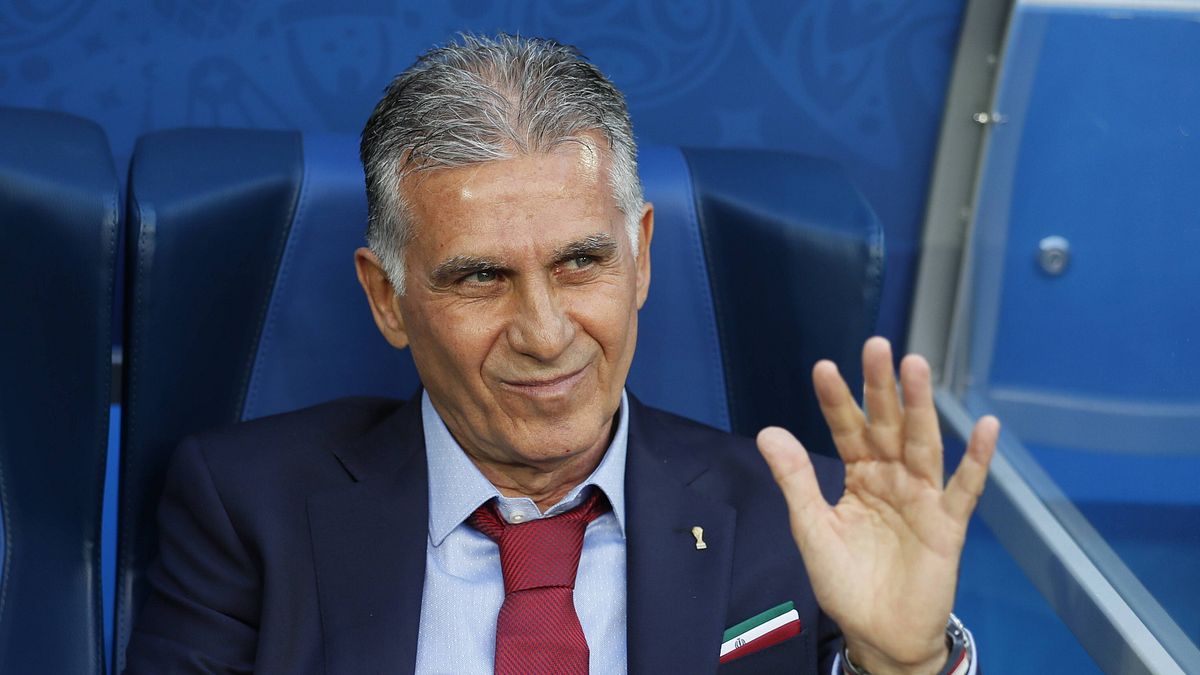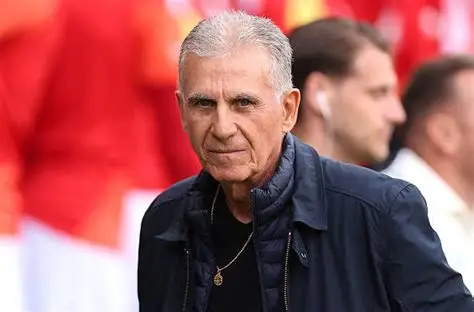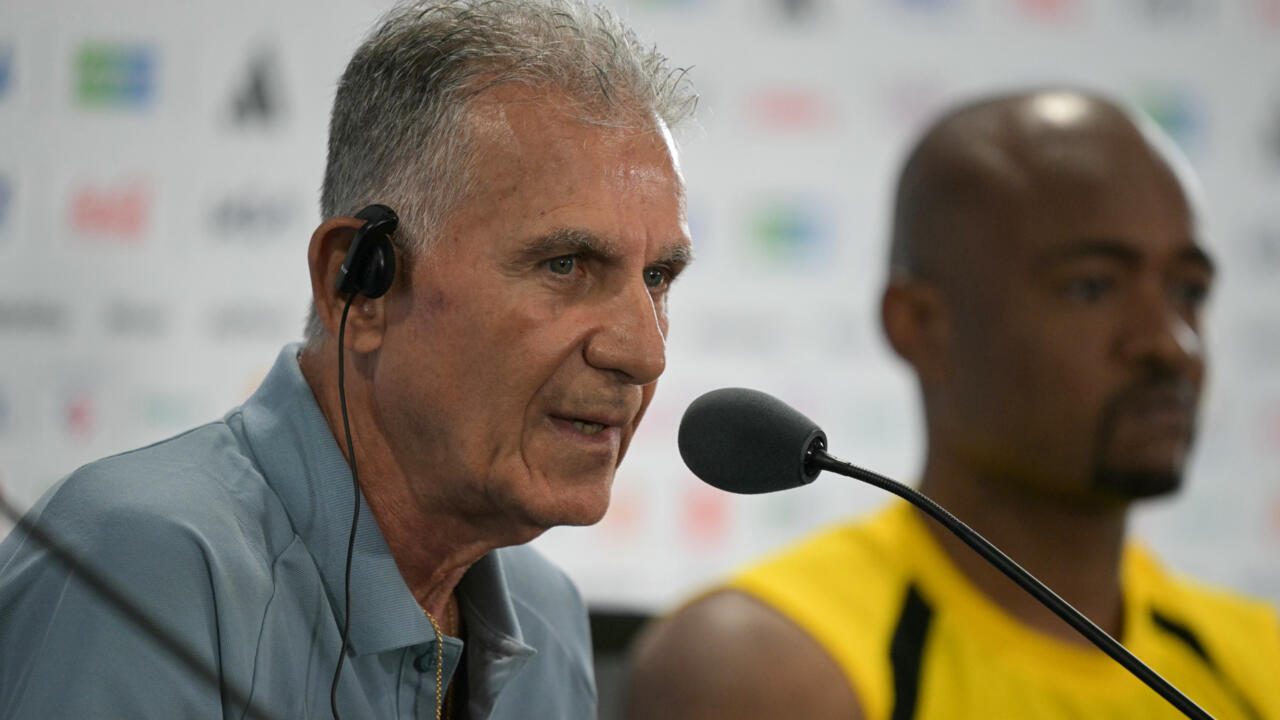
Ghana manager Carlos Queiroz accused FIFA of taking “rarity” and “value” out of the World Cup with this year’s expanded 48-team format, questioning the motives behind the change.Africa has been the biggest beneficiary to the World Cup inflating from 32 entrants, gaining four additional automatic qualifying spots and access to an inter-confederation playoff—won by DR Congo to bring the number of qualifiers to 10. This time around, African qualifying, previously ultra-competitive, was much more straightforward for most of the continent’s heavyweights. Ghana has also benefited from 32 teams progressing from the group stage to knockout rounds. The Black Stars place third in Group L, behind England and Croatia, but ranked among the eight best third-place finishers to set up a round of 32 tie with Colombia.Four years ago, Ghana would have been going home now, but Queiroz suggested after his team’s progression that the World Cup has become “something vulgar and ordinary.”He told reporters: “I believe that value comes when things are rare. When so many teams can qualify, is the value still rare? That would seem debatable to me but it is only my opinion.”WIN FIFA WORLD CUP 2026™ FINAL TICKETSCompete against the world. | SPORTS ILLUSTRATEDWhile Africa had 10 qualifiers, 70% of the entire South American confederation (CONMEBOL) could have been at the World Cup—six automatic qualifiers, plus a Bolivia team that lost a playoff to Iraq. Queiroz now considers failing to qualify actually harder in some sense.“The real success now in South America would be in not qualifying,” he said. “Who did not qualify in Europe? The qualification tournaments start to lose their significance if everyone qualifies. Qualification should be serious, it should be very tough, very competitive.“The World Cup should be something with meaning and significance. It should be rare. But, as you know, today money talks in the game. Where we used to talk about football, it is now moneyball.”The official line from FIFA and its president Gianni Infantino focuses on bringing the World Cup to as many parts of the globe as possible. Ultimately, however, if FIFA puts on more matches—this World Cup has 104 compared to 64 in 2022—more money comes in.Growing the World Cup potentially also strengthens Infantino’s long-term position as president because it could make smaller soccer nations more likely to cast votes his way if his policies have put the World Cup within reach of those for whom it was previously a distant dream.Will FIFA Further Expand the World Cup to 64 Teams?Gianni Infantino is accused by critics of selling out the World Cup. | Alex Gottschalk/DeFodi Images/Getty ImagesThe World Cup was originally conceived as a 16-team tournament—although only 13 actually made it to Uruguay for the inaugural edition in 1930. But that remained the format for half a century, through to the 1978 World Cup in Argentina.Expansion rapidly accelerated in the next 50 years. In 1982, 24 teams competed for the first time, while 1998 was the first World Cup with 32 countries.For all the criticism, this summer’s 48-team format could be a one-time thing, because there are already murmurings of FIFA pushing the number up to 64 as soon as 2030. That would be double the number of team from only eight years earlier.Andrew Giuliani, executive director of the White House’s World Cup task force, is already open to the U.S. potentially hosting 64 teams in 2038, which is now the next available tournament to bid for after Saudi Arabia landed 2034 unopposed. “I think the United States can handle it,” he said.Although the jeopardy in qualifying would reduce even further, there is an upside to expanding from 48 nations to 64 as it could remove the current complication of ranking third-place teams and the lack of jeopardy during the group stage when the majority of countries progress.A 64-team World Cup could have 16 groups of four, from which only the top two in each progress into the round of 32 to restore at least some of the excitement in the opening phase.READ THE LATEST WORLD CUP NEWS, ANALYSIS AND INSIGHT FROM SI FCAdd us as a preferred source on GoogleFollow
‘Money Talks’—World Cup Manager Slams FIFA for ‘Vulgar’ Competition Change
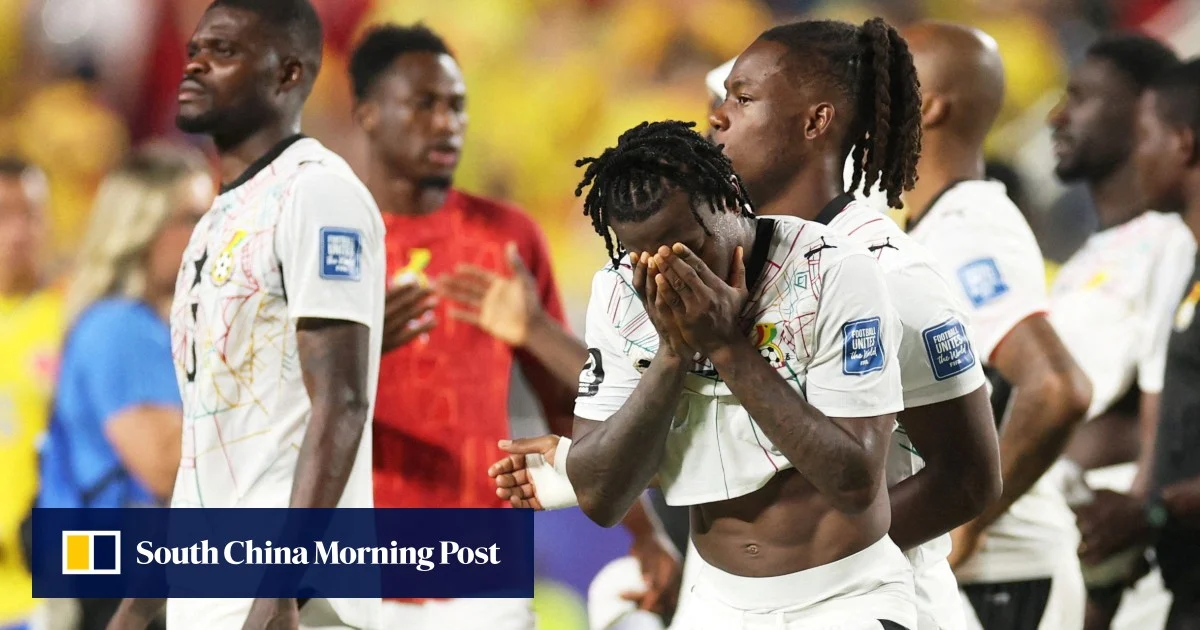
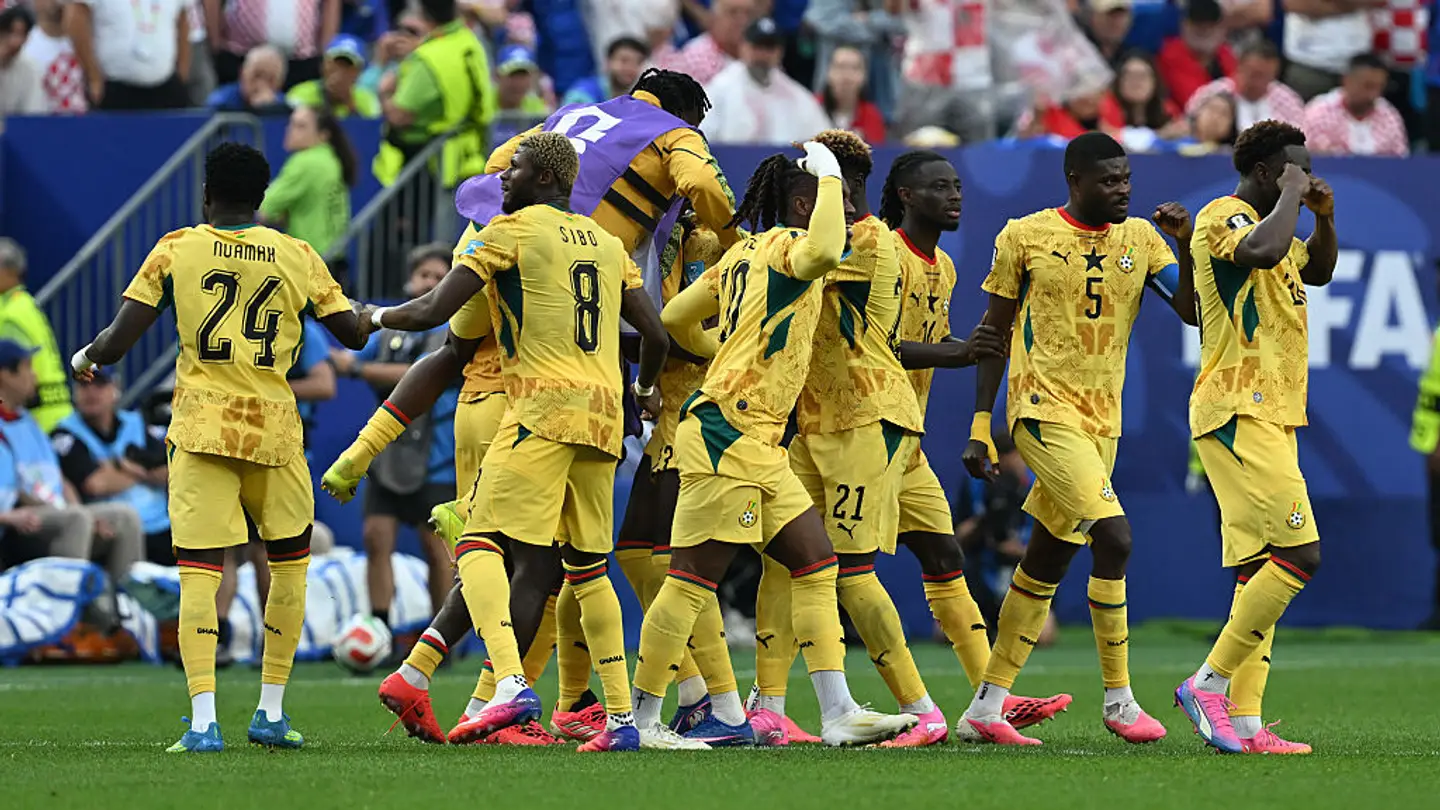
Ghana directly benefited from the change Carlos Queiroz complained about.
683 words~3 min read