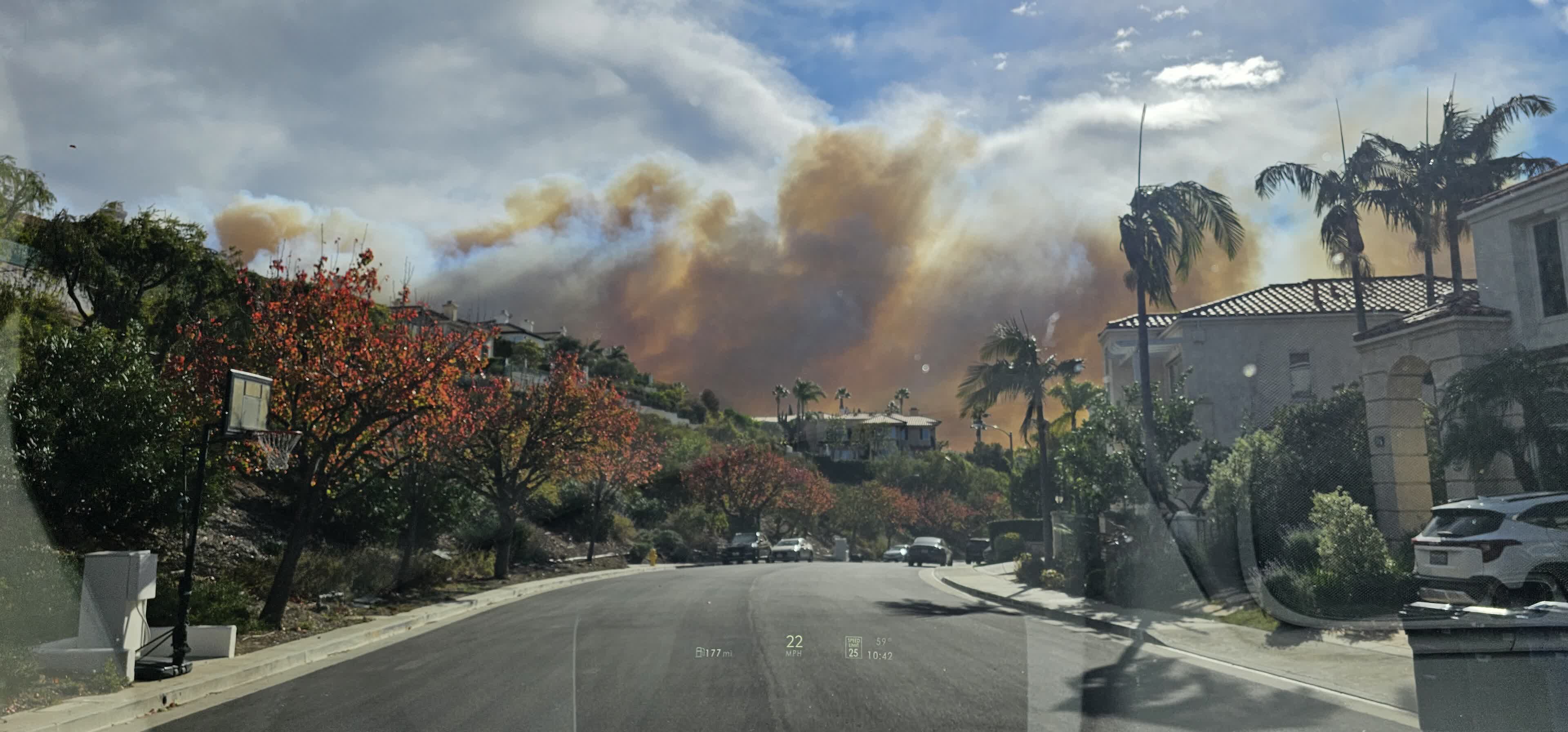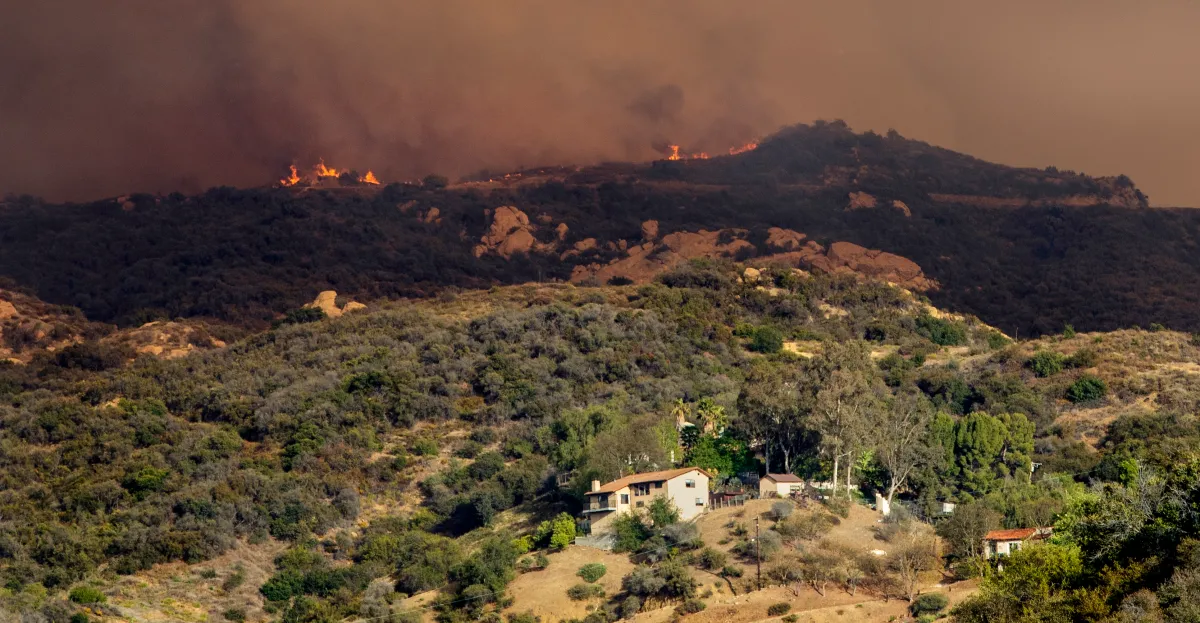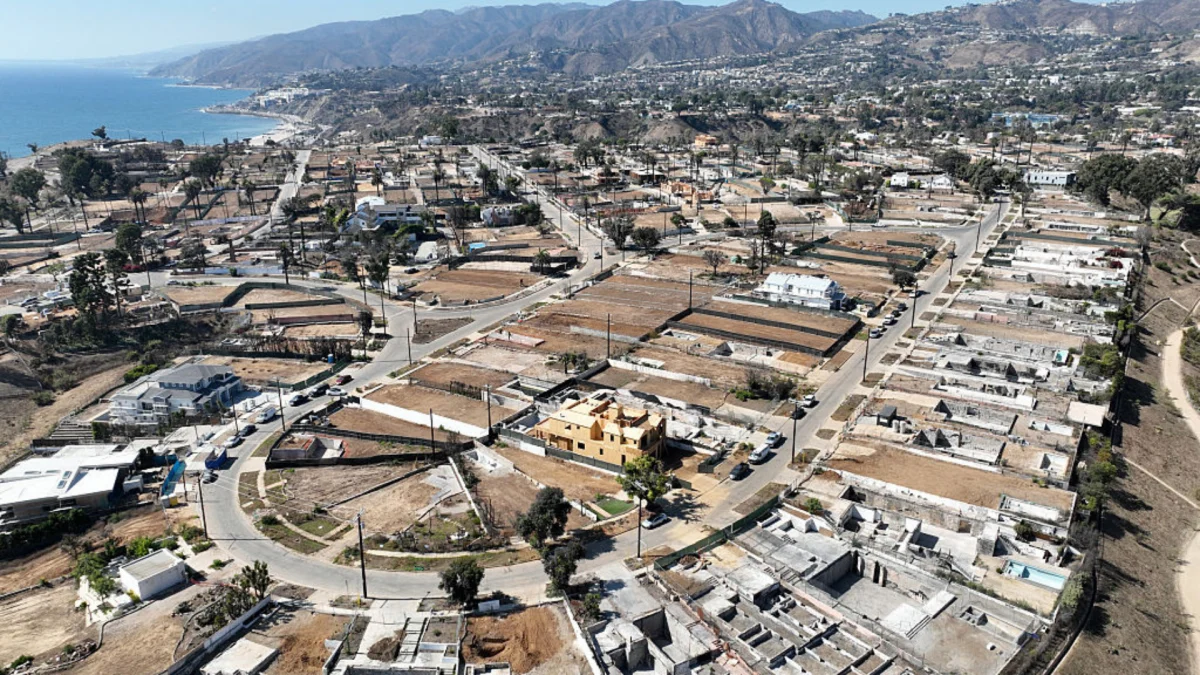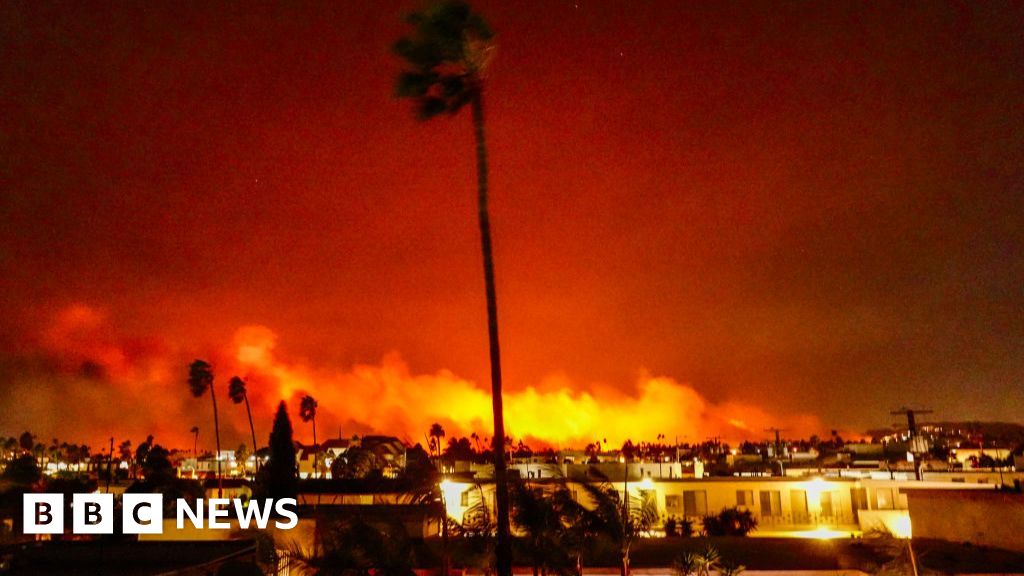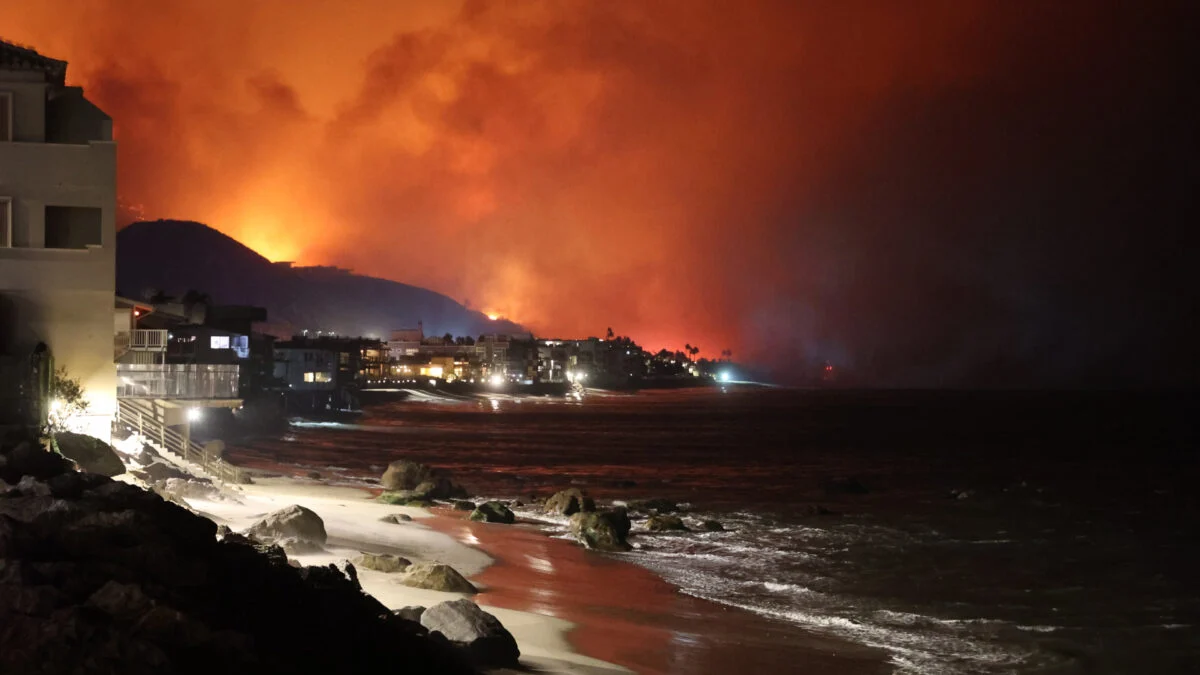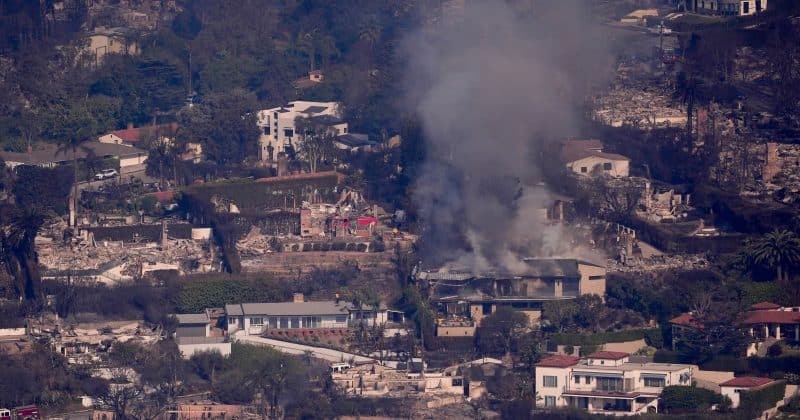
Federal prosecutors trying a man accused of igniting one of the deadliest wildfires in Los Angeles history didn’t just rely on traditional evidence. They pulled his ChatGPT conversation logs.
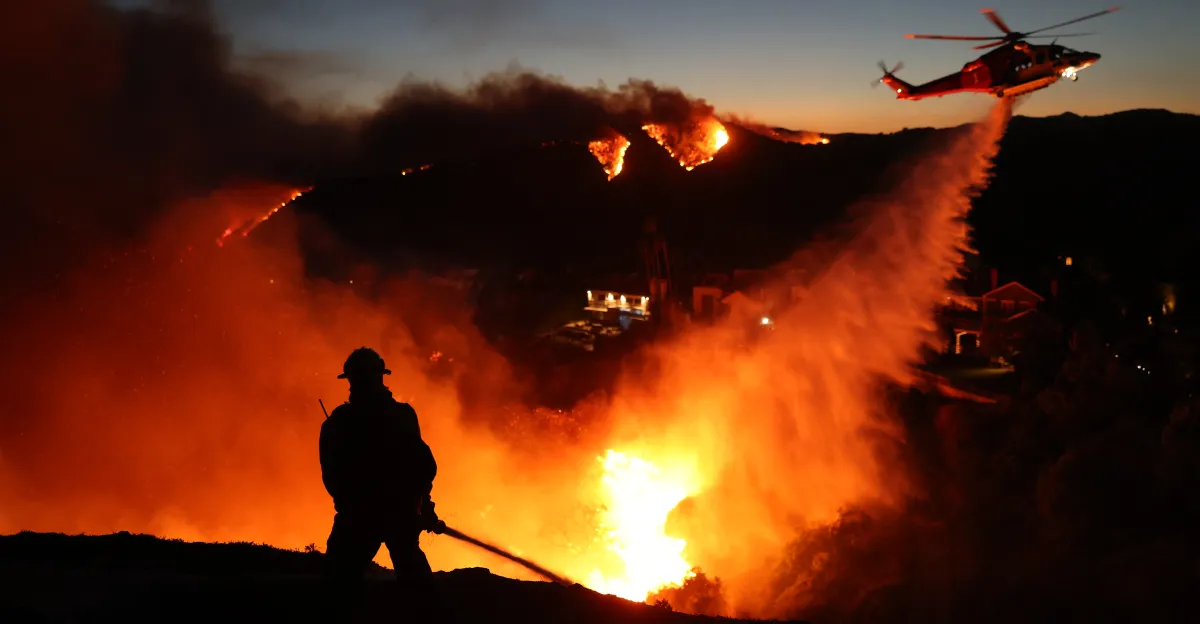
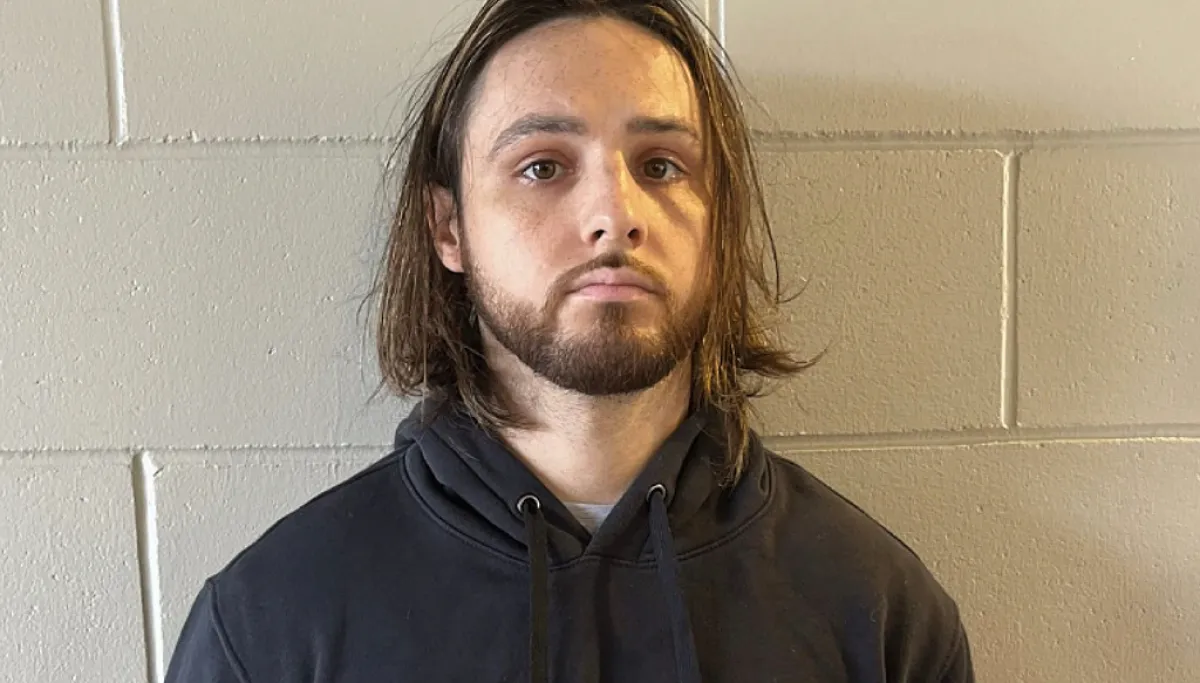
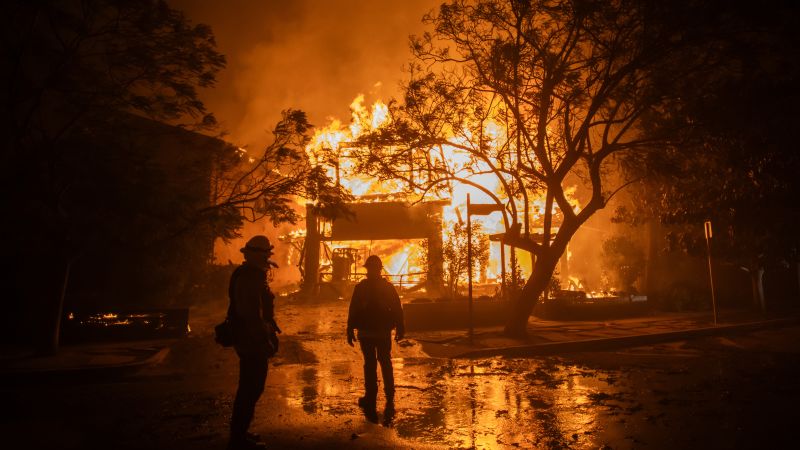
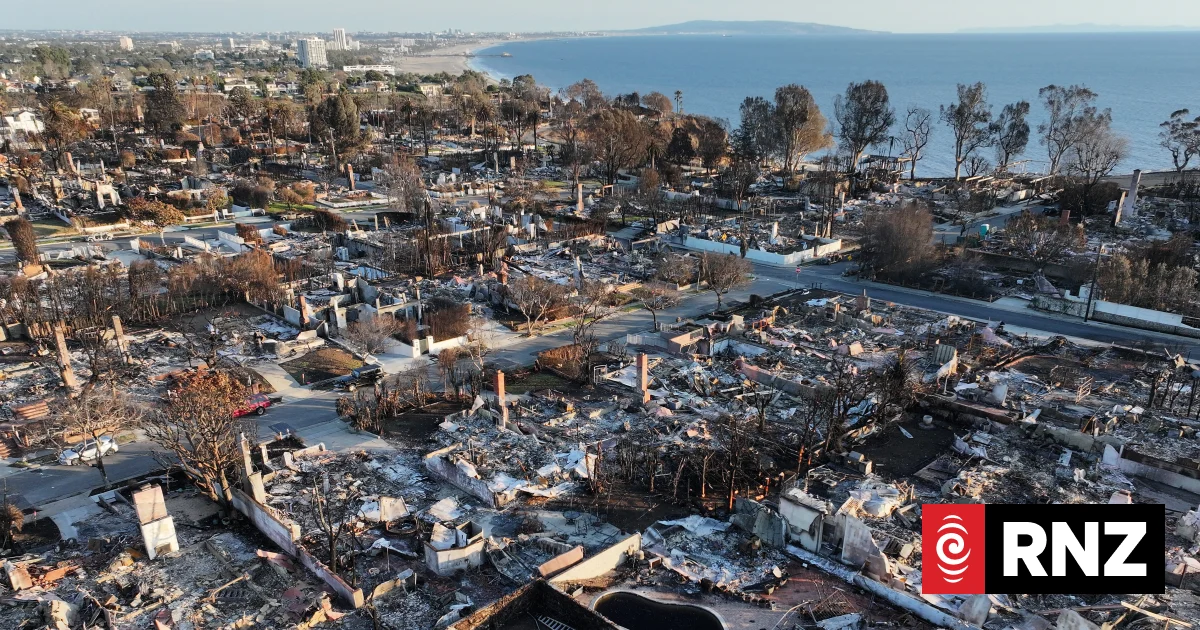
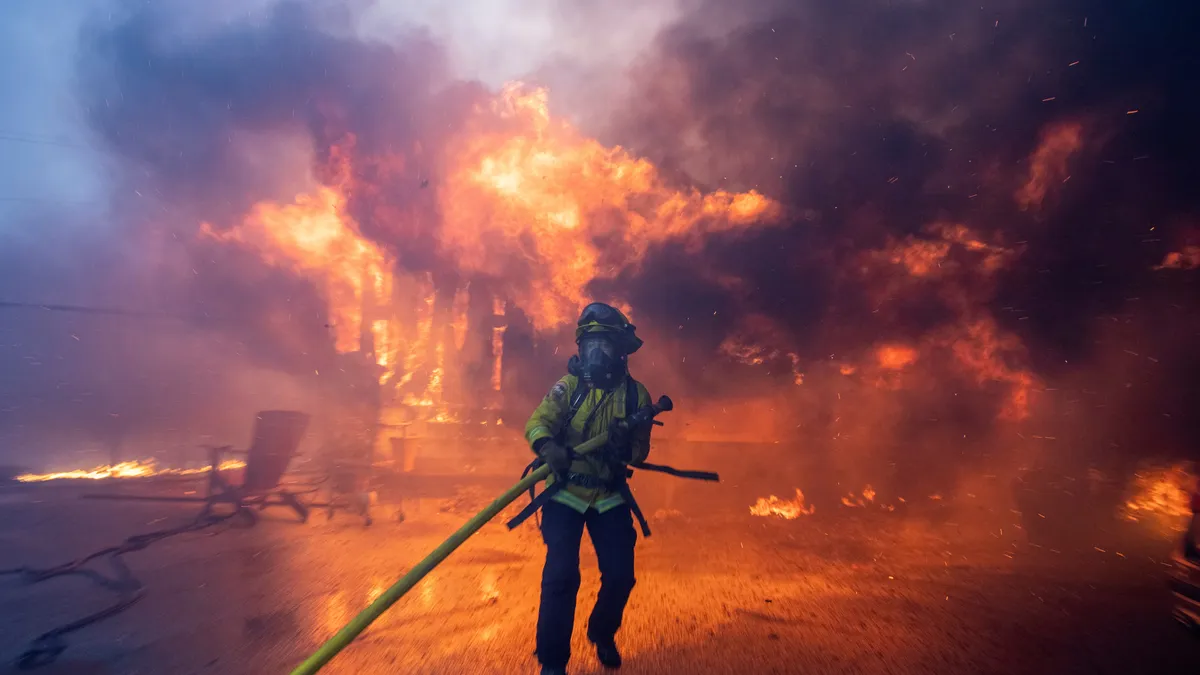
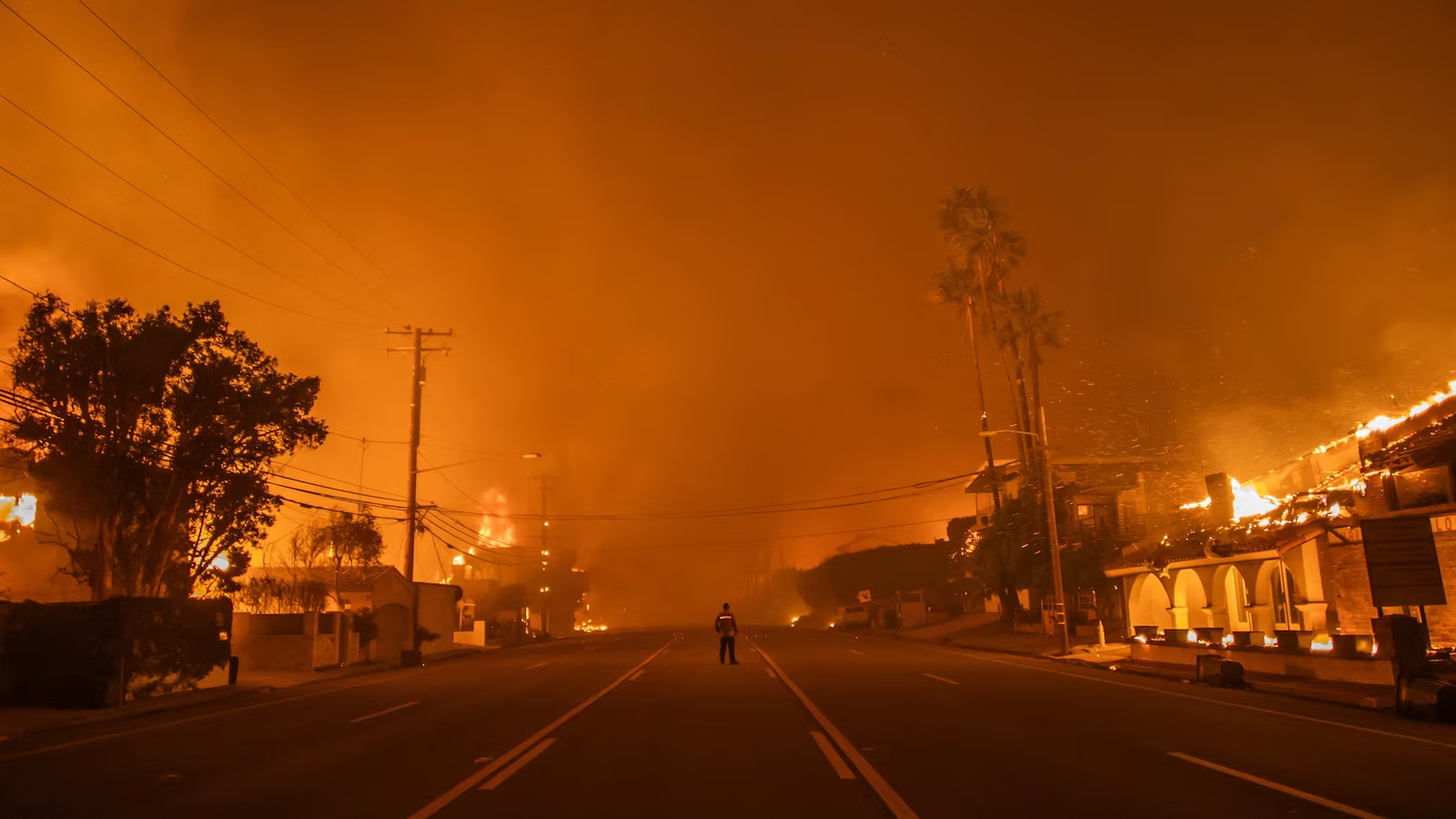
Jonathan Rinderknecht, a 30-year-old dual French-US citizen and former Uber driver, faces charges of arson affecting interstate commerce and destruction of property by fire for allegedly starting the Lachman Fire near Pacific Palisades shortly after midnight on January 1, 2025. That fire, whipped by strong winds, escalated into the catastrophic Palisades Fire, which killed 12 people and destroyed more than 6,000 structures. If convicted, he faces up to 45 years in prison.
AI conversations as courtroom evidence
The prosecution’s case leaned on a mix of iPhone location data, security camera footage, and witness testimony. According to prosecutors, Rinderknecht used ChatGPT to generate images of fire, asked the chatbot “Why am I so angry all the time?”, and went on rants about how the wealthy were destroying the world. Perhaps most damning: a screen recording showed him asking ChatGPT whether someone could be blamed for a fire if it was lit by their cigarette.
The defense pushed back hard on the AI evidence, arguing that the ChatGPT interactions were taken out of context. Their broader position was that Rinderknecht was being used as a scapegoat. One juror noted during proceedings that they personally had similar types of conversations with AI chatbots, seemingly undermining the prosecution’s implication that the queries were inherently sinister.