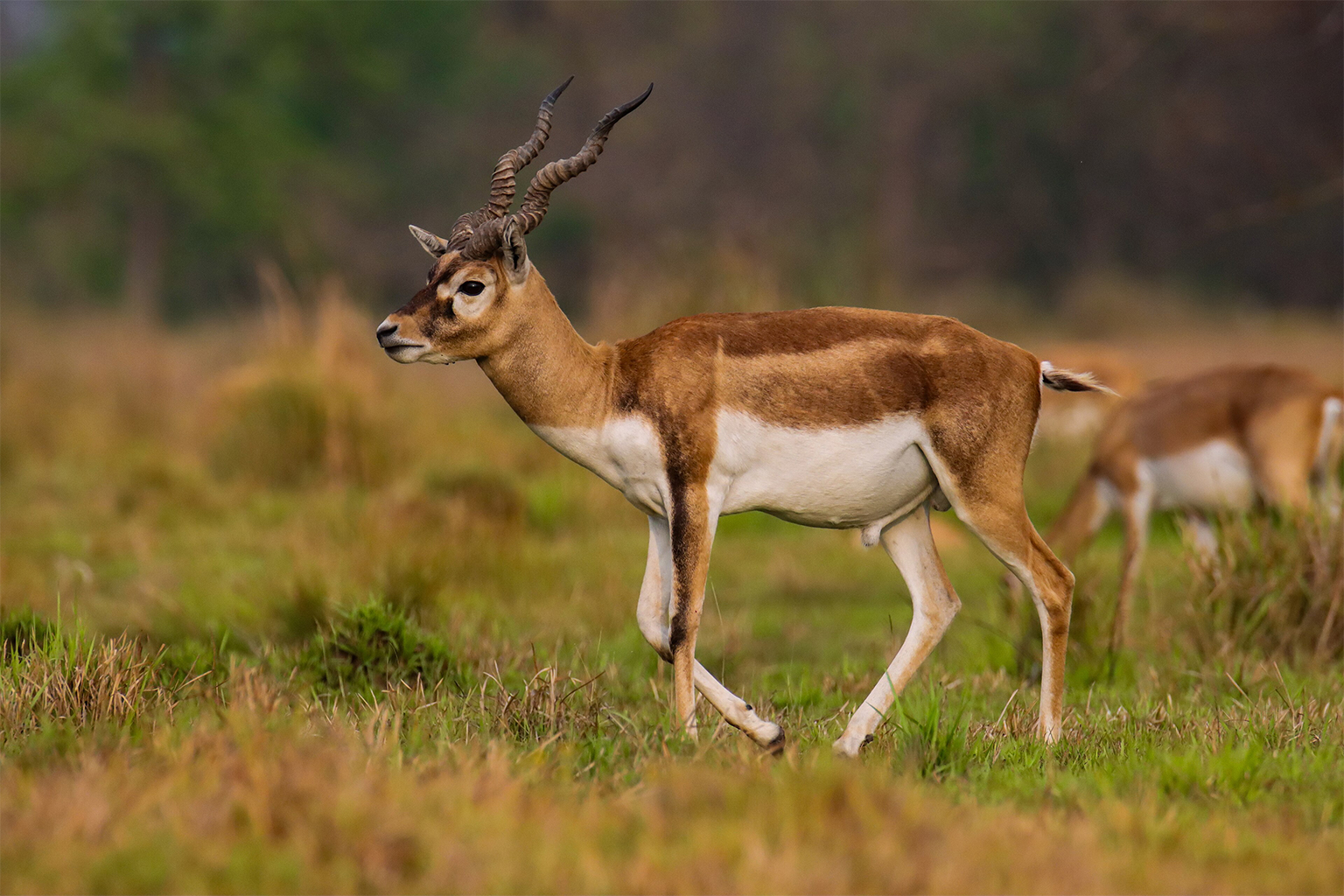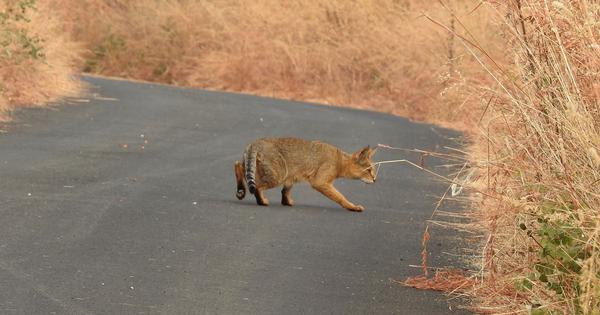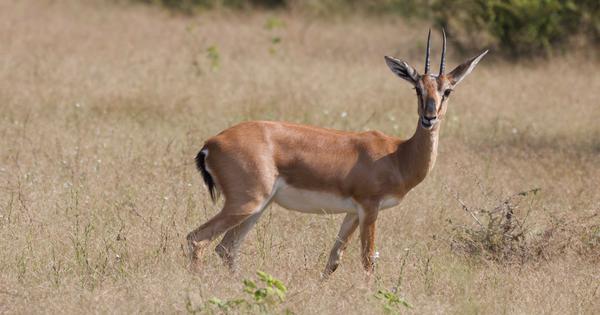
The Indian gazelle, also known as chinkara, found across the subcontinent’s drylands, carries a quiet sense of security. Protected under Schedule I of India’s Wildlife Protection Act and listed under the least concern category by the IUCN, it is not an obvious candidate for a conservation crisis. However, a new study published in the Journal of Wildlife Management by researchers from the Zoological Survey of India, challenges that assumption.The study projects that under the worst-case emissions pathway, RCP 8.5, where temperatures rise by 4°C or more by 2100, the chinkara could lose nearly 89% of its suitable habitat by 2070. When climate alone is isolated as a driver, projected habitat loss climbs to almost 96.5%. Under RCP 2.6, which aligns with the Paris Agreement’s 2°C target, habitat losses were lower, but still severe.“A loss of 89%-96% of habitat within roughly 50 years represents a biodiversity emergency for this species in India,” said lead author of the study Amar Paul Singh. The study is among the first to examine these risks at a national scale for a dryland ungulate.Mapping a shrinking futureThe researchers compiled more than 200 verified chinkara records from field surveys, published literature and biodiversity databases spanning between 2000 and 2022. They layered those records against climate, land-cover, topographic and human-disturbance data, then ran them through an ensemble of seven different species-distribution models to reduce the bias any single model might introduce into the final projection.Under current conditions, the models identified a little over 195,733 square kilometres of suitable habitat, about the size of Gujarat, across western and central India, with patches on the Deccan Plateau. The chinkaras are found to roam across 11 states in the country, ranging from Rajasthan, Gujarat, Maharashtra, and Madhya Pradesh to Karnataka and Andhra Pradesh.
Chinkaras could lose habitat to climate change, says study
But by 2070, much of central and southern India is projected to become unsuitable for the Indian gazelle.
1,019 words~5 min read