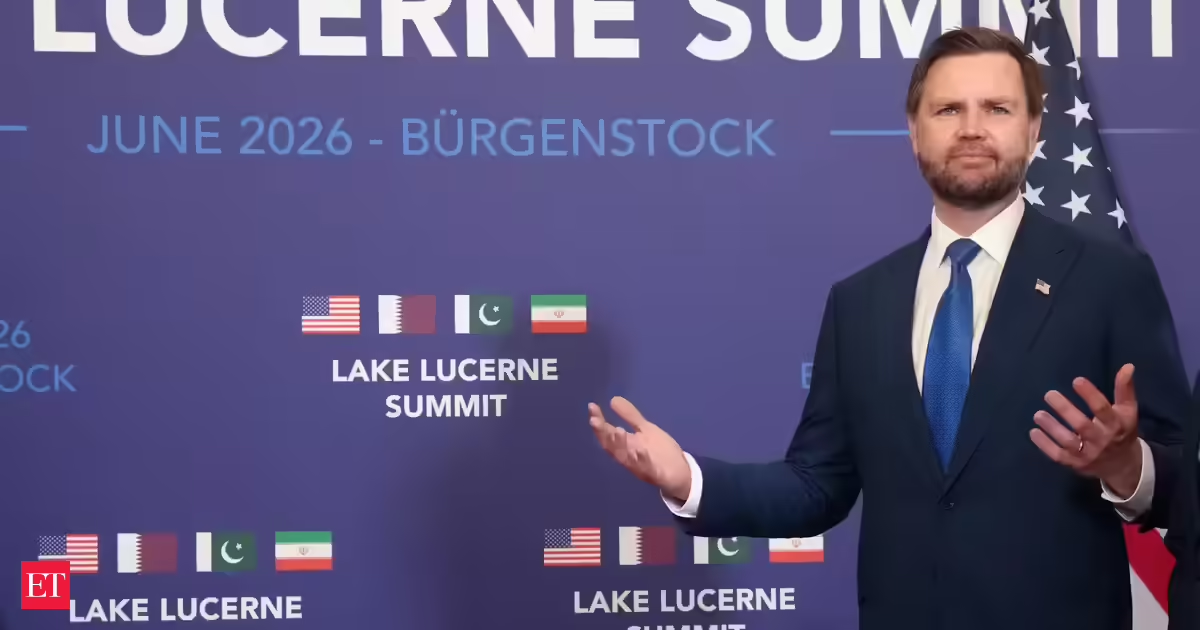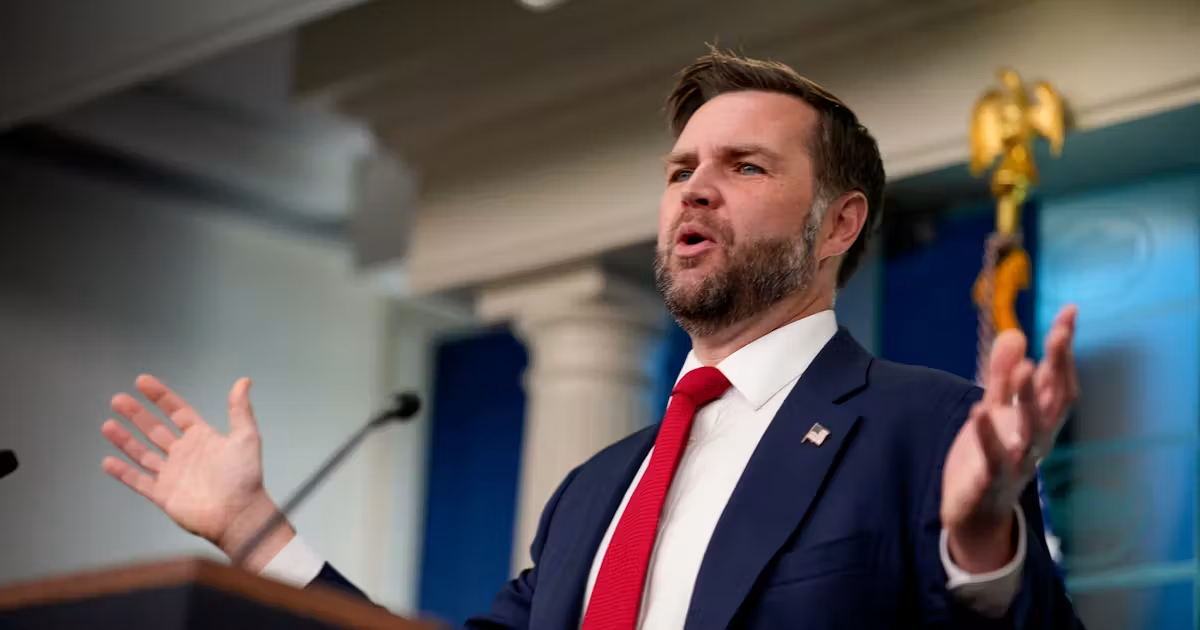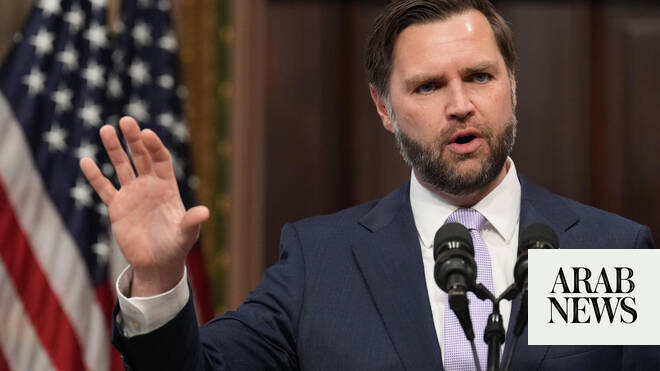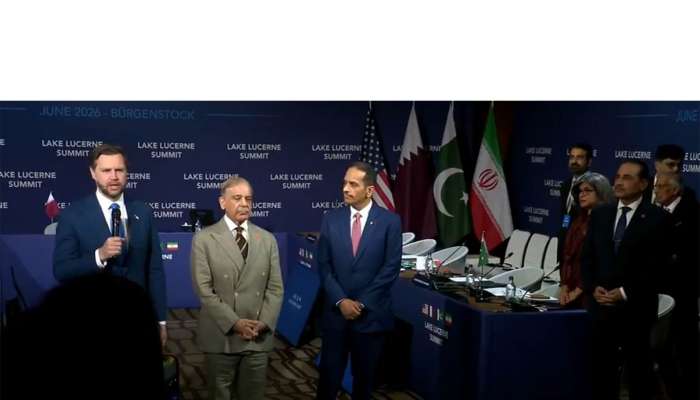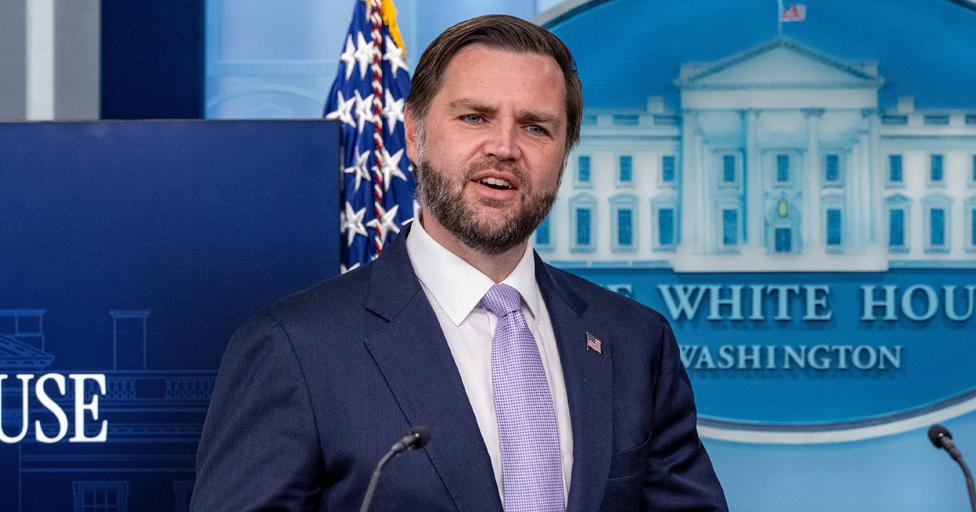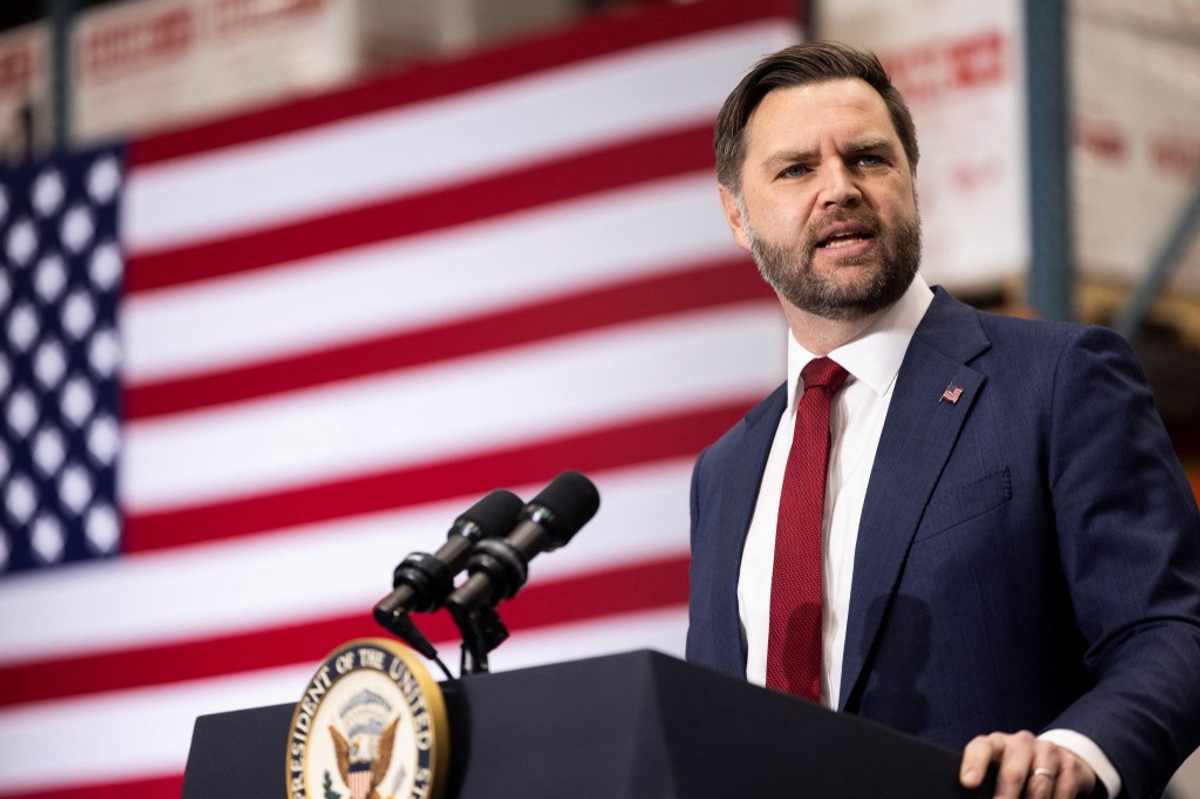
US Vice President JD Vance has stated that the US is prepared to fundamentally change its relationship with Iran, provided Tehran abandons its nuclear weapons ambitions, The Guardian reported. However, Vance emphasized that regardless of the diplomatic outcome, the US has already secured a strategic victory by degrading Iran’s nuclear capabilities.JOIN US ON TELEGRAMFollow our coverage of the war on the @Kyivpost_official. Speaking on HBO’s Real Time with Bill Maher, Vance projected confidence regarding the ongoing negotiations. “If we make the final deal, then great,” the vice president said. “If we don’t make the final deal, their nuclear program is still destroyed. They’re still much weaker as a country, so my attitude is America wins either way.” The US vice president pointed to recent talks with an Iranian delegation in Lucerne, Switzerland, which he characterized as successful. He argued that the US strategy had effectively neutralized the immediate threat, claiming that Iran’s nuclear program was “functionally destroyed,” particularly concerning its ability to enrich uranium. He also highlighted economic indicators, noting that global oil prices had dropped to $73 a barrel. Vance argued that the increased flow of oil through the strategic Strait of Hormuz was a “signal that there’s something real going on” regarding the diplomatic thaw. “If they are ready to give up their nuclear weapons ambitions in the long term, then the United States is ready to fundamentally change the relationship with that country,” Vance stated. “If they’re willing to change, we’re willing to change; if they’re not willing to change, we still have all the leverage, and I think we’re in a good position.”
JD Vance Says Iran’s Nuclear Program “Functionally Destroyed” Amid Fragile Ceasefire
US Vice President JD Vance stated that the US is ready to fundamentally change its relationship with Iran if Tehran abandons its nuclear ambitions.
TL;DRAI
Vance declares Iran's nuclear program "functionally destroyed," claiming US victory regardless of negotiations. A fragile ceasefire is already breaking under mutual military strikes, raising oil and supply chain risks for global tech operations.
631 words~3 min read