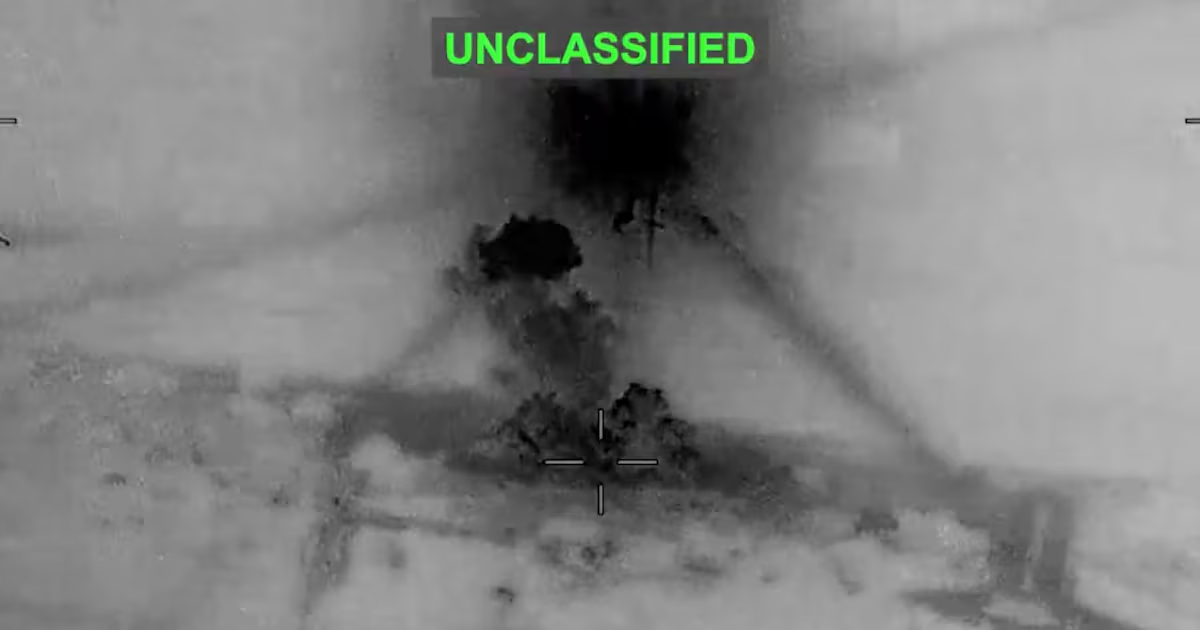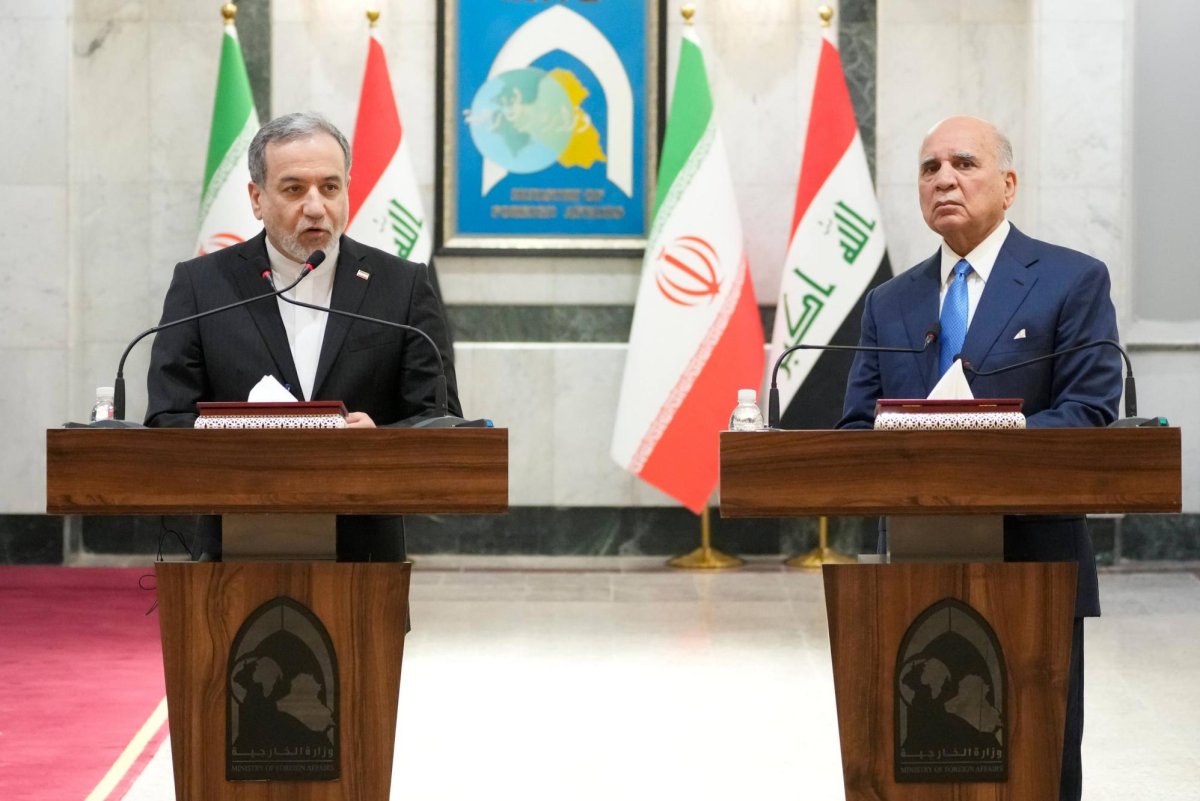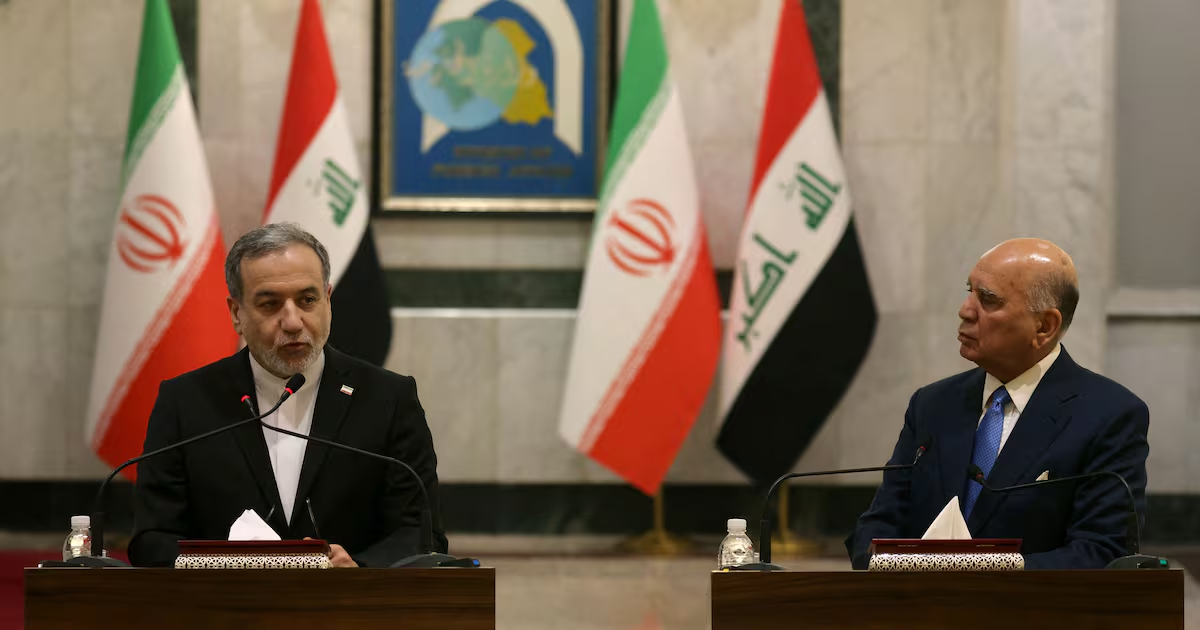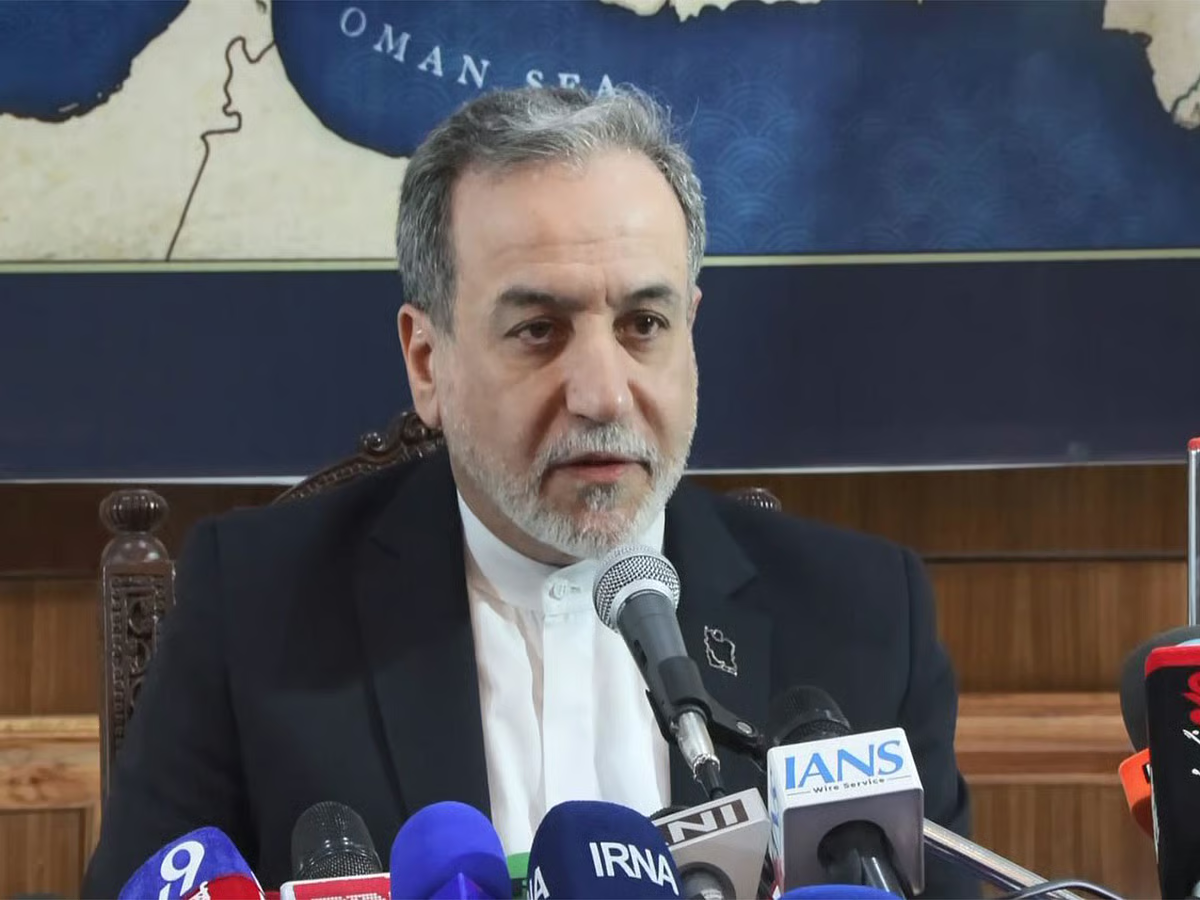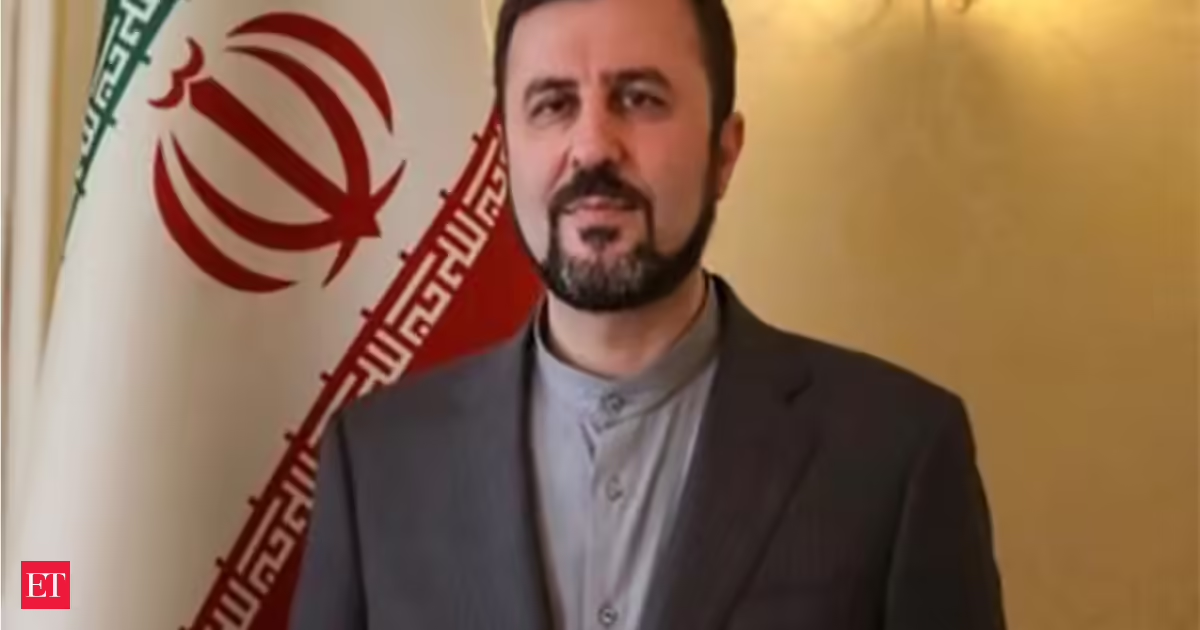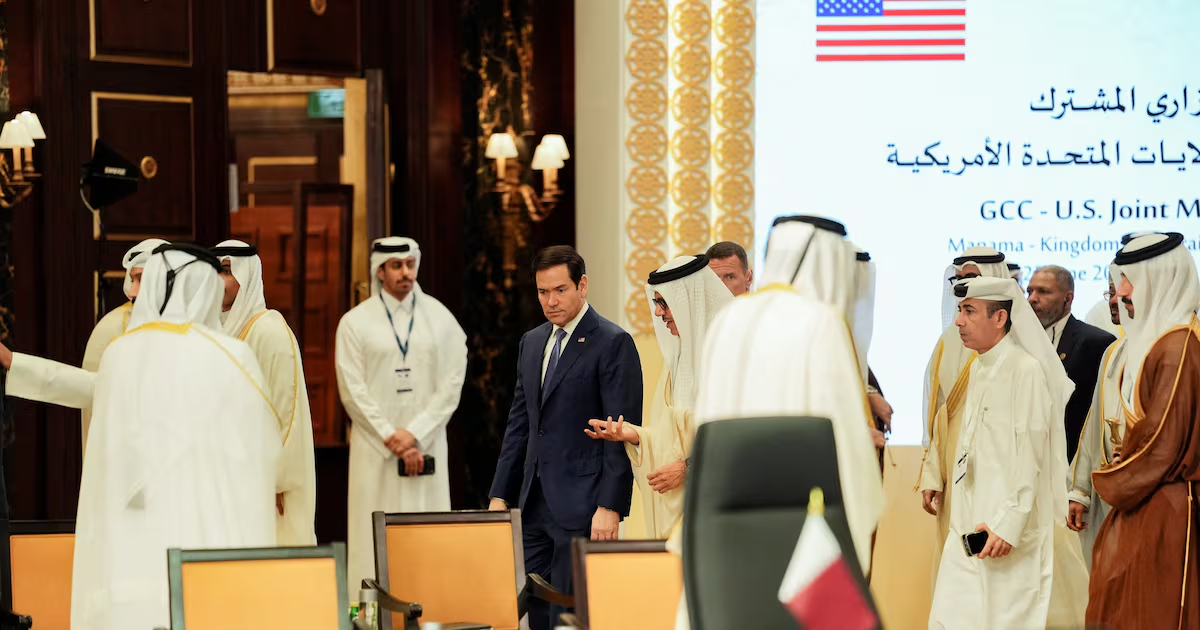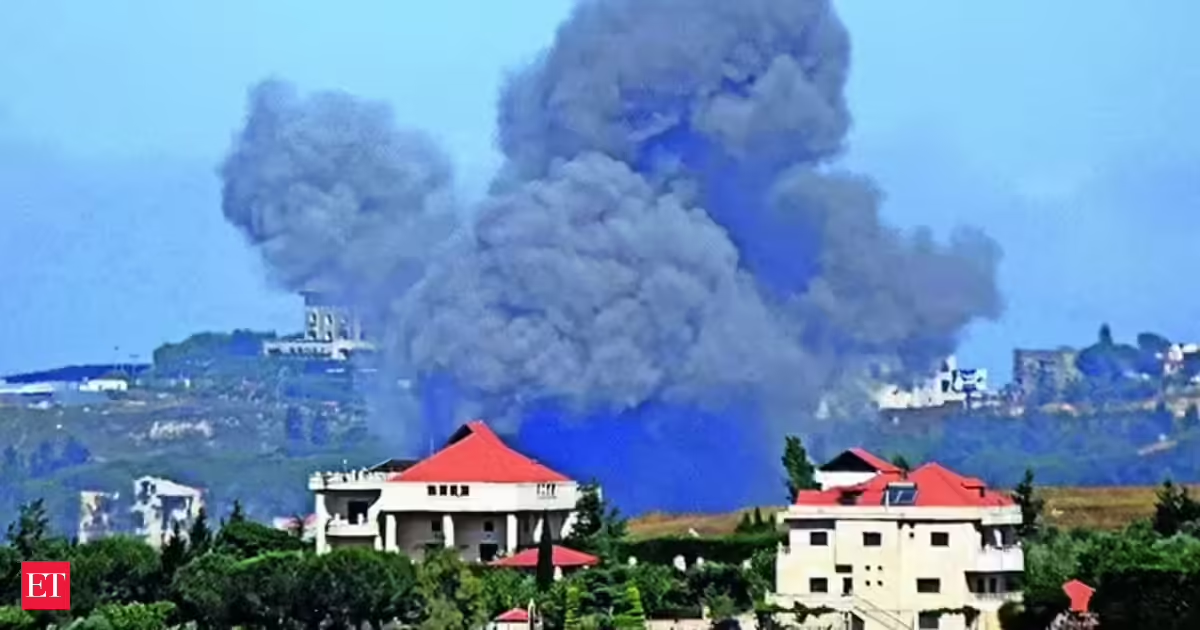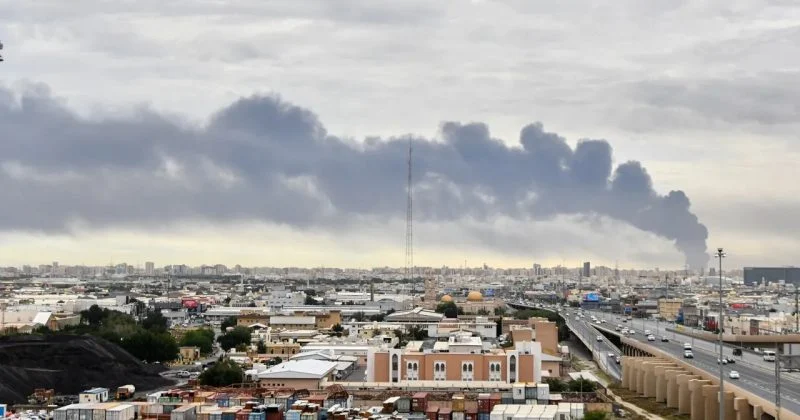
Iran’s Foreign Minister Abbas Araghchi has proposed a new regional security framework that excludes external powers, following Iran’s recent missile and drone attacks on Bahrain and Kuwait. The attacks were a response to U.S. military strikes on Iranian targets, escalating tensions in the ongoing Iran–US conflict. Araghchi has also attributed regional instability, particularly in Lebanon, to U.S. involvement, further highlighting the strained relations between the two nations.
This development comes amid a highly volatile military environment surrounding the Strait of Hormuz, a critical maritime chokepoint. Iran’s retaliatory strikes, which included ballistic missiles and drones, were largely intercepted, but the incident underscores the fragility of the ceasefire that followed Operation Epic Fury—a joint U.S.–Israel military campaign against Iran. The Iranian call for a regional framework without external influences is seen as an attempt to assert control over regional security dynamics.
Market participants appear to interpret these actions as decreasing the likelihood of imminent diplomatic resolutions between the U.S. and Iran. The current geopolitical developments suggest a potential setback for peace talks anticipated by July 3, 2026, as indicated by pricing in related prediction markets.