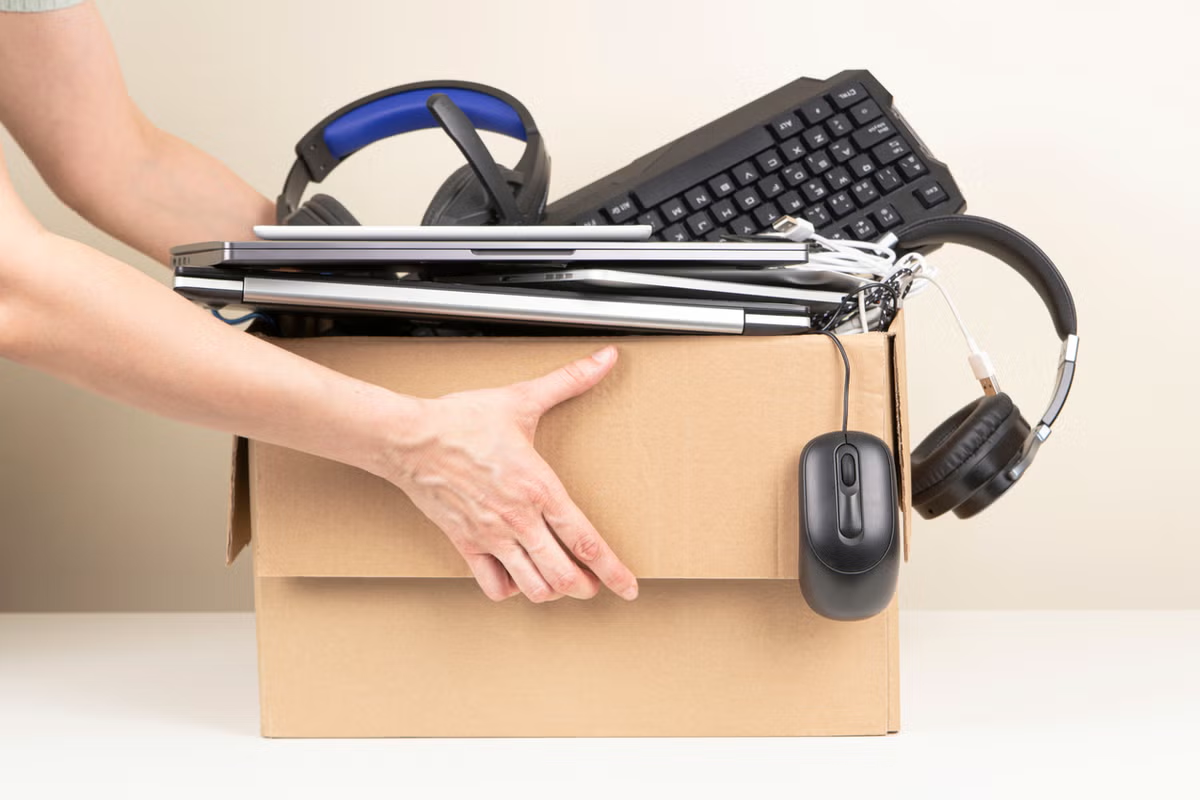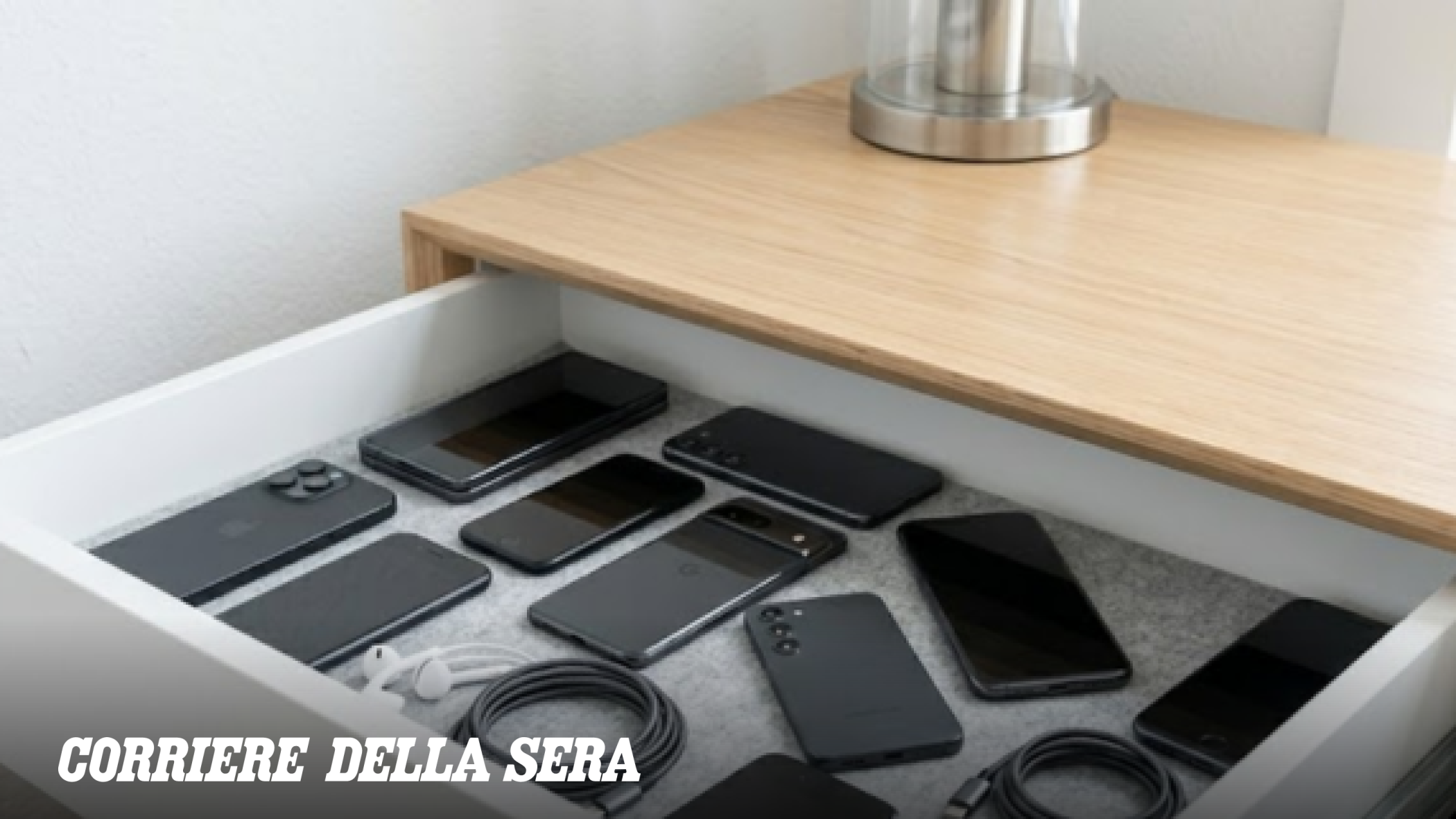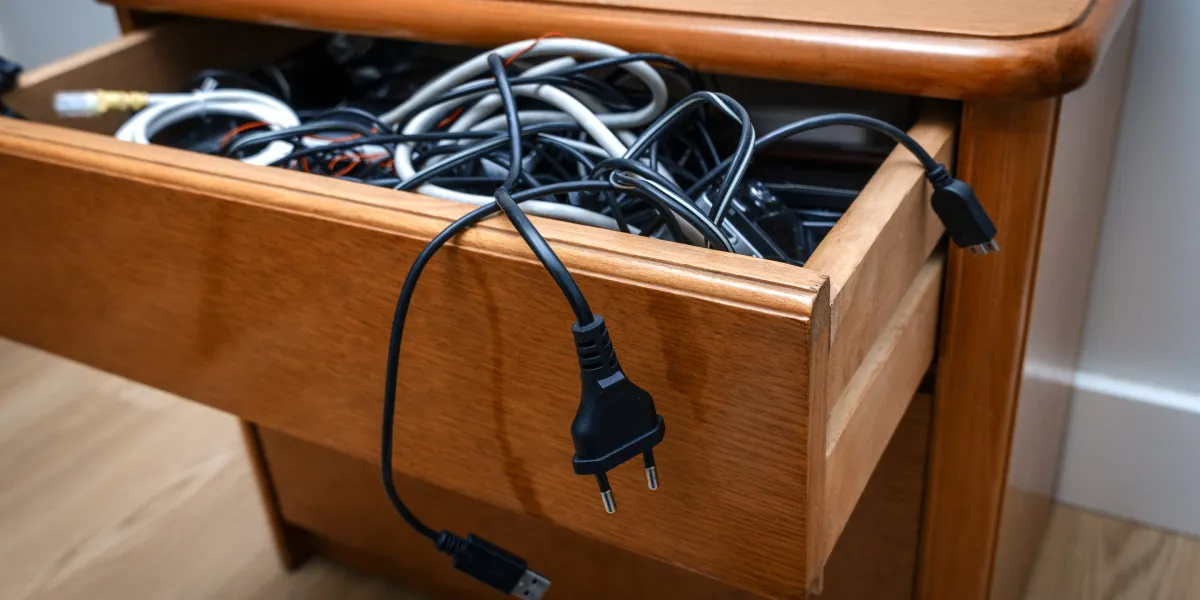
Think about the last smartphone, tablet or smartwatch you stopped using.Odds are it is not in a recycling bin or a new owner's hands; it is sitting in a drawer.From our survey of 4,000 American consumers, we found the single most common thing people did with a device they were finished with was nothing at all: 39% simply stored it.Recycling and reselling, outcomes better for the environment, each accounted for only about 1 in 10 devices. Throwing devices in the trash claimed another 9%.Funded by the National Science Foundation, our multidisciplinary team blended our expertise in causal inference, sustainability and cybersecurity, to work on the tangled question of what people do with their consumer electronics when they're done using them. We used statistical models to connect what people say – that is, their stated knowledge and attitudes – to what they actually did.Why the drawer winsTwo main forces keep devices in the drawer. The first is anxiety about data. People who worried that recycling or reselling a device would compromise their data were 14% and 9% more likely to store it instead.What people actually end up doing with their old electronics. (The Conversation)The second force is simply not knowing how to. People who did not know where to recycle were 10% more likely to hold onto a device, and many also kept old gadgets as a perceived data backup.Recycling and reselling electronics are a lot easier than a lot of people think.In the U.S., the national chain Best Buy accepts devices for recycling; reselling online is convenient with vendors such as Back Market and Gazelle.Just be sure to wipe data before parting with a phone or computer. Also, remove the device from your account, for instance with Apple or Android. Unless you do, the device stays locked to you, and no one else can use it.We also compared what people intended to do with what they had actually done. This led to a telling detail: Data security worries led to people storing devices at a greater rate than they said they intended to.In other words, the fear of leaking personal data kicks in only when someone is facing the real decision of whether to hand off their device to a recycler or secondhand buyer.Getting at why people don't recycleResearchers have long studied why people do or don't recycle electronics: Convenience, awareness and incentives showed up as affecting the decision. But prior work examined recycling as the only option.
Almost 40% of Americans Do The Exact Same Thing With Old Technology
Think about the last smartphone, tablet or smartwatch you stopped using.
TL;DRAI
Survey of 4,000 Americans: 39% store old devices; data anxiety (14-9% more likely) and not knowing where to recycle are key blockers. For CTOs, device lifecycle is a security literacy challenge: irrational fears drive behavior; the solution is trusted guidance on data-wiping and resale.
654 words~3 min read