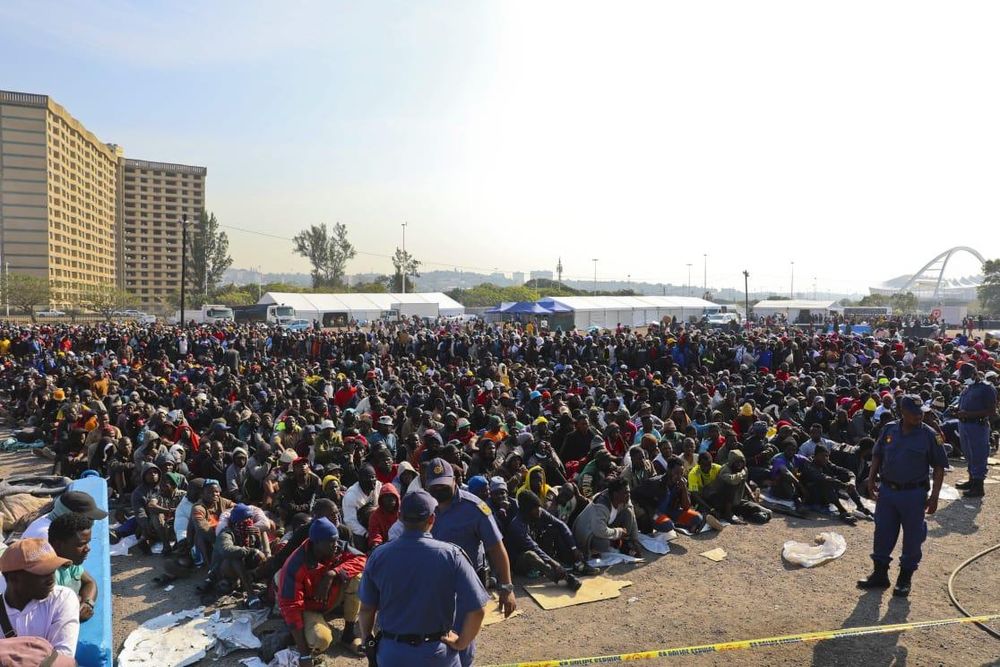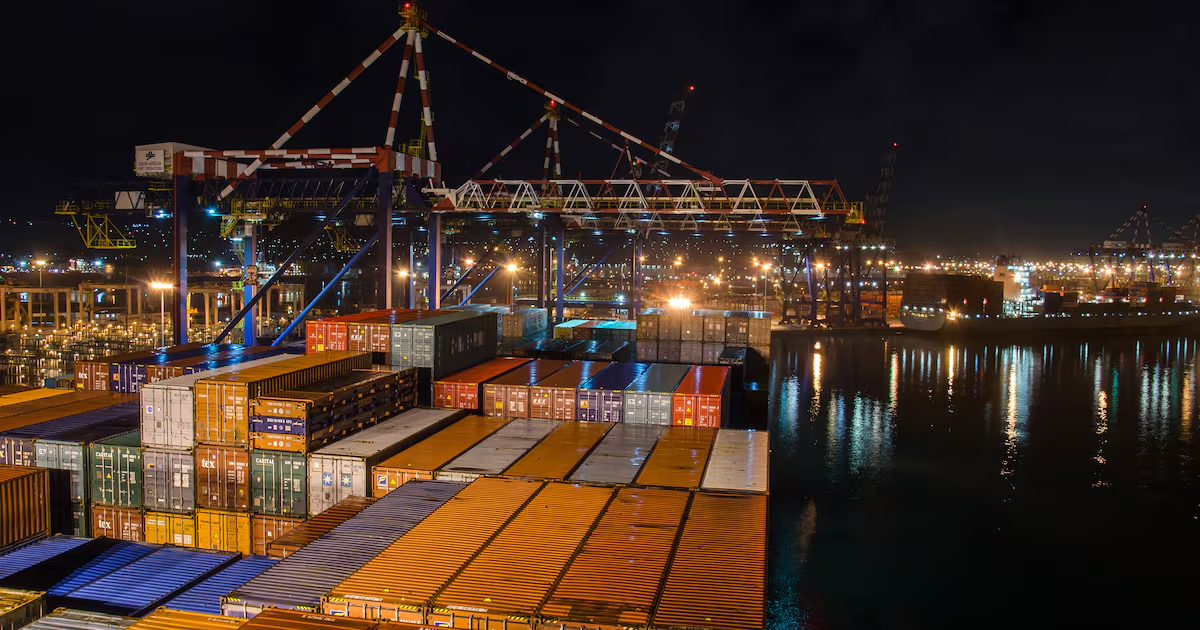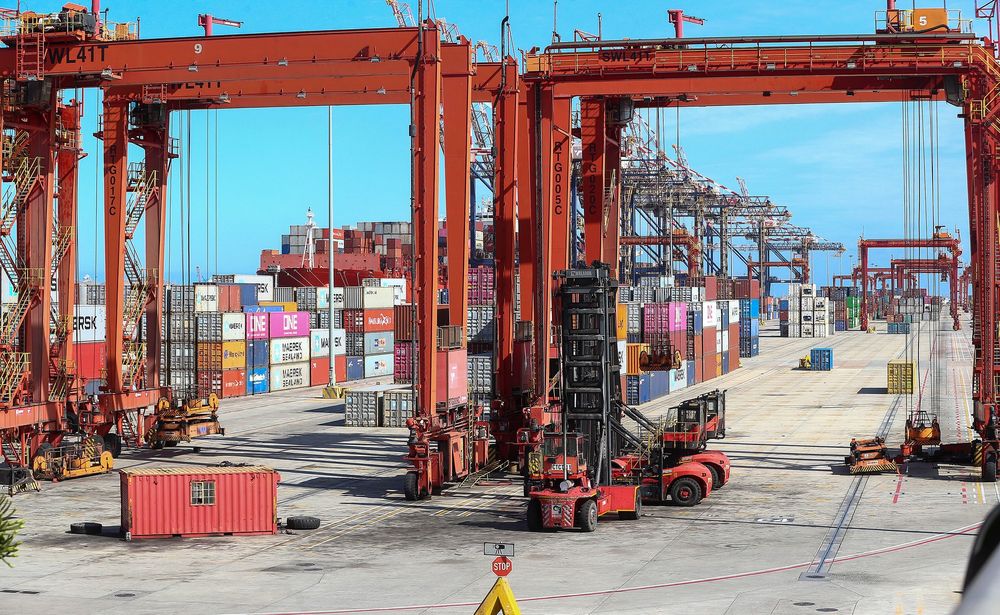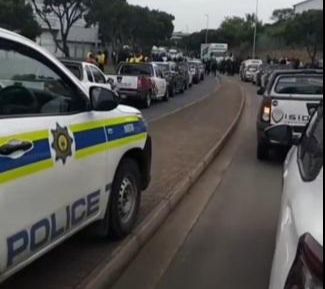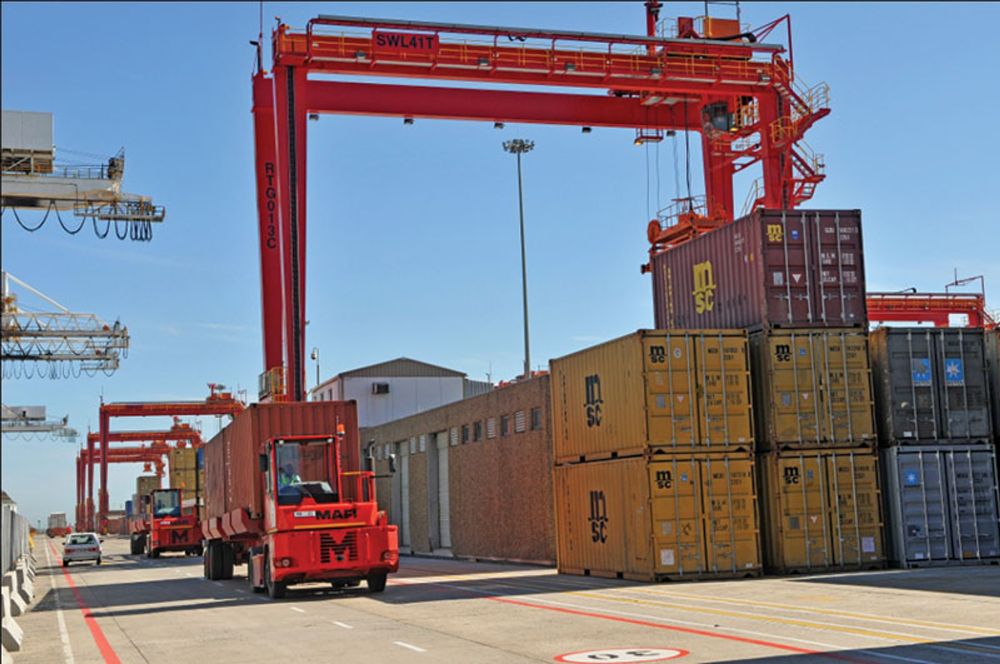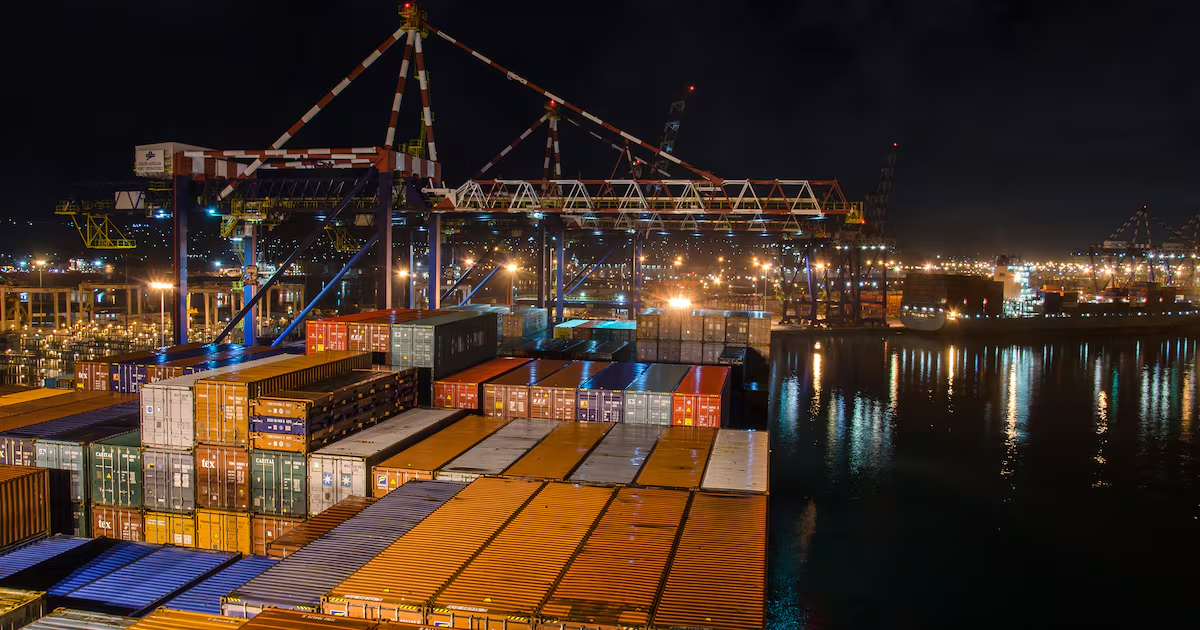
Transnet Port Terminals (TPT) says its new documentation requirements for truck drivers accessing Durban’s container terminals were designed as a safety measure and have no connection to the government’s recent crackdown on illegal immigration. The state-owned port operator introduced the driver-truck management system in May 2025 in its Durban terminals, registering companies, drivers and trucks as part of efforts to improve safety in terminal environments. The system is being rolled out in phases, with phase one completed at the Durban multipurpose terminal.Phase two, which takes effect in July at Durban container terminal pier 1, requires truck drivers to carry a valid licence and a medical certificate of fitness. South African drivers must present their identity documents. Foreign nationals must show a valid passport, asylum permit or work permit.“The induction ensures that all truck drivers are familiar with the safety protocols, security processes, and conditions of entry to the terminals to reduce the risk of safety incidents involving third parties,” TPT told Business Day. “Overall, the driver-truck management system involves the registration of companies, drivers and trucks to maximise safety in the terminal environment. This is an ongoing initiative that started before the government’s recent plans on illegal immigration.” The second phase of the security rollout coincides with a government offensive on undocumented migrants that has seen nearly 9,500 foreigners repatriated from a single site in Durban. Anti-immigration groups set June 30 as a “deadline” for undocumented foreigners to leave the country, prompting security firms and police to prepare for potential unrest in KwaZulu-Natal and Gauteng.Meanwhile, at the Port of Richards Bay, TPT has already moved to limit exposure before the June 30 marches, telling customers that all inbound trucks must enter the terminal by 6pm on Monday June 29, with truck intake only resuming at 6am on Wednesday July 1. The one-day suspension effectively idles a key bulk commodity port for the duration of the planned protests.The terminal is one of South Africa’s largest and most strategic multicommodity dry bulk facilities, playing a critical role in supporting the export of commodities such as chrome, magnetite, coal, woodchips, chloride and alumina.Business Day
Transnet says port driver rules not linked to illegal immigration crackdown
New driver documentation rules at Durban terminals take effect in July
TL;DRAI
Transnet mandates driver registration at Durban terminals from July, coinciding with South Africa's immigration crackdown. Richards Bay port closes June 29-30 for protests, halting chrome and coal exports and exposing supply chain geopolitical risk.
351 words~2 min read