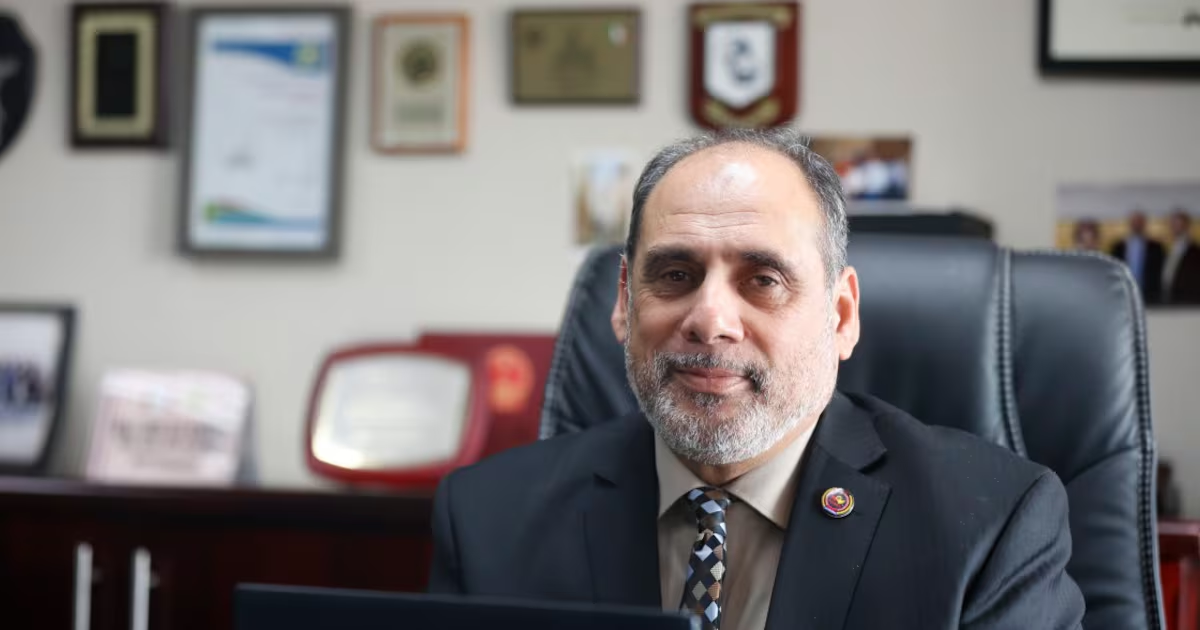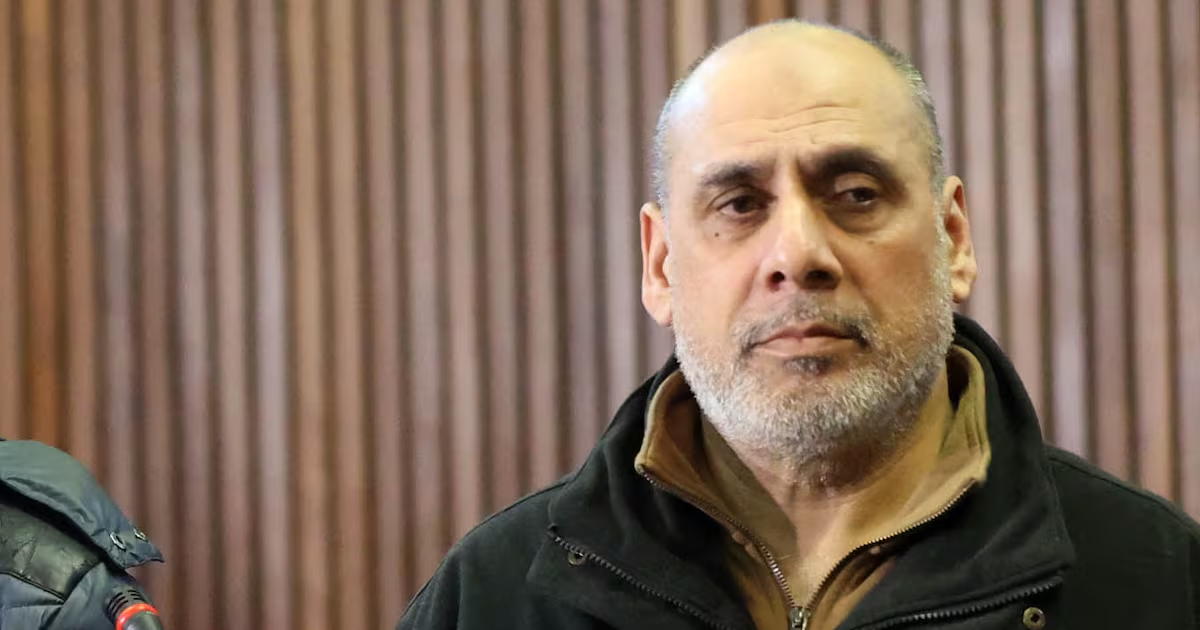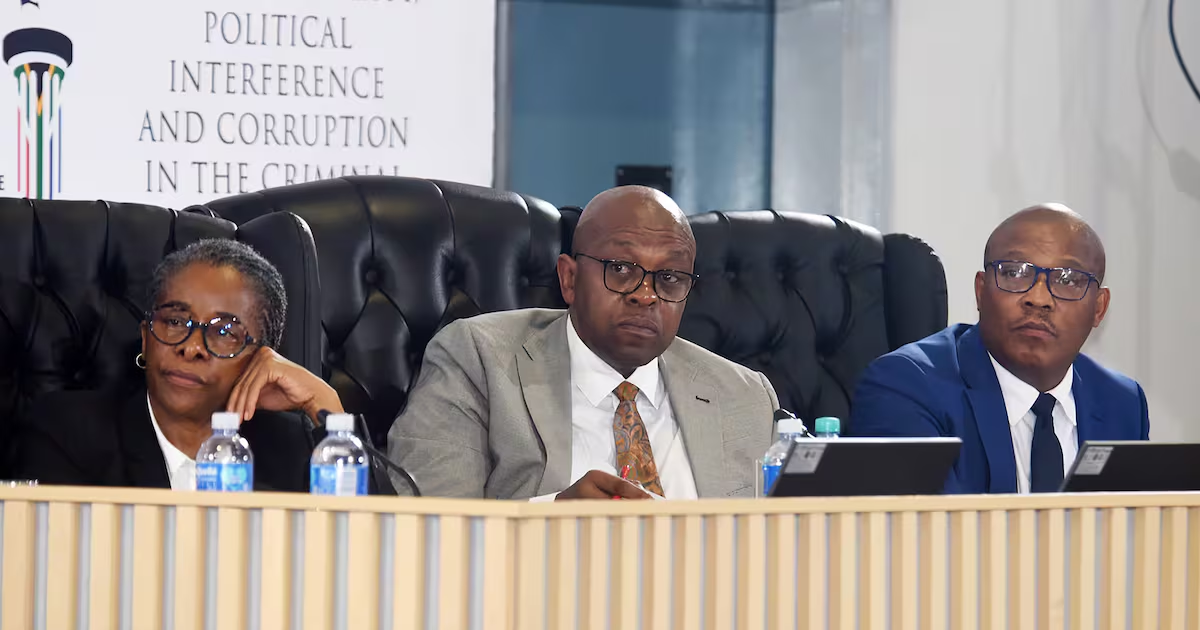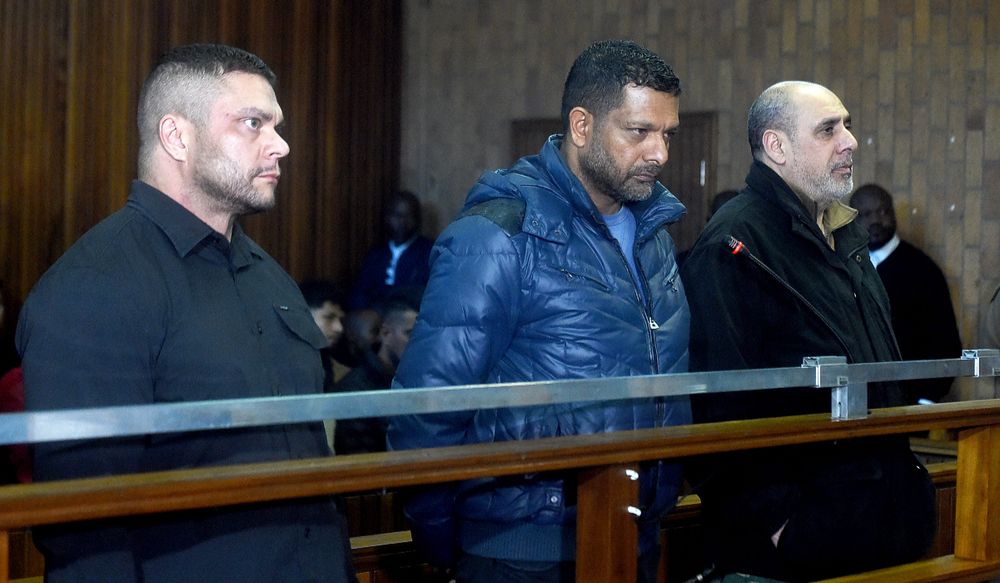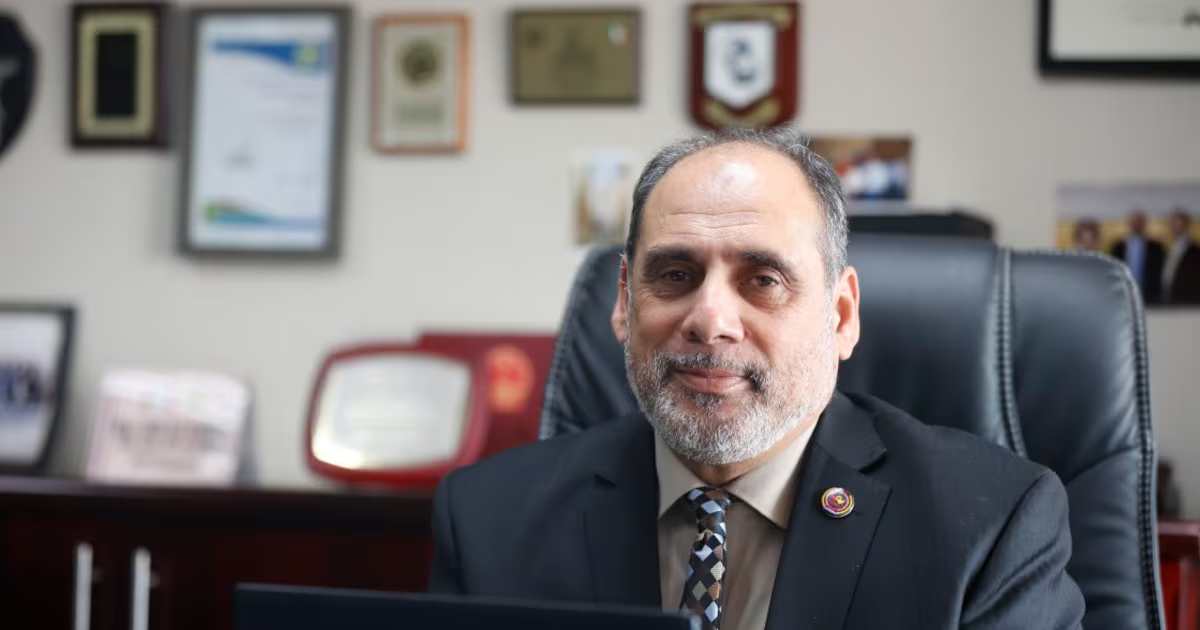
Gauteng Hawks head Maj-Gen Ebrahim Kadwa has suffered a significant blow in litigation to have his phone containing “state secrets” returned to him. The phone was seized by police in May during Kadwa’s arrest in a case related to a breach of the Precious Metals Act and a charge of defeating and obstructing the course of justice. Kadwa initiated the legal showdown against acting police minister Firoz Cachalia, investigating officer Calvin Khorommbi and the Madlanga commission on the basis that the phone was taken by police without a seizure warrant and therefore was unlawful. State legal representative advocate Thulani Mlambo defended the state’s actions, arguing that the Criminal Procedure Act allowed police to seize the device because it could contain evidence in the criminal case against Kadwa. The act allows the state to seize articles which may afford evidence of the commission or suspected commission of an offence. Acting Johannesburg high court judge Bruce Leech recently dismissed Kadwa’s application, finding that the law allows the police to seize an article when suspecting it could have been used in the commission of a crime — even when they do not have a seizure warrant. “He [the arresting officer] believed that the telephone concerned was used in the commission of the offence or suspected commission of the offence and further believed that it might afford evidence of the commission or suspected commission of the offence,” Leech’s judgment reads. Kadwa faces a charge of defeating and obstructing the course of justice. He and police crime intelligence operational support head Maj-Gen Feroz Khan are accused of instructing a police officer to release a suspect, Tariq Downes, who was arrested at OR Tambo International Airport in May 2021 for possession of unwrought gold. Whether Kadwa used the seized device to communicate the alleged crime was not clear, but the state contends the device could have been used in the alleged crime. “I must accept the factual version advanced by the arresting officer that, when executing the arrest warrant, he formed the twin beliefs that the telephone was or might have been used in the commission of a crime or suspected crime and that the telephone might provide evidence of a crime or a suspected crime,” Leech found. “Clearly this instruction [allegation of Downes’ release] entails a communication or communications between the applicant and the warrant officer [arresting officer], or between the applicant and Maj-Gen Khan, or both. Was the arresting officer’s belief — that one or other of these communications might have been effected using the telephone or that the telephone might otherwise provide evidence of those communications — reasonable? I think it must be.” Kadwa, through his attorney Heetesh Patel, has filed for leave to appeal the ruling before the court. Since his arrest on May 10, Kadwa has refused to give the police his passwords to access the phone. The police have threatened to take legal action against Kadwa and Patel on the issue. The Madlanga commission, which indicated they wanted information downloaded from the phone, did not oppose the application.
Hawks boss Ebrahim Kadwa suffers blow in phone ‘with state secrets’ litigation
Kadwa has refused to give police the password to access the phone on the basis it was seized unlawfully without a warrant
508 words~2 min read