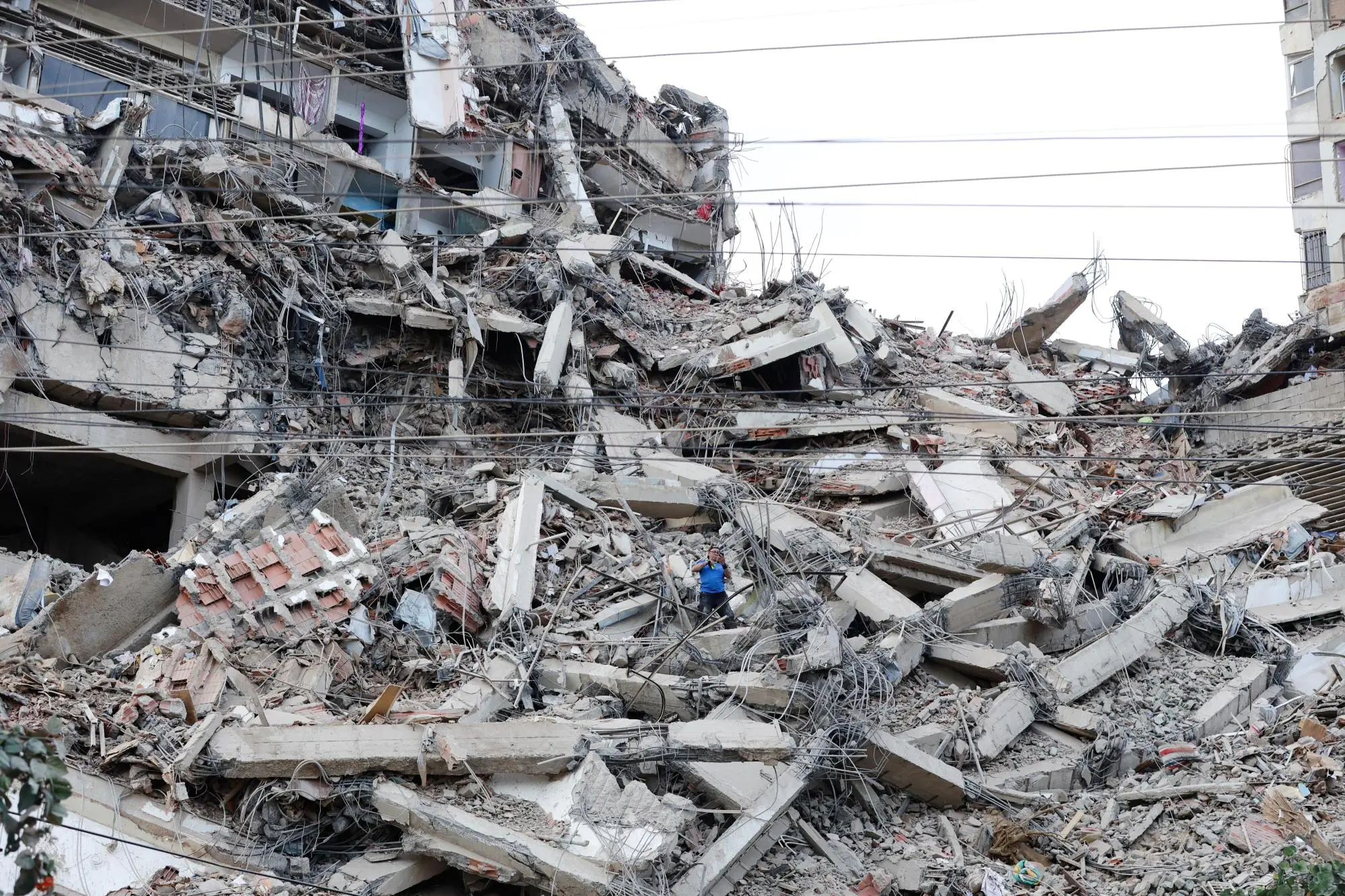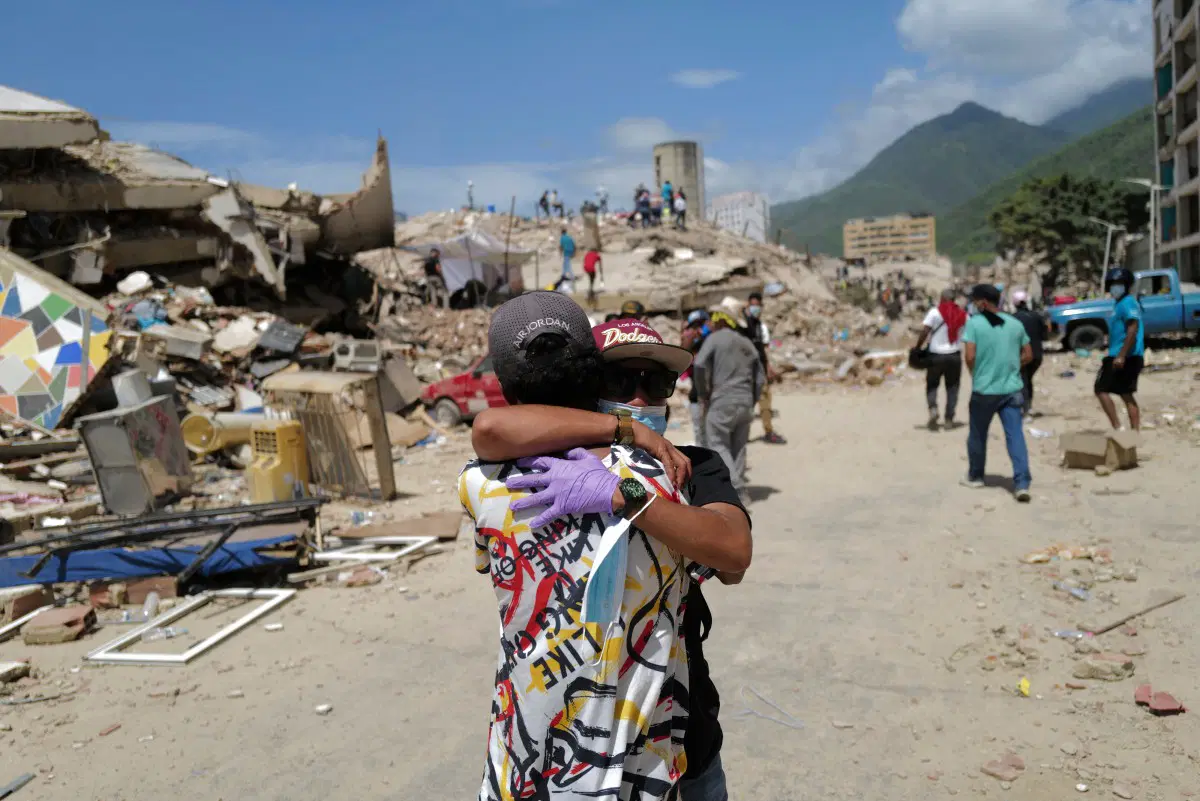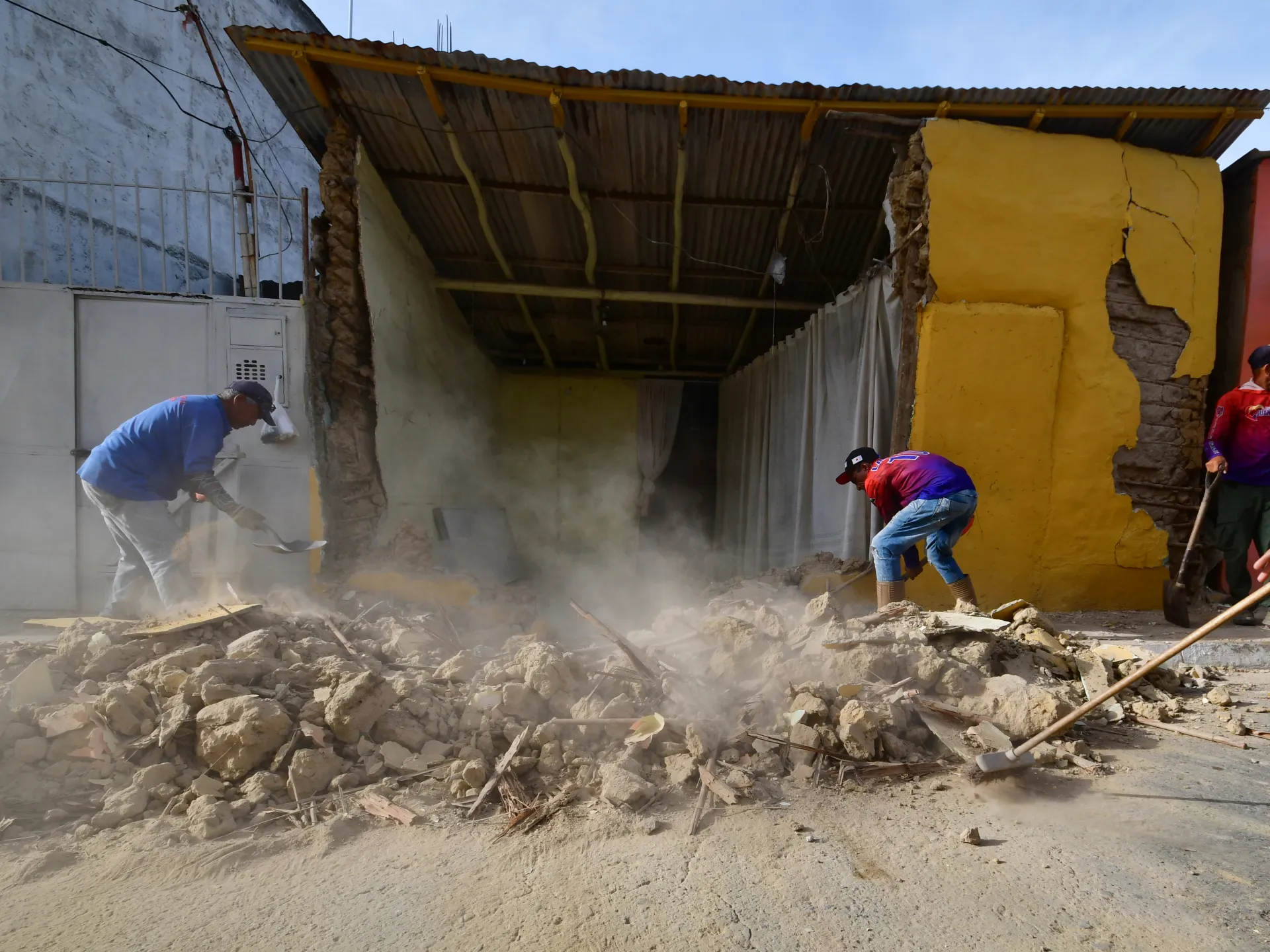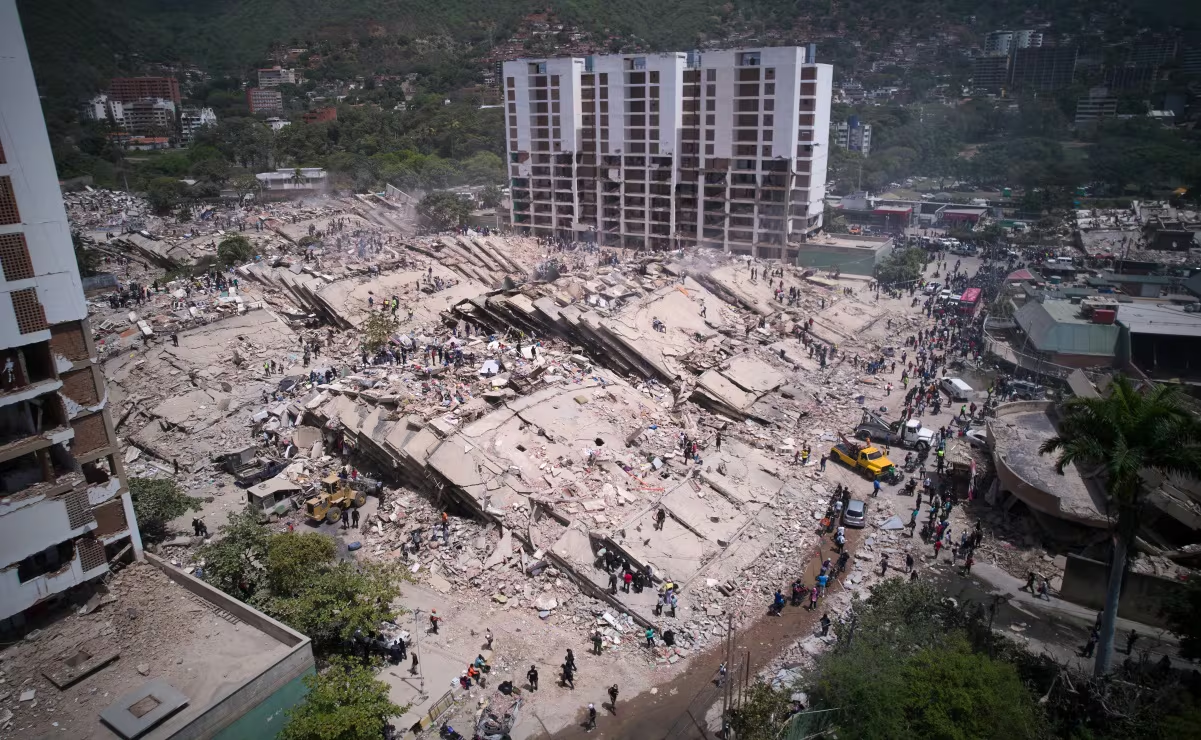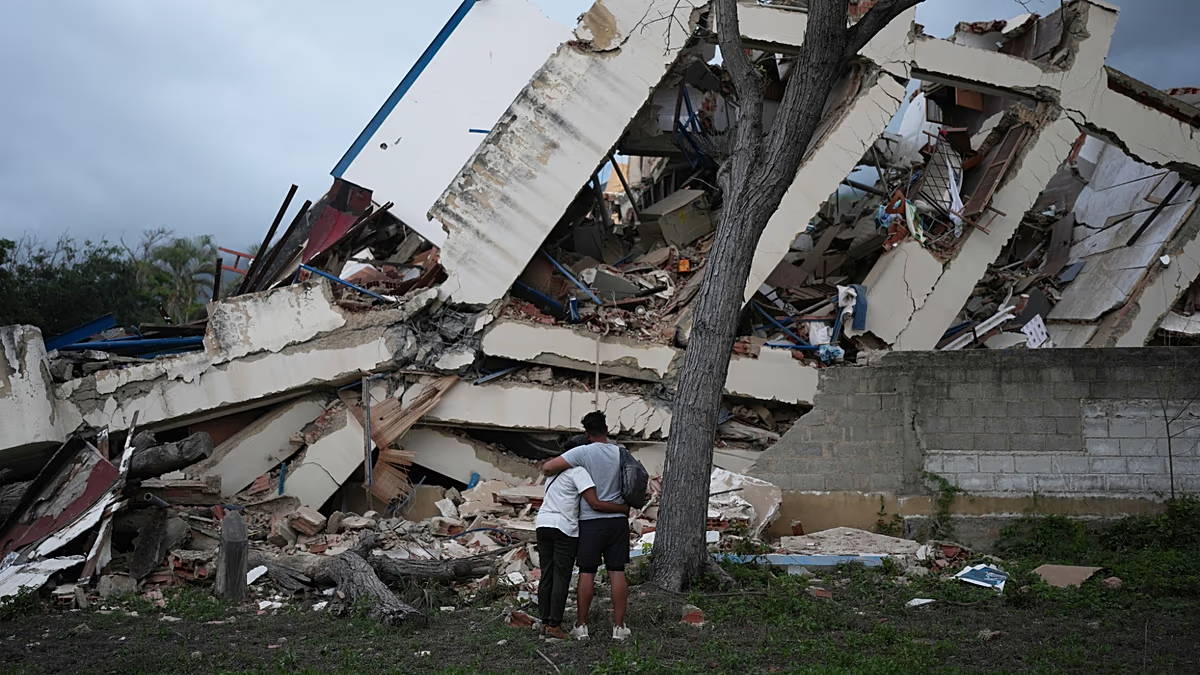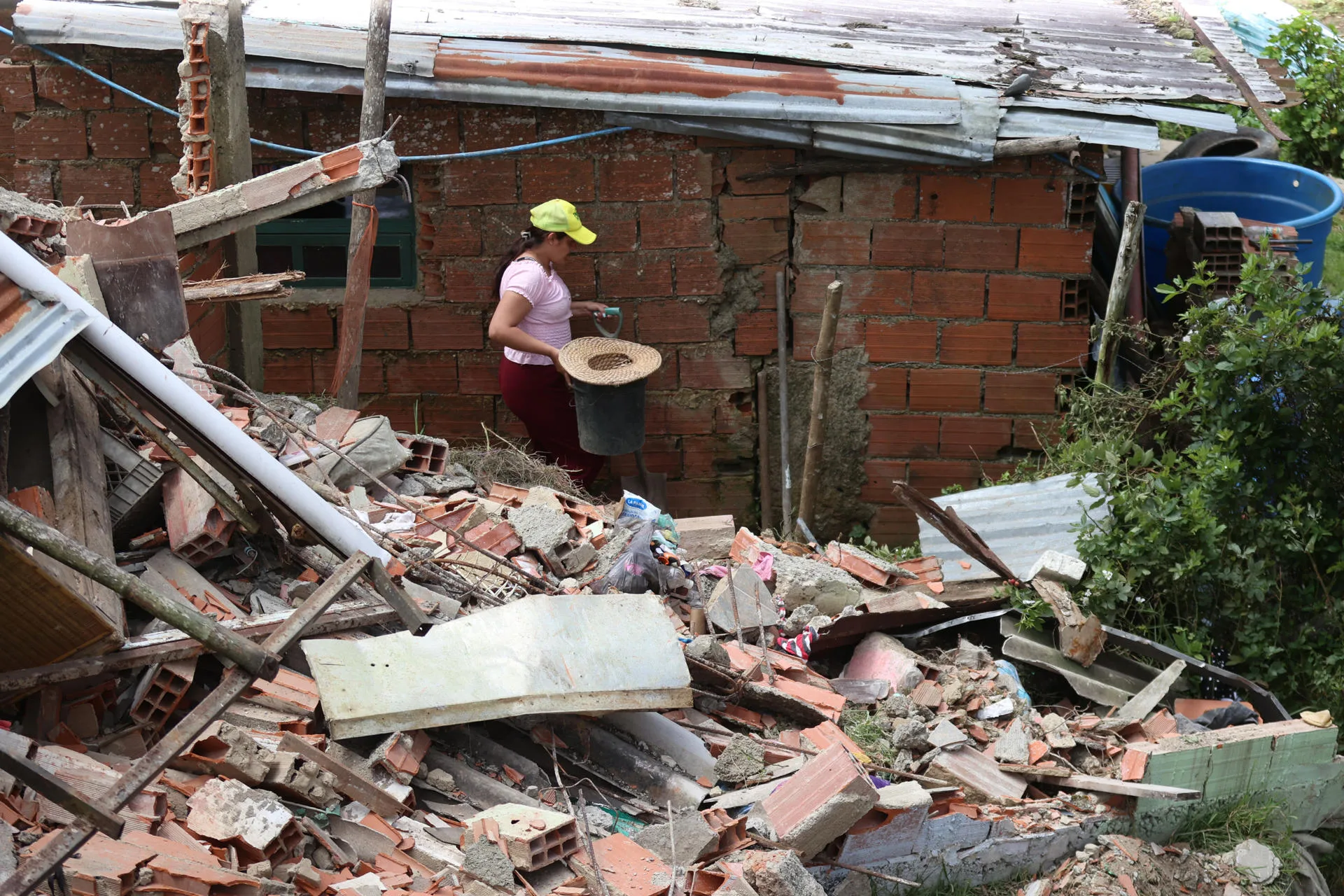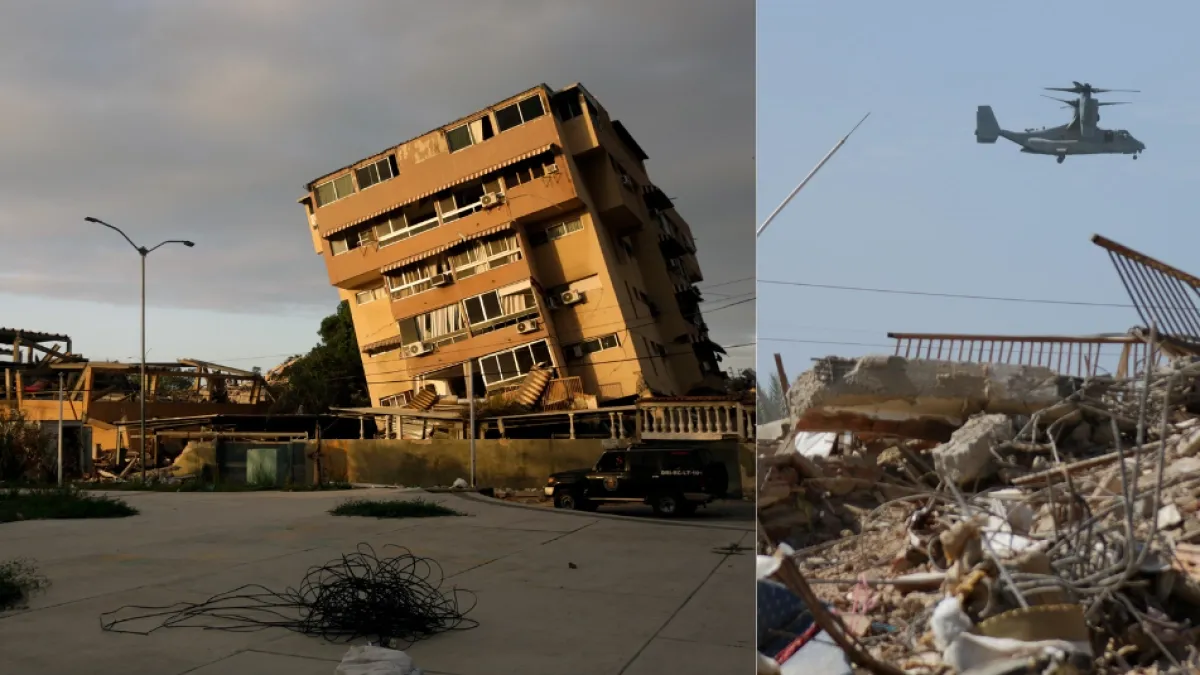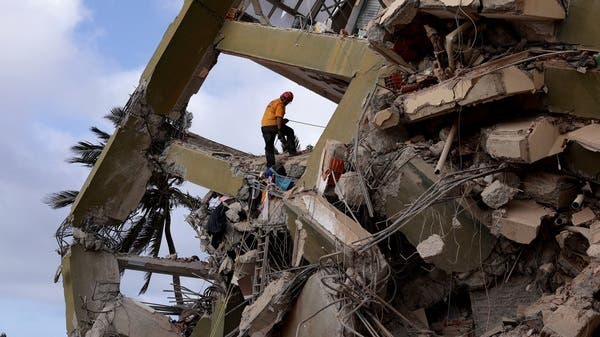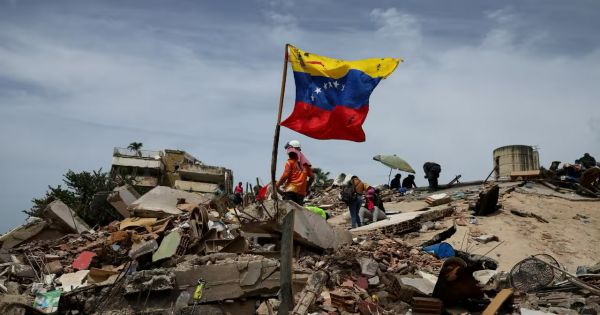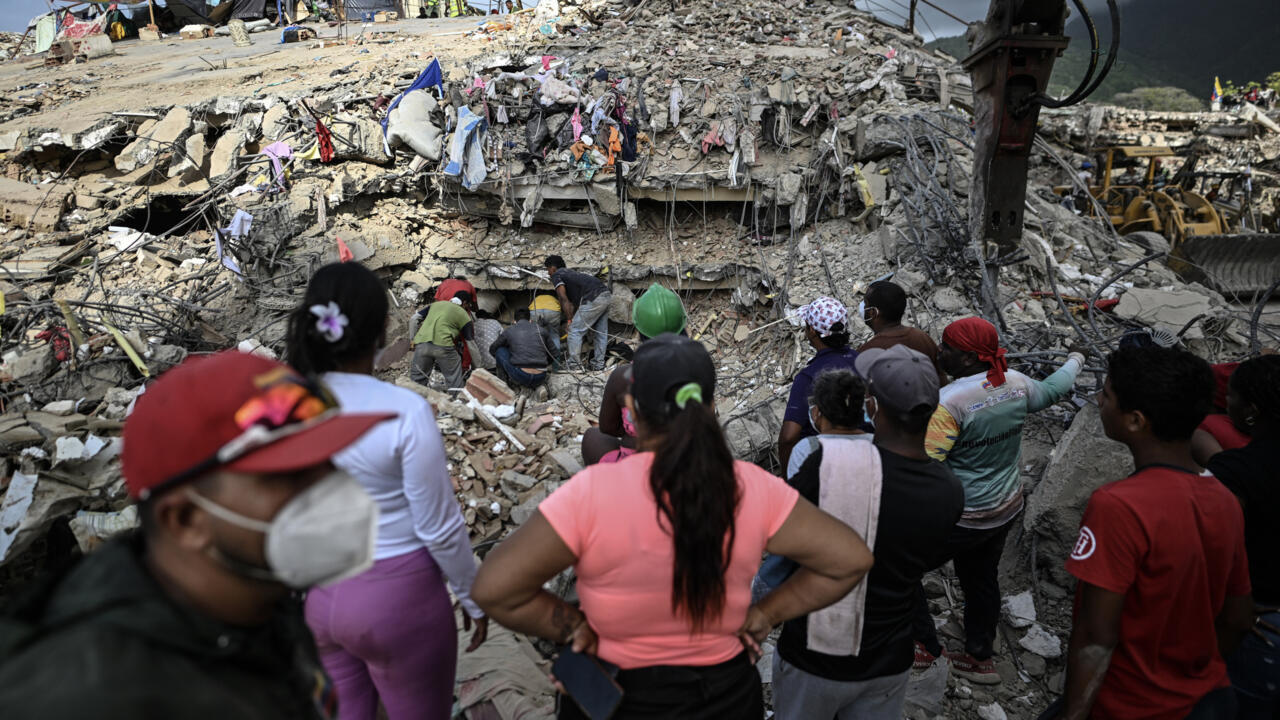
THE earthquakes that struck Venezuela on Wednesday caused an estimated US$6.7 billion in direct physical damage, equivalent to about 6% of gross domestic product, according to a satellite-based Rapid Digital Assessment (RAPIDA) by the United Nations Development Programme (UNDP).The assessment, based on seismic modelling, satellite imagery and population data, was conducted within hours of the quake, the UNDP stated in a release yesterday.
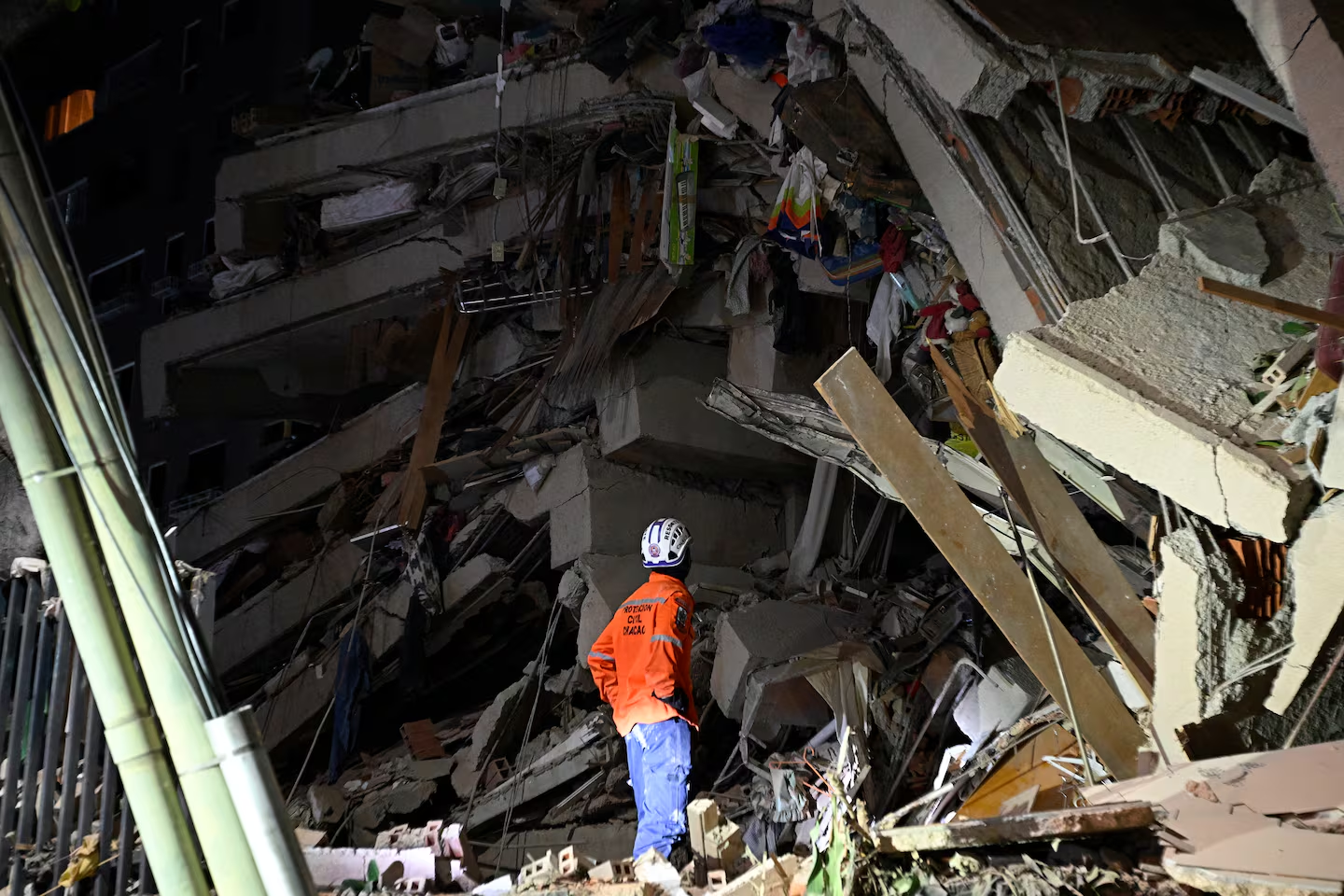
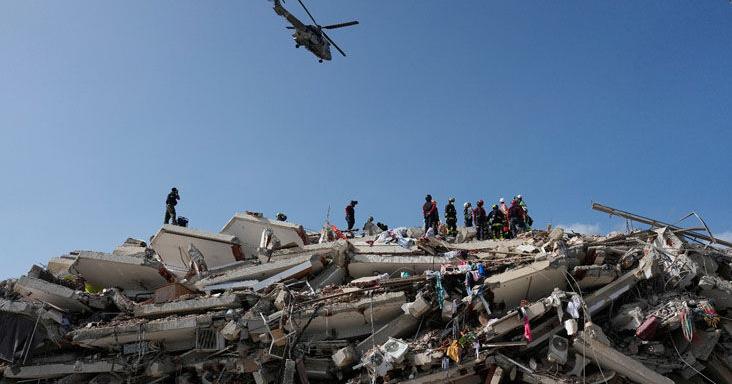
ON-THE-GROUND SUPPORT: Acting President Delcy Rodriguez visits a quake-damaged area where rescue workers are searching for survivors in Caracas, Venezuela, on Friday, two days after twin earthquakes struck the country.
“The quakes, measuring magnitude 7.2 and 7.5, hit near Venezuela’s northern coast and were felt across major population and economically important areas, including Caracas and the states of La Guaira, Carabobo, Miranda, Yaracuy, and Aragua,” it stated.“UNDP estimates that 1.7 million structures were in affected areas, including large numbers in the hardest-hit states,” the release stated.Economic impact substantialThe agency acknowledged that while the economic impact is substantial, the greatest loss has been borne by people and communities.“The analysis found that around 8.6 million people were exposed to above-moderate shaking across the country’s north, including around 2.1 million exposed to stronger shaking. As of June 26, the official death toll is 920 yet the number of casualties is expected to rise as rescue operations continue,” it stated.“For millions of people across the affected areas, the road to recovery is only just beginning as they struggle to rebuild after devastating losses and uncertain livelihoods,” the UNDP stated.The UN agency estimated direct physical damage at between US$4.7 billion and US$8.7 billion, driven primarily by losses to housing and economic assets.“This does not include infrastructure damage, wider economic disruption and longer-term reconstruction costs. While estimated of the total impact is expected to evolve as additional information becomes available, the total impact is typically calculated as 1.5 to 3 times the direct damage,” it stated.UNDP Resident Representative in Venezuela Luis Francisco Thais said rapid assessments are critical for disaster response planning.“The speed and accuracy of early assessments are essential for an effective response,” Thais said.“Tools like RAPIDA help us make faster, evidence-based decisions to support affected communities. At the same time, every crisis is an opportunity to rethink development strategies with resilience at their core. This ensures that recovery not only restores what was lost but also builds a more sustainable future,” he said.The UNDP said satellite data also indicated possible power outages in parts of Carabobo, La Guaira, Caracas and Aragua, based on reductions in night-time lighting following the earthquakes.“UNDP’s AI-powered Rapid Digital Assessment, RAPIDA, combines satellite imagery and GIS (Geographic Information Systems) technology, to provide instant situational awareness. High-resolution imagery is used to detect damage, identify vulnerable populations, and support coordinated interventions within 72 hours of a crisis,” it stated.The UNDP said further analysis is under way as higher-resolution satellite imagery becomes available, with authorities continuing to assess casualties, displacement and infrastructure damage.CAF launches fundThe CAF—Development Bank of Latin America and the Caribbean yesterday announced it had launched a Venezuela Recovery and Reconstruction Fund to mobilise public and private contributions for post-quake recovery efforts. The mechanism will pool funding from governments, international organisations, companies, foundations and individuals, and channel resources into reconstruction priorities identified by the Venezuelan government. CAF said the aim is to reduce fragmentation in aid delivery and accelerate recovery in affected areas.The bank said it will provide an initial US$1 million to capitalise the fund, in addition to US$300,000 in previously announced humanitarian assistance. It said it would not charge administrative fees, ensuring all contributions go directly to emergency response and reconstruction.“Acts of nature are met with acts of humanity and solidarity, and Venezuela needs us today more than ever. Venezuela is a founding country and home to the headquarters of CAF, and that is why we are launching this fund for reconstruction: an agile and transparent mechanism that we invite governments and the private sector to join, so that their contributions, together with ours, become part of an effective response,” CAF’s executive president Sergio Díaz-Granados said.“Our commitment is to accompany the Venezuelan people not only during the emergency, but throughout the entire path of recovery and reconstruction that lies ahead,” he said.Focus on rebuildingThe fund will operate in phases, beginning with emergency relief and humanitarian assistance, followed by the restoration of essential services such as health care, water and sanitation, energy, education and connectivity. A later stage will focus on rebuilding infrastructure, restoring livelihoods and improving resilience to future shocks.“The fund will operate with resources that are ring-fenced and independent from CAF’s own resources. It will include traceability by intervention, periodic financial reporting and independent audits. Contributions may be made in US dollars or euros, and resources may be executed flexibly, either through eligible implementing entities or, where more efficient, through direct management by CAF,” it stated.“CAF’s historical bond with Venezuela as a founding country and the location of its headquarters reinforces the bank’s commitment to accompany the Venezuelan people and their institutions in the response, recovery, and reconstruction efforts that this emergency will require, placing its technical and financial capacity at their disposal to mobilise the solidarity of the region and the international community,” CAF stated.