Pride is not a costume, nor is it a performance. And most certainly, it is never done for the convenience of people outside queerness. For too long, the entirety of the Filipino queer community has been squeezed into a narrow stereotypical mold perpetuated by heterosexuals: queer men means feminine, queer women means masculine—and if you don’t fit their digestible standard, you’re not queer, or queer enough.
There is a pressure to curate and transact our identities, so the world stays comfortable. This is the trap of conditional tolerance: We are stuck in a system that celebrates queerness as some sort of entertainment, but goes silent the very moment human rights are demanded.
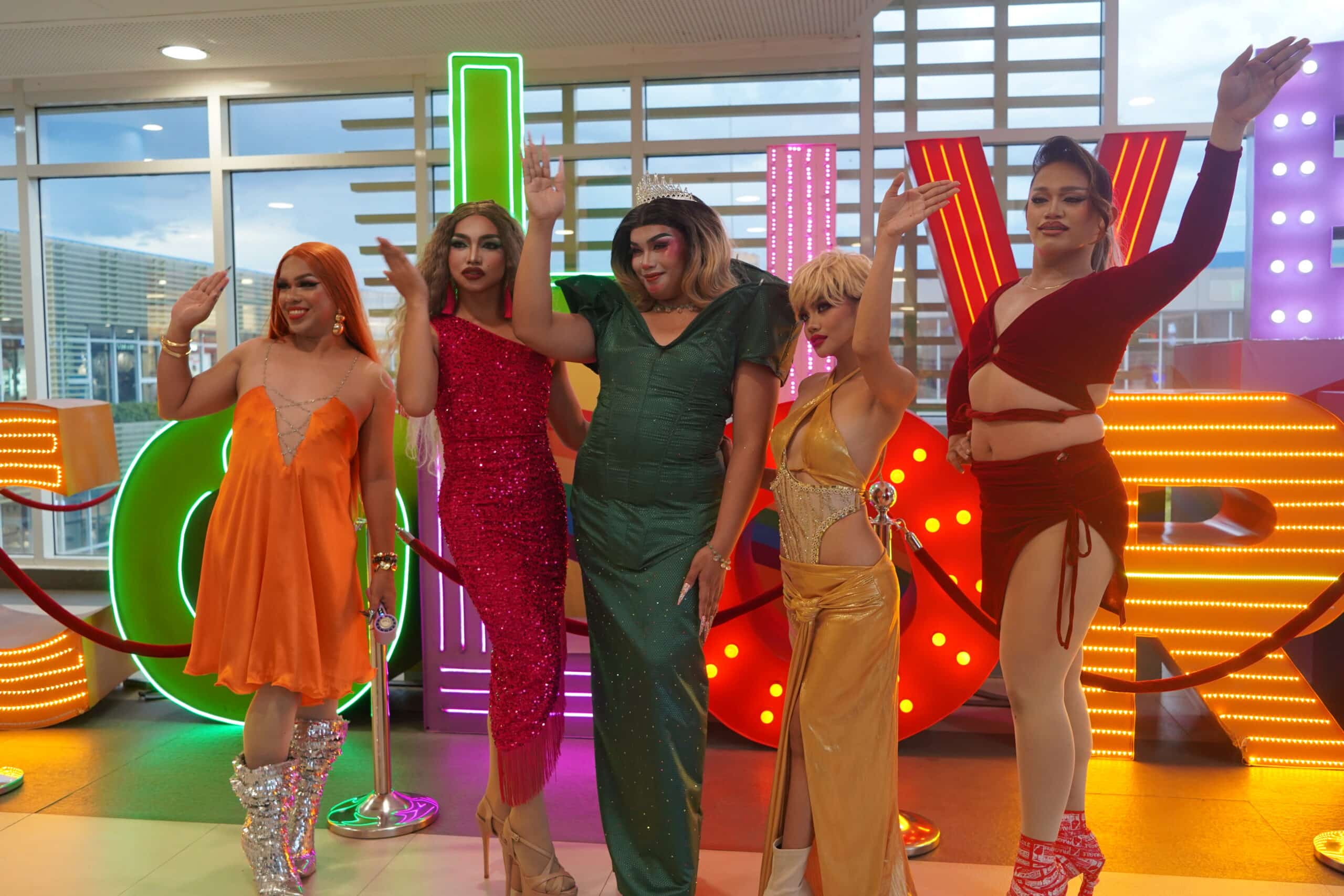
Society welcomes and pushes queer people into the spotlight and stage for their wit and humor, and it has brought comic relief to our society for generations, from noon-time shows to current internet personalities. But the moment their intelligence and passion show, they are sidelined from the actual seats of change due to their sexuality.
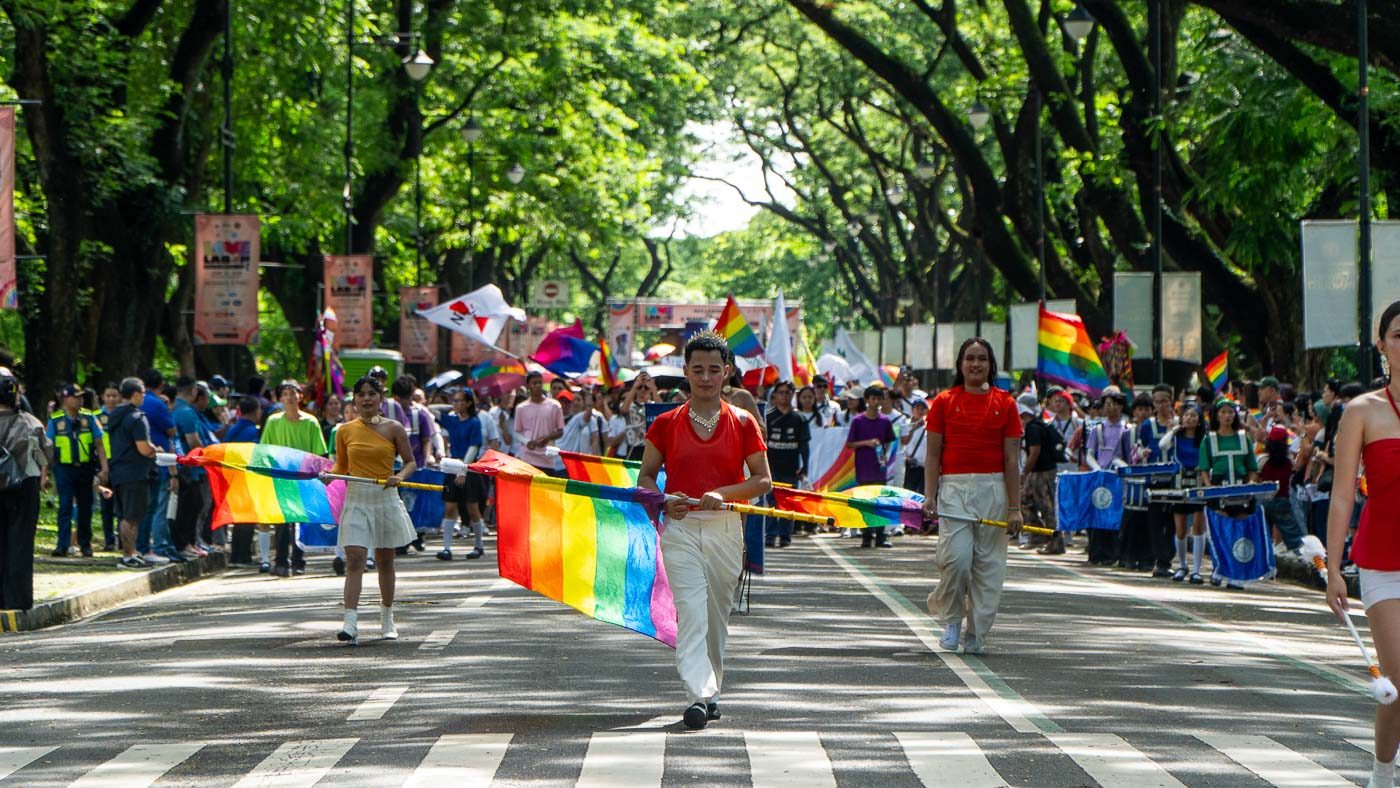
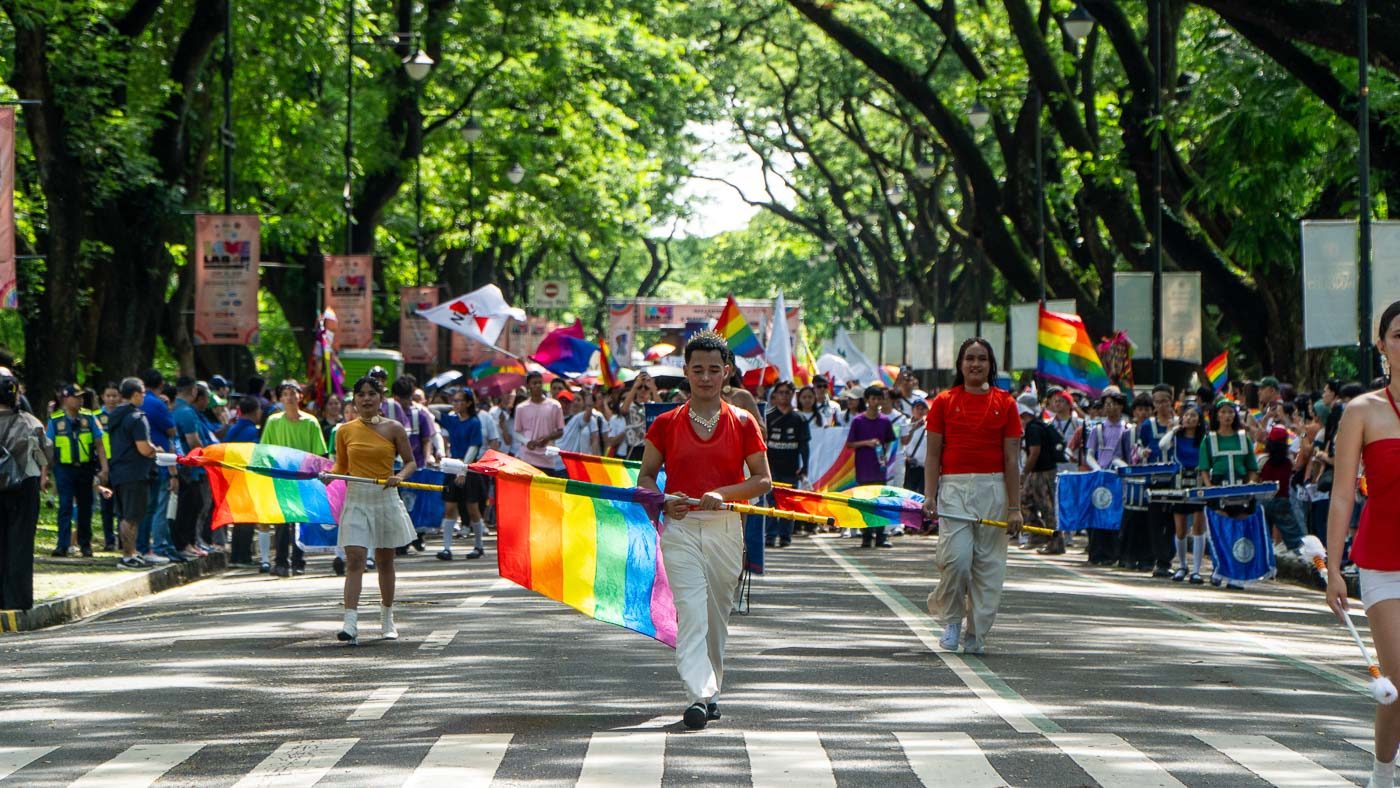
Every June, people celebrate the festivities of Pride month. Colorful events, limited edition drinks, discounts here and there, free tokens—the aesthetics are good, and it’s fun! Everyone wants a little bit of that rainbow capitalism. People want to be in on the trend; they post their candid reactions online, watching whatever mainstream popular queer show is trending, or post rainbow emojis. Corporations, on the other hand, either post a simple TikTok using queer audio for exposure or even produce pride merch to make money.