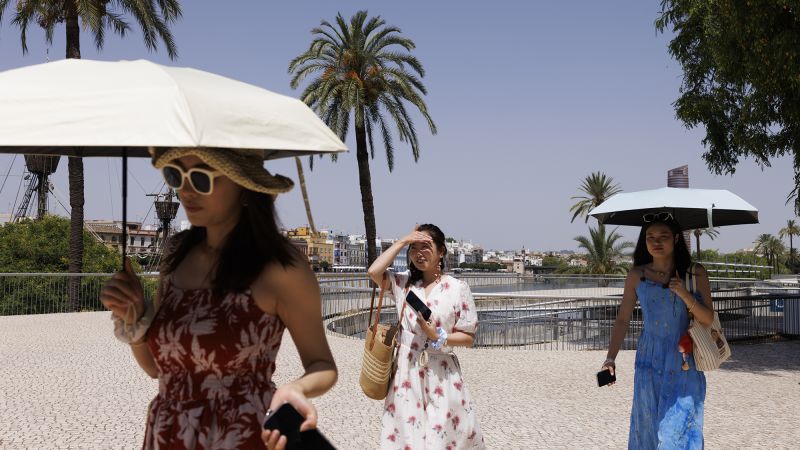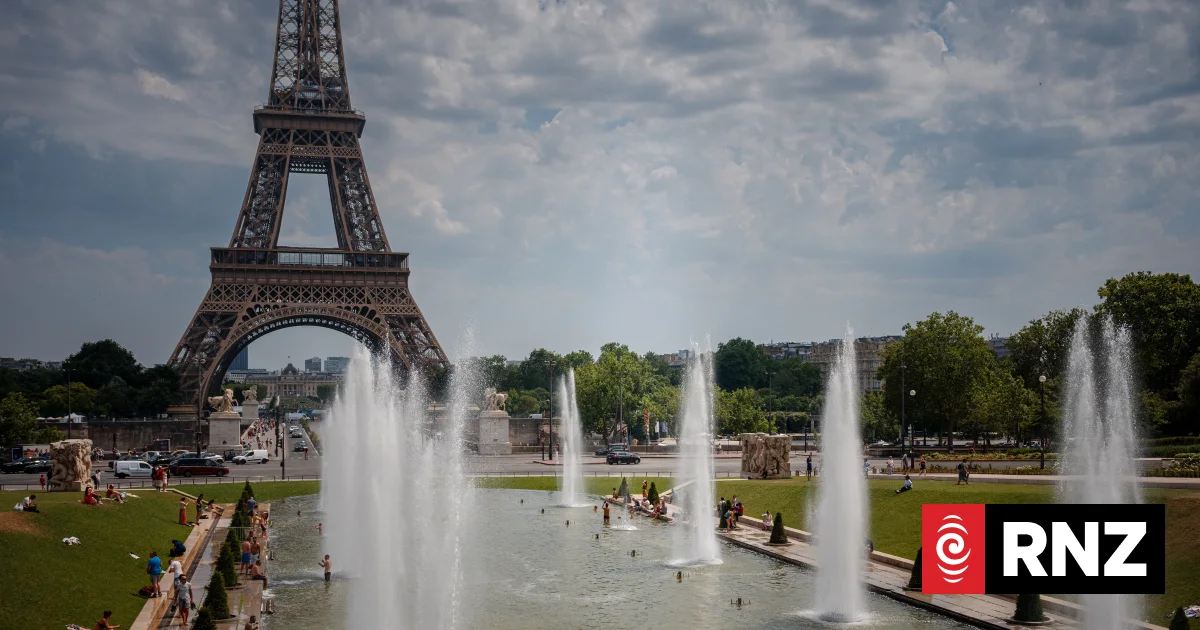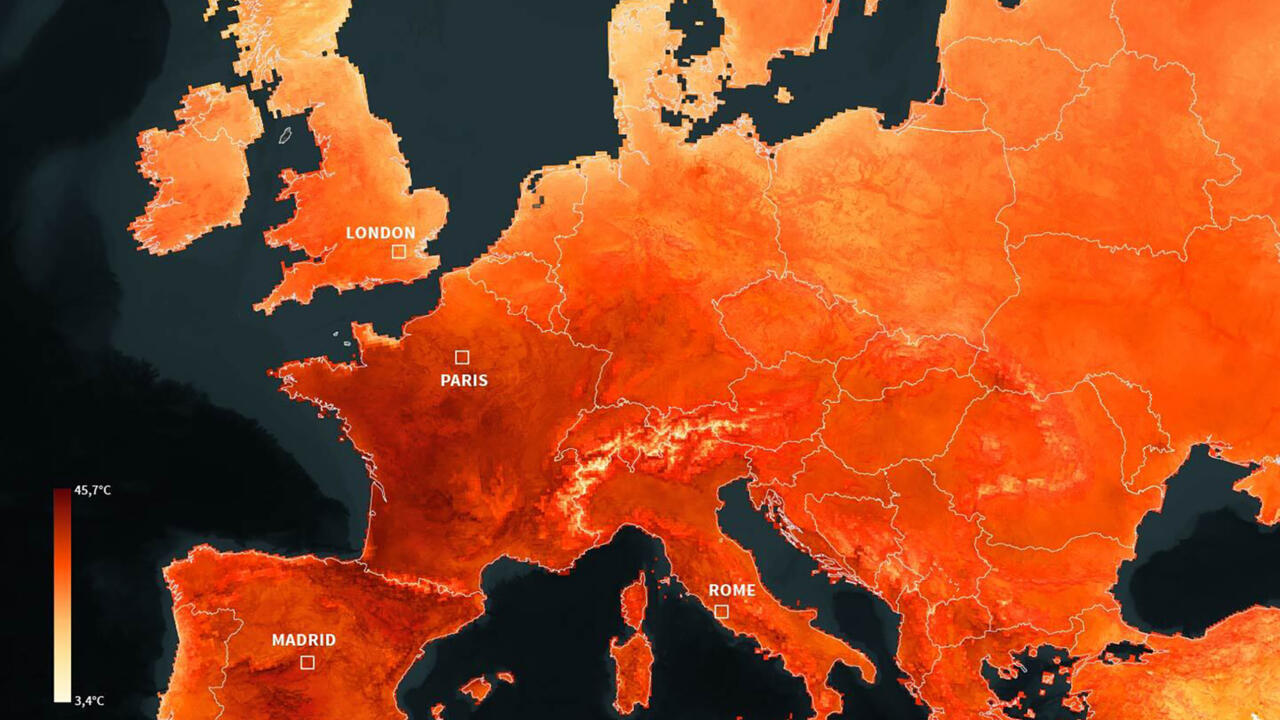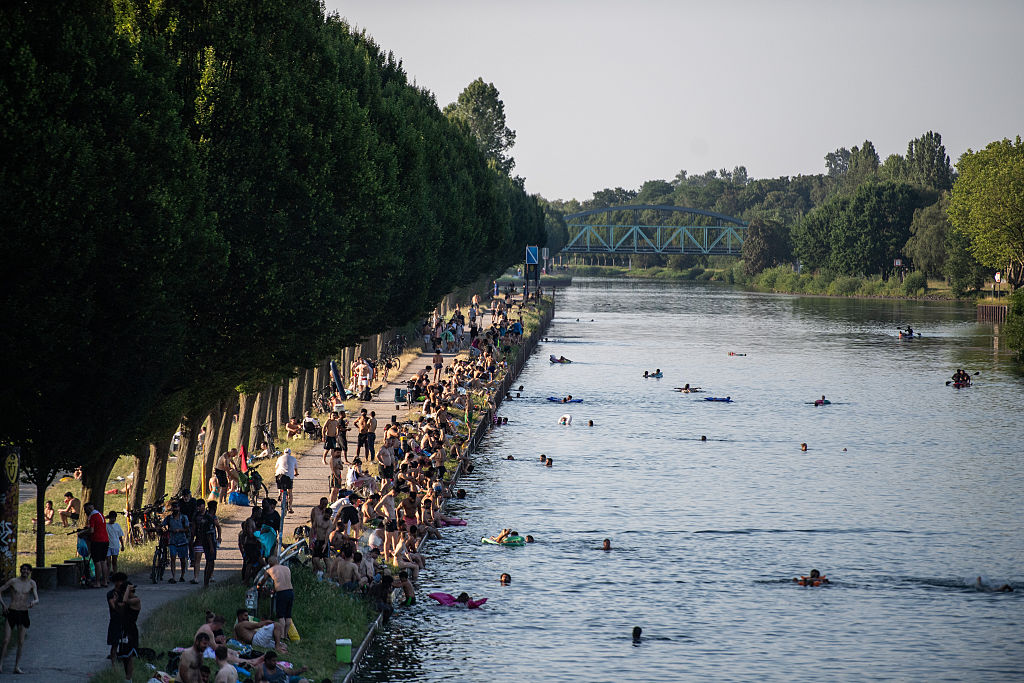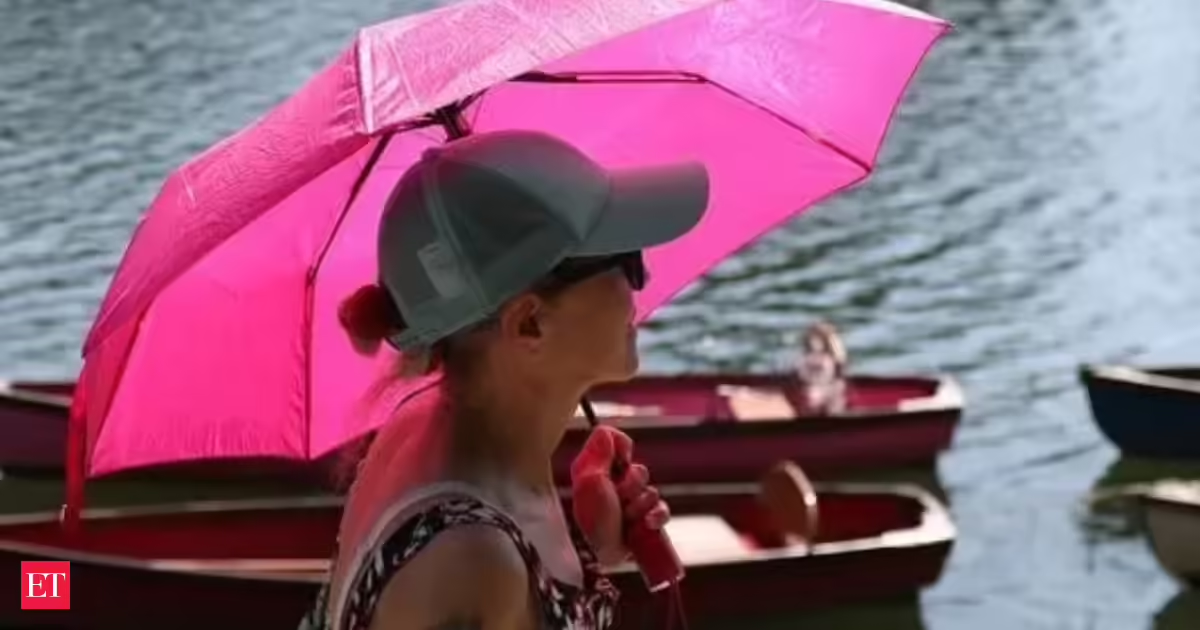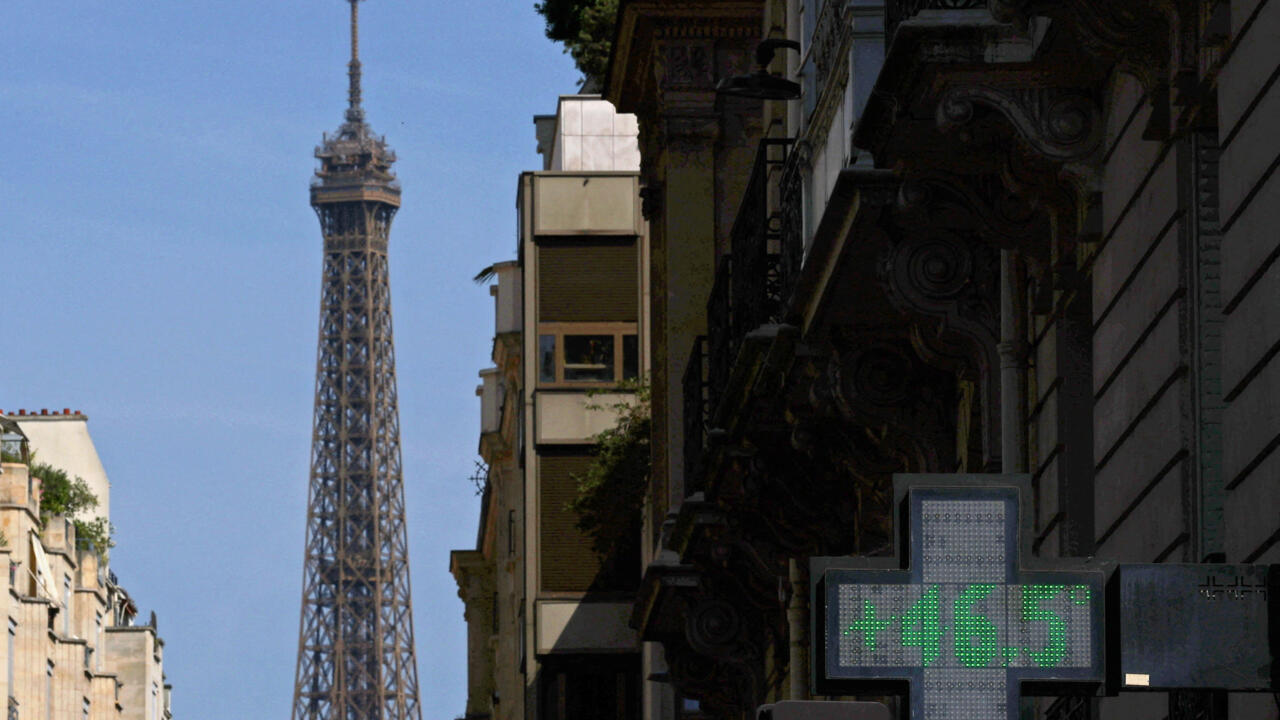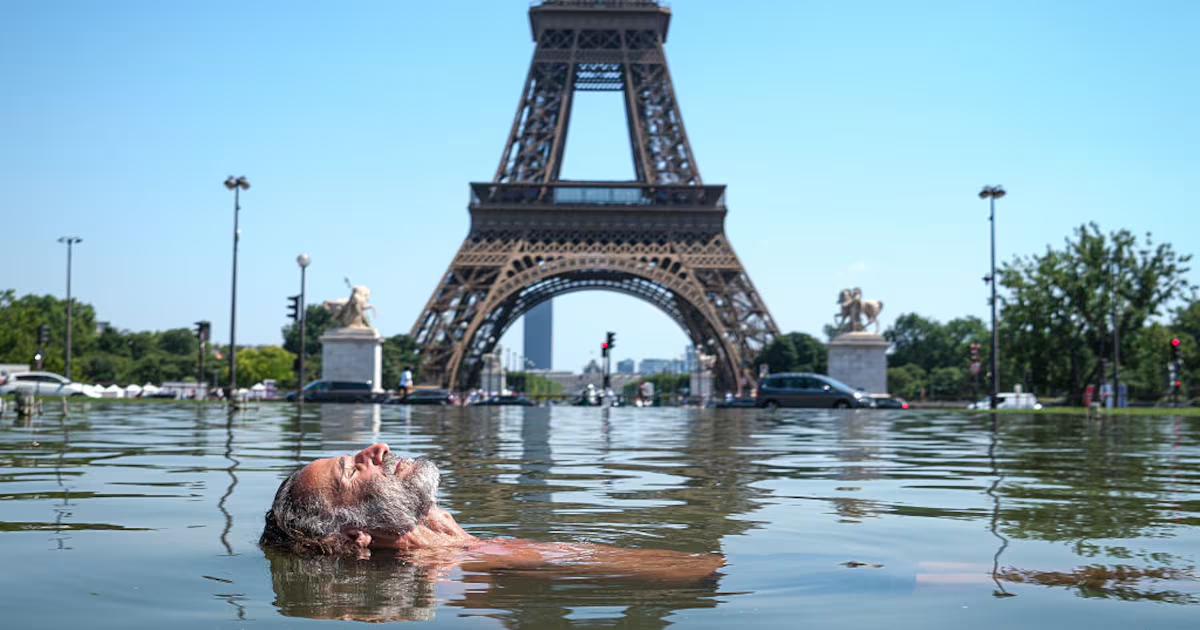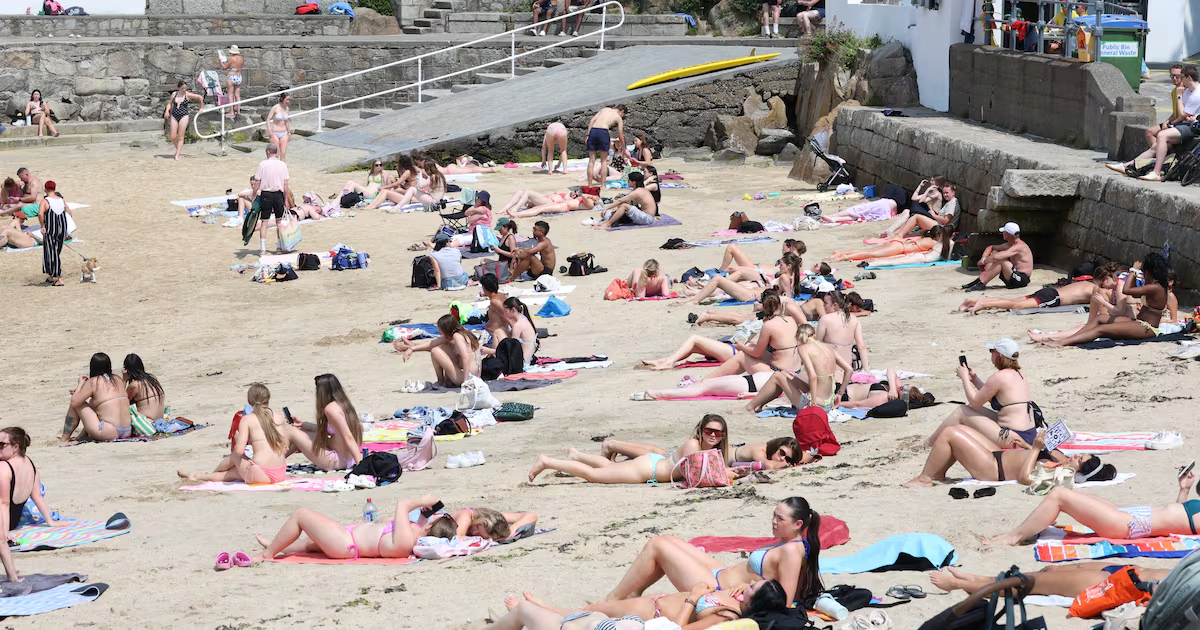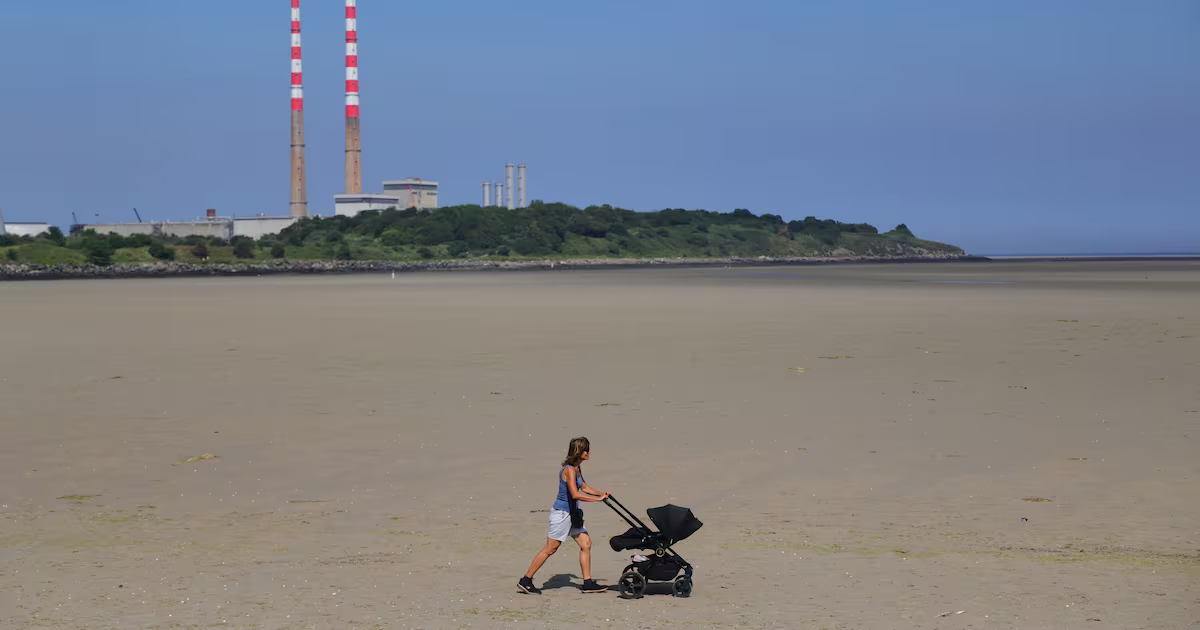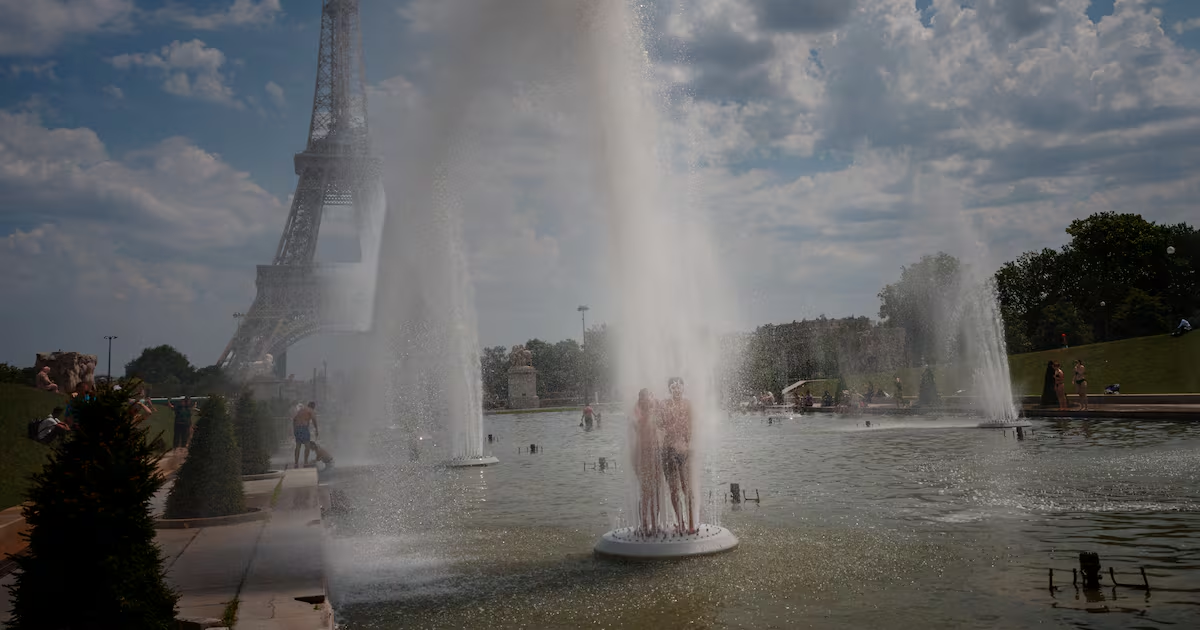
Ireland had a heatwave this week, with temperatures briefly coming close to the national record of 33.3 degrees, but it was nothing compared with the oppressive heat that gripped mainland Europe. In what reads like a dystopian vision of the future, Europe Correspondent Naomi O’Leary recounts the week in France, which recorded its hottest day since records began. She writes of forest fires, overheated rail lines, school closures, crowded shops and museums offering air-conditioned sanctuary, a surge in hospital admissions and deaths attributed to the intolerable heat. “Extreme heat makes anyone who is already vulnerable – small children, the elderly, people with diabetes – more likely to die,” O’Leary writes. “In France’s extreme heatwave of 2003, there were 15,000 more deaths than normal. The toll of this latest heatwave will only become apparent once full figures have been recorded.”From northern Spain, Climate and Science Correspondent Caroline O’Doherty writes of the effects of 39-degree heat on coastal regions where temperatures at the peak of summer rarely go beyond the high 20s. A theme in these reports is that, with extreme heat becoming more and more common as a result of global warming, life in Europe is going to have to change in fundamental ways. Between 1975 and 2000, O’Doherty writes, Spain had just two heatwaves in June. Between 2000 and 2025, there were 10 – a five-fold increase. In Paris, according to mayor Emmanuel Grégoire, the climate trajectory means the city’s environment “will one day resemble that of Seville”.Climatologist John Sweeney explains the nature of the heat dome that caused the extreme heat this week. He also notes the steps taken elsewhere – but not to any significant extent in Ireland – to adapt to this new reality, including restoring fountains, planting trees and generally greening cities. On the broad climate mitigation agenda in Ireland, he sees few encouraging signs. Sweeney writes: “While our EU partners have achieved average emission reductions of 40 per cent since 1990, we have managed a measly 5 per cent. Three Bills are to be rushed through the Oireachtas in the next couple of weeks before the summer recess: removing the Dublin Airport cap; facilitating a gas terminal in Kerry; and fast-tracking certain infrastructure projects. All will increase greenhouse gas emissions yet are being specifically exempted from compliance with our Climate Act.”The Government will soon publish the findings of an investigation into Aughinish Alumina, the metals plant on the Shannon estuary. That investigation was triggered by disclosures in The Irish Times in March that alumina from Aughinish is sent to smelters making aluminium for the Russian military industry. The prospect of alumina being added to the EU war sanctions list now hangs over the Russian-owned operation. In his exclusive this weekend, Current Affairs Editor Arthur Beesley reports that the Government will press the EU for money to keep Aughinish open for European industry if sanctions against the company’s Russian owners lead to the business coming under State control. Nationalising the Co Limerick company, which has a staff of 459, is one of the options officials are considering, Beesley reports, but one big question is how to secure a new supply of bauxite – the raw ore used to produce alumina – if the current owners stop deliveries to Aughinish from their mines in Guinea and Brazil. We’ll have more on the Aughinish story next week.Ireland’s six-month presidency of the European Council begins on Wednesday – an important occasion for Government politicians and administrators. We asked some contributors to suggest what the Irish presidency should prioritise – resulting in a useful set of ideas covering everything from Ukraine and the EU budget to the UK’s possible readmission to the union. Former DUP leader Jeffrey Donaldson was found guilty on Monday of 18 child sex offences, including rape. As anyone who observed his rise through unionist politics will be aware, he presented his evangelical Presbyterian faith as intrinsic to his political and personal identity. How Donaldson used religion to seek to cover up his crimes became a theme of his trial, and that’s the subject of a piece by Northern Editor Freya McClements. The Phoenix, a Dublin magazine, closed this month after more than 40 years on the news-stands. Political Editor Pat Leahy, who got his start in journalism at the title, has a fine piece on it this weekend, covering its trajectory from the glory days of the 1980s and 1990s to its latter phase, when the magazine became “somewhat duller, less sharp, more given to opinion and ideological criticism of people and institutions than telling readers stories about them that they couldn’t read elsewhere.”Elsewhere, Niamh Towey writes on the lives of teenage girls in Ireland; Keith Duggan in Montana tells the story of the Irishmen who fought and died in one of the most mythologised battles in US history; and Mark Paul assesses the candidates for senior cabinet posts in the next UK Labour government.
Message from the Editor: a dystopian vision of the future
IT Sunday: extreme heat across Europe shows us how life on the Continent is changing in profound ways
819 words~4 min read