and
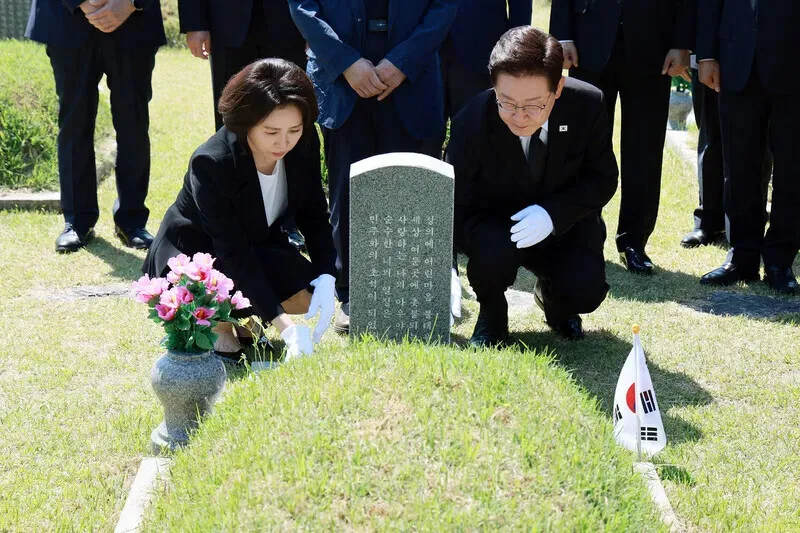
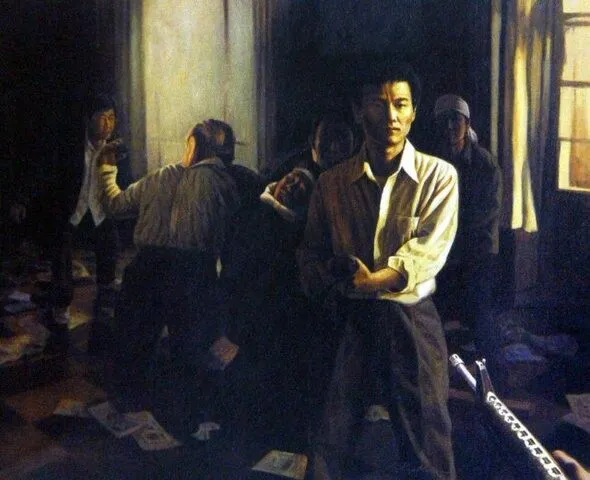
One of the main symbols today of the 1980 Gwangju Uprising, Yoon Sang-won is rightly remembered for his courage, for his tenacious organizing ability, for his dedication and selflessness, and especially for his willingness to fight until the end. Sadly, when only 29-years-old, he was killed on the morning of May 27, 1980 during the final assault of the army on Province Hall in Gwangju. He resisted the military dictatorship to his last breath. Today his place in Mangwoldong cemetery is an honored gravesite where many visitors pause to remember him. After his death, he is far bigger than in life. The movement’s signature song, “March for the Beloved" was written for Yoon’s symbolic, posthumous marriage to Park Gi-sun.
Left
No matter how much he may be idealized, it is incumbent upon us today to be critical of even the most glorious elements of our past in order to better prepare our future. I wish to ask an important question about Yoon’s actions, one that also bears upon the late president Noh Moo-hyun. On May 26, 1980, Yoon was the press spokesperson in besieged Gwangju representing the insurgents as the military was poised to overwhelm the liberated city. He used the occasion to send a message to US ambassador William Gleysteen (via Bradley Martin, a US journalist then writing for The Baltimore Sun). Yoon asked the ambassador to intervene with Chun Doo-hwan and help negotiate a peaceful settlement to the uprising. Martin has verified that he passed along Yoon’s request to the ambassador but that Gleysteen refused to do anything about it. Earlier that day, it had been rumored in Gwangju (correctly as it turned out) that the aircraft carrier USS Coral Sea had entered Korean waters. Whatever Yoon truly thought, he said that the aircraft carrier was coming to help fighters for democracy. Whether he was trying to lift the spirits of the insurgents or naïvely believed the United States would aid the insurgents, he was heard to say the carrier came to help the uprising.