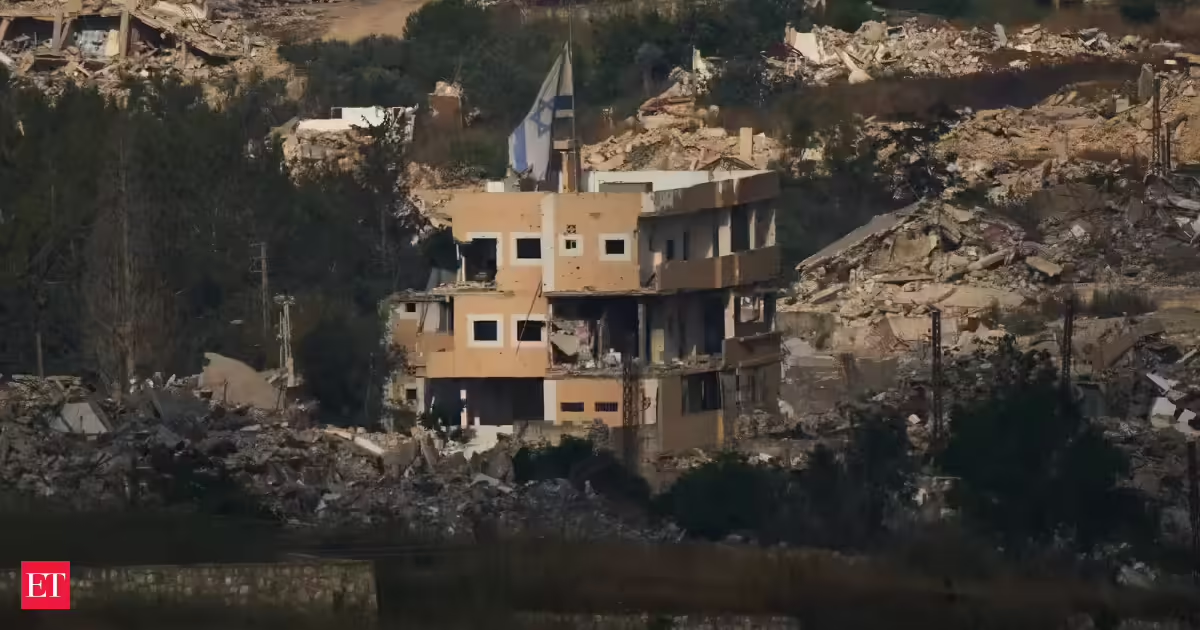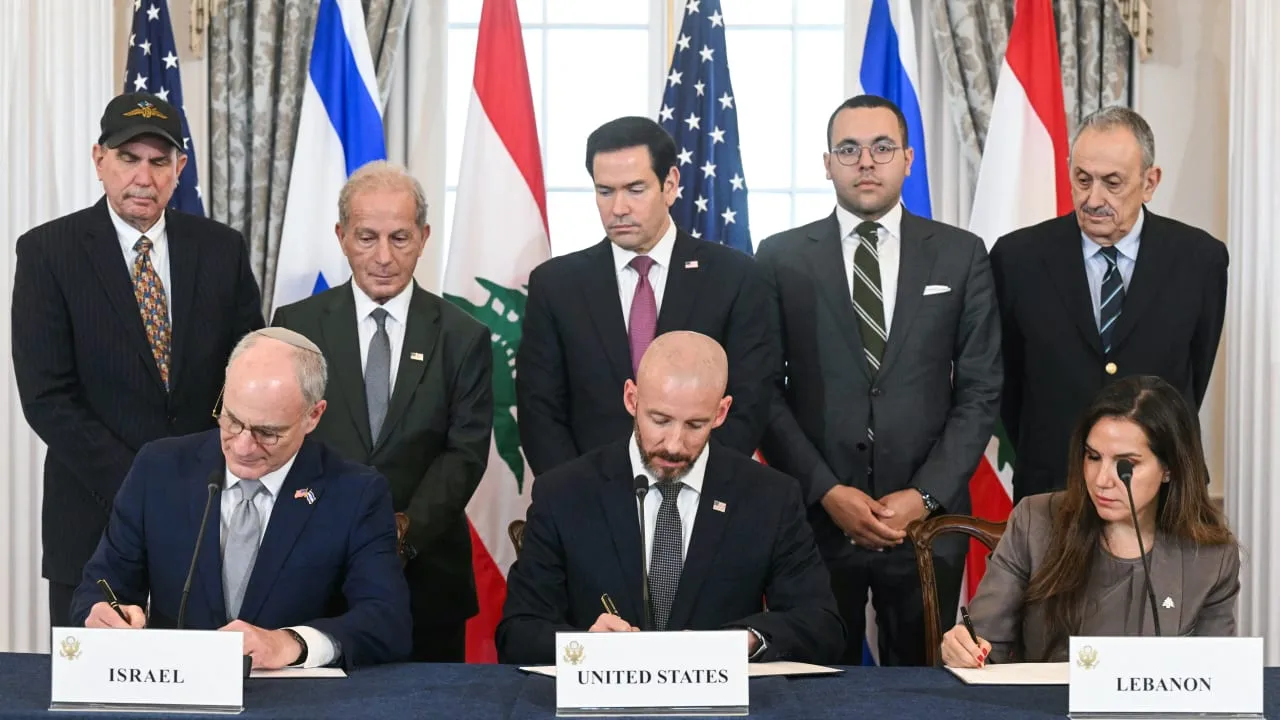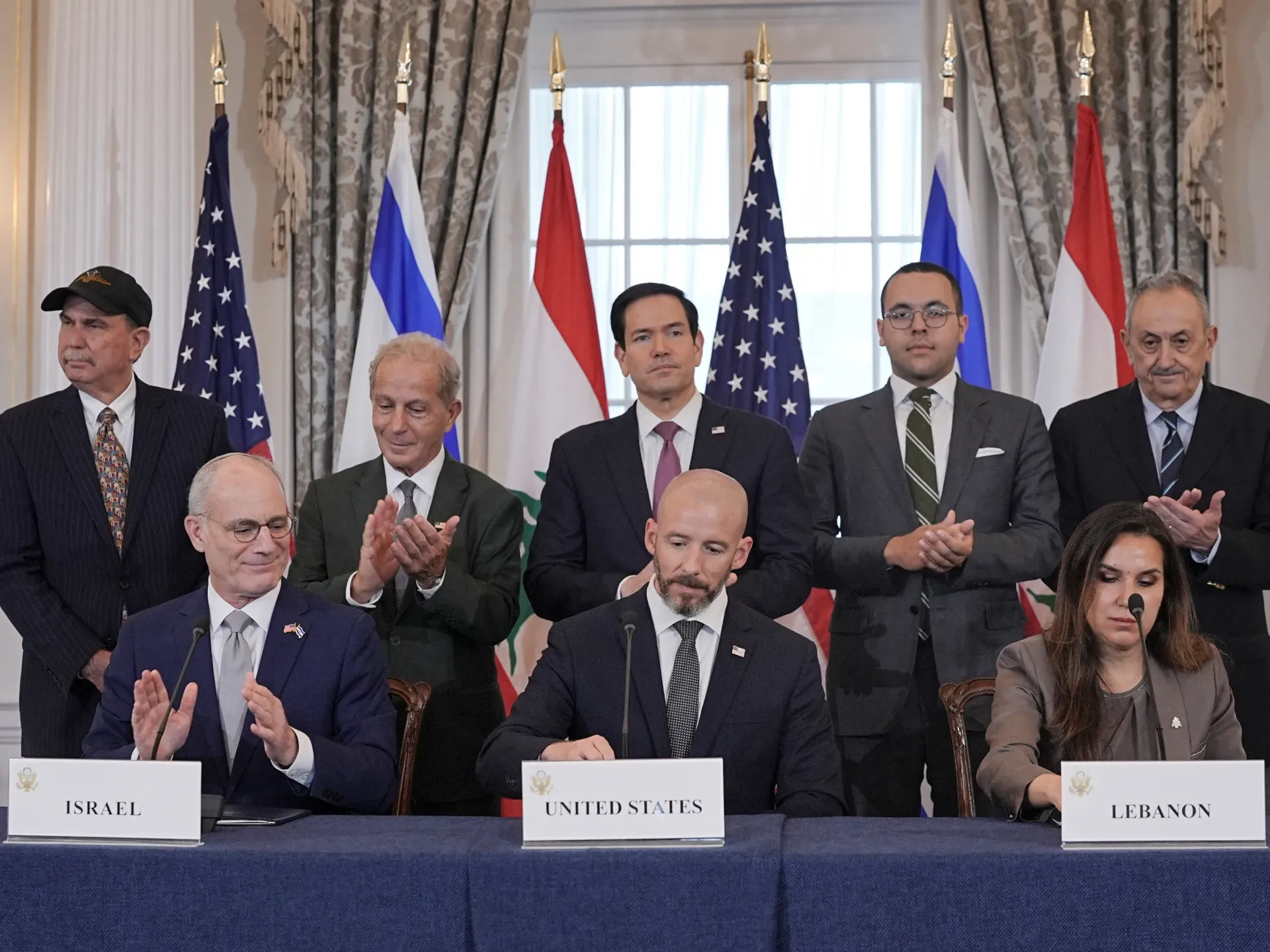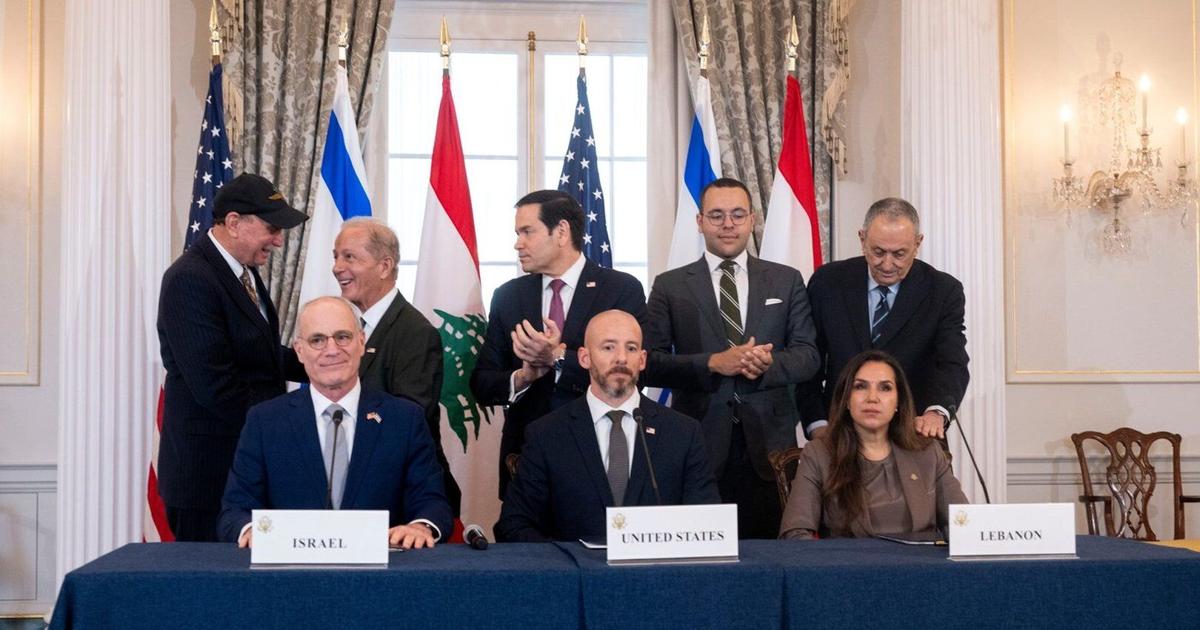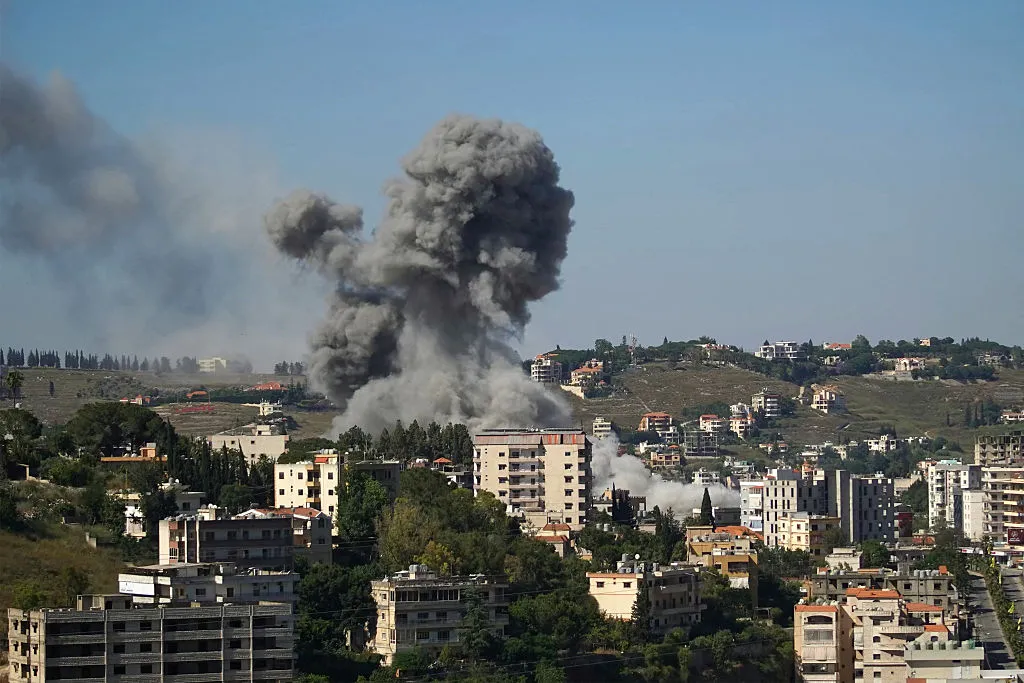
Even before the ink on the agreement between Israel and Lebanon was dry, its opponents began trying to destroy it. Reports emerged of exchanges of fire between the IDF and Hezbollah in southern Lebanon. In Beirut, newly erected ‘Lebanon First!’ signs replacing pro-Iranian messages on the airport road were set alight by Hezbollah supporters. Hezbollah Secretary-General Naim Qassem denounced the agreement as ‘humiliating, disgraceful, and constitut[ing] a surrender of sovereignty,’ insisting instead that ‘the provisions of the Iranian-American memorandum of understanding must be implemented.’ Good. These were the first indications that this agreement’s importance lies far from where much of the early commentary has chosen to look.
For the first time in many years, Washington, Jerusalem and Beirut have jointly established a diplomatic framework that explicitly treats Lebanon as a sovereign state responsible for its own territory
For decades, any serious attempt to understand conflict on Israel’s northern border has eventually led to Tehran. Hezbollah’s military power, its role within Lebanon’s political system, and Iran’s use of the organisation as the cornerstone of its regional deterrence strategy have become so deeply intertwined that Lebanon itself has come to be viewed less as a sovereign actor than as a puppet in a much wider confrontation. The framework signed last night between Israel and Lebanon, brokered by the United States, fundamentally challenges that assumption in clear terms agreed by both states.