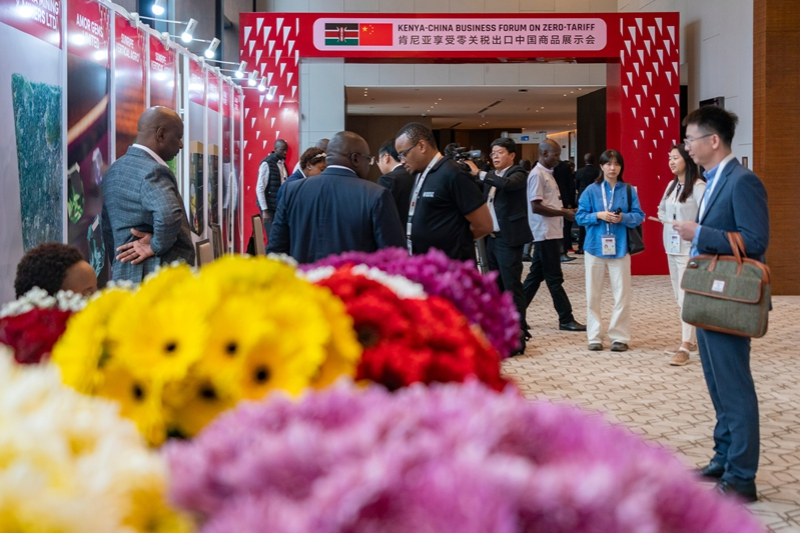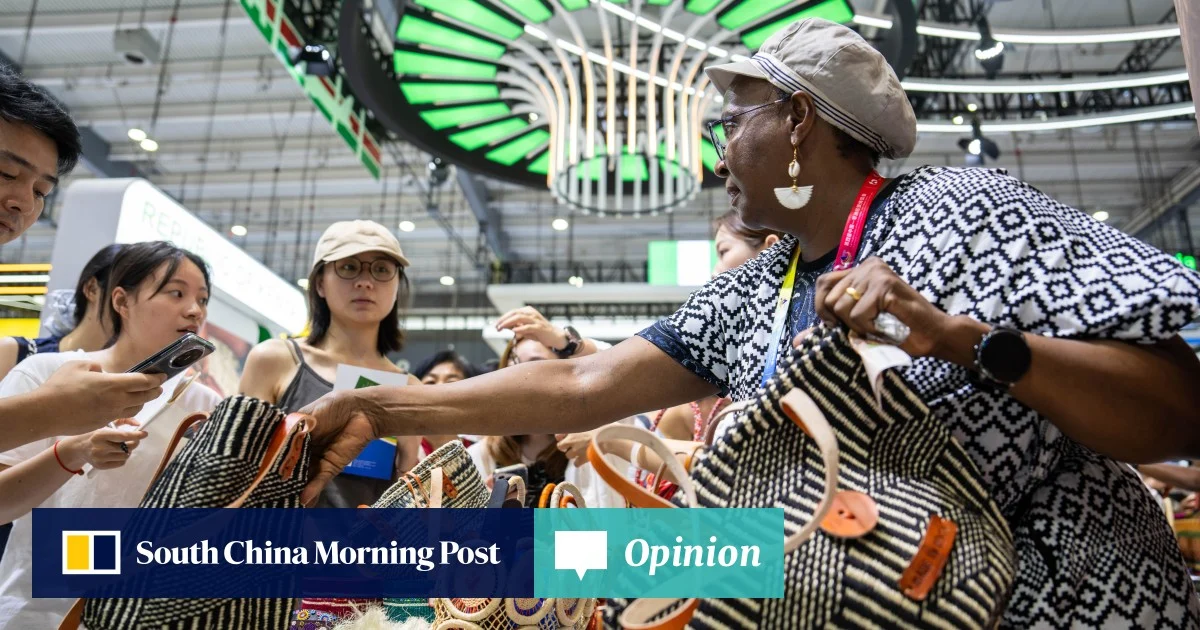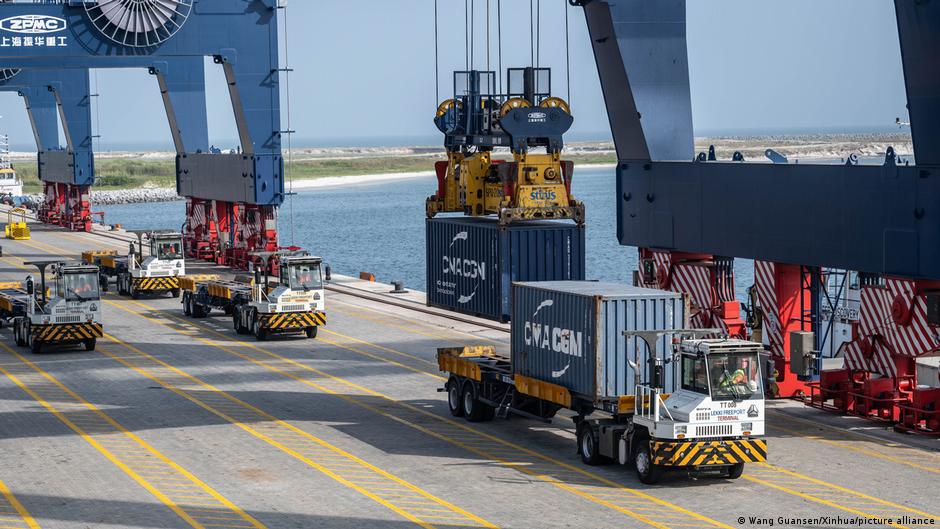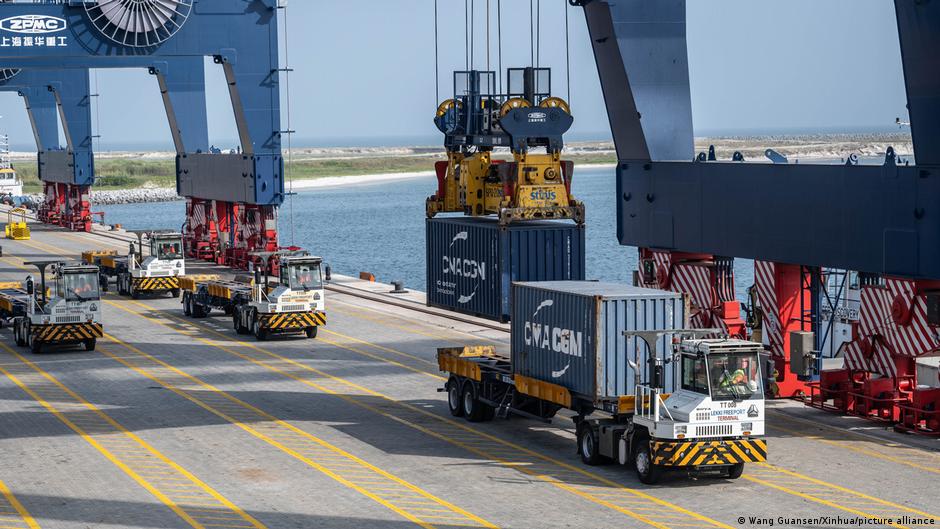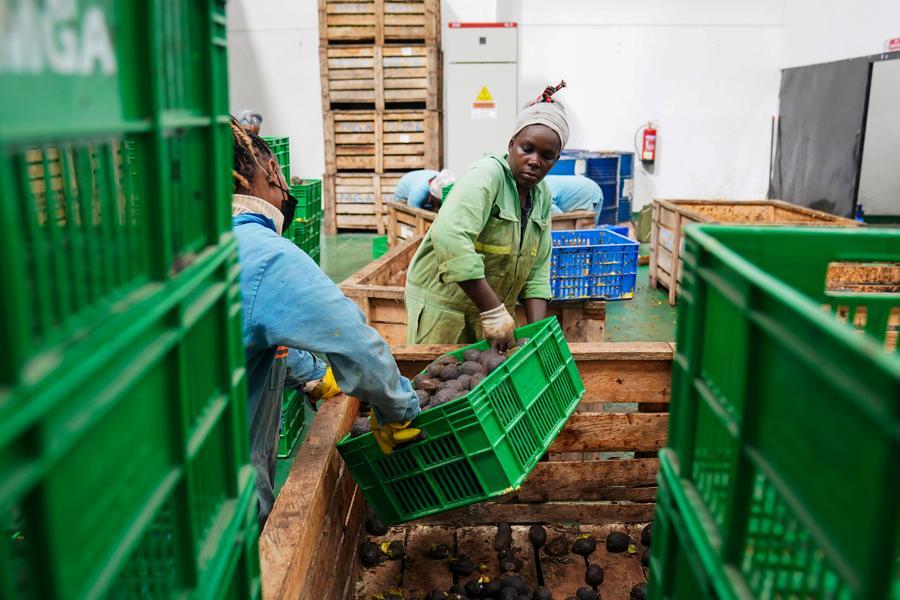
On June 4, at a packing facility in Limuru near Nairobi, Kenya, avocados were being prepared for the Chinese market. The scene may seem mundane, but the politics behind it is significant.China has removed tariffs on imports from 53 African countries. African exporters are beginning to think about Beijing less as a distant buyer than as a market that could reshape their margins.When the UN projected 4 per cent gross domestic product growth for Africa for 2026, the figure landed quietly. No summit was called. No special envoy was dispatched. Yet for governments trying to run that growth through ports, customs offices, power grids and vocational schools, the number matters. A continent of 1.5 billion people, with a median age under 20, is approaching a window that will not stay open indefinitely.Growth projections, however, are not development plans. A 4 per cent headline can hide import dependence, currency pressure and an export base still weighted towards raw commodities. Turning that number into durable structural change requires investment at scale, usable market access and an external partner prepared to operate on a timeline longer than an electoral cycle. That combination is rarer than most development conferences suggest.China is not Africa’s only partner in this story. It is, however, the one that has shown up at the scale the moment demands, and with a consistency that few others have matched.A truck with the first batch of fresh avocados grown in Kenya and destined for the Chinese market departs from a factory in Limuru, Kiambu County, Kenya, on August 2, 2022. Photo: XinhuaBeijing’s extension of zero-tariff access to most of the continent’s economies, implemented last month, may not have hogged global media attention. However, for a cocoa exporter in Ivory Coast, a sesame producer in Ethiopia or a clothing manufacturer in Lesotho, the practical arithmetic changed. Getting goods into a market of 1.4 billion Chinese consumers without tariff walls will change how African exporters think about the future.
Opinion | For an Africa seeking growth, China is proving a reliable partner
Partnerships with China are no longer a debate for economies across the continent but a platform for their own development paths.
TL;DRAI
China removes tariffs on 53 African countries' exports, opening a 1.4 billion-consumer market. This restructures African export economics and investment incentives, with Beijing emerging as a consistent long-term partner for infrastructure-scale development.
325 words~1 min read