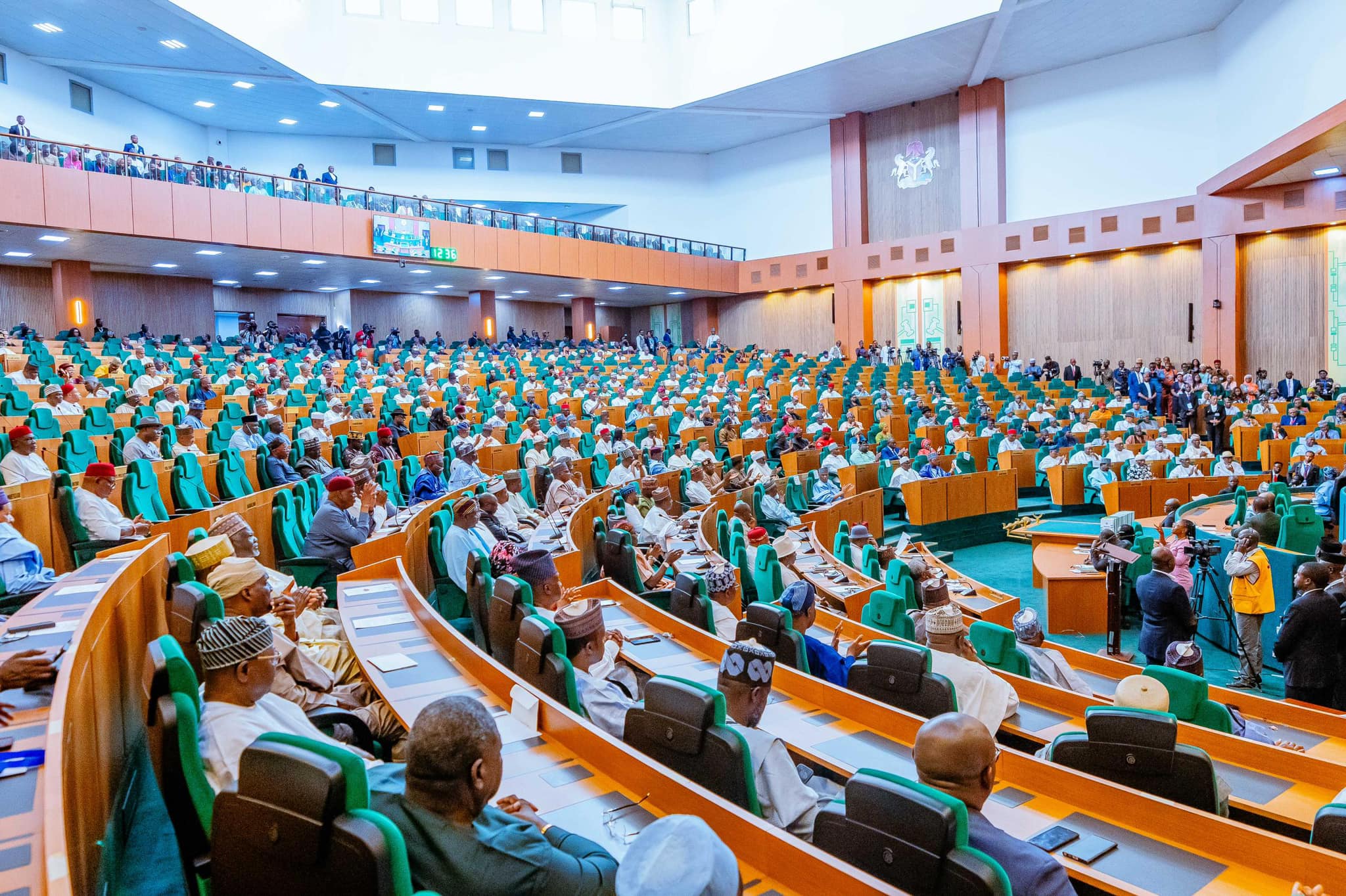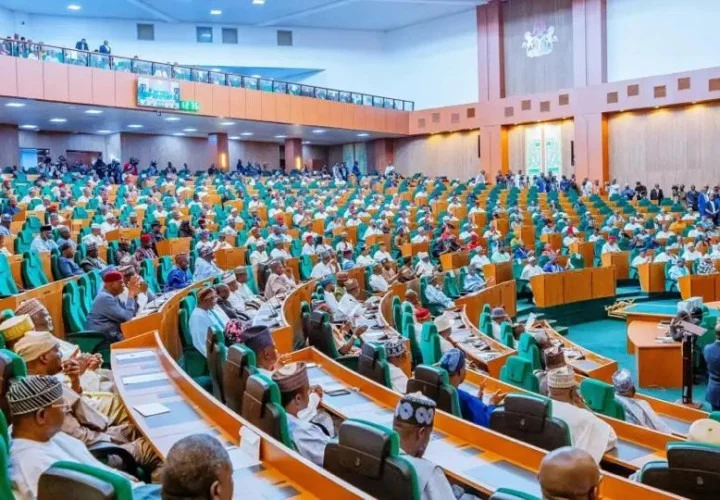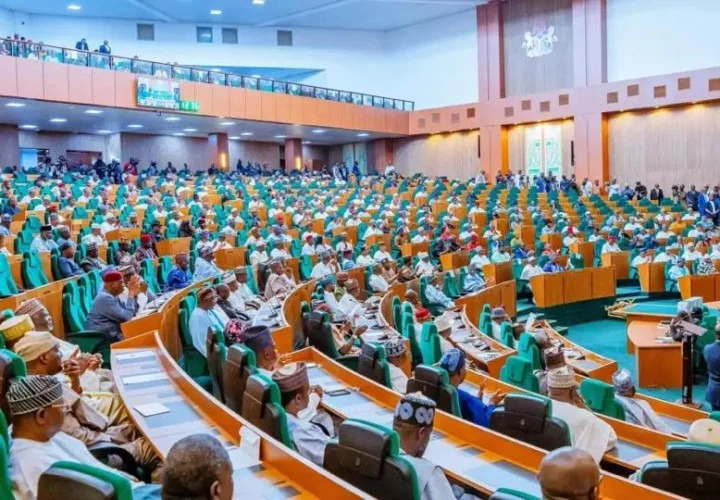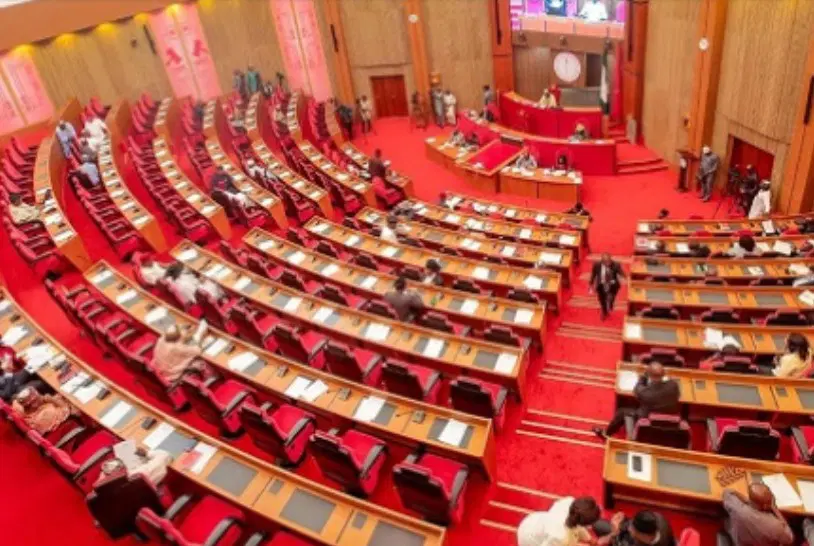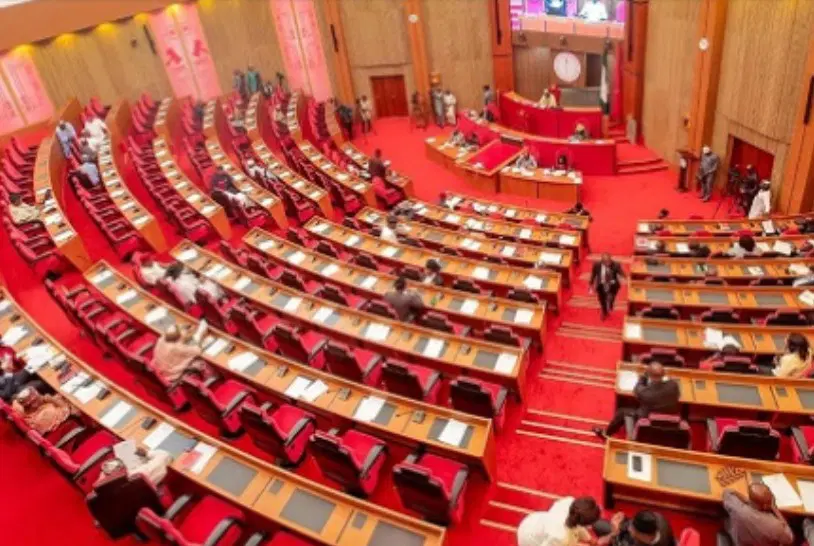
When the House of Representatives voted on one of Nigeria’s most consequential constitutional reforms in decades, the outcome was never really in doubt.
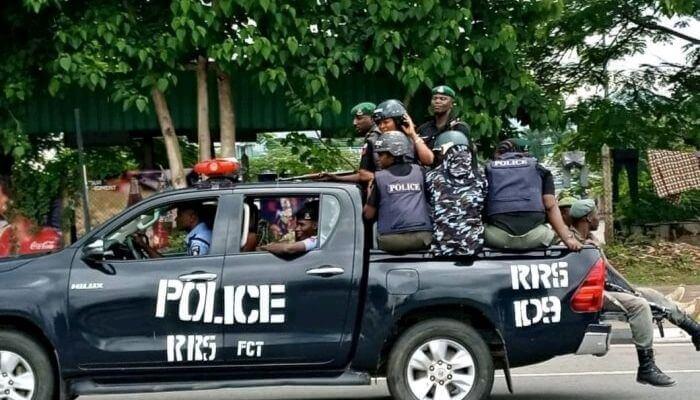
One after another, lawmakers lined up behind the proposal to establish state police, arguing that Nigeria’s overstretched federal police can no longer cope with the country’s worsening security crisis. By the time the votes were counted, 289 members had backed the bill.
One lawmaker was in opposition.
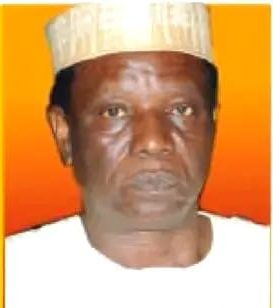
That lone voice belonged to Bashir Usman, who represents Birnin Gwari/Giwa Federal Constituency of Kaduna State—an area that has, ironically, suffered some of the country’s worst attacks by bandits and armed groups.
In the voting process which had near-unanimity, Usman’s solitary “No” vote instantly stood out. It also raised an obvious question: Why would the representative of one of Nigeria’s most insecure constituencies oppose a proposal many believe could strengthen local policing?