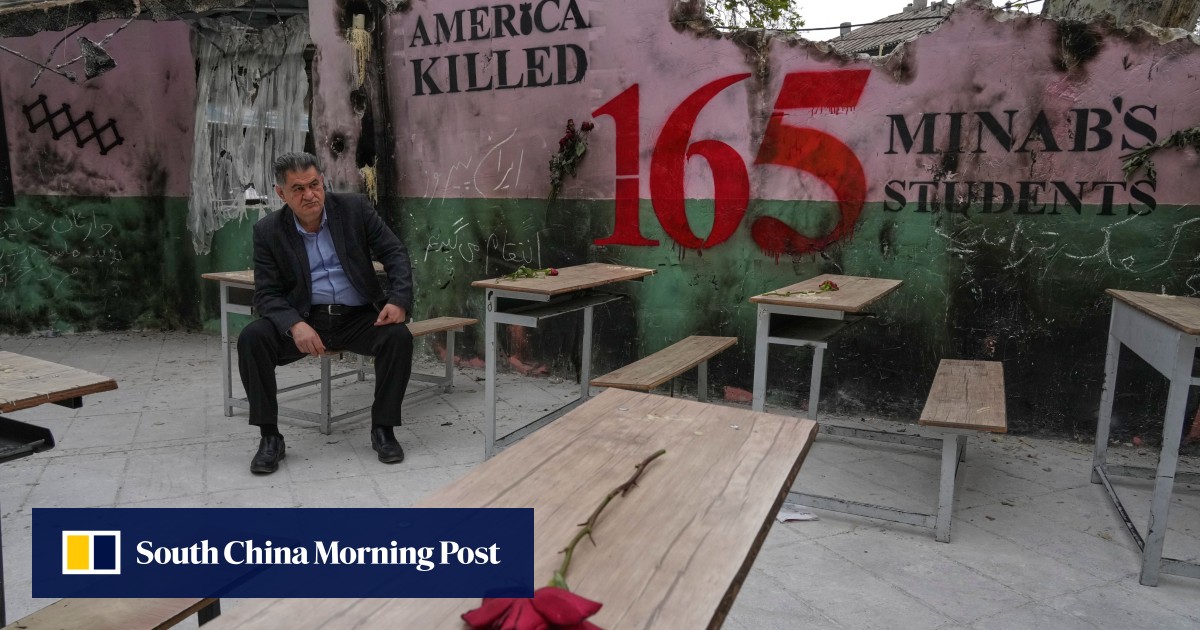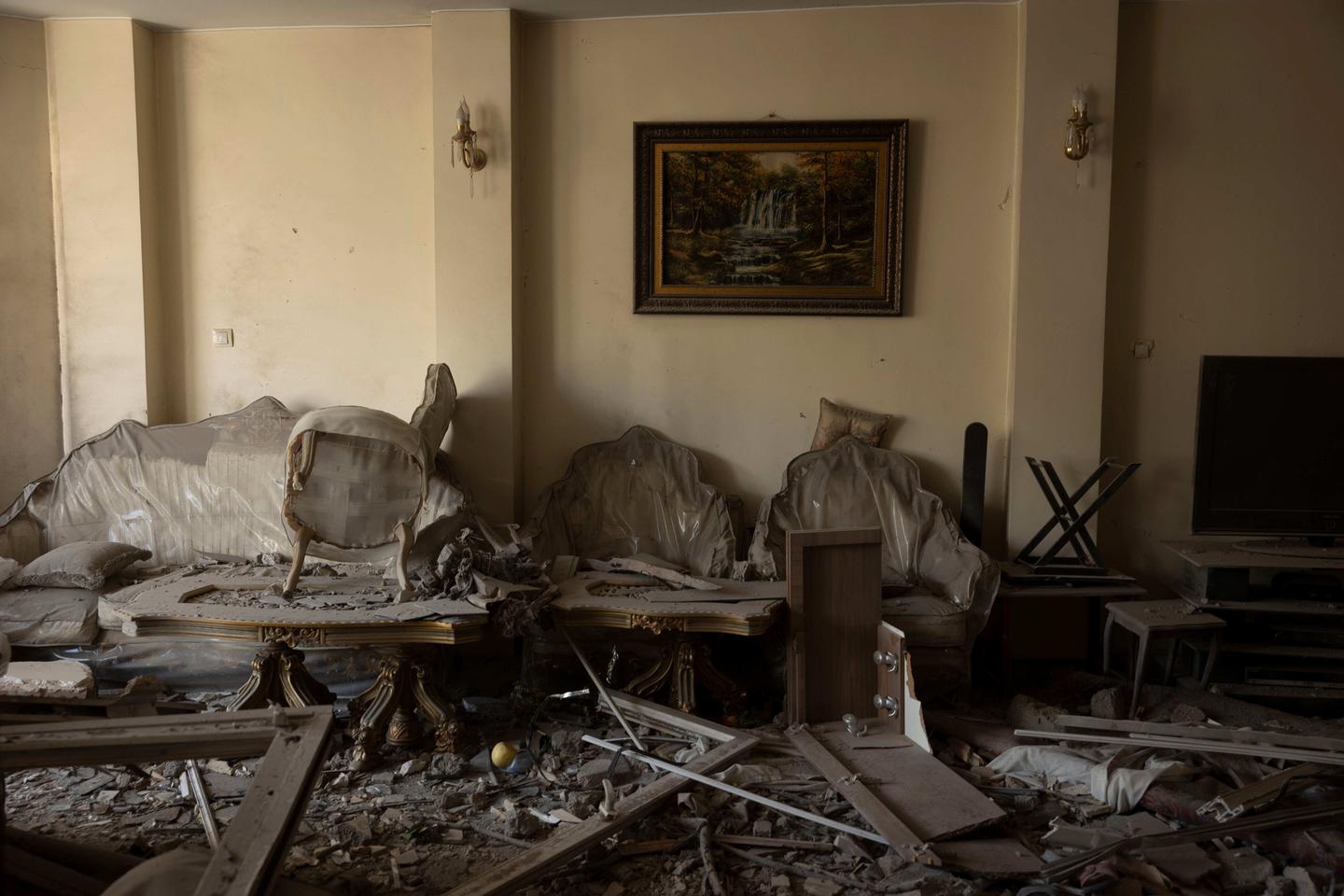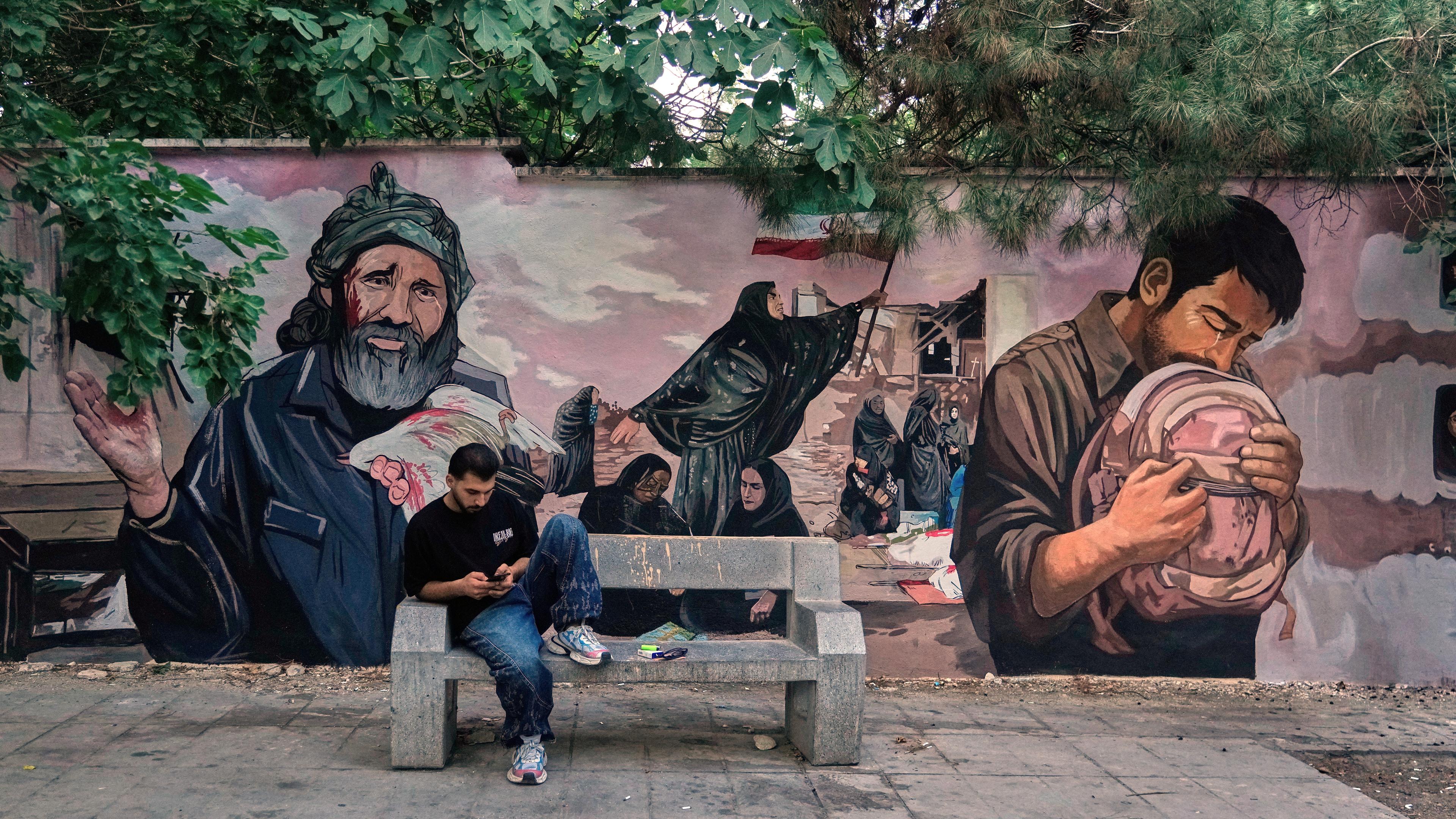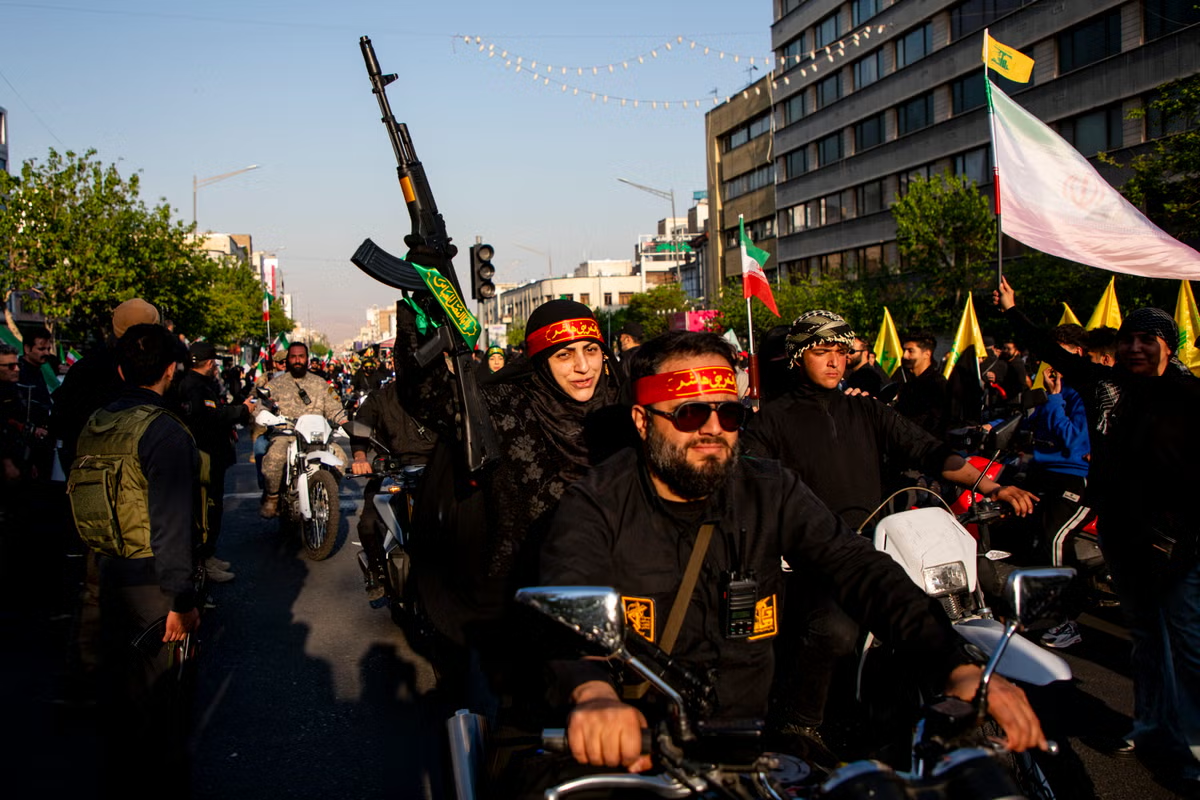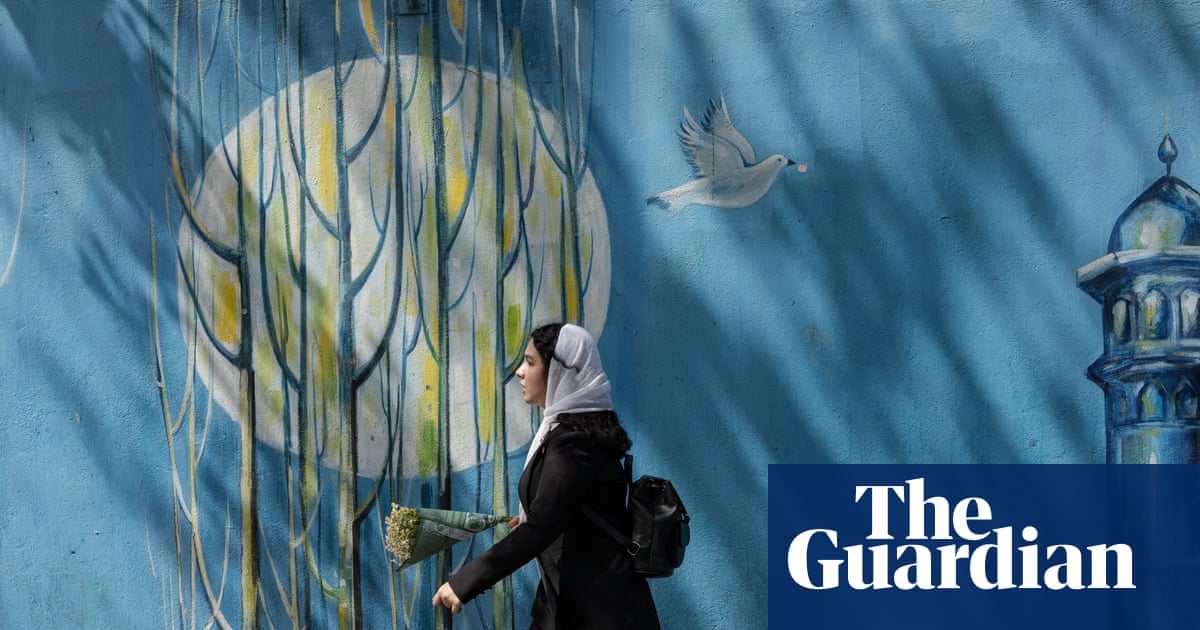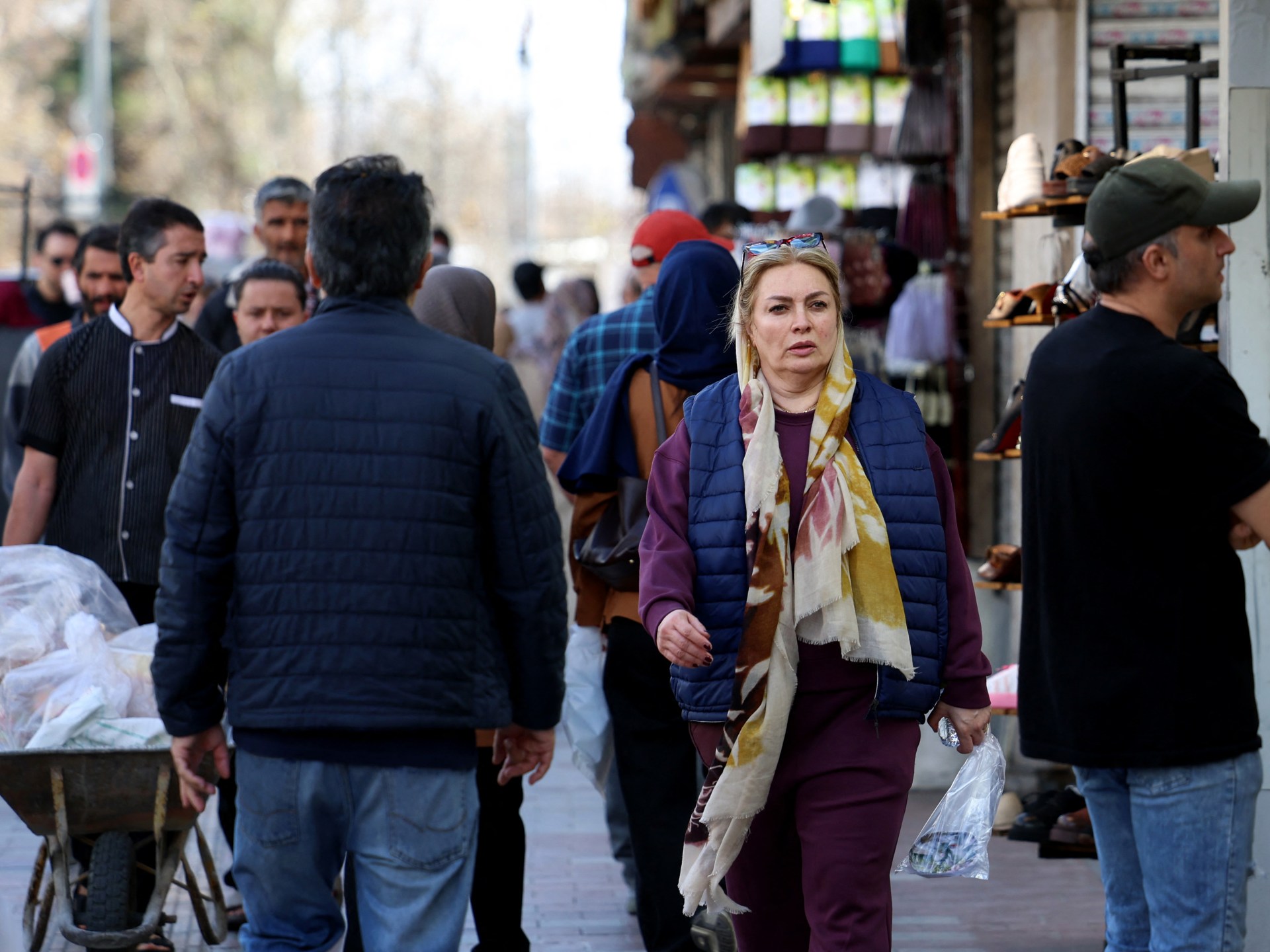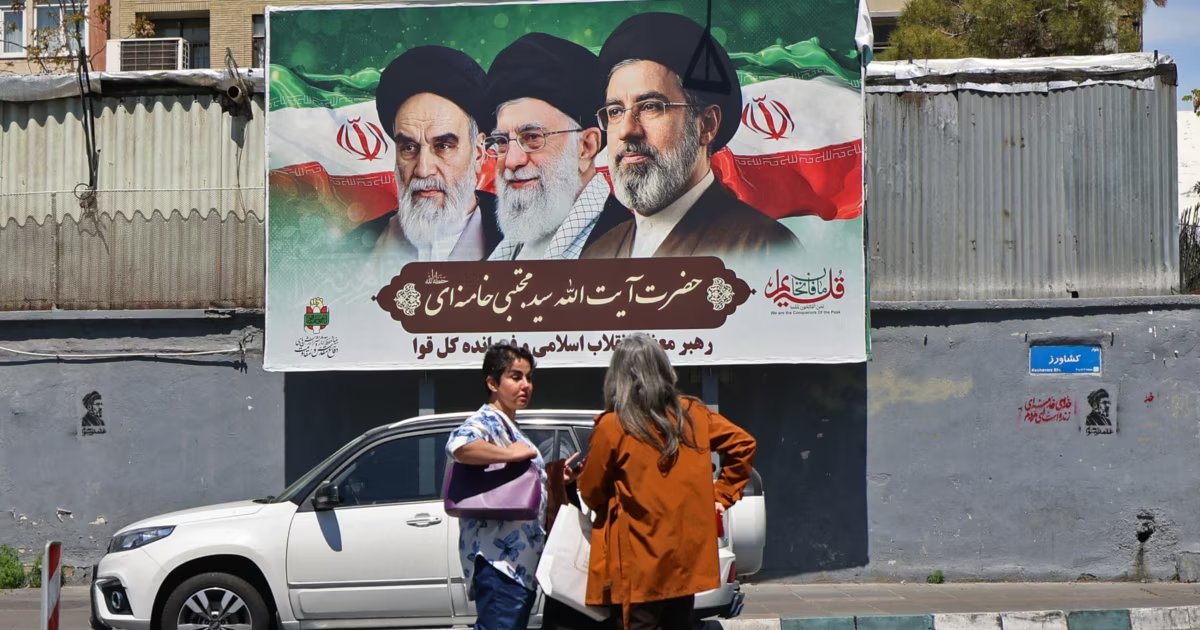
ife in Tehran appears to be edging back toward peacetime normalcy as a cease-fire holds and negotiations between the United States and Iran continue. Cafes that shuttered during air strikes have reopened. Streets that were once empty are again busy with traffic and pedestrians. Shops are open late, and families have returned to evening walks.Most Iranians say they are relieved that the bombing has stopped and that daily life is no longer punctuated by the fear of explosions. But beneath the calm surface, a deeper sense of anger and disappointment lingers among some.According to several Iranians who spoke to RFE/RL’s Radio Farda, the end of the fighting has brought peace, but not the change many had hoped for. All those interviewed asked that only their first names be used for fear of reprisal from the authorities.Maryam, a cook who lives in one of Tehran’s high-rise buildings, remembers how she heard “people cheering and dancing” outside the apartment block when state television announced Iranian Supreme Leader Ayatollah Ali Khamenei had been killed in US and Israeli air strikes.Maryam said she and others endured hunger, air attacks, and the deaths of civilians, believing the regime would eventually collapse.“During war we all stayed at home, with no money, no job but full of hope. We thought we don’t have a job, but it will change, we don’t have money, but we’ll gain our freedom instead,” Maryam said."Even when our windows were shuttered…and our homes were destroyed, we took that in our stride too, saying that soon we will celebrate the departure of the regime and then rebuild our country together.”
Cease-Fire Brings Calm, But Some Iranians Wonder If There Will Be Change Too
Some Iranians say they risked their lives in the streets and endured hunger, air strikes, and destruction, believing this was the price they were paying for freedom. Now, as the regime survives and Washington returns to negotiations, they are left asking what those sacrifices were for.
837 words~4 min read